Understanding Hog Farrowing Pens: Why They Matter in Modern Livestock Farming
If you’re just skimming livestock news or even working in animal husbandry, the term hog farrowing pens might not come up in everyday conversation as much as it should. Yet, these specialized pens play a critical role in ensuring the health and welfare of newborn piglets and sows worldwide. As global demands for sustainably raised pork increase, understanding how housing solutions like farrowing pens work—and why they matter—is key for farmers, agricultural planners, and even policymakers.
So, what’s all the fuss about? Well, farrowing pens not only protect vulnerable piglets from crushing and disease but also optimize sow comfort, improving productivity and ultimately economic returns. In this article, we'll unpack everything from global relevance to future trends in hog farrowing pens.
Global Context: The Worldwide Need for Effective Hog Farrowing Pens
Globally, the pork industry is a massive segment of meat production, accounting for nearly 35% of the world's meat intake according to FAO statistics. China, the United States, Brazil, and the EU lead in production, where the welfare of sows and piglets directly affects output and sustainability goals.
However, challenges persist, particularly in meeting animal welfare standards and reducing mortality rates among piglets. The ISO agricultural standards outline the best practices, nevertheless, many farms in developing regions still struggle with farrowing pen designs that can lead to high piglet mortality or poor sow health.
This is no minor issue, frankly. Globally, piglet mortality during farrowing and nursing can reach 20%, a significant loss economically and ethically. This challenge has brought hog farrowing pens to the spotlight as practical solutions to reduce suffering and boost farm efficiency.
Mini takeaway: The growing global demand for pork and stricter welfare standards make the right farrowing pen design indispensable for modern pig farming.
What Exactly Are Hog Farrowing Pens?
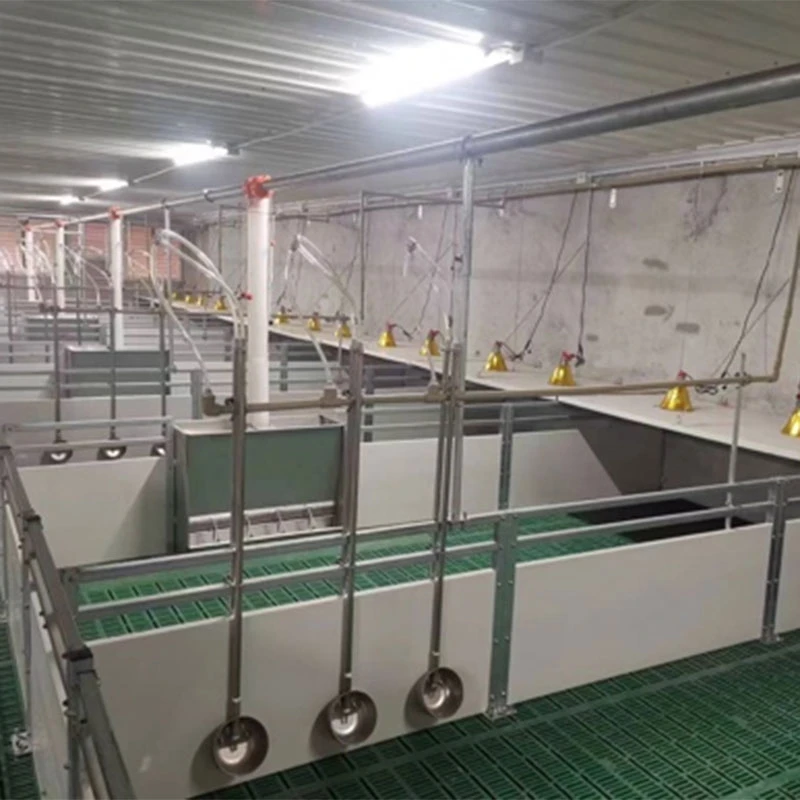
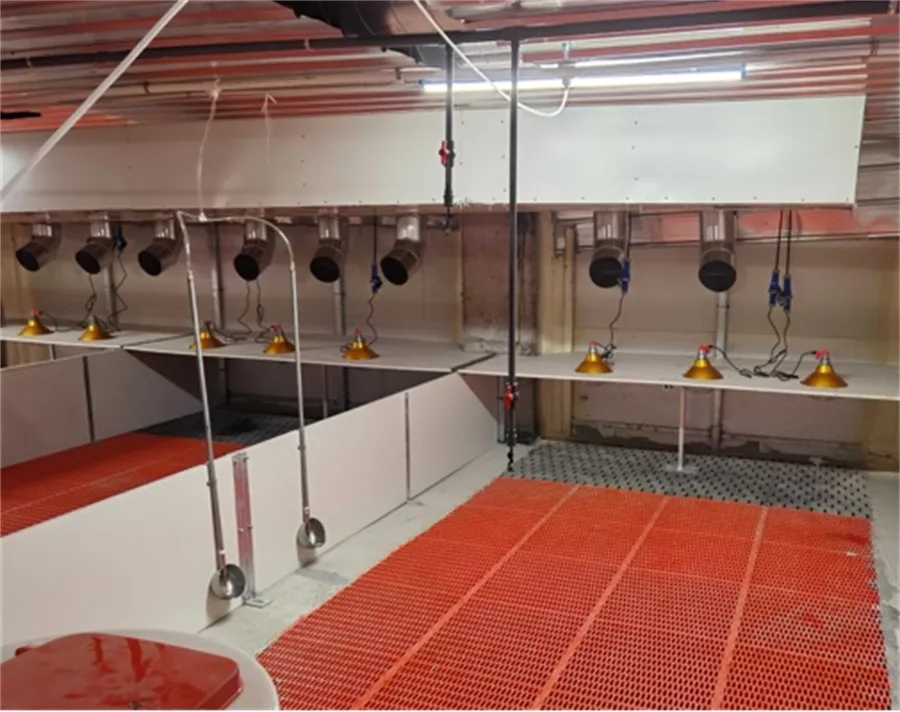
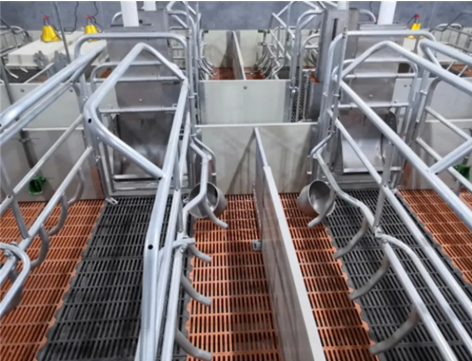
Simply put, hog farrowing pens are specially designed enclosures where sows give birth and nurse piglets safely during the critical first few weeks of life. These pens help limit piglet crushing by the sow—a sadly common cause of mortality—and provide a controlled environment for warmth and hygiene.
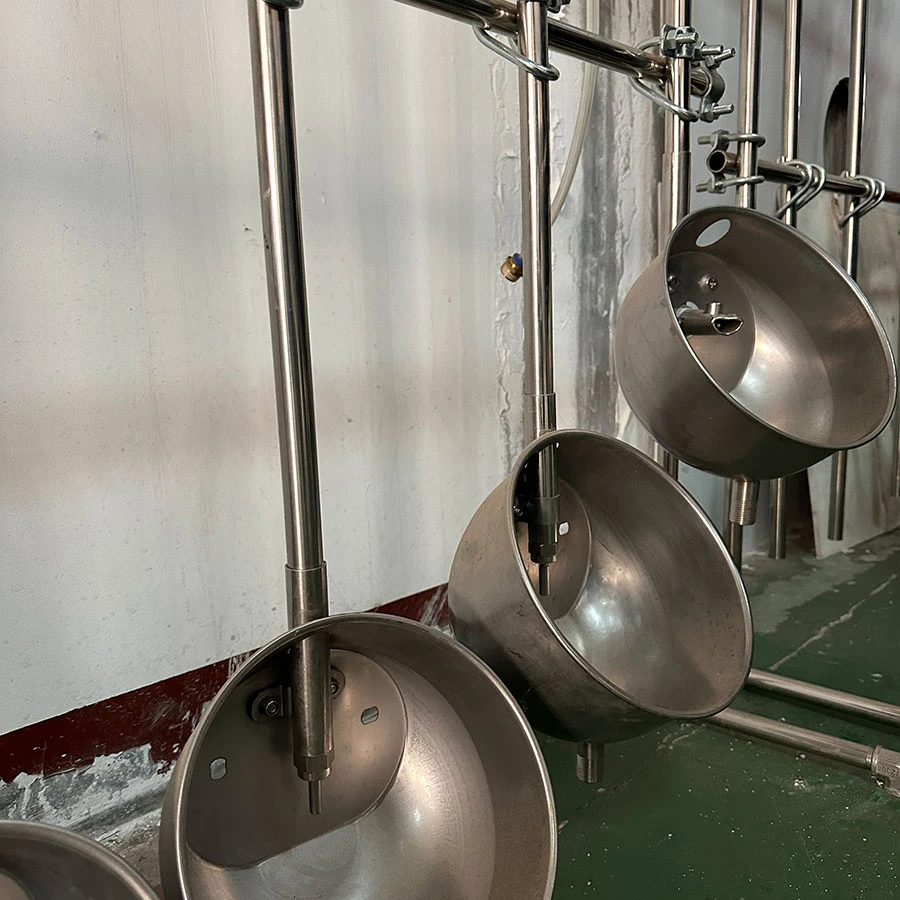
In contemporary agriculture, farrowing pens range from traditional wooden stalls to high-tech modular units incorporating climate control and automated cleaning. They bridge animal health needs with modern farming efficiency—there's a humanitarian angle too: better living conditions for animals often translate into more ethical industry practices.
Mini takeaway: At their core, hog farrowing pens are about creating a safer, cleaner, and more efficient environment for sows and their piglets, blending welfare and productivity.
Core Components of High-Quality Hog Farrowing Pens
1. Durability
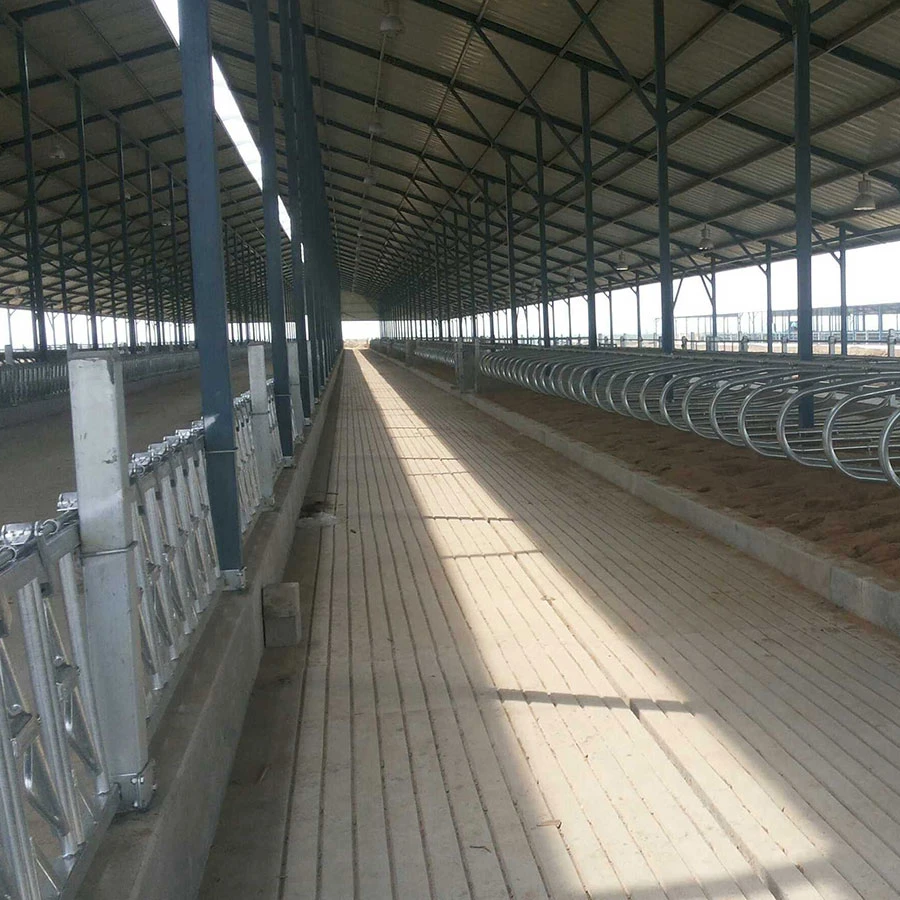
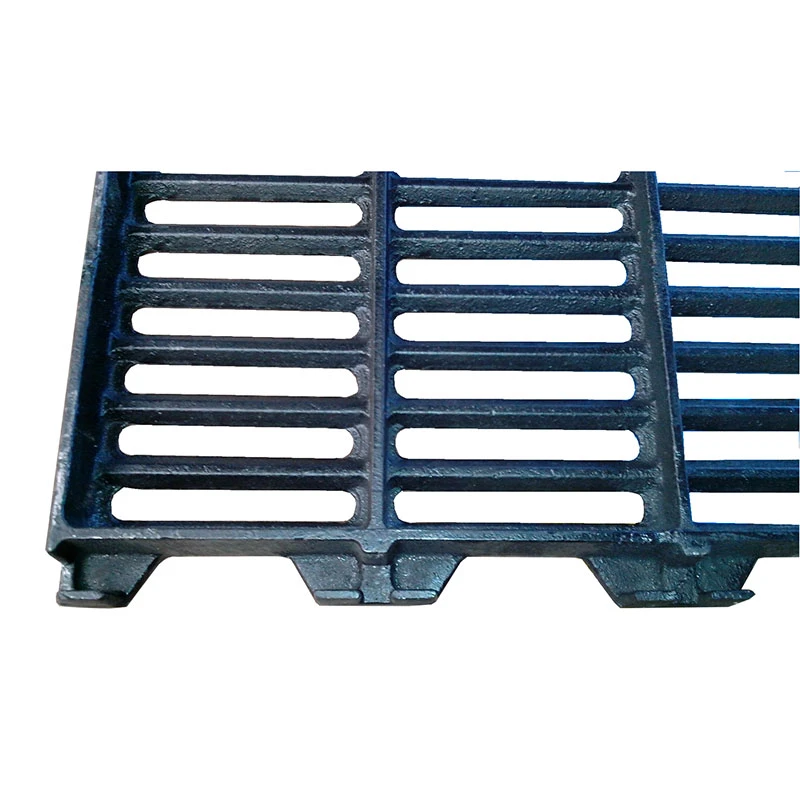
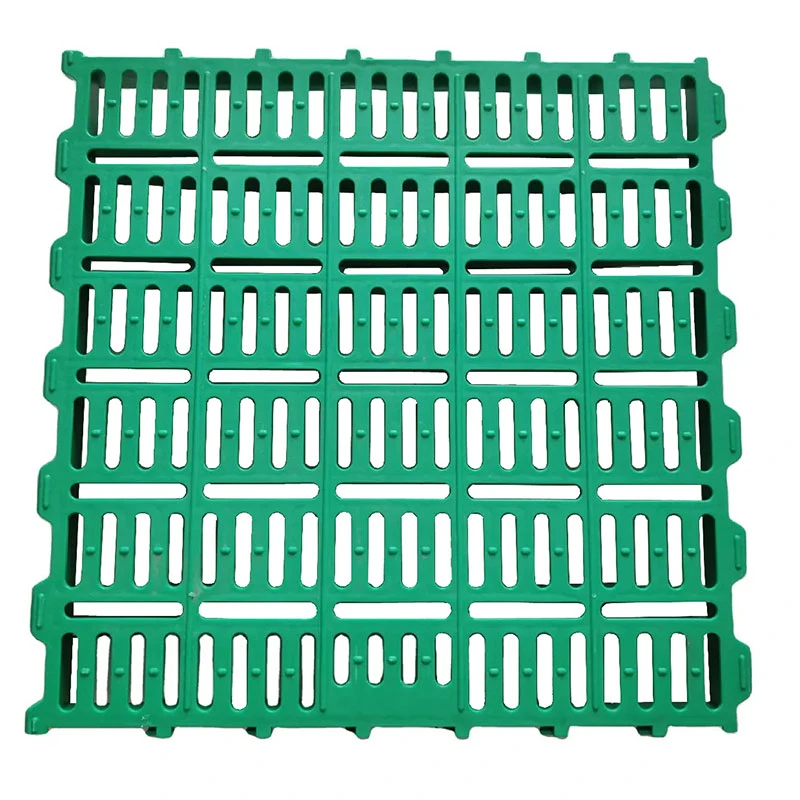
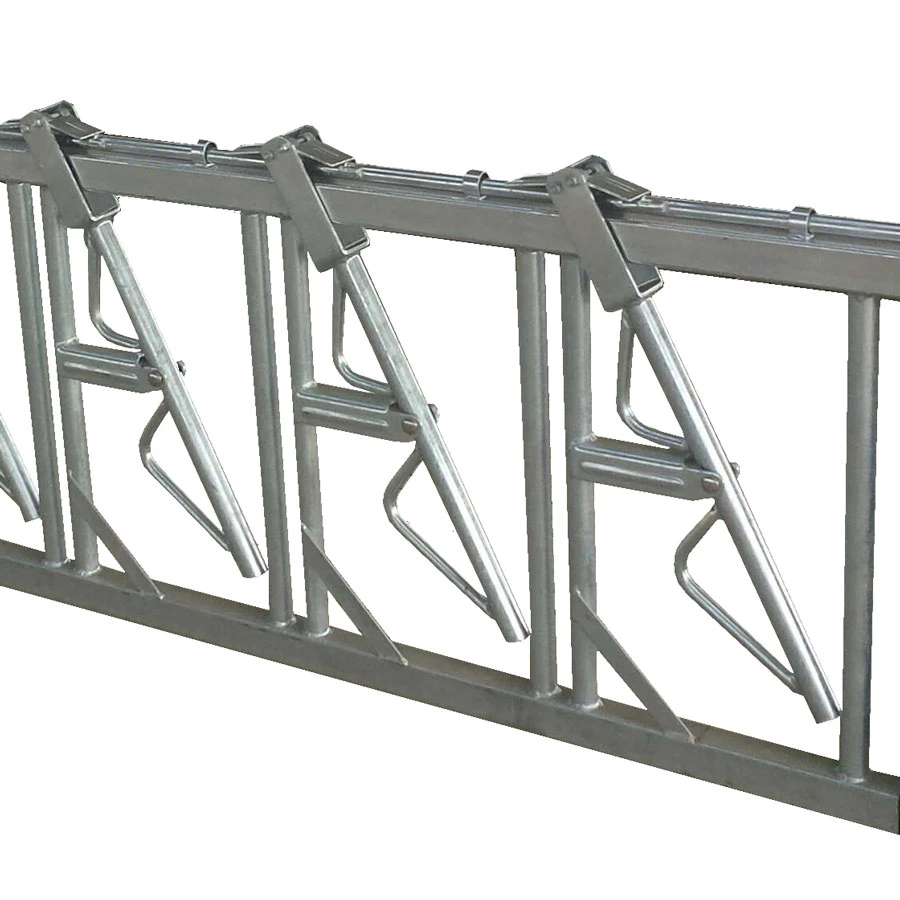
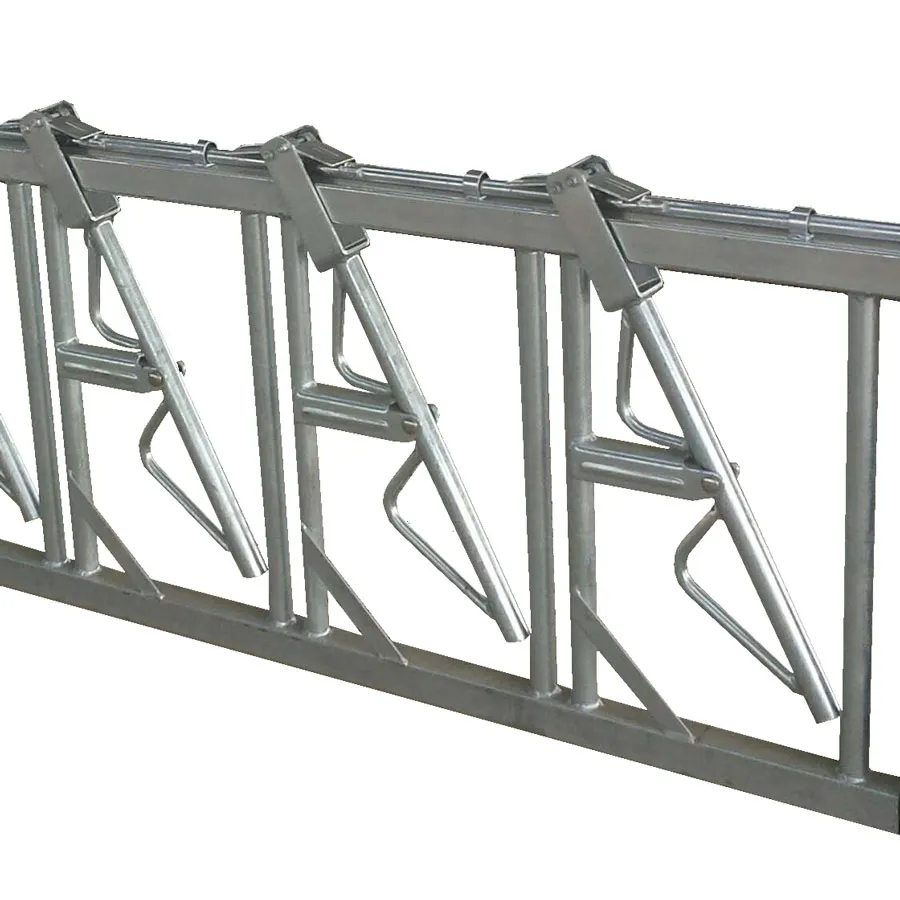
A farrowing pen must withstand constant exposure to moisture, animal activity, and sanitation chemicals. Typically, materials like galvanized steel frames with durable, easy-to-clean floors (e.g., slatted concrete or plastic composites) are preferred. It’s not just about lasting years, but about keeping clean and safe.
2. Thermal Comfort
Newborn piglets require warmer microclimates (around 32°C/90°F), whereas sows prefer cooler temps. Many pens include heat lamps or pads in the piglet creep area while giving the sow a cooler resting spot. Achieving this temperature gradient aids survival and promotes healthy growth.
3. Size and Layout
Space is crucial. Pens must be large enough for the sow to turn without injuring piglets but compact enough to maintain warmth for piglets. Thoughtful design minimizes crushing risks and supports easy cleaning.
4. Easy Accessibility
Good pens allow farmworkers easy visual and physical access for tasks like feeding, cleaning, and monitoring. Some designs also integrate gates or partitions to separate piglets safely during health checks.
5. Cost Efficiency
While upfront costs vary, long-term durability and piglet survival rates reduce total expenditure. Balancing cost and quality often means choosing proven designs over cheaper but fragile options.
6. Scalability and Flexibility
Farms grow or adjust seasonally; thus, modular or movable pens are gaining traction. They can be repurposed or relocated, offering adaptability not always found in permanent structures.
Mini takeaway: The best hog farrowing pens combine robust materials, comfort features, strategic sizing, and operational convenience to improve outcomes on several fronts.
How Hog Farrowing Pens Are Used Around the World
Farmers in North America often use high-tech pens with automated systems for feeding and temperature control, minimizing manual labor. In the EU, strict regulations demand specific pen standards focusing on animal welfare and environmental impact.
In contrast, many Asian and African farms use simpler, affordable designs that prioritize piglet safety and basic hygiene over automation. Even so, NGOs and aid organizations interested in improving food security and livelihoods increasingly promote better farrowing pen designs — especially in rebuilding regions after natural disasters.
For example, in post-disaster relief zones such as regions affected by typhoons in the Philippines, temporary yet sturdy farrowing pens have been deployed to help farmers restart production quickly and safely.
Mini takeaway: Farrowing pens come in many shapes but serve the universal purpose of protecting sow and piglets, adjusted globally to fit local challenges and opportunities.
The Advantages and Long-Term Benefits of Quality Farrowing Pens
- Reduced Piglet Mortality: Pens provide protection from crushing and chilling, leading to healthier litters.
- Enhanced Sow Welfare: Comfortable sows are less stressed, more productive, and easier to manage.
- Economic Gains: Improved survival translates to greater efficiency and profitability.
- Sustainability: Some designs emphasize eco-friendly materials and resource-efficient heating.
- Social Impact: Better farming conditions help rural economies and promote ethical livestock farming.
Frankly, these are not just dry figures or operational checkboxes. There's a human side to this — farmers taking pride in nurturing life, communities benefiting from food security, and consumers trusting ethical supply chains. The pens may be simple structures, but their ripple effects are far-reaching.
Looking Ahead: Trends and Innovations in Hog Farrowing Pens
Modern research and development highlight several exciting trends:
- Smart Farrowing Pens: Integrating IoT sensors to track temperature, humidity, and sow activity for proactive care.
- Eco-friendly Materials: Biodegradable or recycled composites that reduce environmental footprint.
- Automated Cleaning & Waste Management: Robots and smart drainage systems to maintain hygiene effortlessly.
- Energy Efficiency: Use of solar energy-powered heating pads and LED lighting.
- Modularity: Easily scalable pens to match farm size fluctuations or seasonal needs.
In real terms, these advances promise improved animal welfare and farm profitability, while aligning with the global push for sustainable agriculture.
Challenges and Practical Solutions
Despite the promise, several hurdles remain:
- High Initial Investment: Not all farms can afford high-tech pens. Solution? Phased upgrades and financing options.
- Maintenance Needs: Complex designs require regular upkeep; training staff is essential.
- Cultural Barriers: Traditional practices may resist change; education and demonstration projects help.
- Climate Adaptation: Pens need customization for different regional climates.
Many agricultural extension services now collaborate with researchers and manufacturers to tailor solutions — which is encouraging because one size never really fits all.
Product Specification Table: Typical Hog Farrowing Pen
| Feature | Specification | Notes |
|---|---|---|
| Material | Galvanized steel frame with plastic composite floor | Rust resistant, easy to clean |
| Dimensions | 2.4m L x 1.5m W x 1.2m H (average) | Allows sow to turn comfortably |
| Heating | Electric heat lamps + heated creep area | Essential for piglet warmth |
| Floor type | Slatted | Allows waste drainage |
| Accessibility | Gated entry for farmworker access | Easy monitoring and feeding |
Vendor Comparison Table: Leading Hog Farrowing Pen Manufacturers
| Vendor | Material Quality | Price Range (USD) | Customization | Tech Features | Global Reach |
|---|---|---|---|---|---|
| AgriPen Solutions | High-grade steel & plastic composite | $500 – $900 | Modular & scalable units | Optional IoT sensors | North America, EU, Asia |
| Livestock Innovations | Standard-grade steel & concrete | $300 – $650 | Fixed, customizable sizes | Basic heating options | Europe, Africa |
| PigSafe Systems | Premium composite materials | $700 – $1100 | Fully customizable | Automation, climate controls | Global distribution |
Frequently Asked Questions About Hog Farrowing Pens
1. What are the key benefits of modular hog farrowing pens over traditional fixed ones?
Modular pens offer flexibility in size and location, adapting to changing farm needs quickly. They usually incorporate easier maintenance and upgrading options, allowing farmers to respond to production scale fluctuations or biosecurity demands more efficiently.
2. How long do typical farrowing pens last under regular farm use?
With proper maintenance, galvanized steel and composite pens often last 10+ years. Factors such as climate, cleaning frequency, and pig density affect longevity, but quality materials improve durability significantly.
3. Are hog farrowing pens environmentally friendly?
Many modern pens increasingly use recycled or sustainable materials. Plus, energy-efficient heating and smart monitoring reduce waste and emissions. Though the animal agriculture sector has room to grow in sustainability, farrowing pens are a part of the evolving solution.
4. How can international NGOs source suitable farrowing pens for rural farmers?
NGOs can partner with specialized manufacturers or distributors who offer modular, affordable pens tailored for developing regions. Import procedures vary by country but often NGOs liaise with local agricultural extension services to customize and deploy pens effectively.
5. What's the typical setup time for installing new hog farrowing pens?
Depending on the model, basic pens can be installed within a day or two by a small team. Modular designs further reduce setup time. Some vendors even provide on-site guidance and training as part of the package.
Conclusion: The Long-Term Promise of Hog Farrowing Pens
Ultimately, hog farrowing pens are more than just farm equipment—they’re vital tools to promote animal welfare, improve productivity, and support sustainable farming globally. They offer practical solutions to age-old challenges in pig farming while embracing innovations that benefit farmers, consumers, and animals alike.
Curious to see the latest in farrowing pen designs or explore your options? Visit our website at https://www.cxlivestock.com for detailed product info, expert advice, and supply solutions tailored to you.
References:
1. FAO FAOSTAT Data
2. ISO 34389 - Livestock Farming Standards
3. Wikipedia: Farrowing Pen
Post time: Dec . 02, 2025