Unlocking the Potential of Livestock Headlocks: What You Need to Know
Livestock headlocks might sound like just another piece of farm hardware, but in reality, they play a crucial role in modern livestock management around the globe. From ensuring animal safety and handler convenience to boosting productivity and facilitating health management, understanding this relatively simple device unlocks significant benefits for farmers, animal welfare advocates, and the agricultural industry alike.
The Global Context: Why Livestock Headlocks Matter More Than Ever
Globally, over 1.5 billion people depend on livestock as a cornerstone of their livelihood, with the Food and Agriculture Organization (FAO) estimating a rising demand for sustainable animal husbandry practices. Enter livestock headlocks — essential tools that address critical challenges in animal handling, including stress reduction, injury prevention, and efficient disease control.
In emerging economies, where smallholder farmers juggle limited resources, the use of proper containment equipment like headlocks can mean the difference between yield success and costly setbacks. In larger commercial operations, these devices contribute directly to operational efficiency and animal welfare standards approved by organizations like the International Organization for Standardization (ISO).
Oddly enough, despite their straightforward design, livestock headlocks are part of a broader global effort to modernize agriculture through better infrastructure and humane practices, dovetailing neatly with goals set by the United Nations to promote food security and sustainable development.
So, What Exactly Are Livestock Headlocks?
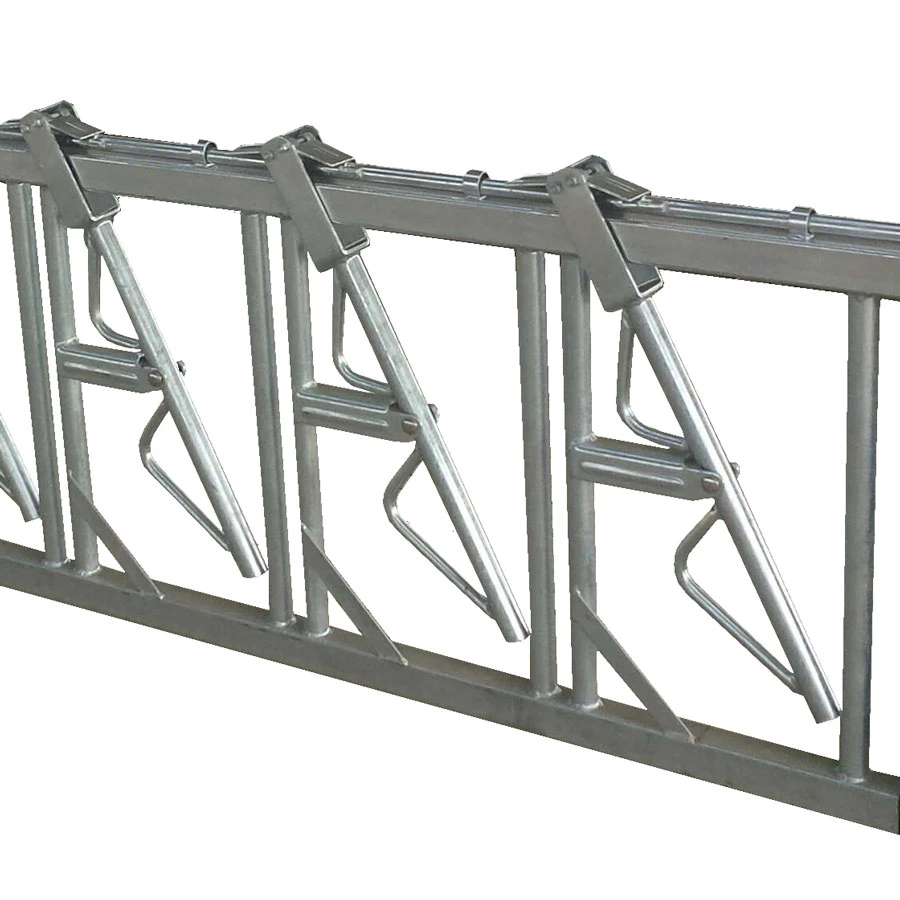
In the simplest terms, livestock headlocks are metal locking gates installed in cattle pens or feeding areas designed to securely hold the animal’s head in place. This allows for safe, controlled access during feeding, vaccinations, or veterinary inspections without causing harm or excess stress to the animals. Think of them as gentle yet firm “locks” that respect animal dignity while improving human safety.
With roots stretching back decades, modern designs incorporate ergonomic shapes and materials carefully selected for durability and ease of maintenance. Their role has evolved significantly from mere containment devices to intelligent tools pivotal in large-scale ranching, feedlot management, and even humanitarian livestock relief in disaster-stricken areas.
Key Features That Define Livestock Headlocks
Durability
These devices face the frontline of bovine strength — cattle can be strong, surprisingly so. Heavy-duty galvanized steel, powder-coated frames, and corrosion-resistant finishes are standard to guarantee extended service life, especially under harsh weather conditions or in outdoor environments.
Scalability
Whether you run a small local dairy or a sprawling feedlot with thousands of animals, headlocks come in modular, scalable designs. This means setups can be expanded, customized, or optimized as operations grow or change without starting from scratch.
Cost Efficiency
While upfront costs can vary, the reduction in labor hours and improvements in animal health outcomes often offset the initial investment rapidly. Many farmers report a noticeable decline in injuries to both cattle and handlers after installation — proof that a solid, well-made headlock pays dividends.
Ease of Use
Ergonomic design and straightforward mechanics mean minimal training is needed for workers. Locking action is typically smooth, allowing quick release in emergencies without compromising security.
Animal Welfare
Minimizing animal stress is more than a buzzword — it’s a practical necessity. Good headlock systems consciously reduce panic and struggling behavior, aligning with welfare protocols advocated by groups like the World Organisation for Animal Health (OIE).
Global Applications: From Farms to Relief Efforts
Livestock headlocks are far from a one-size-fits-all solution; their deployment varies widely by geography and operational goals:
- North America and Europe: In intensive beef or dairy operations, headlocks streamline vaccination programs and fertility management, improving herd health and milk production.
- Sub-Saharan Africa: NGOs working with pastoralist communities use portable headlocks during livestock vaccinations to prevent disease outbreaks in vulnerable herds.
- Post-Disaster Contexts: After events like floods or droughts, secure handling of livestock becomes vital for rapid relief and restocking operations. Portable or quickly assembled headlock systems become frontline equipment.
A memorable case comes from a large-scale Australian feedlot where introducing improved headlocks led to a 15% reduction in veterinary costs over two years, mostly attributed to easier, safer handling during health checks.
Mini takeaway:
Livestock headlocks facilitate better animal management worldwide, from industrial-scale operations to humanitarian livestock care, reflecting their versatile impact.
Advantages & Long-Term Value of Using Livestock Headlocks
Embracing headlocks brings a mix of tangible and intangible rewards:
- Cost savings: Less labor time, fewer injuries, and reduced veterinary bills.
- Sustainability: Durable materials mean low replacement frequency, and better animal welfare reduces stress-related losses.
- Safety and trust: Handlers feel safer, animals are treated humanely, boosting overall morale and productivity.
- Innovation in tradition: These simple devices prove that even old-school industry equipment can adapt and innovate.
Product Specification Table: Typical Livestock Headlock Features
| Specification | Details |
|---|---|
| Material | Galvanized Steel, Powder-Coated Finish |
| Dimensions | Standard: 1.2m height x 0.5m width per headlock |
| Weight per unit | Approximately 15 kg |
| Locking Mechanism | Manual lever-operated locking with quick-release |
| Installation | Fixed or portable mounts available |
| Warranty | 3 years against manufacturing defects |
How Do Various Vendors Stack Up on Livestock Headlocks?
| Vendor | Material Quality | Price Range | Customization Options | Delivery & Support |
|---|---|---|---|---|
| FarmEquip Pro | High-grade galvanized steel | $$$ | Modular widths, colors | Worldwide; 24/7 support |
| Ranch Solutions | Powder-coated steel with rust prevention | $$ | Standard sizes only | North America; on-site setup |
| AgroLivestock Tools | Basic galvanized steel | $ | No customization | Limited international shipping |
Looking Ahead: Innovations and the Future of Livestock Headlocks
The future feels promising. Many engineers I talked to are excited about smart headlocks integrated with sensors that monitor vital signs and automatically adjust to animal size and behavior. Green manufacturing practices, from recycled metals to solar-powered farm equipment, are also merging with livestock containment designs. As digital transformation sweeps through agri-tech, combining livestock headlocks with IoT devices could revolutionize herd management by enabling remote, real-time control.
Common Challenges & Practical Solutions
- Maintenance Needs: Though durable, corrosion and wear remain concerns, especially in humid climates. Simple solutions include routine lubrication and protective coatings.
- Initial Costs: Budget-conscious farms might hesitate. Leasing options and phased installations can spread costs over time.
- Customization Limits: Fixed headlocks may not fit every livestock breed or setup. Vendors increasingly offer tailor-made designs addressing this.
FAQs About Livestock Headlocks
- Q: Are livestock headlocks suitable for all types of cattle?
- A: Most headlocks are designed to accommodate standard cattle breeds. However, specialty breeds or sizes might require adjustable or custom models to ensure proper safety and comfort.
- Q: How easy is it to install livestock headlocks on existing pens?
- A: Installation is often straightforward, particularly with modular designs. Some models can be retrofitted without major renovations, but consulting with vendors can help assess specific site needs.
- Q: Can livestock headlocks reduce animal stress during veterinary procedures?
- A: Yes, properly designed headlocks prevent excessive movement, decreasing the likelihood of panic or injury during health checks or vaccinations, which contributes to animal welfare.
- Q: What maintenance does livestock headlock equipment require?
- A: Regular cleaning, inspection for rust or wear, and lubricating moving parts can extend operational life significantly. Most vendors provide maintenance guides to support farm staff.
Conclusion: Why Livestock Headlocks Are Worth the Investment
In the long run, livestock headlocks offer more than just containment—they bring peace of mind, efficiency, and ethical animal handling together in a well-tested package. Whether you’re a small farm curious about modern upgrades, or a large-scale operation chasing next-level productivity, these devices prove their worth daily. Don’t hesitate to explore options and find solutions tailored to your needs.
Visit our website for detailed info and product ranges: https://www.cxlivestock.com. Why not see how such a simple, practical innovation can transform your livestock management?
References
Post time: Nov . 29, 2025