Understanding Metal Floor Grates: Why They Matter Worldwide
So, you’ve probably seen metal floor grates before — whether on a busy industrial floor, a storm drain, or even in some modern architectural spaces. These grids of steel might feel mundane, but they're surprisingly vital in global infrastructure, safety, and sanitation. Knowing about metal floor grates isn’t just for engineers or architects; it’s about grasping how a simple design can impact industries, public safety, and environmental management worldwide.
Metal floor grates serve as the backbone of sturdy, safe, and hygienic flooring systems. They channel water, provide traction, and support heavy loads without succumbing to wear and tear. In many developing regions and industrial hotspots alike, the right grate can mean the difference between a safe work environment and disaster waiting to happen. I find it oddly calming that something so utilitarian carries such high stakes in construction and urban planning.
---
The Global Importance of Metal Floor Grates in Modern Industry
Why should anyone care about metal floor grates on a global scale? Well, according to the International Organization for Standardization (ISO), corrosion resistance and load-bearing capacity in industrial materials have a massive impact on infrastructure maintenance costs worldwide. Metal floor grates are part of that conversation.
In fact, markets for these grates are expanding rapidly in Asia, Europe, and North America due to urbanization, industrial growth, and rising safety regulations (World Bank reports show infrastructure investment is up by nearly 40% in emerging economies over the last decade).
Yet with expansion comes challenges: poor drainage, crowd safety, and industrial hygiene are persistent issues. Metal floor grates serve as a straightforward but critical solution — especially in environments exposed to heavy foot and vehicle traffic, extreme weather patterns, or chemical exposure. They’re the unsung heroes keeping factories, streets, and even humanitarian aid centers, well, on their feet.
---
What Exactly Is a Metal Floor Grate?
At its core, a metal floor grate is a sturdy panel or grid made from materials like steel, aluminum, or stainless steel, designed to cover openings, drains, or floor surfaces. Its design allows for water or debris to pass through while providing a strong surface that can bear weight and resist slipping rather effectively.
In modern industry, these grates are often tailored for specific environments — think non-slip patterns for wet zones, or extra-heavy panels for industrial plants where forklifts roam. On a humanitarian level, they help keep clean water flowing in disaster relief setups, allowing makeshift facilities to maintain sanitation standards that protect vulnerable populations.
---
Core Components of Metal Floor Grates
Durability and Materials
The main ingredient here is strength. Most metal floor grates use galvanized steel or stainless steel because they stand up to corrosion, weather, and bite from chemicals. Oddly enough, you’ll find some high-end models in aluminum too — lightweight yet durable for places where weight matters like rooftop decks or marine platforms.
Load-Bearing Capacity
From pedestrian paths to heavy industrial zones, knowing a grate’s load rating is crucial. These ratings can range from light foot traffic up to support for trucks and forklifts in warehouses.
Slip Resistance
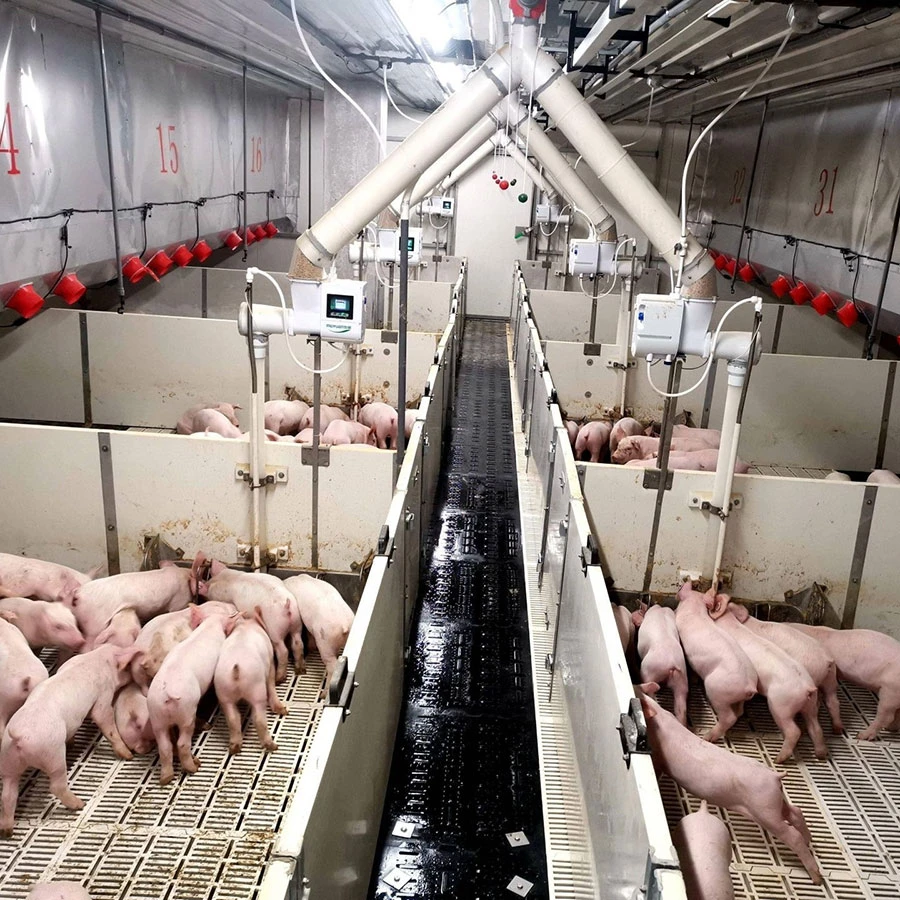
Many grates feature serrated or patterned surfaces to prevent slipping — essential in wet or oily environments. These patterns aren’t just decoration; they save lives.
Modularity and Installation
Modular grates that slot together make installation and replacement faster. This adaptability also serves temporary setups, like disaster zones or construction sites, where speed matters.
Drainage Efficiency
The spacing and pattern of the grate bars influence how well water or debris drains. Wider spacing means better flow but might pose safety risks, while narrow settings hold back debris but can clog more easily. Engineers balance these factors depending on site needs.
---
Practical Applications Across the Globe
In Europe’s urban centers, metal floor grates are everywhere — from subway platforms to parks — ensuring safety and smooth drainage despite heavy footfall. In Asia’s booming factories, they protect delicate machinery from water seepage and keep floors slip-free despite humid climates.
In post-natural disaster relief efforts, NGOs rely on sturdy metal floor grates to keep temporary housing and sanitation sites hygienic and functional. Even in remote mining camps in South America or Africa, these grates help manage water runoff and muddy terrain, maintaining operations without costly interruptions.
The construction industry leans heavily on customized grates to meet local regulations — heavy-duty designs for cold climates with snow and ice, or corrosion-resistant types for coastal infrastructure exposed to saltwater spray.
metal floor grate products often come with certifications aligned to ISO standards to guarantee these exacting requirements.
Mini takeaway: Metal floor grates quietly connect a wide variety of industries, climates, and use cases — proving how something so simple has such a nuanced global role.
---
Advantages and Long-Term Value of Metal Floor Grates
Why adopt metal floor grates? Cost efficiency is the classic selling point: durable materials mean fewer replacements and low maintenance. But there’s more.
The social value is remarkable. In factories or public spaces, they prevent slips and falls, reducing injuries and insurance claims. In disaster zones, they maintain dignity by ensuring drainage and hygiene for vulnerable users.
Environmentally, choosing recyclable metals and corrosion-resistant coatings extends grate life and minimizes waste, supporting sustainability goals that are now central in construction projects worldwide.
Emotionally, knowing a floor is safe underfoot provides peace of mind — whether you’re a factory worker on a cold morning or a child crossing a playground.
---
Looking Ahead: Trends and Innovations in Metal Floor Grate Design
Technology is creeping in, as it always does. Some companies now embed sensors into metal grates for “smart floor” systems that monitor weight loads or detect spills — helpful for industrial safety or robotic automation.
Green innovations include using recycled steel and developing coatings free of hazardous chemicals, reducing environmental footprints. Lighter metals like aluminum alloys are replacing heavier iron in some venues to ease installation and reduce energy used in transport.
Digital fabrication like laser cutting allows for intricate designs that boost both aesthetics and safety, finally turning what used to be purely functional into something architects can love.
---
Common Challenges and Clever Solutions
Not everything’s perfect. Installation errors can lead to costly failures. Corrosion still sneaks in if specs aren’t followed, especially in harsh chemical environments. And sometimes the cost of premium materials feels prohibitive.
But engineers tackle these by:
- Using modular designs that allow quick swapping of degraded pieces
- Applying multi-layer coatings for double corrosion defense
- Offering tailored solutions to optimize between cost and longevity
As industries become more precise, combining old-school metallurgy with digital design gives grates new life and fewer headaches.
---
Frequently Asked Questions About Metal Floor Grates
- What types of steel are best for durable metal floor grates?
- Galvanized steel is common for general use as it offers corrosion resistance and strength. Stainless steel is best for harsh chemical or highly wet environments due to superior corrosion protection. Aluminum sometimes is used for lightweight applications but typically supports less weight.
(~90 words)
- How do I choose the right metal floor grate for high foot traffic?
- Look for grates with anti-slip serrated surfaces and a load rating suitable for pedestrian or forklift weight. Consider modular options for easy maintenance and fits to your drainage needs. Consultation with a vendor about your specific environment will narrow choices efficiently.
(~80 words)
- Are metal floor grates environmentally friendly?
- Yes, especially when made from recycled steel or when designed for longevity with corrosion-resistant coatings that minimize replacements and waste. Proper maintenance also extends life cycles, reducing their environmental impact over time.
(~75 words)
- Can metal floor grates be customized?
- Absolutely. Size, load capacity, bar spacing, surface pattern, and even coating color can be customized to meet requirements. Custom fabrication allows integration with architectural aesthetics or special industrial standards.
(~60 words)
---
Technical Specifications of a Standard Metal Floor Grate
| Specification |
Details |
| Material |
Steel, galvanized or stainless |
| Load Rating |
Up to 5,000 lbs (forklift rated) |
| Surface Type |
Serrated anti-slip finish |
| Dimensions |
Standard 24" x 24" panels, customizable |
| Bar Spacing |
1" to 3" open spacing |
| Coating |
Hot-dip galvanized or powder coated |
Comparing Leading Metal Floor Grate Vendors
| Vendor |
Material Options |
Customization |
Typical Lead Time |
Price Range |
| GratePro Inc. |
Steel, Stainless Steel |
Full (sizes, finish, coating) |
2-3 weeks |
Mid-High |
| Durafloor Solutions |
Galvanized Steel, Aluminum |
Moderate (standard sizes) |
1-2 weeks |
Low-Mid |
| EcoGrate Ltd. |
Recycled Steel, Powder Coated |
Full (eco-friendly options) |
3-4 weeks |
Mid |
---
Final Thoughts and Next Steps
Metal floor grates may not be the flashiest component in construction or infrastructure, but their importance can’t be overstated. From industrial strength to slippery surface safety, these grids hold up the safety, sanitation, and functionality of countless spaces worldwide. Choosing the right grate, for the right application, is a decision that blends material science with local needs — and it pays dividends in cost savings and protection over the long term.
If you’re exploring metal floor grates for your next project, I recommend taking a close look at your environment’s specific demands— drainage needs, load requirements, and climate exposure — then comparing suppliers on those details.
Don’t just settle for “standard” when “best fit” could mean fewer headaches and better results.
For more insights and quality products, visit our website:
metal floor grate.
---
References
- ISO Standards for Steel Products
- World Bank Infrastructure Investment Updates
- Corrosion - Wikipedia