Why Pig Mesh Flooring Deserves Your Attention in Modern Farming
At first glance, pig mesh flooring might just seem another farm fixture—a practical necessity in pig husbandry. But given the global challenges in sustainable agriculture, animal welfare, and environmental impact, the design and use of pig mesh flooring is becoming increasingly significant worldwide. It’s not just about pigs standing on steel grids; it’s about efficiency, hygiene, growth optimization, and planetary conscience.
In this article, we dive into the what, why, and how of pig mesh flooring, unpacking its benefits and challenges, and showing you how it’s shaping modern farming practices globally.
The Global Context: Why Pig Mesh Flooring Matters
Globally, pork remains one of the most widely consumed meats, representing about 36% of total meat consumption according to the FAO (Food and Agriculture Organization). With rising demand in Asia, Latin America, and increasingly parts of Africa, pig farming is intensifying. That intensification brings challenges—waste management, disease control, animal comfort, and environmental sustainability.
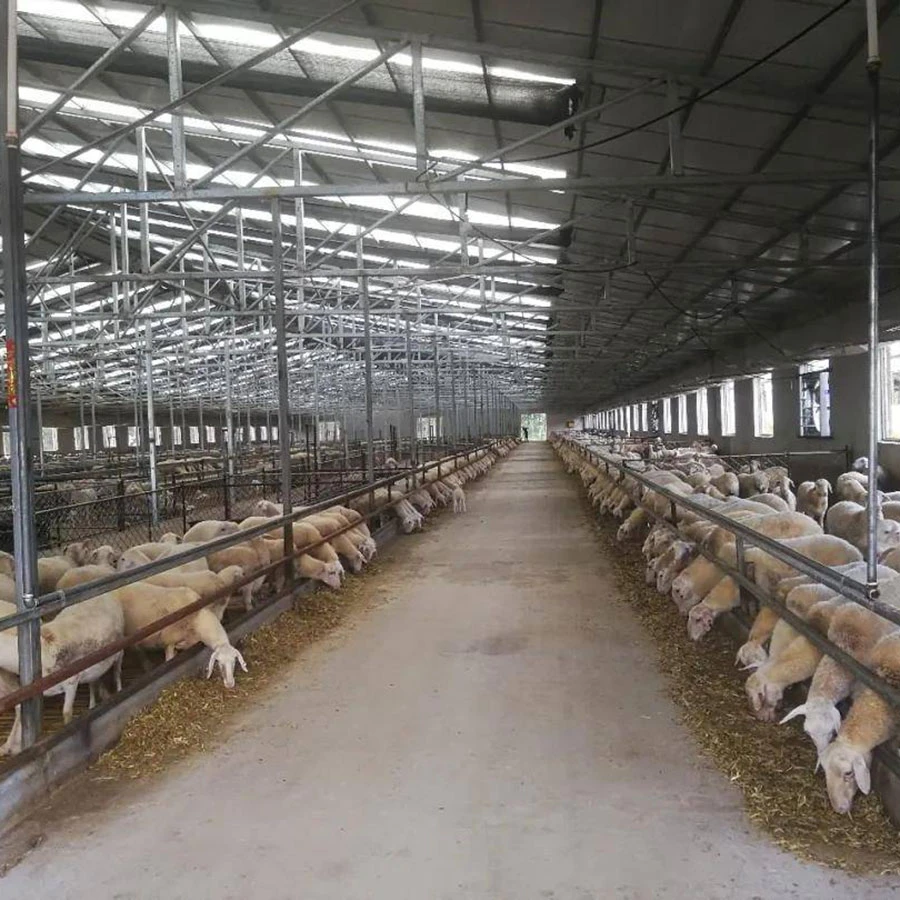
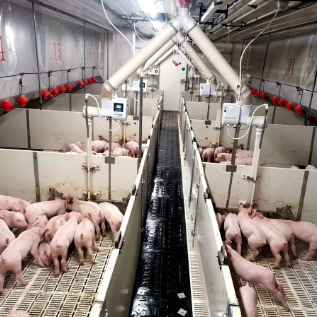
One technical solution is pig mesh flooring—floor systems that elevate pigs above waste, allowing droppings to fall through. This simple yet clever design helps farms improve hygiene, lower disease risk, and streamline manure collection. In fact, the ISO 2859 standards for animal welfare and housing recommend flooring that minimizes contamination and promotes health.
But there's also an economic angle: better flooring can decrease pig mortality, reduce labor in cleaning, and improve growth rates, making farms more profitable and sustainable.
What Is Pig Mesh Flooring, Really?
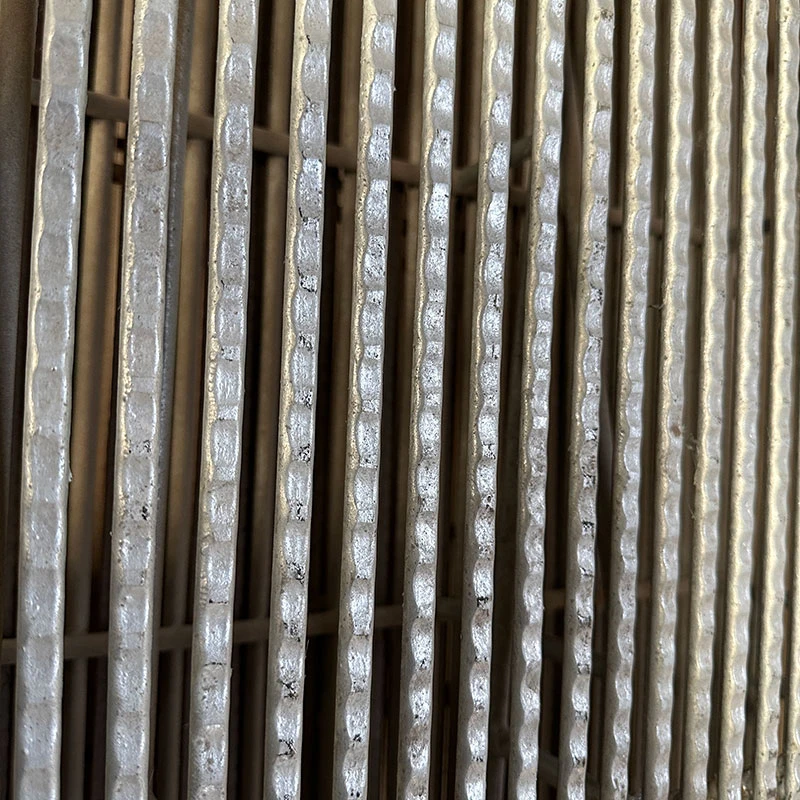
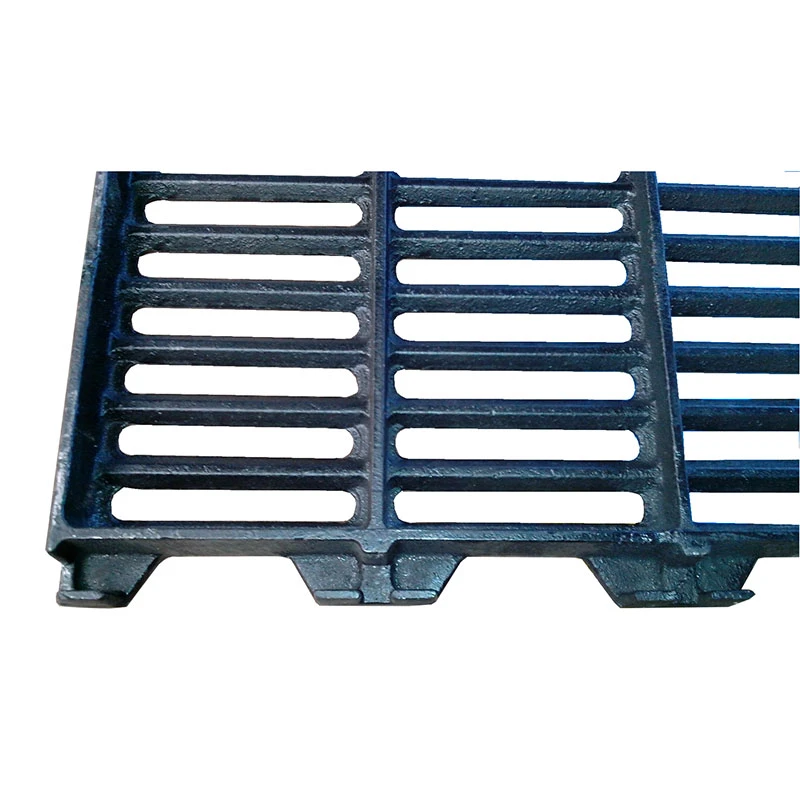
Simply put, pig mesh flooring is a permeable floor structure composed of metallic or plastic mesh grids, usually featuring openings ranging from 15 to 38 millimeters. These grids allow pig manure and urine to drop directly below the pens, helping separate animals from waste. This avoids damp conditions that can foster disease and unpleasant odors.
It’s a cornerstone of modern intensive pig farming setups. Instead of solid concrete floors where waste piles up, mesh floors keep pigs cleaner and pen environments better ventilated. This design aligns with the principles of animal welfare, productivity, and environmental care.
Core Components of Pig Mesh Flooring and Why They Matter
Durability
Durability is key. Many pig mesh floors are made from galvanized steel to resist corrosion. Others opt for fiberglass-reinforced plastic (FRP), which resists wear and chemicals better but can be pricier. For farmers, the choice boils down to how long the floor can last without costly repairs—especially given the harsh pig environment.
Slip Resistance and Safety
It’s not just about holes; pigs need footing they can trust. Floors with roughened mesh surfaces or patterned grips reduce slips, injuries, and foot sores. Many engineers say this is a big factor in animal comfort — and that comfort translates to better weight gain.
Manure Permeability
Mesh size must be just right to allow waste to fall through but keep pig feet comfortable. Too small, and cleaning is harder; too big, and pigs’ feet can get stuck, causing injuries. A balance here matters a lot because it affects hygiene and welfare directly.
Ease of Cleaning and Maintenance
Farms operate on tight schedules. Mesh floors must be easy to hose down and withstand harsh disinfectants. Some come with removable panels for deeper cleaning. This is increasingly relevant as biosecurity protocols get stricter worldwide.
Cost Efficiency
Initial costs can vary—steel mesh tends to be cheaper upfront than FRP—but longevity and maintenance shift the equation. When you calculate labor savings from easier cleaning and reduced pig illness, many farmers find mesh flooring pays back quickly.
Global Applications of Pig Mesh Flooring
Pig mesh flooring is pretty much everywhere you find intensive pig farming. Large operations in Europe and North America often use galvanized steel flooring with sophisticated waste systems. Southeast Asia’s farms increasingly turn to plastic-based meshes because of humidity and corrosion concerns.
In countries like Brazil and China — two major pork producers — mesh flooring supports huge industrial-scale operations that supply global markets. Even smaller farms in Eastern Europe and parts of Africa adapt mesh floors, sometimes through NGO agricultural projects aiming to improve local food security.
For example, I noticed a case study from a relief program in post-disaster Haiti, where quickly installed pig mesh floors helped local farmers boost hygiene and pig survival after flooding caused major livestock losses.
Advantages of Pig Mesh Flooring: Beyond the Basics
- Improved animal welfare: Cleaner, drier flooring reduces infection risk and promotes better growth.
- Labor savings: Easier cleaning means less physical work, freeing farmers to focus elsewhere.
- Environmental benefits: Efficient waste handling cuts runoff-related pollution.
- Economic gains: Fewer sick animals and faster growth improve farms' bottom line.
- Long-lasting infrastructure: Good materials mean fewer replacements and less downtime.
Frankly, it feels like such a small change—just flooring—but it ripples out into animal health, farmer workloads, and community nutrition.
Looking Ahead: Future Trends in Pig Mesh Flooring
The future is leaning toward smarter, greener flooring solutions. Innovations include:
- Biodegradable composite meshes: Materials designed to minimize end-of-life waste.
- Antimicrobial coatings: Floors treated to reduce bacteria and fungal growth.
- Modular designs: Faster installation and easier repair systems.
- Integrated waste collection tech: Sensor-enabled floors that monitor manure accumulation and moisture in real-time.
- Renewable energy-powered cleaning systems: Solar-powered high-pressure cleaners are already being piloted in Europe.
Addressing Challenges: What Holds Pig Mesh Flooring Back?
Of course, not everything is perfect. Some challenges persist:
- Initial costs: High-quality mesh flooring requires upfront investment, which can exclude smaller farmers.
- Installation complexity: Retrofit projects can be tricky in older farms.
- Material degradation: Despite coatings, chemical and mechanical wear occur over time.
- Animal adaptability: Some pigs resist mesh floors initially, requiring behavior adaptation.
Innovators are tackling these by offering financing options, user-friendly installation kits, and improved composites that last longer.
Product Specification Overview: Popular Pig Mesh Flooring Models
| Model | Material | Mesh Opening (mm) | Load Capacity (kg/m²) | Anti-slip Feature | Lifespan (Years) |
|---|---|---|---|---|---|
| SteelGrid Pro | Galvanized steel | 25 | 1200 | Yes, textured surface | 10-12 |
| PolySafe Mesh | Fiberglass Reinforced Plastic (FRP) | 20 | 1000 | Yes, molded pattern | 15-18 |
| EcoMesh Lite | Recycled plastic composite | 30 | 900 | Moderate slip resistance | 7-9 |
Vendor Comparison: What Options Are Out There?
| Vendor | Product Range | Customization | Shipping Regions | Price Range | Customer Support |
|---|---|---|---|---|---|
| FarmTech Solutions | Steel & FRP meshes | Full size & load customization | North America, EU | $$$ | 24/7 Phone & Online |
| GreenLife Mesh | Recycled plastics & composite | Limited, standard sizes | Asia, Africa | $-$$ | Email & Chat Support |
| PigSafe Equipments | Steel, FRP, modular solutions | High customization | Worldwide shipping | $$ | Dedicated account managers |
Common Questions About Pig Mesh Flooring
1. How often should pig mesh flooring be cleaned?
Ideally, pig mesh flooring should be cleaned daily or at least every other day to prevent waste buildup and minimize odor. Regular rinsing with water combined with periodic disinfection improves hygiene and reduces disease risks. Automated cleaning systems are emerging to ease this labor.
2. Can pig mesh flooring be used in outdoor pens?
Yes, but with some caveats. Outdoor use requires corrosion-resistant materials like stainless steel or high-quality plastic composites. Also, flooring must be designed for drainage and withstand weather fluctuations. Many outdoor farms prefer concrete plus mesh inserts for ease of waste handling.
3. Are there size variations in pig mesh flooring for different pig life stages?
Absolutely. Young piglets need smaller mesh openings (around 15mm) to avoid foot injuries, while adult pigs can tolerate larger openings (25-38mm). Some vendors offer modular panels to swap out sections as pigs grow.
4. What are the advantages of fiberglass mesh over steel?
Fiberglass-reinforced plastic (FRP) meshes resist corrosion better, are lighter, and sometimes more slip-resistant than steel. However, FRP tends to have higher upfront costs and may be less durable under extreme loads—but the trade-offs often favor farm hygiene and longevity.
5. How to choose the right pig mesh flooring supplier?
Look for vendors offering proven material quality, customization, reliable delivery, and responsive support. Certifications for animal welfare standards and environmental compliance are also good indicators. Check customer reviews and ask for case studies relevant to your farm size and region.
Wrapping Up: The Lasting Impact of Smart Flooring Choices
Choosing the right pig mesh flooring is a bit like picking your farm’s unsung hero. It quietly uplifts pig health, cuts waste headaches, and saves work hours. The long-term savings and sustainability ripple beyond your pen’s boundaries— to community well-being and global food security.
If you want to explore more options and find customized solutions for your pig farming operation, visit our website: pig mesh flooring.
References and Further Reading
Post time: Dec . 02, 2025