Understanding the Piggery Fence: Why It Matters More Than You Think
If you’re in livestock management or just curious about sustainable farming practices worldwide, you might have come across the term piggery fence. What seems like a simple physical boundary actually plays a significant role globally—from protecting animals and improving sanitation to ensuring farm productivity and enabling better rural livelihoods.
Why pay attention? Well, pig farming is one of the fastest-growing agricultural sectors across many regions, notably in Asia, Africa, and Latin America. The right fencing system not only safeguards the animals but also limits disease spread, controls environmental impact, and improves operational efficiency. So understanding the intricacies of a piggery fence isn’t just a niche topic; it touches food security, local economies, and even public health.
The Global Context: Why the Piggery Fence Is More Relevant Than Ever
Globally, pig farming supports the livelihood of millions. According to the FAO, pig population worldwide is estimated over 1 billion, primarily in smallholder farms. That means fencing solutions need to be scalable, resilient, and cost-effective enough for both rural tinyholders and large commercial operations.
But here’s the crux: poorly constructed or absent fencing leads to problems including animal theft, escapes into cropland or communities, and disease transmission—issues that are costly socially and economically. The World Health Organization highlights zoonotic diseases, some stemming from poor animal management, as ongoing global threats.
So piggery fences do more than keep pigs in. They’re part of a broader challenge to reconcile livestock growth with environmental sustainability and community safety.
What Exactly Is a Piggery Fence?
Simply put, a piggery fence is a barrier system designed to enclose pig farming areas. It’s specifically tailored to suit the behavioral patterns of pigs—they’re notoriously strong and curious animals that quickly find weak points in fencing if left unchecked.
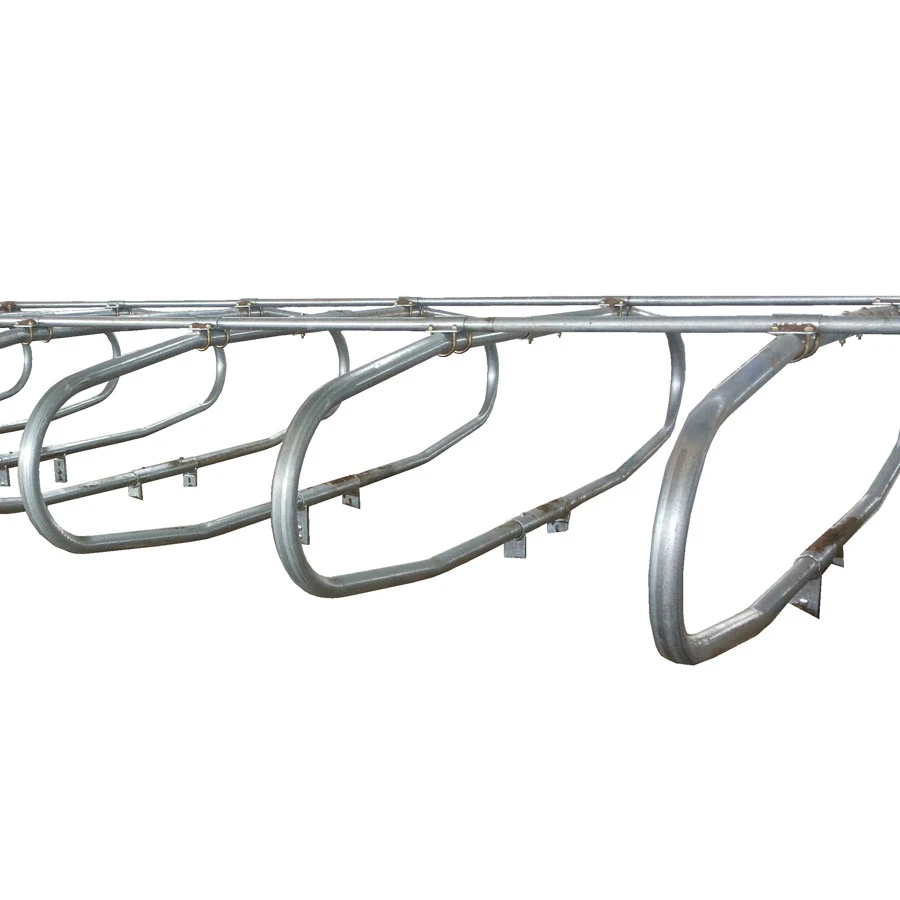
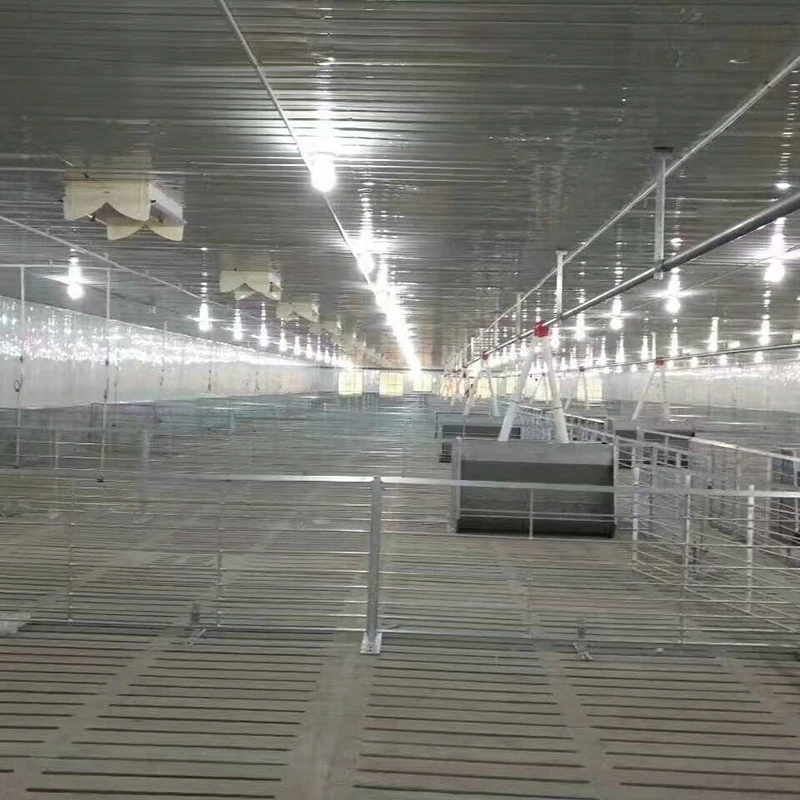
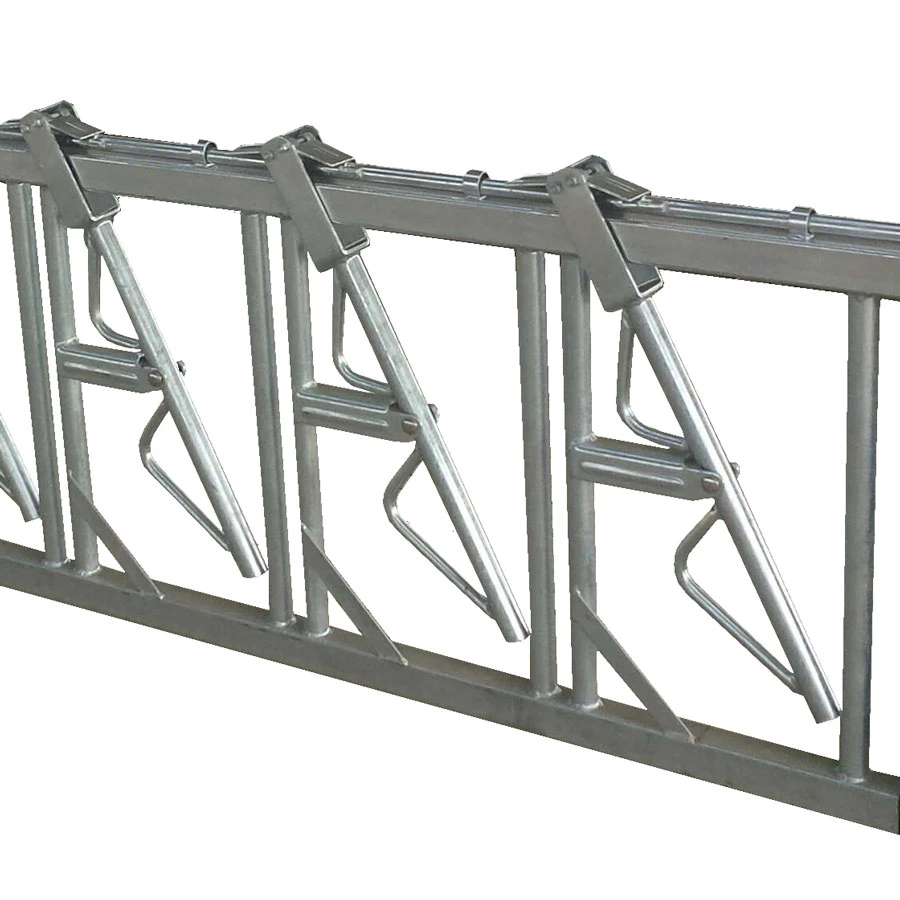
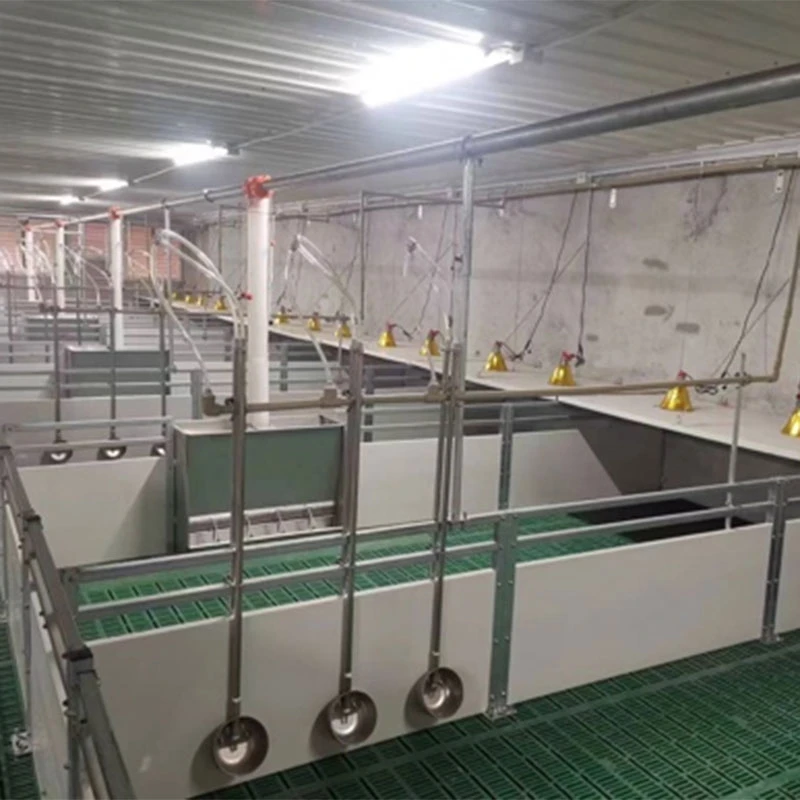
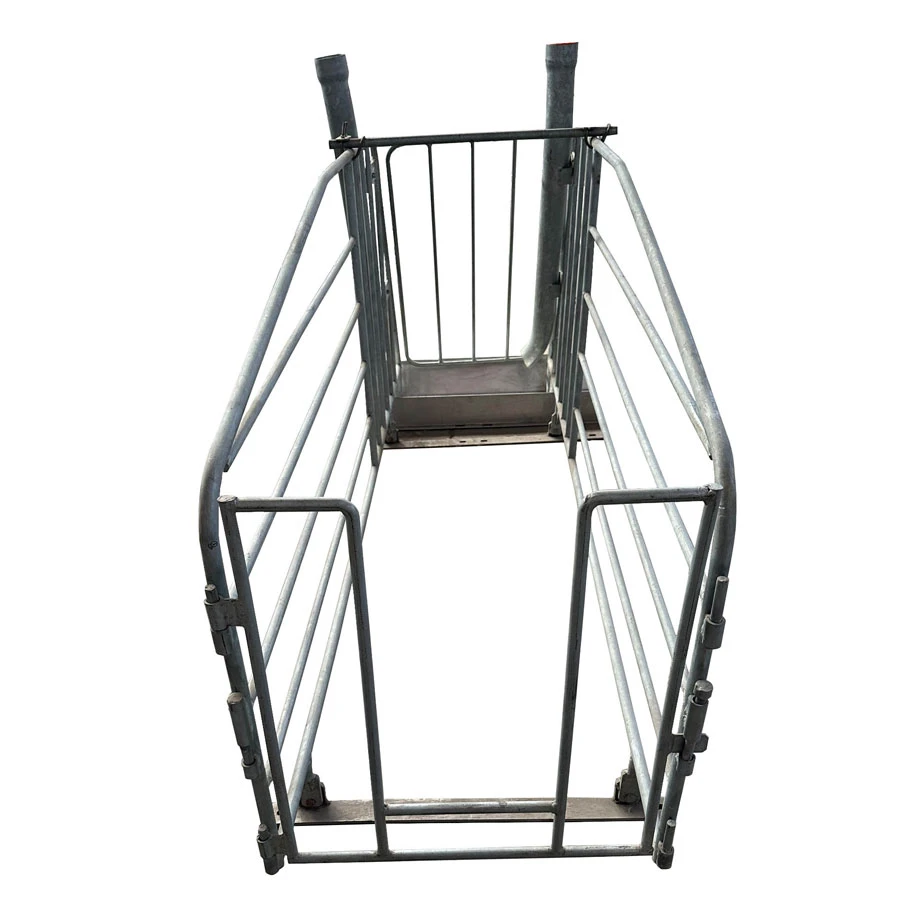
Today’s piggery fences range from traditional wooden rails or woven wire to modern galvanized steel grids or electric fences. They help define farm boundaries, segregate pigs by age or herd, prevent cross-contamination between different livestock groups, and protect neighboring crops or settlements.
In modern agriculture and humanitarian contexts—like post-disaster rebuilding or rural development programs—effective piggery fencing can be a cornerstone for rebuilding food systems, encouraging smallholder resilience, and promoting safer animal husbandry.
Core Components of a Quality Piggery Fence
1. Durability
Given pigs’ strength (they can gnaw, push, and root under fences), materials must withstand constant wear and tear. Many farms prefer galvanized steel or chain-link fences because they resist rust and physical damage better than untreated wood or flimsy wire.
2. Scalability
A good piggery fence system adapts easily to different farm sizes, from a few dozen animals in a backyard operation to thousands in industrial setups. Modular panels or sectional fencing systems simplify expansions or reconfigurations.
3. Cost Efficiency
Balancing upfront investments with lifespan and maintenance costs is crucial. While robust metal fences cost more initially, they often pay off by reducing repairs. In lower-income rural areas, alternatives like bamboo or locally sourced materials may be combined with wire mesh to optimize budget.
4. Biosecurity
By physically segregating pigs, fences reduce the risk of disease spread—essential in fighting outbreaks like African swine fever, which devastated herds worldwide. Some systems integrate footbaths and controlled entry points to elevate biosecurity.
5. Animal Welfare
Properly designed fences facilitate natural behaviors, reduce stress, and prevent injury. Some fences even incorporate electric wires spaced safely to gently deter escapes without harsh punishment.
Mini Takeaway:
Choosing or designing a piggery fence isn’t just slapping up barriers. It’s an intricate balance of strength, cost, flexibility, health, and animal care—all with real-world impact.
Where You’ll Find Piggery Fences Working Hard
In Asia’s rapidly urbanizing countryside, pig farms are densely packed. Countries like Vietnam, China, and the Philippines rely on piggery fences to maintain herd integrity amid land scarcity.
In Africa, NGOs and development projects often provide modular piggery fencing kits to smallholders post-crisis, such as after droughts or floods. This helps restart livelihoods quickly while preventing disease and managing waste.
Large commercial farms in the US and Europe use high-tech materials combined with fence sensors and automation to monitor breaches or animal movement — though the core principle remains the same.
- In remote mountainous zones, fencing prevents pigs from damaging forests or crops.
- In peri-urban areas, fences stop pigs from scavenging in communities, reducing zoonotic risks.
The Real Benefits: Why Investing in Piggery Fencing Pays Off
- Cost Savings: Less frequent animal replacement and fewer farm escapes translate directly to saved money.
- Environmental Impact: Controlled pig movements minimize soil erosion and water contamination.
- Social Stability: Preventing pigs from roaming reduces crop losses and neighbor conflicts.
- Animal Health: Improved biosecurity diminishes disease outbreaks, which in turn supports farm profitability.
- Peace of Mind: Farmers sleep better knowing their investments and animals are protected.
There’s a surprisingly emotional side, too. Farmers often talk about “trusting the fence” — that feeling a well-made fence gives you confidence your animals are safe and content.
A Quick Look at Piggery Fence Specifications
| Specification | Typical Range | Notes |
|---|---|---|
| Material | Galvanized steel, chain link, woven wire, bamboo | Depends on budget and durability needs |
| Height | 1.2m to 2m | Higher height deters escapes |
| Panel Width | 2m – 3m | Modular panels improve scalability |
| Wire Thickness | 2.5mm – 4mm | Thicker wire = more durability |
| Electrical Integration | Optional | Gentle deterrence without injury |
Comparing Leading Piggery Fence Vendors
| Vendor | Materials Offered | Price Range (per m) | Additional Features |
|---|---|---|---|
| PigSafe Solutions | Galvanized steel, electric | $10–$15 | Sensor integration, modular panels |
| RuralFarm Supplies | Woven wire, bamboo combo | $4–$8 | Budget-friendly, eco materials |
| AgroTech Fencing | Chain-link steel | $12–$18 | Heavy duty, with warranty |
Looking Ahead: What’s Next for Piggery Fencing?
Innovation doesn’t stop at what’s on the shelf. Many industry watchers foresee expansions into automated monitoring and AI-powered containment — think fence-mounted cameras triggering alerts the moment pigs get restless near boundaries.
On the sustainability front, developments in bioplastics and recycled metal aim to reduce fencing's carbon footprint, aligning with broader agricultural ESG goals. Also, solar-powered electric fences are gaining buzz in off-grid regions.
Policy-wise, some governments are starting to incentivize upgrades to more secure, humane fencing as part of national biosecurity strategies — particularly to tackle threats like swine fevers.
Common Challenges and How to Tackle Them
Fence maintenance can be a chore. Rust, weather damage, and pig wear-and-tear add up — costing time and money. Rural farmers often struggle with replacing parts or procuring quality materials.
The solution? Modular fencing kits and community training programs make a big difference. NGOs and suppliers are collaborating to supply replacement parts and practical repair guides. There’s also a trend toward hybrid fences that combine strength with easy upkeep.
Frequently Asked Questions About Piggery Fence
1. What type of fencing is best for preventing pigs from escaping?
Durable, medium-height galvanized steel fences with embedded electric wires are often most effective. They deter pigs gently without causing injury and stand up to rooting behavior. However, choice varies depending on farm size and regional constraints.
2. How often should a piggery fence be inspected?
Frequent inspections—at least once weekly—are recommended to check for damage or weak points. Storms, animal activity, and wear can quickly degrade fencing safety if overlooked.
3. Can piggery fences also aid in disease control?
Absolutely. Fences reduce animal mixing and roaming, limiting disease transmission. When combined with biosecurity protocols, they become a key line of defense against outbreaks.
4. Are electric fences safe for pigs?
When properly installed and maintained, electric fences use low-voltage pulses that deter without harming pigs. They are widely accepted for animal welfare and effective containment.
5. Is it possible to customize piggery fences to fit smallholder farms?
Yes! Many vendors now provide modular fencing panels and options for biodegradable or locally sourced materials tailored to smaller scale farms and budgets.
Conclusion: Why You Should Invest in a Quality Piggery Fence Today
To circle back — the humble piggery fence has a deeper role than simply enclosing animals. It protects livelihoods, promotes health, and encourages sustainable farming practices globally. With ongoing innovations and increasing industry recognition, investing in a robust fencing solution is both a smart and responsible move.
Curious about upgrading your farm’s protective systems? Visit piggery fence solutions and discover tailored products designed with your needs in mind.
References:
Post time: Dec . 02, 2025