Understanding Piggery Flooring: Why It Matters Across the Globe
When you first hear the term piggery flooring, you might imagine just another industrial surface. But this unassuming component plays a pivotal role in global food security, animal welfare, and environmental sustainability. It’s not just about sticking pigs on concrete—it’s about creating a solid foundation that supports healthy livestock, efficient farm management, and sustainable agriculture worldwide.
The world’s demand for pork is growing steadily—FAO data suggests a global rise over 20% in the last decade alone—meaning pig farming methods must evolve. Piggery flooring is one of those unsung heroes, addressing crucial challenges like hygiene, durability, and comfort. Understanding this means healthier animals, lower disease rates, and a more efficient industry—and that’s something both small family farms and large agribusinesses have a stake in.
Piggery Flooring in the Global Industry Context
To appreciate the importance of piggery flooring, consider that pig farming is a $200 billion industry globally, with Asia, Europe, and parts of the Americas leading production. However, managing waste, disease control, and animal comfort remain critical challenges. The International Organization for Standardization (ISO) recommends certain materials and designs to maximize hygiene and durability, influencing piggery flooring innovations globally.
Yet, many regions, especially developing countries, grapple with substandard flooring that jeopardizes animal wellbeing and productivity. Frankly, the lack of proper flooring contributes to higher infection rates and environmental pollution from manure runoff.
Improving piggery flooring translates directly into better environmental control, reduced antibiotic use, and improved meat quality. That’s why organizations like the UN Food and Agriculture Organization emphasize best practices in pig farming infrastructures, including flooring systems.
What Exactly Is Piggery Flooring?
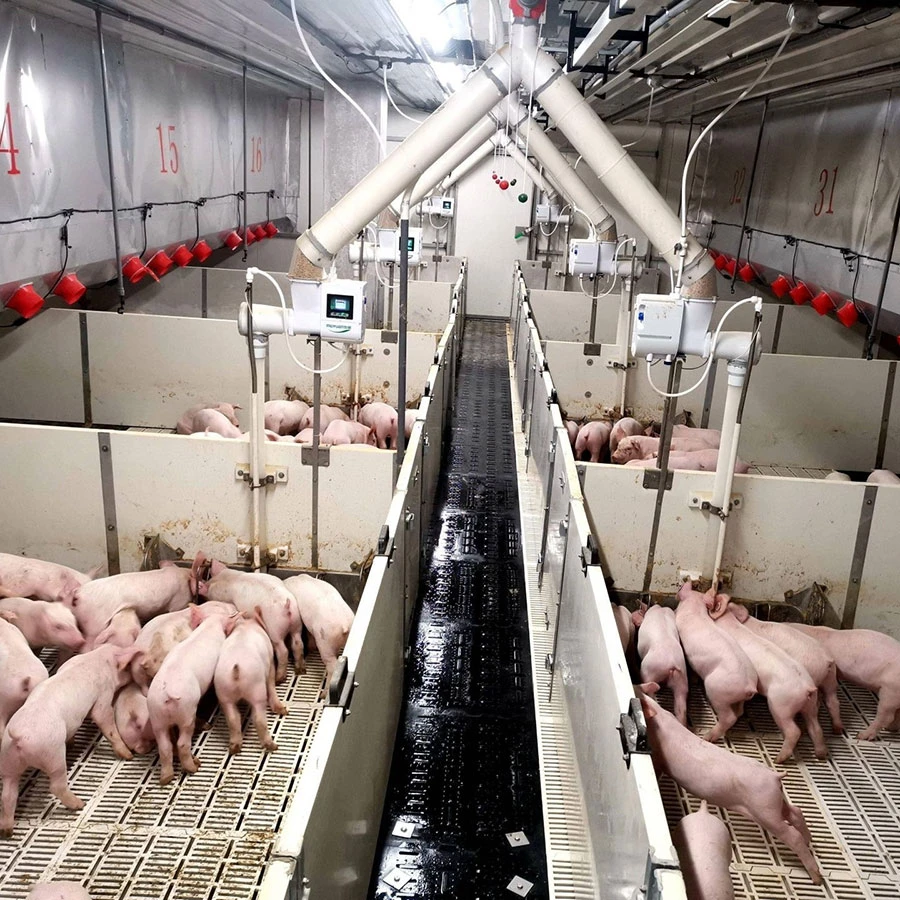
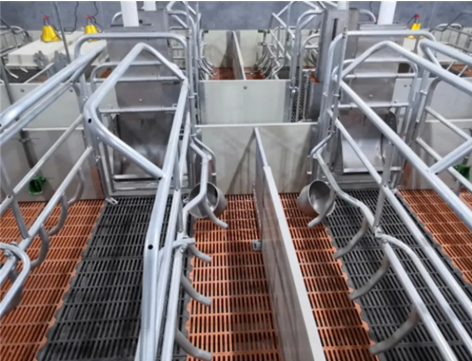
Simply put, piggery flooring is the surface on which pigs live, walk, eat, and rest inside a piggery (pig farm building). But more than a flat surface, it’s a carefully engineered structure designed to withstand heavy use, facilitate waste drainage, improve hygiene, and provide comfort.
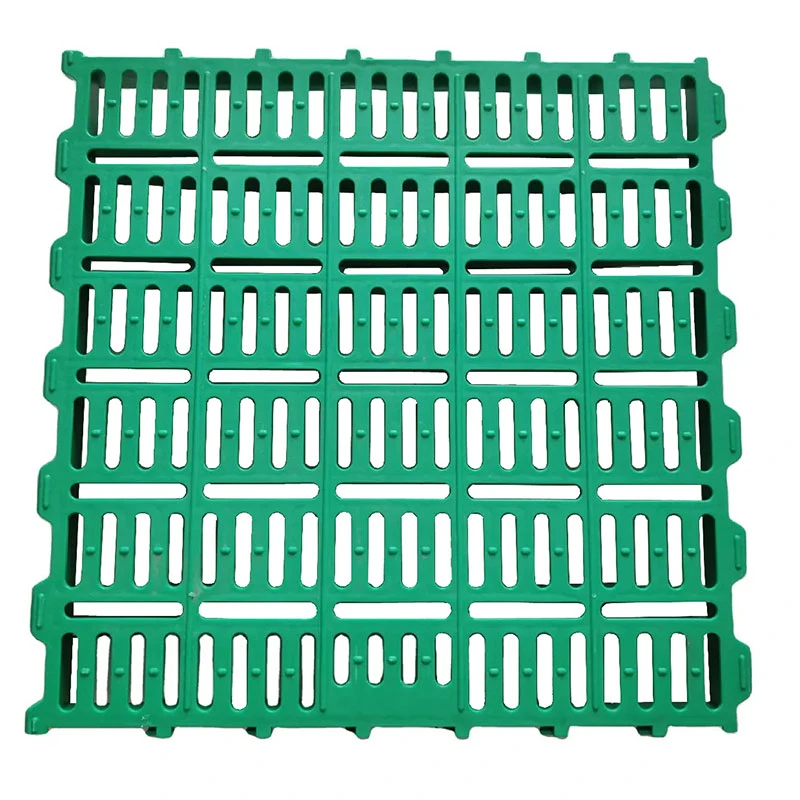
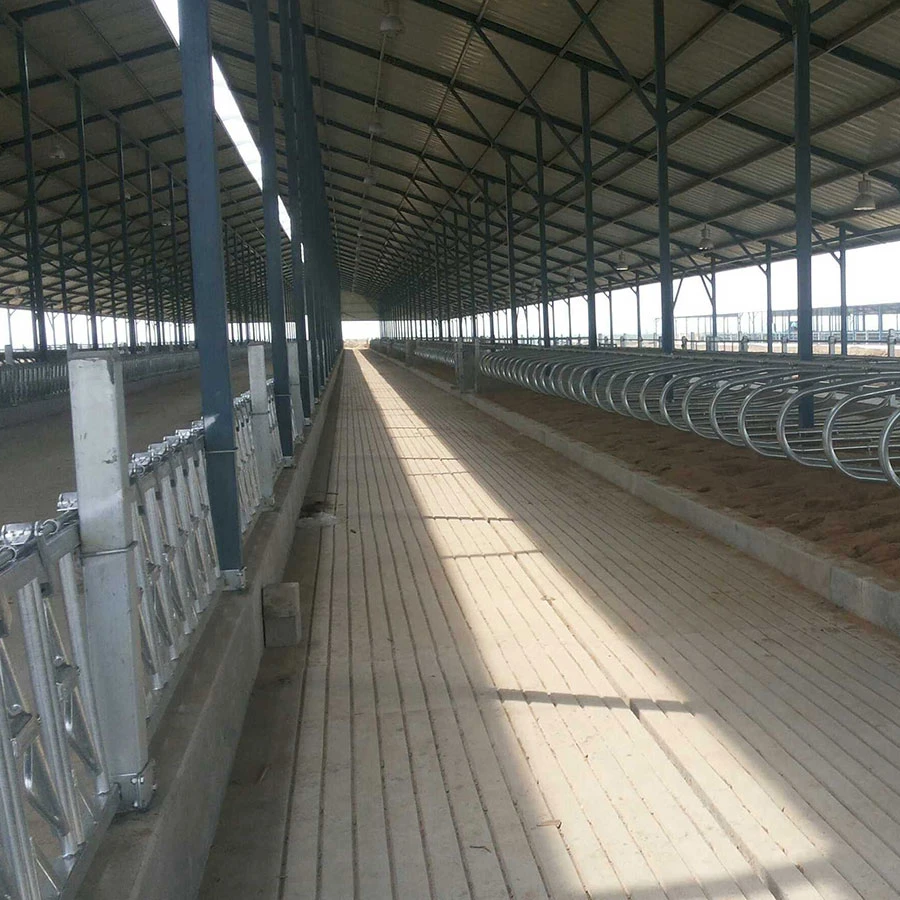
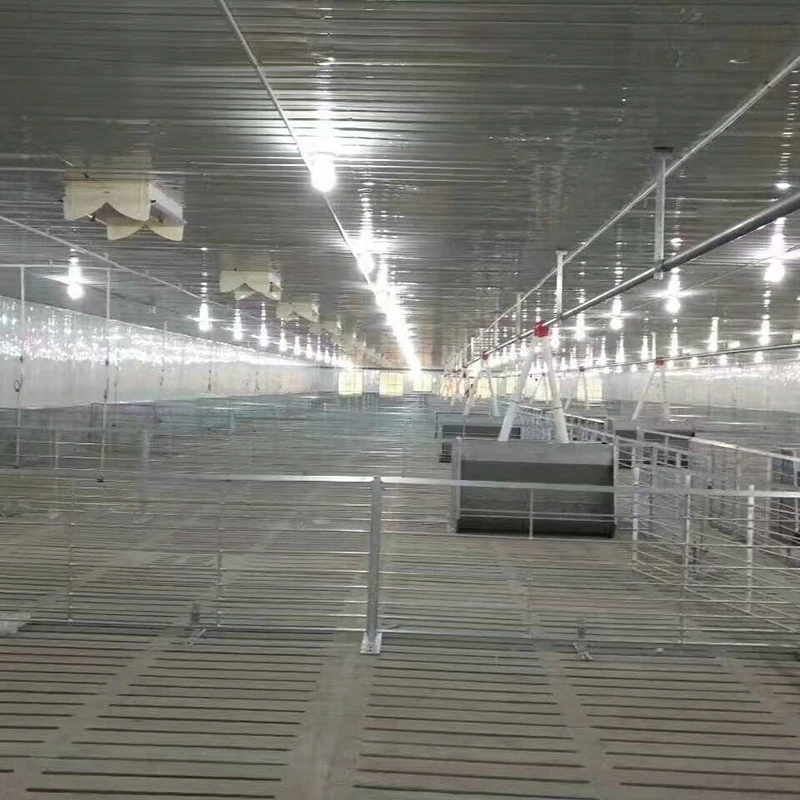
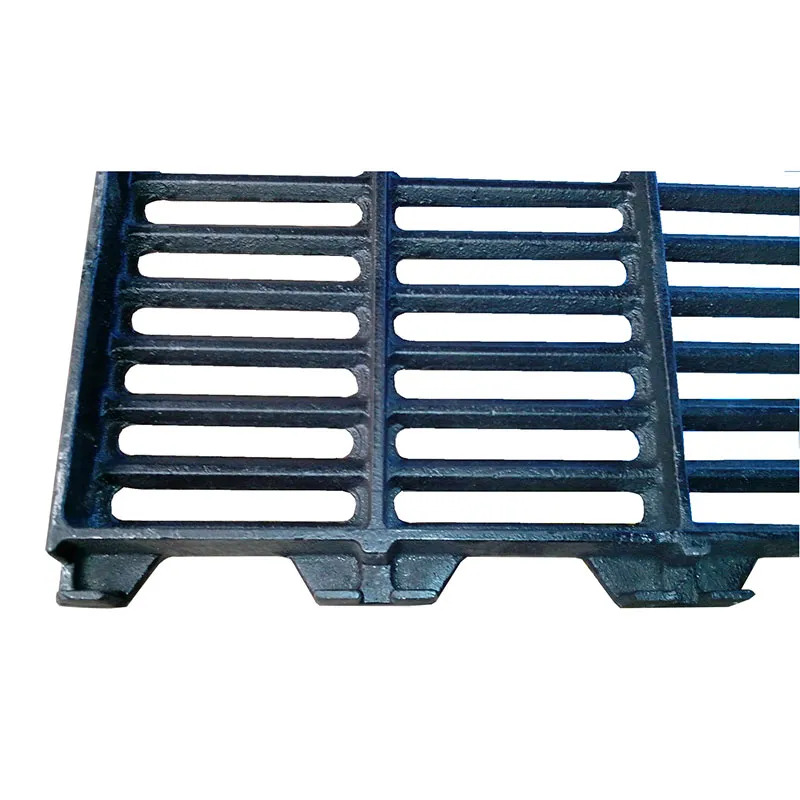
Modern piggery floors often include slatted designs that allow waste to fall through to manure collection systems, minimizing contact with harmful bacteria. The choice of materials—like reinforced concrete, composite plastics, or rubberized finishes—also impacts durability and animal welfare.
Ultimately, good piggery flooring balances structural strength, animal comfort, and maintenance needs while aligning with evolving industry regulations.
Core Components of Effective Piggery Flooring
1. Durability
Durability is paramount. Roughly, a floor in a piggery must endure constant impact from heavy animals and corrosive waste. Many manufacturers prefer reinforced concrete with additives or polymer coatings to resist cracking and wear over 10–15 years.
2. Hygiene & Drainage
Good flooring allows manure and urine to drain efficiently. Slatted floors or perforated surfaces prevent waste buildup, reducing disease transmission and labor costs.
3. Comfort & Safety
Pigs need footing that reduces stress and injury. Surfaces that are non-slip and have some elasticity minimize leg injuries and encourage natural behaviors.
4. Cost Efficiency
Farmers balance upfront costs with long-term savings in maintenance and animal productivity. Modular or precast flooring options can lower installation time and labor expenses.
5. Environmental Compatibility
Materials should be eco-friendly and easy to clean, minimizing chemical use and pollutant runoff. This is especially critical in strict regulatory environments.
6. Scalability & Adaptability
Flooring systems must accommodate farm size and layout changes. Modular designs or adjustable slat spacing help farms grow or repurpose facilities without major overhauls.
Specifications of a Standard Piggery Flooring System
| Feature | Specification | Benefit |
|---|---|---|
| Material | Reinforced concrete with epoxy sealant | High durability and easy cleaning |
| Floor Type | Slatted (12mm gap) | Efficient waste drainage |
| Surface Texture | Textured, non-slip finish | Animal safety & comfort |
| Load Capacity | Up to 800 kg/m² | Withstands heavy animal weight |
| Maintenance Cycle | Annual inspection and cleaning | Longevity and hygiene assurance |
How Piggery Flooring Supports Farms Worldwide
The places where piggery flooring matters most are diverse—from massive commercial farms in Europe and Asia to family-owned operations in Latin America and Africa. For example, in Southeast Asia, piggery flooring upgrades have helped reduce disease outbreaks by 30%, according to local veterinary reports.
In post-disaster zones like after typhoons, quick-install modular piggery floors help rebuild livestock facilities swiftly, supporting agricultural livelihoods. Meanwhile, remote industrial zones in Canada use insulated, easily cleaned floors to maintain animal health during harsh winters.
Even NGOs working to improve smallholder pig farms in Sub-Saharan Africa emphasize flooring as a cost-effective intervention to boost productivity and animal welfare simultaneously.
Comparing Popular Piggery Flooring Vendors
| Vendor | Material Options | Installation Time | Warranty | Price Range |
|---|---|---|---|---|
| FloorTech | Concrete, Composite | 2-3 days/100 sqm | 10 years | $$ |
| AgriFloor | Modular Plastic Slats | 1-2 days/100 sqm | 7 years | $$$ |
| EcoPig Floors | Recycled Rubber & Concrete Hybrid | 3-4 days/100 sqm | 12 years | $$$ |
The Long-Term Value of Piggery Flooring
Let’s face it — investing in quality piggery flooring feels a bit like a silent pledge. It’s about trust in an infrastructure you don’t see once it’s in place, but which quietly reduces sick days, prevents injuries, and keeps barns running smoothly. Emotionally, it reflects dignity for an often-overlooked sector of farming, and logically, it’s a cost-saving move that pays dividends in the long run.
From lowering antibiotic use to enabling more sustainable manure management systems, good flooring contributes to better animal welfare and a smaller environmental footprint. And yes, that ripple effect reaches communities reliant on pig farming, promoting food security and economic stability.
Looking Ahead: Future Trends in Piggery Flooring
The future looks promising. We’re seeing more green materials – bio-based composites and recycled components replace traditional concrete. Digital technologies like sensors embedded under floors for humidity and temperature monitoring offer precision farm management.
Automation trends include conveyor waste removal systems integrated into slatted floors. Plus, there’s growing emphasis on designs that align with carbon-neutral farming goals by improving manure capture and preventing nutrient runoff.
Policies promoting sustainability and animal welfare—sometimes mandated by governments or international bodies—are pushing the boundaries of piggery flooring design and materials.
Common Challenges & How Experts Are Addressing Them
Despite advances, challenges persist. Installation costs can be high for small farms. Some flooring materials may degrade faster than expected under extreme climates. Slats too wide or narrow can affect waste flow or animal comfort.
Experts recommend tailoring solutions to climate, herd size, and waste system type. Pre-fabricated kits reduce complexity, and maintenance training helps prolong flooring life. Importantly, involving farmers in design decisions leads to better adoption and satisfaction.
Frankly, balancing cost, welfare, and sustainability is a tough equation—but the right flooring system can tip that balance favorably.
Frequently Asked Questions About Piggery Flooring
1. What type of flooring is best for preventing pig injuries?
Non-slip, slightly textured surfaces with moderate elasticity (like rubber-coated concrete or textured slats) provide good grip without discomfort. Avoiding sharp edges and overly wide slats prevents leg or hoof injuries.
2. How often should piggery floors be cleaned or maintained?
Routine daily cleaning is essential to remove waste, with more thorough washing and inspection at least once a week. Regular maintenance helps prevent cracks and buildup that can harbor bacteria.
3. Are modular flooring systems cost-effective for small farms?
Yes, modular systems reduce installation time and can be scaled to farm size, saving on labor. They also facilitate easier repairs or expansion, making them a practical choice for smaller operations.
4. Can piggery flooring impact environmental compliance?
Absolutely. Flooring design affects manure management efficiency and runoff control. Proper flooring reduces pollutant leakage, helping farms meet local environmental regulations and reduce their carbon footprint.
5. Is it possible to retrofit existing piggeries with modern flooring?
In many cases, yes. Modular precast floors or overlays can be installed over existing surfaces to upgrade drainage and hygiene without full reconstruction.
Final Thoughts and Next Steps
When you peel back the layers, piggery flooring is undoubtedly more than just a construction detail. It’s a linchpin for a thriving pig farming operation, with global implications that ripple into food safety, sustainability, and rural livelihoods. Whether upgrading your current piggery or planning new facilities, focusing on flooring quality pays off scientifically, economically, and ethically.
Curious to explore top-notch options or need custom advice? Check out piggery flooring solutions by industry leaders. They simplify choices with smart designs proven across continents.
Post time: Dec . 02, 2025