Understanding Plastic Matting for Piggery: A Global Perspective
At first glance, "plastic matting for piggery" might sound like niche jargon, but its relevance stretches beyond barnyards and farmlands. With global pork consumption hovering around 120 million metric tons annually (Wikipedia: Pig farming), piggery facilities face mounting challenges in hygiene, animal welfare, and environmental sustainability. Plastic matting emerges as a simple yet transformative solution—boosting productivity, protecting livestock health, and reducing maintenance costs across the meat industry worldwide.
Why does this matter on a global scale? Well, pig farming isn't just a livelihood for millions—it’s a key pillar in rural economies and food security, especially in Asia and Europe. But traditional flooring can cause injuries, harbor bacteria, and lead to waste management headaches. That’s where quality plastic matting steps in. It’s a smart innovation turning logistics, hygiene, and animal comfort from complicated and costly into manageable and efficient.
Here’s the scoop: understanding plastic matting for piggery means appreciating how a seemingly modest product fits into the bigger picture of sustainable livestock farming, animal welfare, and even global food supply chains.
The Global Landscape: Why Plastic Matting Matters Now More Than Ever
Pig farming is a multi-billion-dollar industry, producing meat for billions of people. According to FAO data, nearly 60% of pork production happens in Asia, followed by Europe and the Americas. Yet, global producers wrestle with problems originating at the pigsty level: poor flooring can cause hoof infections, joint issues, and stress, ultimately affecting growth rates and product quality.
Compounding the challenge, stricter hygiene regulations and consumer demands for animal-friendly farming practices are pushing producers to rethink traditional concrete or dirt floors. Plastic matting has surfaced as a cost-effective, hygienic flooring alternative that can be easily cleaned, replaced, and tailored to different pig housing systems.
In practical terms, this means fewer veterinary bills, less manual labor, and better growth performance—three winning factors for farm managers aiming to stay competitive in a tightly contested market. Plus, with the rise of precision livestock farming, aligning infrastructure like flooring with animal welfare and biosecurity goals has become essential.
Defining Plastic Matting for Piggery: What Exactly Is It?
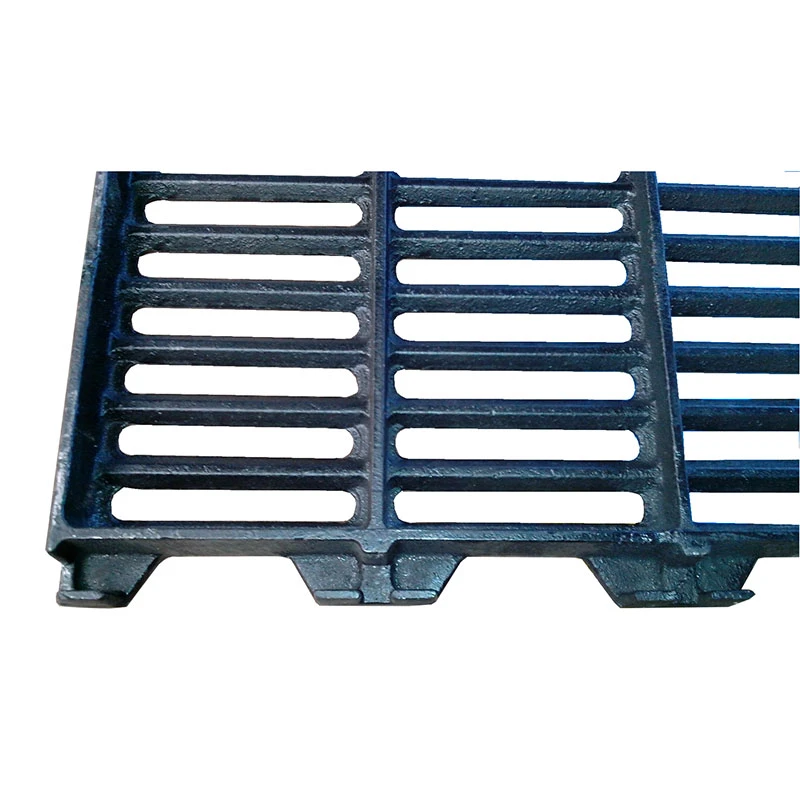
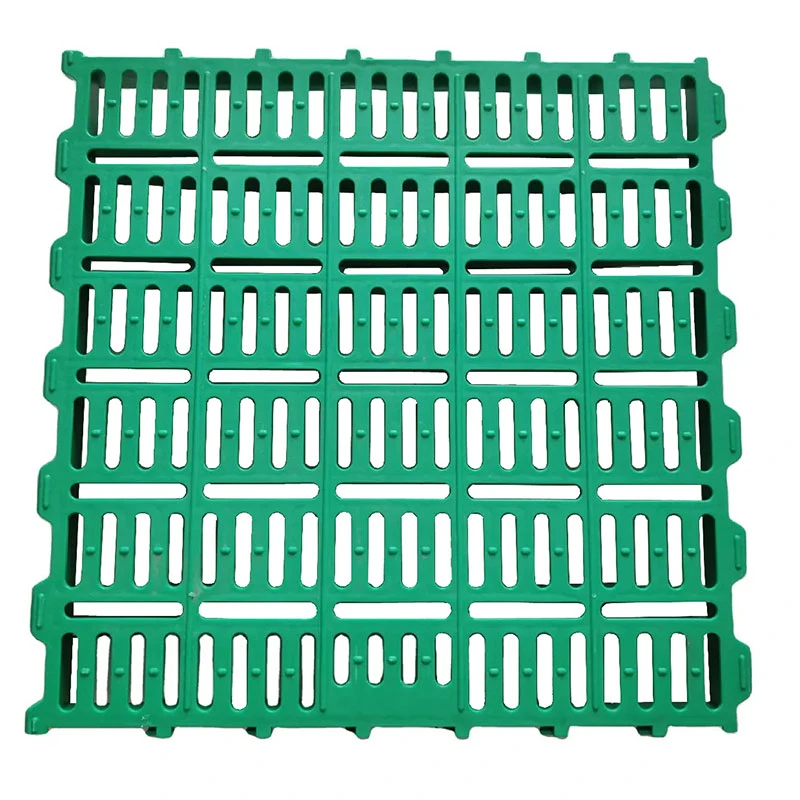
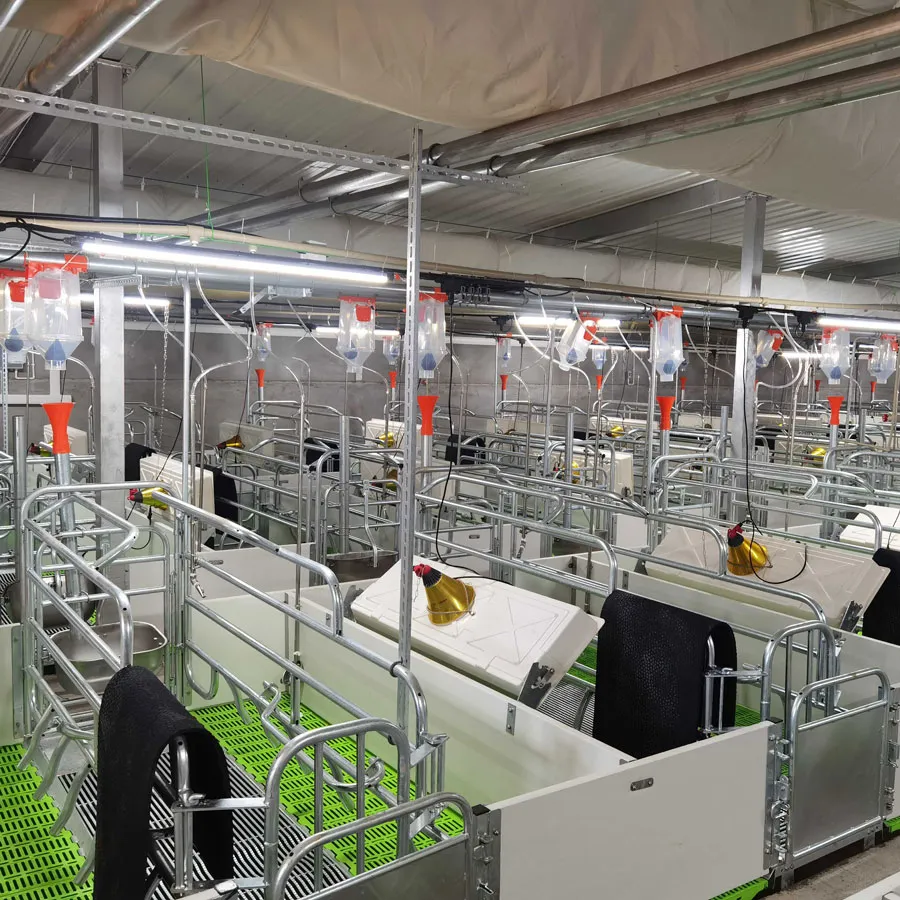
Plastic matting for piggery refers to modular, interlocking plastic floor panels specifically designed as pig housing flooring. Usually made from high-density polyethylene (HDPE), polypropylene, or similar durable polymers, these mats offer slip resistance, drainage capabilities, and durability under heavy animal traffic.
The design typically includes slotted or perforated surfaces allowing urine and manure to pass through, keeping pigs drier and reducing ammonia build-up—which itself has known respiratory and environmental hazards. Manufacturers engineer these mats to withstand aggressive cleaning agents and daily wear, making them a practical alternative to concrete or wooden slatted floors.
In modern pig farming, these mats aren't just flooring products; they’re integral to biosecurity plans and animal welfare protocols, especially in commercial systems striving for precision and sustainability.
Key Features of Plastic Matting for Piggery
Durability and Load Capacity
Pig flooring needs to support heavy animals continuously without deforming or cracking. Many plastic mats boast a weight tolerance of up to 1500 kg per square meter, with shock and abrasion resistance that matches or exceeds traditional materials.
Drainage and Hygiene
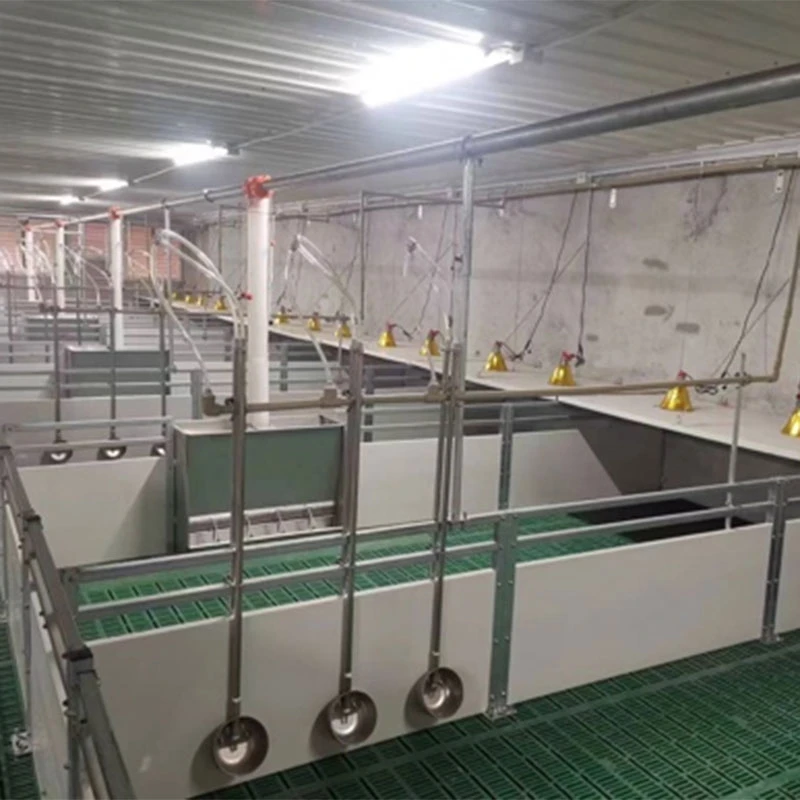
The slotted design allows waste to fall through to collection pits or slurry channels, keeping the pigs’ feet dry and minimizing pathogenic bacteria build-up. This drainage also reduces the frequency and intensity of cleaning cycles.
Comfort and Anti-Slip Surface
Plastic matting often features raised textures or ribbed patterns to prevent slips and falls—a common cause of injuries. Comfortable footing leads to calmer pigs, which can reduce stress-related behaviors and improve weight gain.
Easy Installation & Maintenance
Modular panels with interlocking edges make installation straightforward and flexible. If a panel becomes damaged, it can be replaced without overhauling the entire flooring system—saving time and money.
Cost Efficiency and Longevity
While the initial investment may exceed bare concrete floors, plastic mats save money over time by reducing veterinary bills, labor, and repair costs. Many last upwards of 8-10 years with proper maintenance.
Environmental Impact
Some manufacturers now produce mats with recycled plastics or recyclable designs, aligning with broader sustainability goals in agriculture.
Real-World Applications of Plastic Matting for Piggery
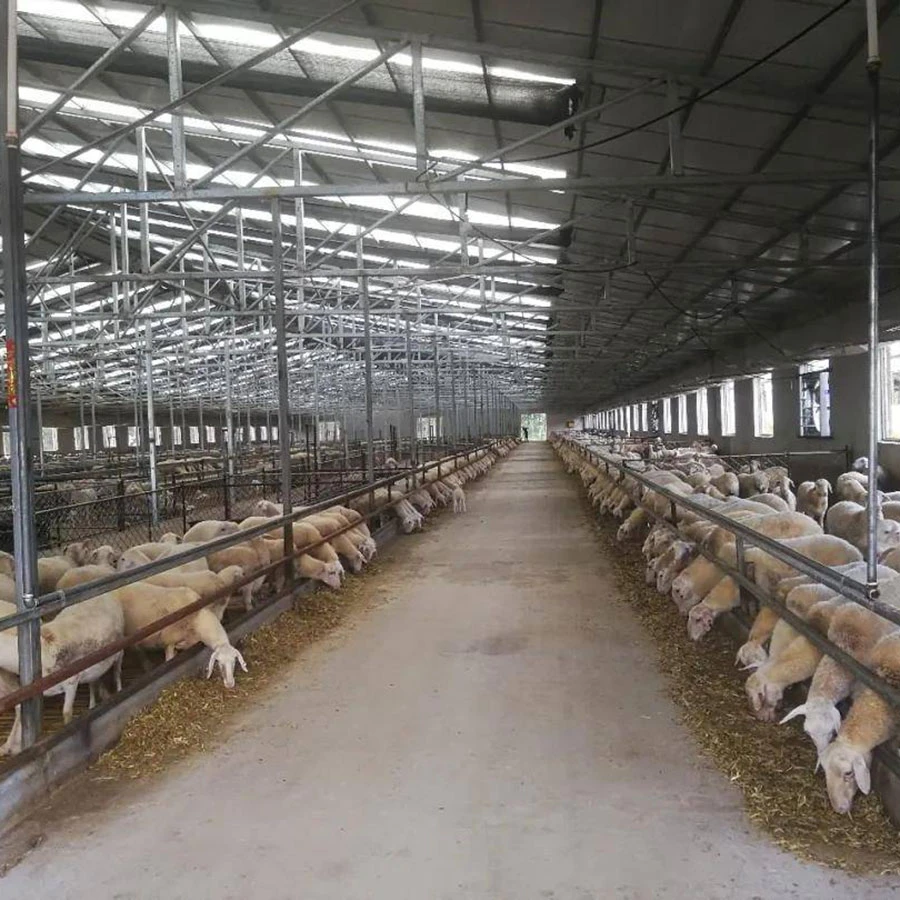
From family-owned farms in Denmark to industrial pig units in China, plastic matting is increasingly becoming the go-to flooring solution:
- Europe: In regulated markets like Germany and the Netherlands, plastic matting supports adherence to strict animal welfare regulations while optimizing manure management.
- Asia: Rapidly growing pig farms in Vietnam and China use plastic flooring to boost biosecurity in areas prone to swine diseases.
- Disaster Relief and Remote Farming: Remarkably, NGOs working in post-flood zones or arid regions have adopted portable plastic mats to rebuild decent animal housing quickly.
- Research Farms and Universities: They use these mats in controlled environments for studies on pig behavior and disease control.
For those interested, here's a helpful product specification table summarizing typical features:
| Specification | Typical Value | Notes |
|---|---|---|
| Material | HDPE / Polypropylene | UV & chemical resistant |
| Panel Size | 600 x 600 mm | Modular and interlocking |
| Weight Capacity | Up to 1500 kg/m² | Handles adult pigs easily |
| Surface Texture | Ribbed / Perforated | Anti-slip and drainage |
| Maintenance | Washable w/ pressure cleaners | Easy cleaning |
Comparing Leading Plastic Matting Vendors
Choosing a supplier can be tricky. Here's a quick vendor comparison to help:
| Vendor | Material Quality | Customization | Price Range | Delivery Regions |
|---|---|---|---|---|
| PigMat Tech | High-grade HDPE | Standard panels + custom sizes | $$$ | Europe, Asia |
| FarmFloor Solutions | Polypropylene mix + recycled options | Modular only, limited colors | $$ | Global, incl. Africa |
| AgriMat Corp | UV-stabilized HDPE | Custom shapes & color coding | $$$ | North America, Europe |
Why Invest in Plastic Matting for Piggery? Advantages & Long-Term Value
Here’s the thing: proper flooring improves animal health almost immediately, which means better weight gain, higher survival rates, and ultimately greater profitability. You also get:
- Healthier pigs: Reduced risk of foot lesions, infections, and stress.
- Easier waste management: Slotted surfaces allow waste to fall away, keeping the living area cleaner.
- Reduced labor: Easier cleaning routines free up valuable time.
- Cost savings over time: Durable mats last years, cutting down replacement and veterinary costs.
- Enhanced welfare compliance: Meets or exceeds many animal welfare standards worldwide.
- Environmental benefits: Some mats use recycled materials, plus better waste drainage can cut harmful gas emissions.
We often forget the emotional side of animal care, but farmers tell me over and over: providing clean, comfortable, and safe conditions feels “like treating your animals right” — and that sense of doing good adds intangible value to farms and brands.
Innovations & Future Trends in Plastic Matting for Piggery
The future is bright and a bit techy. Manufacturers are experimenting with:
- Eco-friendly materials: Incorporation of biodegradable plastics or higher recycled content to align with circular economy goals.
- Smart flooring: Embedded sensors to track pig movement and health parameters, integrating with smart farm management systems.
- Improved modular designs: Tools for rapid replacement and adaptation as herd sizes fluctuate.
- Automation compatibility: Mats designed to work seamlessly with robotic cleaning and feeding systems.
Such trends position plastic matting not just as a floor cover, but a foundational element in precision, sustainable pig farming.
Addressing Challenges and Practical Solutions
No product is perfect. Plastic matting does face hurdles like:
- Initial cost barrier: Some farmers hesitate due to upfront expenses.
- Wear under extreme conditions: Heavy chemical exposure or improper installation can reduce lifespan.
- Disposal and recycling: End-of-life plastics still pose challenges environmentally.
- Compatibility: Not all pig breeds or farming systems benefit equally; custom solutions may be needed.
To overcome these, experts suggest:
- Seeking government subsidies or financing to ease initial investment.
- Using manufacturer installation services to ensure correct fitting.
- Partnering with recycling programs specializing in agricultural plastics.
- Choosing vendors offering adaptable mat designs tailored to farm scale and pig type.
FAQ: Common Questions About Plastic Matting for Piggery
Q1: How long does plastic matting typically last in a piggery?
A: Most high-quality plastic mats last between 8 to 10 years with proper care. Durability depends on usage intensity, cleaning practices, and exposure to chemicals. Regular inspections and maintenance extend their lifespan significantly.
Q2: Can plastic matting improve pig health compared to concrete floors?
A: Absolutely. Plastic mats reduce joint injuries and foot lesions by offering better cushioning and grip. Their drainage design also decreases wetness, limiting bacterial growth—key factors in healthier pigs.
Q3: Are plastic mats easy to clean and maintain?
A: Yes. Thanks to their modular design and smooth surfaces, they can be pressure washed quickly. Slotted panels allow waste to drain properly, reducing buildup and manual scrubbing.
Q4: Is plastic matting suitable for all types of pig housing systems?
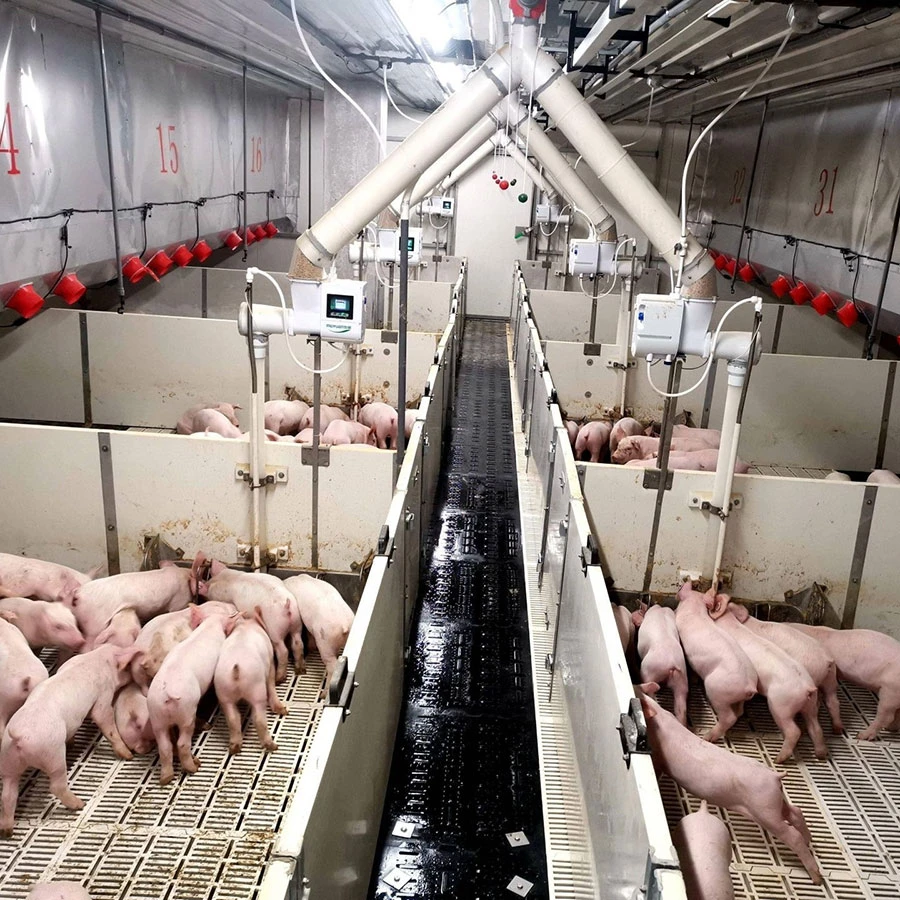
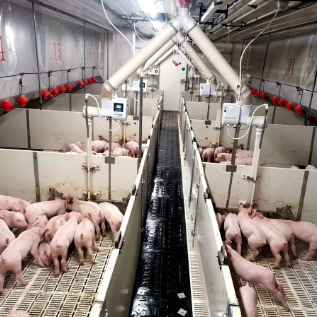
A: While versatile, plastic matting fits best in controlled environment pig houses—farrowing crates, nursery pens, or finishing barns. Extensive outdoor or pasture systems might require different flooring solutions.
Q5: How environmentally friendly is plastic matting?
A: Emerging options made with recycled or recyclable plastics improve the environmental profile. Further, the waste management benefits can lower the farm's overall environmental footprint. Still, end-of-life disposal needs attention and appropriate recycling channels.
Wrapping Up: Why Plastic Matting for Piggery Is a Smart Investment
Taking a step back, it’s fascinating how plastic matting for piggery transforms not just floors but entire farming practices. Healthier animals, streamlined cleaning, reduced environmental impact—these outcomes ripple outwards, benefiting producers, consumers, and ecosystems alike. It feels like a classic example of “small change, big effect,” which is precisely why it’s capturing global attention.
If you’re involved in piggery management or agricultural supply chains, diving deeper into plastic matting for piggery could truly reshape your operations for the better.
Visit our website to explore product options and expert advice: https://www.cxlivestock.com
References
Post time: Dec . 02, 2025