Understanding Pork Gestation Crates: Why They Matter in Modern Livestock Farming
Pork gestation crates may seem like a niche topic, but in reality, they sit at the crossroads of agriculture, animal welfare, global food security, and industrial innovation. Increasingly, both producers and consumers worldwide are paying attention to these specialized enclosures that confine pregnant sows. Why? Because “how we raise pigs” impacts everything from farm efficiency to ethical standards — and ultimately, what lands on our dinner plates.
Mastering the role and use of pork gestation crates offers key benefits: optimized animal health, safer handling procedures, improved farm profitability, and evolving compliance with welfare regulations. So let's dive into what these crates really are, why they’re so globally relevant, and why understanding them is crucial for those connected to livestock production today.
The Global Context: A Snapshot of Pork Gestation Crates in the Industry
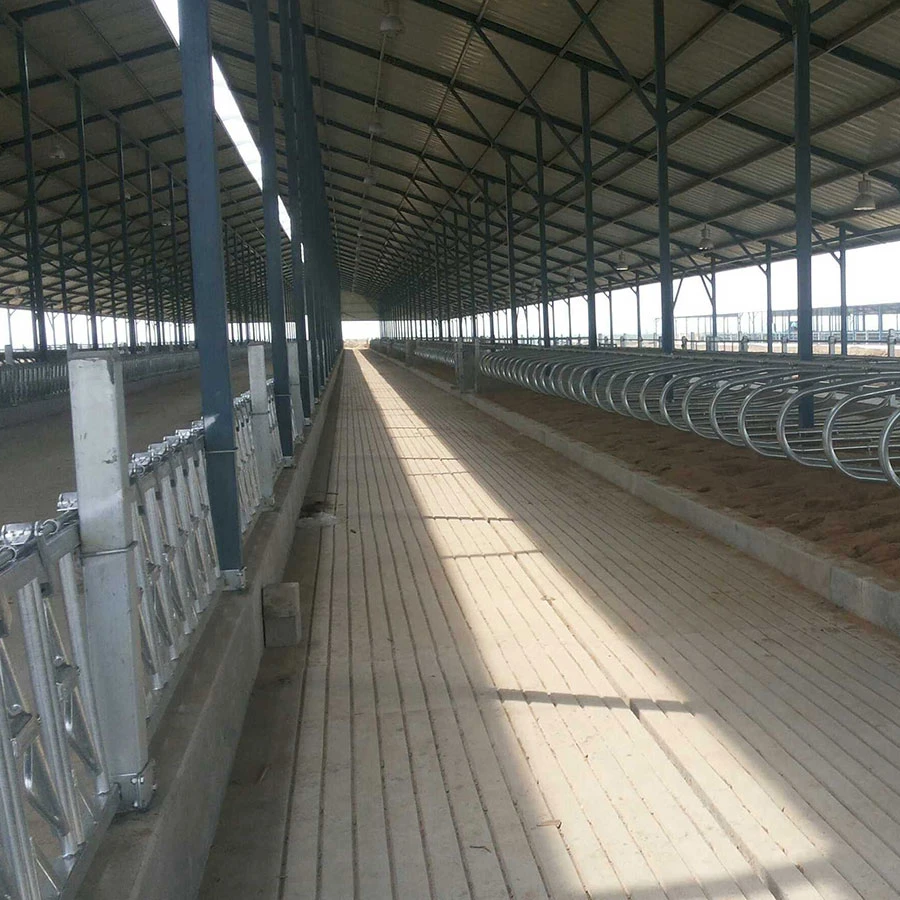
The global pork industry produced around 120 million tonnes of pork in 2023, with the majority coming from intensive farming systems that often rely on confinement tools like gestation crates. According to the Food and Agriculture Organization (FAO), over 60% of pork is raised in environments where gestation crates are commonplace, especially in regions with high demand and industrialized farming like China, Europe, and North America.
However, pork gestation crates have become controversial, prompting legislative bans or strict reforms in many countries, including EU members and parts of the US. The debate centers on animal welfare concerns balanced against farm management efficiencies. This tension is fueling innovation, new policies, and alternative housing solutions globally.
Quick takeaway: Pork gestation crates are a staple of industrial pig farming worldwide, even as social and regulatory pressures reshape their use and design.
What Exactly Are Pork Gestation Crates?
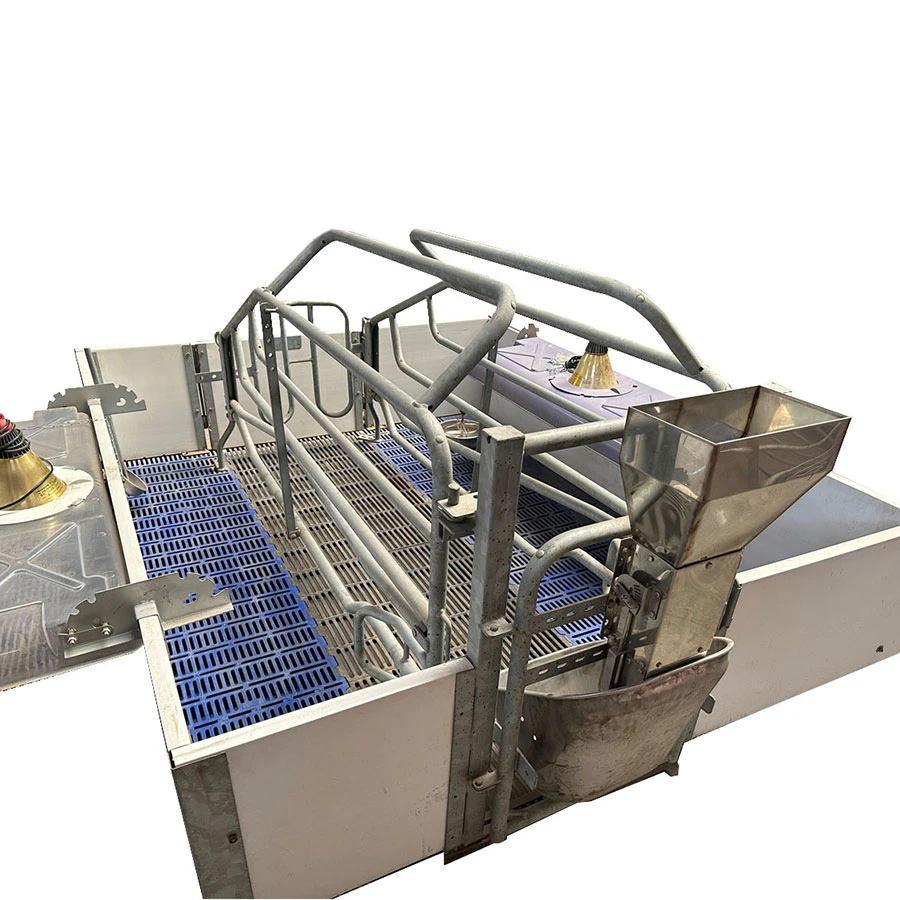
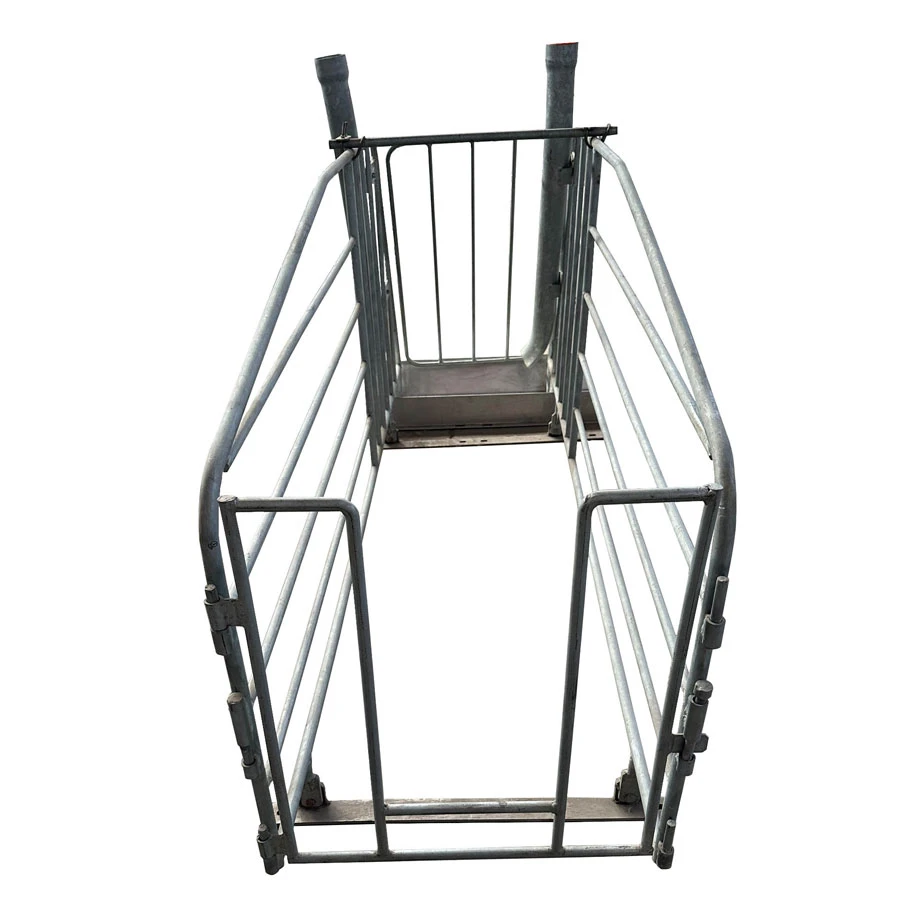
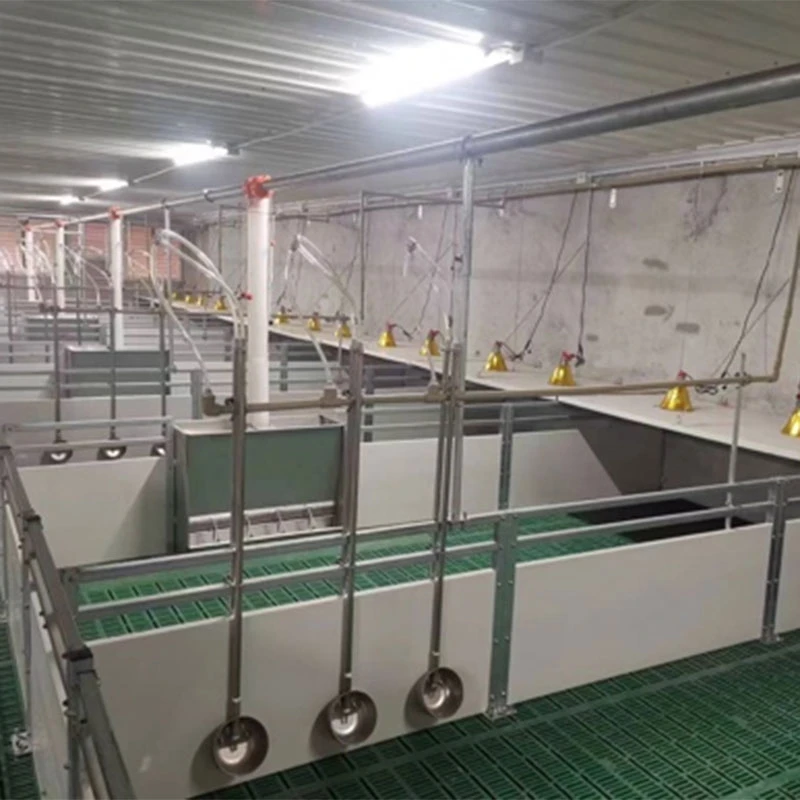
Simply put, pork gestation crates—sometimes called sow stalls—are metal enclosures designed to house pregnant sows during their 3 to 4 months of gestation. Each crate typically restricts a sow’s movement, allowing enough space to stand and lie down but preventing turning around. This setup helps farms control feeding, reduce aggression between animals, and monitor individual sow health effectively.
While the term “crate” might conjure up images of cramped quarters, the design intent is rooted in animal safety and practical management for large-scale operations. It’s a solution born from modern agricultural demands to balance scale, hygiene, and traceability in pork production.
How They Connect to Today’s Farming Needs
- Efficient feeding and health monitoring: Easy to keep records per sow.
- Space optimization: Useful in confined barns or multi-story facilities.
- Farm worker safety: Limits unpredictable behaviors.
- Regulatory compliance: Solutions evolve to meet welfare standards.
All that said, modern producers are also exploring pork gestation crates alternatives, balancing welfare with industry realities.
Key Features: What Makes a Good Pork Gestation Crate?
1. Durability
The crates need to withstand constant exposure to moisture, manure, and physical stress from sizeable animals—often over 250 kg each. Stainless steel or galvanized metal frames with reinforced welds are typical. It’s about lasting many breeding cycles without corrosion or deformation.
2. Comfort & Welfare Considerations
Newer designs include padded flooring, adjustable sizes, and improved ventilation. The length and width must balance restriction with sow comfort — which seems like a contradiction but is crucial for reducing stress and injuries.
3. Scalability & Integration
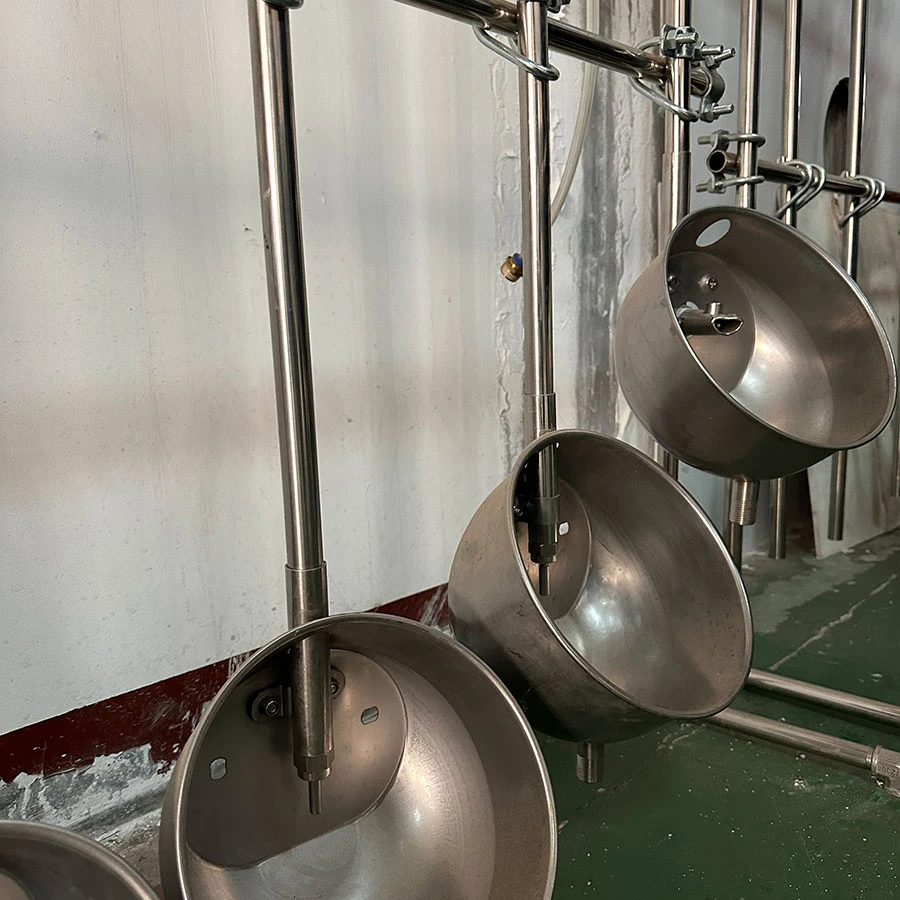
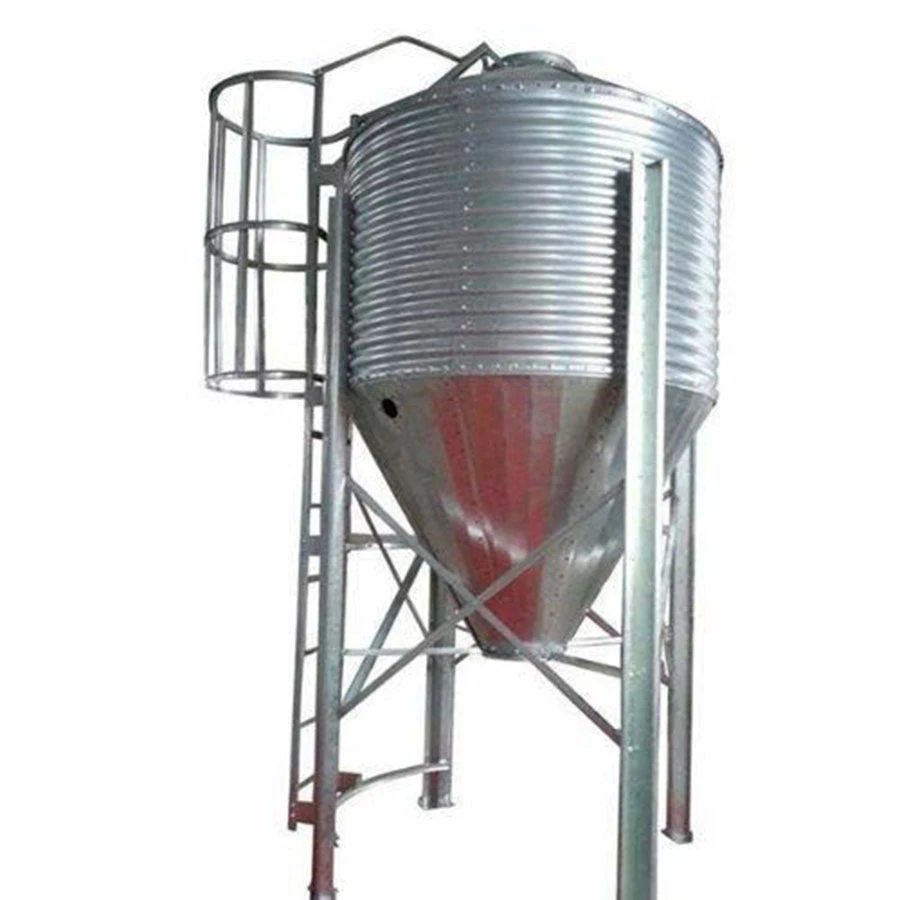
A typical modern pig farm houses hundreds, sometimes thousands, of sows. Hence, gestation crates must integrate seamlessly with automatic feeding systems, manure handling, and barn layouts—streamlining workflow and data collection.
4. Cost Efficiency
Cost is always on farmers’ minds. The upfront investment in crates is offset by improved reproductive performance and lower veterinary expenses, but only if managed properly.
5. Compliance & Adaptability
Designs now often anticipate changing legislation. Many producers retrofit crates to become "free-access stalls" or use temporary gating to comply with welfare reforms.
Real-World Applications: How Pork Gestation Crates Are Used Globally
In countries like the United States and China, gestation crates are the backbone of large-scale pork production, especially in intensive farms aiming for high yield efficiency. These regions benefit from technological integration—automatic feeders, climate controls, and RFID tracking allow precise sow management.
Meanwhile, in Europe, where animal welfare directives are stricter, crates are often phased out or replaced with group housing systems. Some farms combine crates with enriched environments, such as straw bedding, to improve sow comfort while maintaining control.
Emerging markets in Southeast Asia and parts of South America adopt gestation crates mostly for scaling production rapidly, though local welfare advocacy is prompting gradual shifts.
Mini takeaway: The use and design of pork gestation crates vary widely with local laws, culture, and industry maturity, reflecting a global patchwork rather than a one-size-fits-all solution.
Advantages and Long-Term Value of Using Gestation Crates
- Cost-effective management: Farms save in labor and reduce sow injuries caused by fighting.
- Better reproductive outcomes: Individual feeding ensures sows get optimal nutrition during pregnancy.
- Animal safety: Limits risks tied to aggression or accidental crushing of piglets in later stages.
- Traceability & record keeping: Essential for large industry chains prioritizing food safety.
From an emotional angle, many producers initially resist crates due to perceived ethical dilemmas but find that well-designed crates combined with good husbandry practices can enhance animal welfare in practice. It is a tricky balance—a nod to progress, yes, but with complexities.
Looking Ahead: Innovations and Future Trends
The future of pork gestation crates is intertwined with automation, sustainability, and welfare improvements. Some exciting directions include:
- Automated monitoring: Sensors tracking sow movement and health, enabling less restrictive but still controlled housing.
- Use of eco-friendly materials: Biodegradable composites or recycled metals to reduce environmental footprint.
- Group-housing hybrids: Crates designed to open and close as needed, allowing sows freedom while protecting safety.
- Policy-driven design: Crates evolving with ISO standards and regional animal welfare laws.
Challenges & Solutions on the Road
Despite their utility, gestation crates face criticism and practical challenges.
- Animal welfare concerns: Tight confinement may cause stress and physical ailments.
- Regulatory bans: Some regions outlaw crates, which can catch farms unprepared.
- Cost of transition: Switching to alternative systems can be expensive.
Innovative solutions include developing modular crate designs that adjust in size, fostering cooperative research projects to develop welfare-friendly housing, and government incentives to help farmers adopt new systems.
Product Specification Table: Typical Pork Gestation Crate
| Feature | Specification |
|---|---|
| Material | Galvanized steel, powder-coated |
| Dimensions | 2.1 m (L) x 0.6 m (W) x 1.1 m (H) |
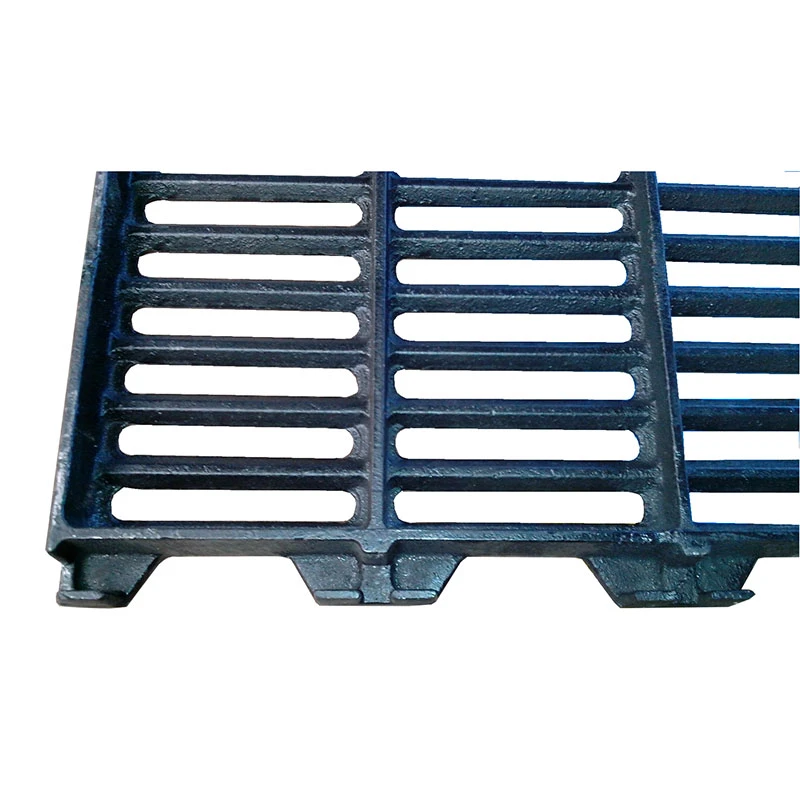
| Flooring | Slatted with concrete base |
| Weight Capacity | Up to 300 kg per sow |
| Ventilation | Open sides with adjustable panels |
| Integration | Compatible with automated feeders |
Vendor Comparison: Leading Pork Gestation Crate Manufacturers
| Vendor | Material Quality | Custom Options | Pricing | Delivery Time |
|---|---|---|---|---|
| AgriBuild Solutions | High-grade galvanized steel | Size & coating customization | $$$ | 3–4 weeks |
| LivestockTech | Powder-coated mild steel | Standard sizes only | $$ | 2 weeks |
| GlobalCrate Inc. | Stainless steel options | Fully custom designs | $$$$ | 4–6 weeks |
Frequently Asked Questions About Pork Gestation Crates
Q1: Are pork gestation crates humane?
Gestation crates are controversial in terms of animal welfare. While they protect sows from injury and ensure controlled feeding, many animal rights groups argue the confined space restricts natural behaviors. Modern designs and alternative housing systems aim to balance welfare with practical needs. Compliance with regulations and good husbandry practices can improve conditions significantly.
Q2: How long are sows kept in these crates?
Sows typically stay in gestation crates for most of the 114-day pregnancy period. After farrowing (giving birth), they are usually moved to larger pens or farrowing crates designed for the mother and piglets. The time spent in crates varies by farm management and local standards.
Q3: Can these crates be modified to meet stricter welfare laws?
Yes. Many farms retrofit existing crates with wider frames, moveable gates, or enrichment items to allow more movement and comfort. Some designs permit group housing while retaining individual feeding areas, aligning with recent animal welfare legislation in Europe and the US.
Q4: What materials are best for durability and hygiene?
Galvanized steel remains the standard due to its corrosion resistance and strength. Powder coating adds durability and ease of cleaning. Stainless steel is ideal but more expensive. Slatted flooring made of concrete or durable plastic composites supports hygiene by allowing waste drainage.
Q5: Where can farms source high-quality pork gestation crates?
There are reputable manufacturers worldwide, offering various options from standardized to fully customized systems. Considering material quality, customization possibilities, and delivery times is key. Vendors like pork gestation crates suppliers provide comprehensive solutions.
Wrapping Up: The Long-Term Perspective on Pork Gestation Crates
Pork gestation crates remain a foundational yet evolving tool in global pig farming. They offer farms control, safety, and increased productivity — important reasons they persist despite welfare debates. The trick is innovation: design improvements, legislative adaptations, and ethical husbandry can harmonize these crates’ role within a sustainable food system.
Curious to learn more or explore modern crate options designed for practical welfare? Visit our website: https://www.cxlivestock.com.
References:
1. Food and Agriculture Organization of the United Nations: fao.org
2. European Commission Animal Welfare Policy: ec.europa.eu
3. ISO Standards on Livestock Management: iso.org
Post time: Dec . 02, 2025