Understanding Poultry House Fans: Why They Matter Worldwide
The humble poultry house fan might not make headlines, but in the grand tapestry of global food production and animal welfare, it’s a quiet hero. These fans are more than just mechanical devices; they’re lifelines for farms across continents, ensuring poultry health, boosting productivity, and contributing to sustainable agriculture. As climate challenges worsen and demand for poultry products rises, grasping the nuances of poultry ventilation becomes increasingly vital — not just for farmers but for supply chains and consumers worldwide.
The Global Context of Poultry House Fans
Poultry farming is a massive global industry. According to the Food and Agriculture Organization (FAO), poultry meat accounts for over 35% of total meat production worldwide, expected to grow steadily over the next decades. Yet, this growth doesn’t come without its challenges. Ventilation in poultry houses is critical to maintaining optimal temperature, controlling ammonia levels, and preventing disease outbreaks.
It’s estimated that poor air quality can reduce growth rates by up to 10-15% and increase mortality rates significantly. This is where a robust poultry house fan system steps in. Yet, in many regions—particularly in developing countries—access to reliable ventilation remains a challenge. The need to balance energy efficiency, affordability, and durability has become a global concern in poultry housing management.
So, What Exactly Is a Poultry House Fan?
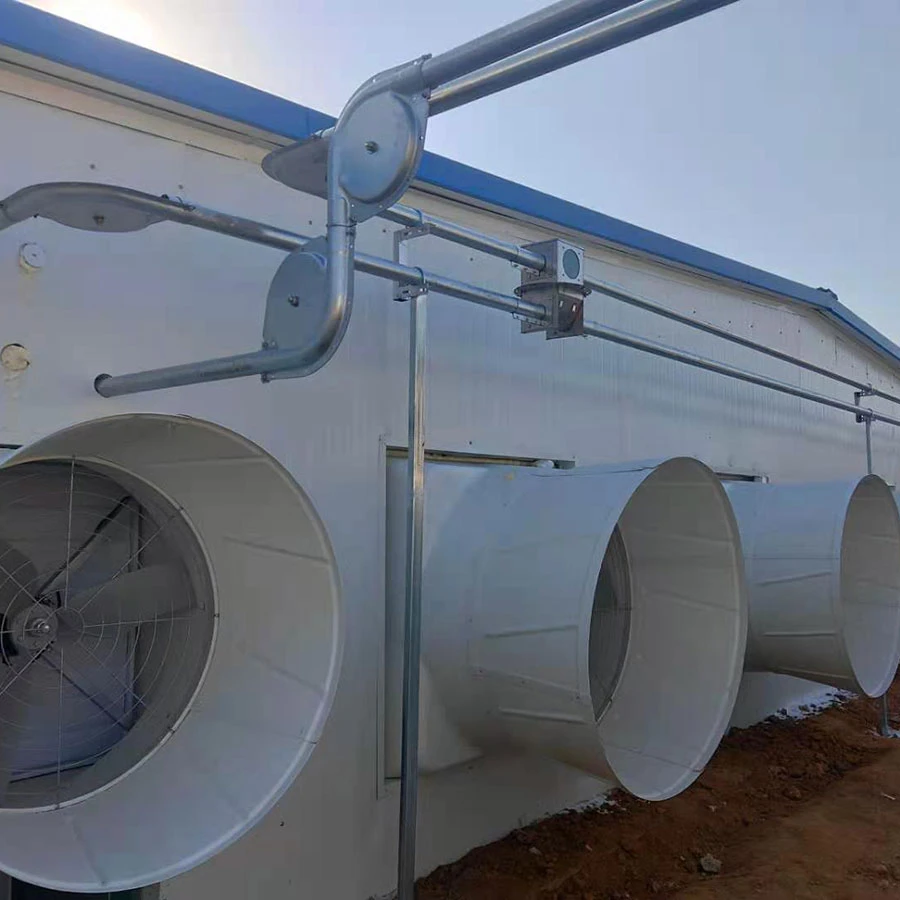
Put simply, a poultry house fan is a mechanical ventilation device designed to control airflow in enclosed poultry facilities. It helps regulate temperature, humidity, and air quality so chickens can thrive in a safe environment. These fans come in various sizes and types — from simple exhaust fans to complex tunnel ventilation systems integrated with environmental controls.
In modern agriculture, poultry house fans are indispensable. They reduce heat stress that can slash egg production or growth, mitigate harmful gas buildup such as ammonia, and ensure that fresh air circulates adequately within the barn. Without them, raising poultry at scale would be practically impossible, especially in climates with extreme heat or high humidity.
Key Components and Considerations
1. Durability and Material Quality
Since poultry environments are typically humid and corrosive (due to ammonia and dust), fans need to be made from corrosion-resistant materials like galvanized steel or coated aluminum. Many engineers I’ve chatted with emphasize this is often where cheaper fans fail—resulting in frequent replacements or maintenance hassles.
2. Airflow Capacity & Efficiency
Measured in cubic feet per minute (CFM), the right airflow depends on flock size, house dimensions, and climate. The fan’s ability to move enough air at low power consumption affects both operational costs and animal comfort. Some advanced units come with variable speed drives to adjust flow dynamically — quite a game-changer.
3. Noise Levels
Surprisingly important. Excessive noise stresses poultry, impacting their health and productivity. Quiet operation is a small detail that many overlook but can make a difference over time.
4. Installation & Maintenance Ease
Access for cleaning, robustness of mounts, and compatibility with common power sources are practical yet frequently decisive factors for farmers.
5. Scalability & Integration
Modern poultry farms don’t just install fans; they integrate them with sensors, climate control systems, and automated alerts. This is especially visible in high-tech operations where real-time adjustments optimize conditions.
6. Cost Efficiency
Considering energy consumption and upfront costs, farmers balance budget constraints against the long-term benefits of performance and less downtime.
Product Specification Snapshot
| Feature | Value/Range | Notes |
|---|---|---|
| Airflow | 5,000 - 20,000 CFM | Depends on fan size & motor |
| Material | Galvanized steel, aluminum | Corrosion-resistant options |
| Power Consumption | 300 - 1,200 Watts | Varies with size & speed control |
| Noise Level | 40 - 70 dB | Lower is better for poultry welfare |
| Weight | 15 - 35 kg | Affects installation method |
Mini takeaway: Picking a poultry house fan is never just about airflow. Considering durability, noise, and integration is key. And it’s never a one-size-fits-all game.
How Poultry House Fans Work Around the World
From vast commercial farms in the US, Brazil, and China, to small holdings in Southeast Asia and Africa, ventilation remains a cornerstone of healthy poultry breeding. For example, in hot climates like Arizona or Egypt, tunnel ventilation using high-powered fans produces rapid air exchanges that prevent heat stress — a known killer in intensive poultry farming. Meanwhile, in temperate northern Europe, farmers sometimes combine automated fans with natural ventilation openings to reduce energy usage but maintain freshness.
Oddly enough, relief agencies working in post-disaster zones have experimented with poultry fans in temporary animal shelters or food production setups. It’s a neat example of how a seemingly niche device finds applications far beyond it’s original design — improving animal welfare in emergency contexts.
Comparing Top Vendors of Poultry House Fans
| Vendor | Price Range | Fan Capacity (CFM) | Noise (dB) | Special Features |
|---|---|---|---|---|
| VentFarm Pro | $350 - $650 | 8,000 - 16,000 | 45 - 60 | Energy-efficient motor, ETL-certified |
| AirPoultry Max | $400 - $720 | 7,000 - 18,000 | 40 - 55 | Variable speed drive, corrosion-resistant |
| FarmBreeze Classic | $280 - $500 | 5,000 - 12,000 | 50 - 65 | Simple design, easy installation |
Mini takeaway: Vendor choice hinges on balancing budget with features. If you want longevity and energy savings, some extra bucks go a long way.
Advantages of Investing in Quality Poultry Housing Fans
- Improved animal health: Proper airflow reduces respiratory issues and stress.
- Boosted production: Better living conditions mean higher growth rates and egg yields.
- Energy savings: Modern fans often incorporate variable speed drives, cutting electricity bills.
- Long-term durability: Corrosion-resistant models last several years with minimum upkeep.
- Social responsibility: Promoting animal welfare increasingly aligns with consumer expectations.
Emerging Innovations and the Road Ahead
In line with broader trends, the poultry ventilation industry is dipping toes into IoT and automation. Smart fans linked to climate sensors and farm management software are helping farmers tweak ventilation in real time, often from a phone or tablet. This tech sprinkle can sharply reduce energy wastage and improve outcomes.
Moreover, materials innovation is pushing corrosion resistance further while also reducing weight. Some startups experiment with solar-powered ventilation systems — a particularly exciting direction for off-grid and emerging-market farms.
Challenges & How to Overcome Them
Despite their critical role, poultry house fans still face hurdles:
- Initial cost: Investment can be high upfront, especially for premium models.
- Maintenance demands: Dust and manure build up can impair fan function if neglected.
- Power reliability: Farms in rural or unstable grid areas may struggle to keep fans running consistently.
Smart solutions include modular designs that enable quick replacement, preventative maintenance contracts, and exploring renewable energy options to ensure consistent operation. NGOs and government programs that subsidize modern poultry infrastructure have been key in many regions, showing the power of combined efforts.
FAQ: Your Poultry House Fan Questions Answered
- Q: How do I choose the right size fan for my poultry house?
- A: Start by calculating the total cubic volume of your poultry house. Then, pick a fan or combination that can exchange the air multiple times per minute, typically recommended 2-4 air changes. Consulting with a ventilation expert helps, but airflow capacities listed by manufacturers give a good baseline.
- Q: Are automated ventilation systems worth the price?
- A: If you run medium to large operations, automation can optimize comfort and save energy, paying for itself over time. Small farms may find simpler manual or thermostatic switches adequate, depending on budget.
- Q: Can poor ventilation cause disease outbreaks?
- A: Absolutely. Stale air builds up moisture and ammonia, which weaken birds' respiratory systems, fostering infections. Proper ventilation lowers these risks considerably.
- Q: What maintenance routines keep fans running well?
- A: Regular cleaning to remove dust and grime, lubricant checks for motor bearings, and inspecting for corrosion or loose mounts every few months keep fans in top shape.
Final Thoughts
In the end, a poultry house fan is more than just a gadget — it’s a cornerstone of modern sustainable poultry farming. With climate change accelerating weather extremes, ensuring proper ventilation is no longer optional but essential. Investing in efficient, durable, and smart ventilation systems enhances animal welfare, farm productivity, and resource efficiency.
For those interested in exploring leading-quality solutions, visiting our site might just be worth your while. Because good air makes all the difference.
References:
Post time: Dec . 02, 2025