Why Poultry Ventilation Systems Matter Globally
Poultry farming isn't just a backyard hobby in rural areas anymore — it's a global economic pillar and a critical source of protein for billions. But raising large flocks in confined spaces poses a serious challenge: maintaining air quality. That’s where poultry ventilation systems come into play. These systems regulate temperature, humidity, and air purity inside poultry houses, directly influencing the health and productivity of birds.
Understanding poultry ventilation systems is more than just technical curiosity. It offers a lifeline to farmers navigating the complexities of climate change, disease control, and sustainability. Improved ventilation ultimately means healthier birds, reduced mortality, and increased yields — benefits that ripple out to global food security and economic resilience.
In short, a well-designed ventilation system isn’t just “nice to have” — it’s fundamental to modern poultry farming worldwide.
Global Context: Why Ventilation Systems are Urgent in Poultry Farming
Did you know that the global poultry market is expected to exceed $400 billion by 2025? According to the Food and Agriculture Organization (FAO), poultry products constitute over 30% of the world's meat consumption. With that kind of scale, poor air quality inside poultry housing isn’t just an animal welfare issue — it also threatens economic stability and public health.
Ventilation systems address major challenges: ammonia buildup from waste, controlling airborne pathogens, and managing the temperature swings that come with different climates. For example, studies from the International Organization for Standardization (ISO) emphasize ventilation design standards that mitigate respiratory issues that can decimate flocks.
Countries facing rapid industrialization or extreme weather fluctuations are particularly dependent on robust ventilation to maintain reliable supply chains. From the US Midwest to Southeast Asia’s growing poultry hubs, ventilation remains a silent hero behind thriving flocks.
What Exactly Are Poultry Ventilation Systems?
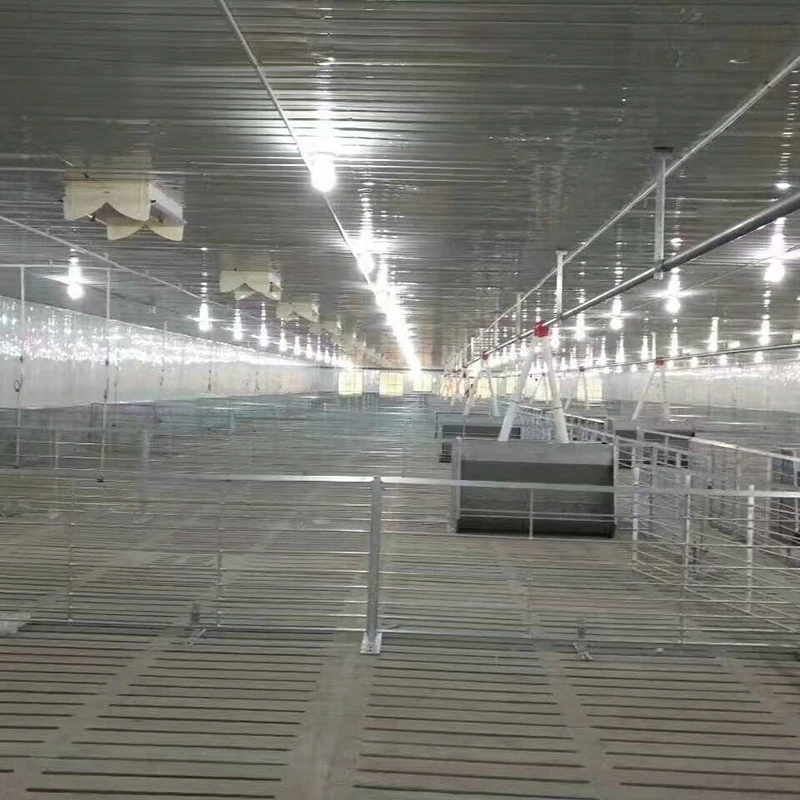
Simply put, poultry ventilation systems consist of mechanical or natural setups that pull fresh air into poultry houses while expelling stale, moisture-laden, or contaminated air. The purpose is multifaceted — ensure oxygen-rich air, remove excessive heat, control humidity, and limit harmful gases like ammonia that accumulate from droppings.
These systems vary from basic fan-and-vent solutions to sophisticated automated controls using sensors and climate models. Their design reflects the dual goals of animal health and energy efficiency — crucial for farms managing ever-tightening budgets and environmental regulations.
Think of poultry ventilation as the barn’s lungs — filtering, refreshing, and stabilizing the environment so the birds can thrive.
Core Components & Critical Considerations
1. Airflow Control
The whole idea hinges on air movement. Fans, intake shutters, and exhaust vents cooperate to create consistent airflow that prevents hot spots or stuffiness.
2. Temperature Regulation
Heat stress can kill or reduce chicken productivity fast. Ventilation helps dissipate excess heat, especially in summer months or crowded housing.
3. Humidity Management
Too much moisture encourages mold and bacteria. Systems aim to keep humidity levels balanced to protect respiratory health.
4. Durability & Maintenance
Components like corrosion-resistant fans and dust-proof filters are a must because farming environments are dusty and tough.
5. Scalability & Automation
From small farms to huge industrial operations, ventilation systems need to scale and increasingly rely on automation for efficiency and reduced labor.
6. Cost Efficiency
Energy consumption is a big deal — the more efficient the system, the better the bottom line.
It’s these six factors working in harmony that make a ventilation system truly effective, and farmers' lives easier.
Real-World Applications Around the Globe
The practical use of poultry ventilation systems is as diverse as the climates they operate in. In arid regions like parts of the Middle East, ventilation systems are adapted to reduce dryness while maintaining airflow. Countries like Brazil, a leading poultry exporter, invest heavily in computerized climate control ventilation to optimize growth rates.
In post-disaster settings — say, after flooding — rapid deployment ventilation systems help NGOs set up temporary poultry shelters to restore livelihoods fast. Similarly, industrial agriculture in Northern Europe adopts energy-recovery ventilation units that reclaim heat while purifying the air.
Some farms integrate advanced sensors that link ventilation control with feeding and lighting, creating a seamless, data-driven focus on welfare and productivity.
This global mosaic of applications demonstrates how poultry ventilation goes beyond mere technology — it’s a tailored solution for varied needs across different social and geographic landscapes.
Advantages & Long-Term Value of Effective Ventilation
- Animal Welfare: Reduces disease risk and stress, leading to healthier flocks.
- Cost Savings: Efficient systems cut heating/cooling expenses and reduce mortality.
- Food Safety: Cleaner air means less bacterial contamination, which protects consumers.
- Sustainability: Lower energy use and better manure management contribute to eco-friendly farming.
- Farmer Confidence & Trust: Reliable systems provide peace of mind and foster sustainable livelihoods.
In real terms, a good ventilation system feels like having a skilled farmhand who’s always vigilant — quietly preventing problems before they emerge.
The Future: Trends and Innovations on the Horizon
Green energy integration is reshaping poultry ventilation. Solar-powered fans and smart energy management systems are gaining traction as farms aim to reduce their carbon footprints. I’ve noticed an uptick in IoT systems that automatically adjust ventilation based on real-time sensor data — temperature, humidity, and even ammonia levels.
Materials science brings corrosion-resistant alloys and self-cleaning filters to extend lifespan and reduce maintenance hassle. Even AI-driven predictive maintenance is no longer sci-fi but rapidly becoming everyday farming practice.
Challenges & Smart Solutions
Despite advances, challenges persist. Rural farms may lack access to affordable technology or face power reliability issues. Designing a system that balances upfront cost with long-term value remains tricky. Plus, operators need training to maximize benefits — you can’t just “set and forget” these systems.
Some innovators are creating modular, solar-powered ventilation kits for remote locations — an elegant workaround to infrastructure gaps. Likewise, planners focus on user-friendly interfaces that empower farmers, not overwhelm them.
Frequently Asked Questions About Poultry Ventilation Systems
- How often should I maintain or clean my poultry ventilation system?
- Routine maintenance every 3-6 months is recommended, depending on environmental conditions. This includes cleaning fans, checking filters, and inspecting controls to ensure optimal airflow and system longevity.
- Can ventilation systems significantly reduce disease outbreaks in poultry?
- Yes, effective ventilation reduces harmful gases and moisture that foster bacteria and viruses, lowering respiratory disease incidence and improving overall flock health.
- Are automated ventilation controls worth the investment?
- While they require higher initial costs, automation improves consistent climate control and energy efficiency, often paying for itself through increased productivity and savings.
- What adaptations are needed for poultry ventilation in tropical climates?
- Systems must focus heavily on temperature reduction and humidity control, often combining ventilation with evaporative cooling or shading for maximum comfort.
- How scalable are modern poultry ventilation systems?
- Very. Modular designs and programmable controls allow adjustments for small family farms up to industrial-scale operations.
Product Specification Table
| Feature | Basic Model | Advanced Model | Pro Automation Model |
|---|---|---|---|
| Airflow Capacity (CFM) | 2,500 | 5,000 | 7,500 |
| Temperature Sensors | No | Yes | Advanced with AI |
| Humidity Control | Basic Ventilation | Integrated Dehumidifier | Smart Humidity Regulation |
| Energy Efficiency | Standard Fans | High-efficiency Motors | Solar-Integrated |
| Automation Level | Manual | Semi-automatic | Full AI-driven |
Vendor Comparison Table
| Vendor | Product Range | Price Range (USD) | Key Strength | Support & Warranty |
|---|---|---|---|---|
| PureAir Systems | Basic to Advanced | 1,000 – 8,000 | Affordable, user-friendly | 2-year warranty, 24/7 support |
| EcoVent Tech | Advanced & Pro Models | 3,000 – 12,000 | Energy-saving tech, automation | 3-year warranty, remote service |
| FarmAir Solutions | Full Range + Custom designs | 5,000 – 20,000+ | Highly customizable, durable | 5-year warranty, on-site training |
Conclusion: Why Investing in Good Poultry Ventilation Pays Off
At the end of the day, investing in reliable poultry ventilation systems is investing in the future — of your flock, your farm, and frankly, global food security. Better air quality means healthier birds and higher yields, which filters down to environmental sustainability and improving livelihoods. Whether you’re a small holder or operate a vast industrial farm, the right ventilation isn’t just a machine — it’s peace of mind.
Curious about upgrading or starting your poultry ventilation journey? Visit our website at https://www.cxlivestock.com to explore cutting-edge options tailor-made for your needs.
References:
1. FAO Poultry Statistics
2. ISO 13163: Ventilation of Animal Housing
3. Wikipedia - Poultry Farming
Post time: Dec . 02, 2025