Understanding Silo Feed Storage: A Key to Sustainable Agriculture and Livestock Management
Silo feed storage is more than just a warehouse solution; it’s a linchpin in global food security and efficient livestock farming. As populations grow and climate uncertainties loom heavier, how we store animal feed determines not just profitability but farmers’ resilience worldwide. So, I guess you could say it’s quite literally where the future of animal agriculture resides.
Why the World Needs Better Silo Feed Storage
According to the United Nations' Food and Agriculture Organization (FAO), livestock contributes to nearly 40% of agricultural GDP worldwide, and feed is the single largest cost component in animal farming. That’s a hefty portion — imagine the impact if even a fraction of that feed went to waste due to poor storage. Modern silo feed storage systems intelligently reduce spoilage, minimize pests, and keep feed nutrients intact.
But this isn’t just an industry problem. For humanitarian organizations responding to crises, secure feed storage means protecting vital resources that sustain displaced livestock. Globally, silo feed storage addresses food security concerns, improves supply chain efficiency, and supports sustainable farming growth.
What Exactly Is Silo Feed Storage?
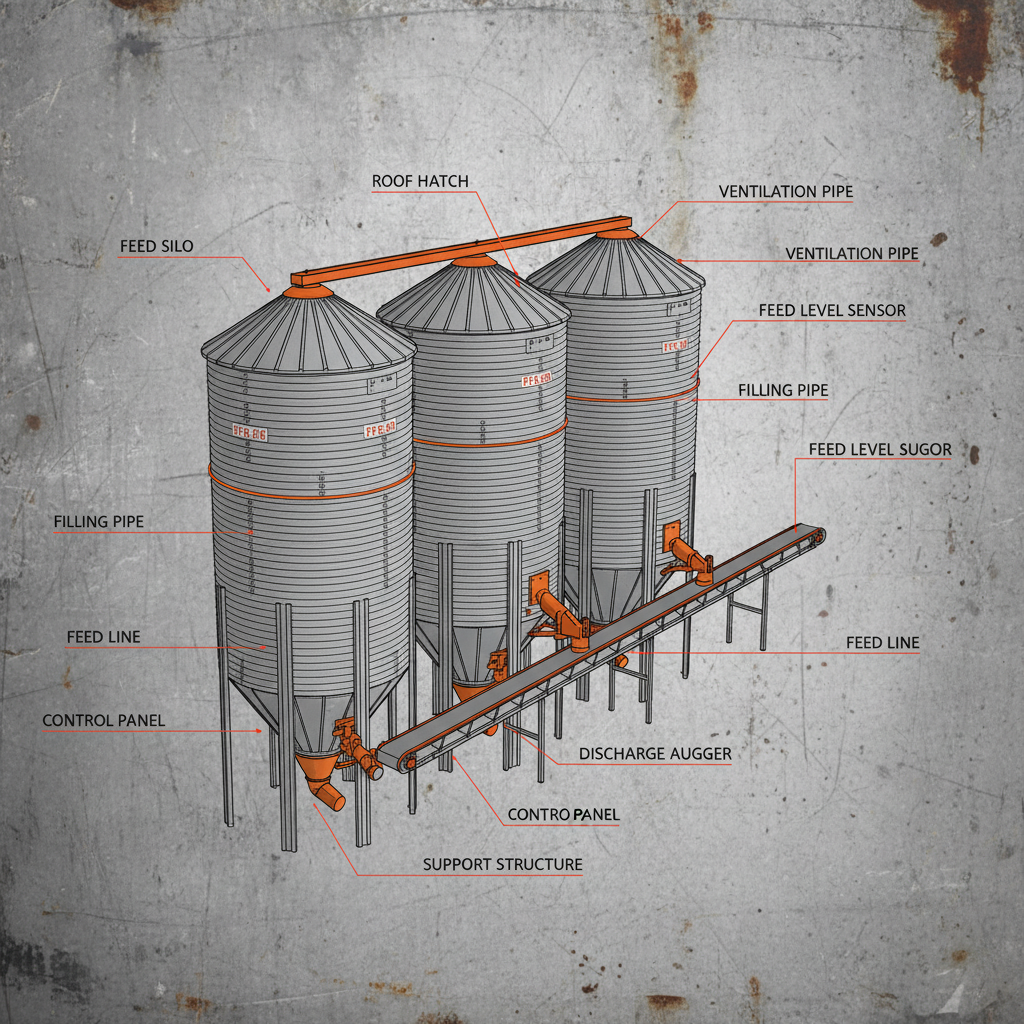
Simply put, silo feed storage refers to the containment of animal feed — typically grains, pellets, or mash — in large, often vertical containers (silos). These silos are designed to protect feed from moisture, pests, and spoilage while allowing for efficient loading, unloading, and inventory management.
Nowadays, these systems are integral in agriculture, livestock industries, and relief operations — wherever reliable, safe feed is needed. And honestly, despite their simple appearance, silo feed storage innovations quietly transform how farms operate daily.
Core Components That Define Effective Silo Feed Storage
1. Durability and Materials
The choice between galvanized steel, concrete, or composite materials influences how long a silo lasts under tough environmental conditions. For example, steel is often favored for quicker installation and pest resistance, while concrete offers sturdiness for long-term use.
2. Scalability and Capacity
From smallholder farms to industrial feedlots, silos come in capacities ranging from a few tons to thousands. Scalability matters because it affects investment, ease of maintenance, and space use.
3. Cost Efficiency
Beyond upfront costs, operational expenses — like energy for aeration or cleaning — add up. Efficient designs focus on minimizing these recurring costs while ensuring longevity.
4. Pest and Moisture Control
Maintaining dryness and preventing rodents or insects from accessing feed is vital. Many silo systems incorporate sealing, ventilation, and even automation to fight infestation before it starts.
5. Ease of Access and Automation
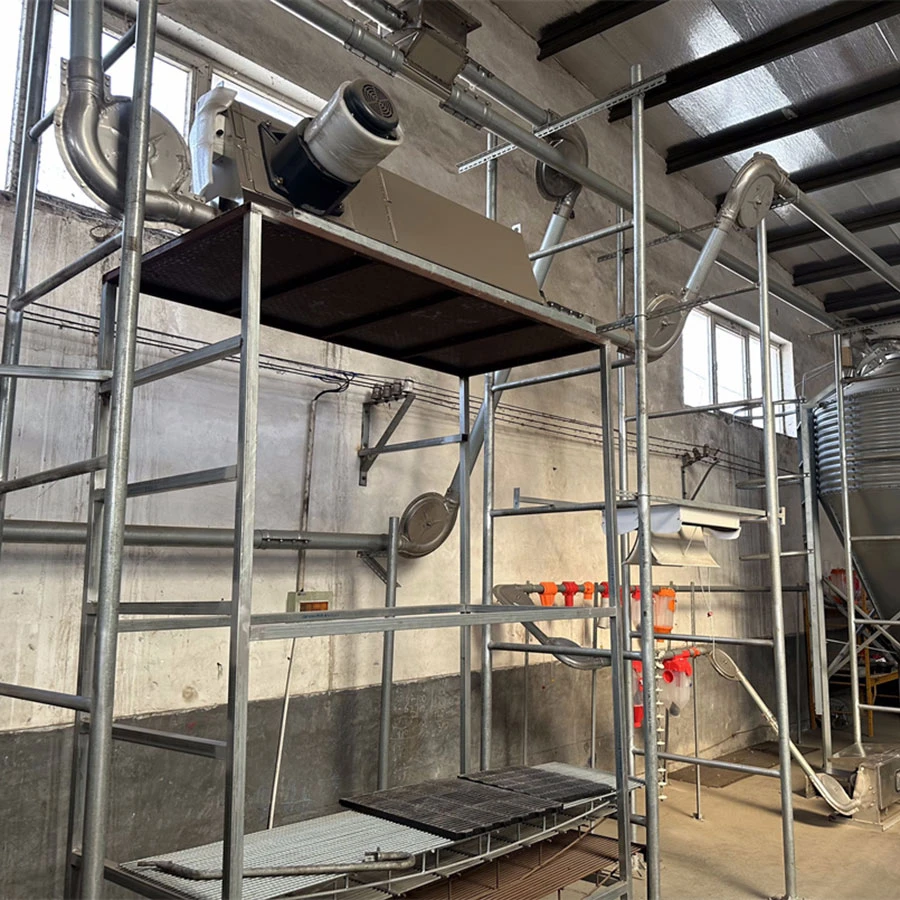
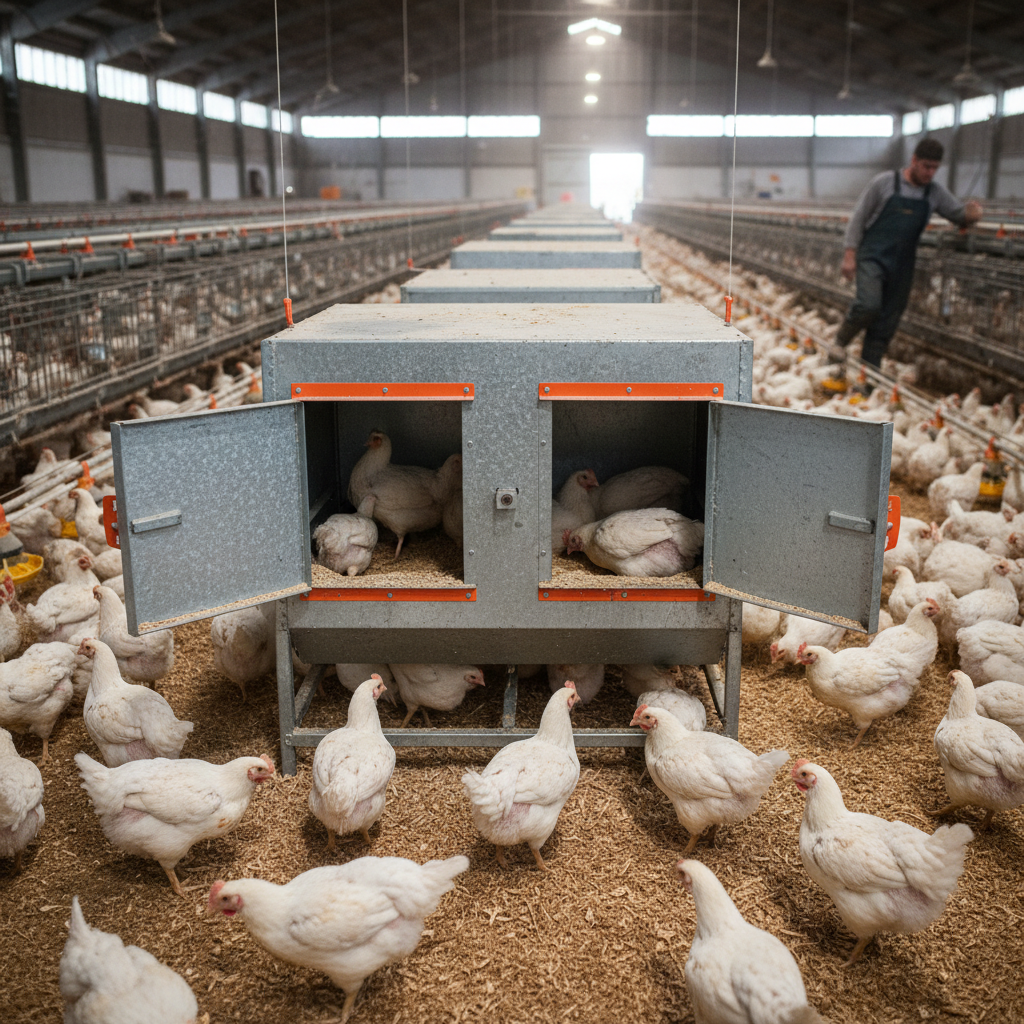
Feeding schedules and inventory checks grow smoother with power augers, automated feeders, or remote monitoring sensors. These upgrades save labor and reduce waste.
Mini Takeaway:
Choosing the right silo isn’t just a one-size-fits-all deal. Understanding material, capacity, costs, and control features means the difference between feed that stays fresh or feed that goes to waste.
How Silo Feed Storage Supports Diverse Global Needs
Consider the expansive cattle ranches in Brazil’s Pantanal. Here, silo feed storage allows ranchers to stockpile feed across fluctuating wet seasons, when grazing areas flood. Or, in post-disaster zones like those hit by floods in South Asia, NGOs rely on quick-assembly silos to secure feed for relief herds, preventing starvation and economic loss.
In industrial livestock zones across Europe and North America, automated silos linked to data dashboards help managers track feed quality and consumption, optimizing herds' health and operational budgets. The significance also stretches to small farmers in Africa, where affordable silo designs enhance feed preservation and lower dependency on unpredictable markets.
Oddly enough, even urban farms and indoor vertical farming are beginning to use smaller-scale silo feed storage to streamline their operations.
Advantages and the Broader Value of Silo Feed Storage
- Reduced Spoilage and Waste: Keeping the feed dry and pest-free translates to more usable product and less landfill.
- Cost Savings: Less waste means better margins; also, durable silos lower long-term replacement costs.
- Environmental Sustainability: Proper storage reduces methane emissions from spoiled feed and lowers the need for new growing inputs.
- Improved Livestock Health: Quality feed prevents illnesses, supporting animal welfare and productivity.
- Social Impact: Better storage secures livelihoods, supports food security, and contributes to community resilience.
In real terms, silo feed storage feels like a bridge between tradition and tech, honoring time-tested farming methods while embracing modern innovation.
The Future: Trends and Innovations in Silo Feed Storage
Tech is reshaping how we think about feed storage. Smart sensors now monitor humidity and temperature in real time, sending alerts before spoilage takes hold. Automated aeration systems adjust airflow based on sensor data — a feature many engineers say radically extends feed shelf life.
On the materials side, new lightweight composites and corrosion-resistant coatings promise longer-lasting silos that are easier to transport and assemble, especially in remote areas. Plus, integrating solar-powered aeration units means some silos run energy neutrally — a big deal for sustainability.
It’s not just hardware, though. Policies and standards, such as ISO 22000 for food safety management, increasingly influence silo design, pushing the industry toward best practices globally.
Challenges and How Forward-Thinking Solutions Address Them
No system is perfect. Common hurdles include high initial investment, difficulties ensuring airtight sealing in cheap models, and climate extremes that challenge material durability. There’s also the human factor: proper silo operation and maintenance require training.
Innovative startups are tackling these with modular silos that adapt as needs grow, educational programs partnered with NGOs to build local expertise, and apps that make remote silo monitoring accessible even for small farms.
Product Specification: Typical Silo Feed Storage Model
| Specification | Details |
|---|---|
| Material | Galvanized steel with anti-corrosion coating |
| Capacity | 10 metric tons (approx. 12 cubic meters) |
| Dimensions | Diameter: 2.5 m; Height: 3.5 m |
| Features | Ventilation system, pest-proof sealing, bottom discharge with auger |
| Installation Time | 2 days (with 3-person team) |
| Warranty | 5 years |
Vendor Comparison: Leading Silo Feed Storage Providers
| Vendor | Product Range | Price Range (USD) | Key Features | Global Reach |
|---|---|---|---|---|
| AgriStore Co. | 5 - 50 tons capacity | $3,000 - $25,000 | Modular design, remote monitoring | Americas, Europe |
| FeedSafe Systems | 2 - 30 tons capacity | $2,500 - $20,000 | Eco-friendly materials, solar-powered aeration | Asia, Africa |
| GlobalSilo | 10 - 100 tons capacity | $5,000 - $40,000 | Heavy-duty, ISO certified, automated feeders | Global |
Frequently Asked Questions About Silo Feed Storage
- 1. How long can feed stored in silos remain usable?
- Under optimal conditions — sealed, dry, and ventilated — feed can stay fresh for several months to even a year. However, this varies based on feed type, silo quality, and climate factors. Regular inspection is key to preventing moisture buildup or pest infestation.
- 2. What are the signs that my silo feed storage needs maintenance?
- Watch for visible rust, unusual odors, condensation inside the silo, or reduced feed flow rates during unloading. Also, check for evidence of rodents or insect activity. Addressing problems early saves costly spoilage.
- 3. Can silo feed storage be customized for small-scale farms?
- Absolutely. Many vendors offer mini silos or modular units tailored for smaller capacities and budgets. These models often prioritize ease of assembly and portability without sacrificing durability.
- 4. Is automated monitoring worth the additional cost?
- For large operations or remote sites, having sensors that provide real-time data on moisture and temperature can prevent major loss. Though it adds upfront cost, many farm managers find it saves money and labor over time.
Conclusion: A Vital Investment for Agriculture and Beyond
In the grand scheme, silo feed storage does more than hold feed — it safeguards livelihoods, improves sustainability, and underpins global food security. Whether you’re a smallholder curious about expanding or an agricultural enterprise seeking efficiency, investing in quality silo feed systems is a forward-looking move.
Interested in exploring modern silo feed storage solutions? Visit our website: silo feed storage for expert advice and cutting-edge products.
References
Post time: Dec . 02, 2025