Understanding Swine Gestation Crates: Why It Matters Globally
If you’re not in the livestock or agricultural world, the term swine gestation crates might sound a bit obscure — or maybe even harsh. But these crates represent a crucial piece in the puzzle of modern pork production worldwide. Beyond the technicalities, understanding their role helps us grasp bigger issues: animal welfare, industry economics, food security, and sustainable farming. Globally, pork is one of the most consumed meats, with over 110 million metric tons produced annually (FAO, 2020). Managing sows during pregnancy effectively is key to meeting demand safely and efficiently.
By diving into how swine gestation crates work and the debates around them, we can better appreciate the balance between productivity and humane practices — a balance that’s increasingly vital as populations grow and resources shrink.
Swine Gestation Crates in the Global Industry Context
Swine gestation crates are an international talking point, from massive pork processing plants in China, the United States, and Brazil to smallholder farms in Southeast Asia and Europe. According to the United Nations Food and Agriculture Organization (FAO), pork accounts for roughly 36% of global meat consumption, making the efficiency and welfare of pig farming a global agricultural concern.
While lucrative, pork production isn't without challenges. The gestation phase for sows, lasting about 114 days, demands close monitoring to ensure health and productivity. Swine gestation crates address this by confining pregnant sows safely but raise ethical questions worldwide about restricting animals’ movement — a complex issue affecting regulations, consumer choices, and farming practices.
Mini Takeaway
Swine gestation crates sit at the crossroads of efficiency and ethics in global pork production, highlighting the need for balanced approaches that satisfy both welfare standards and farming demands.
What Are Swine Gestation Crates? A Simple Definition
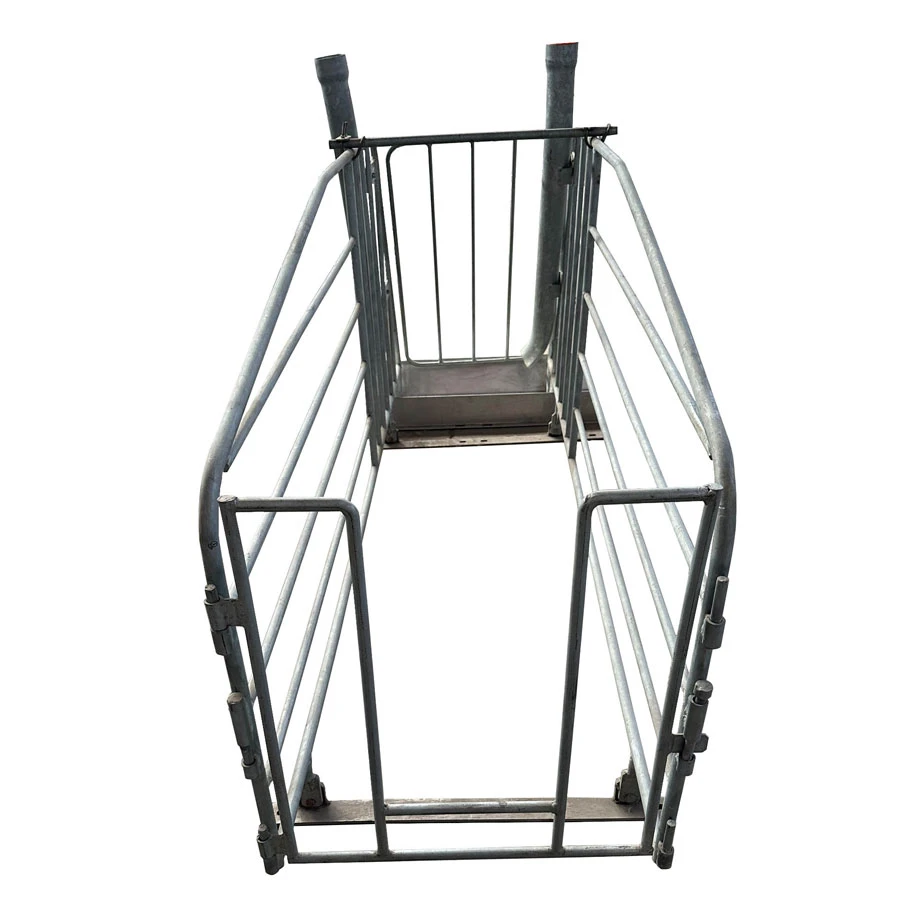
Put plainly, swine gestation crates are small metal cages designed to house pregnant female pigs (sows) separately during their roughly 3.5-month pregnancy period. The crates limit sow movement primarily to standing or lying down. The primary goal is to reduce aggression among sows, prevent injury, and optimize environmental conditions for better reproductive outcomes.
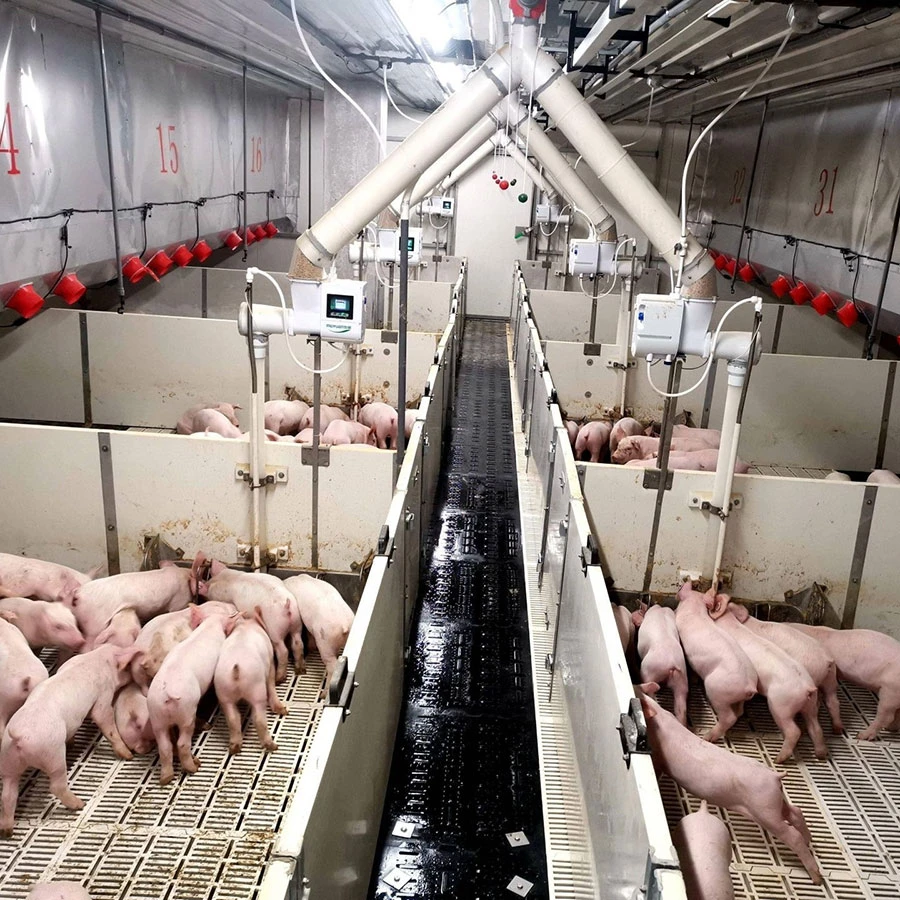
Modern pig farming depends on these crates for space management and close individual care, especially in large-scale, intensive operations where hundreds or thousands of sows need supervision simultaneously.
Key Features of Swine Gestation Crates
Durability and Materials
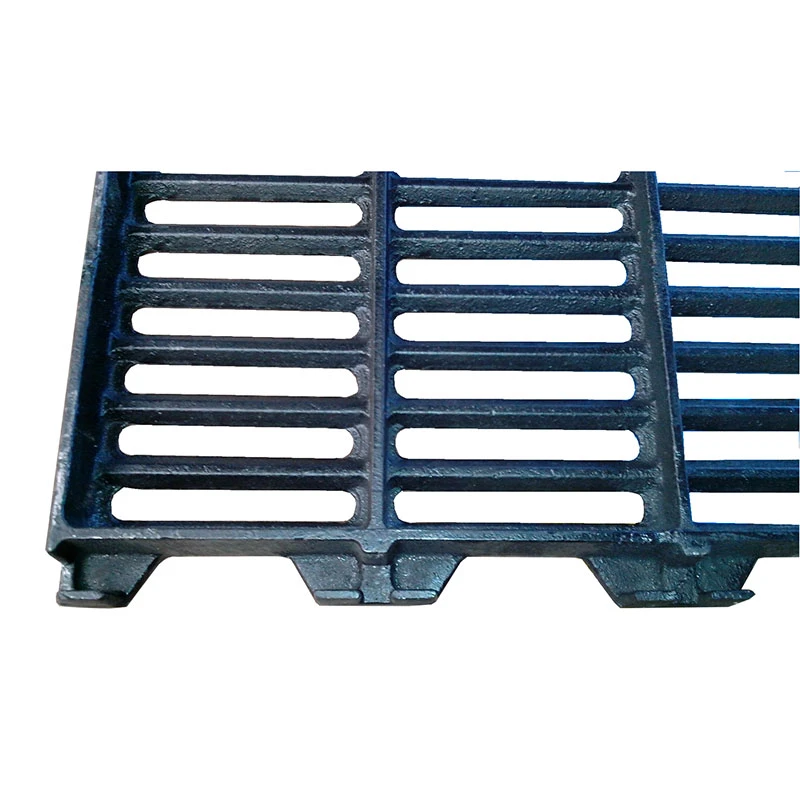
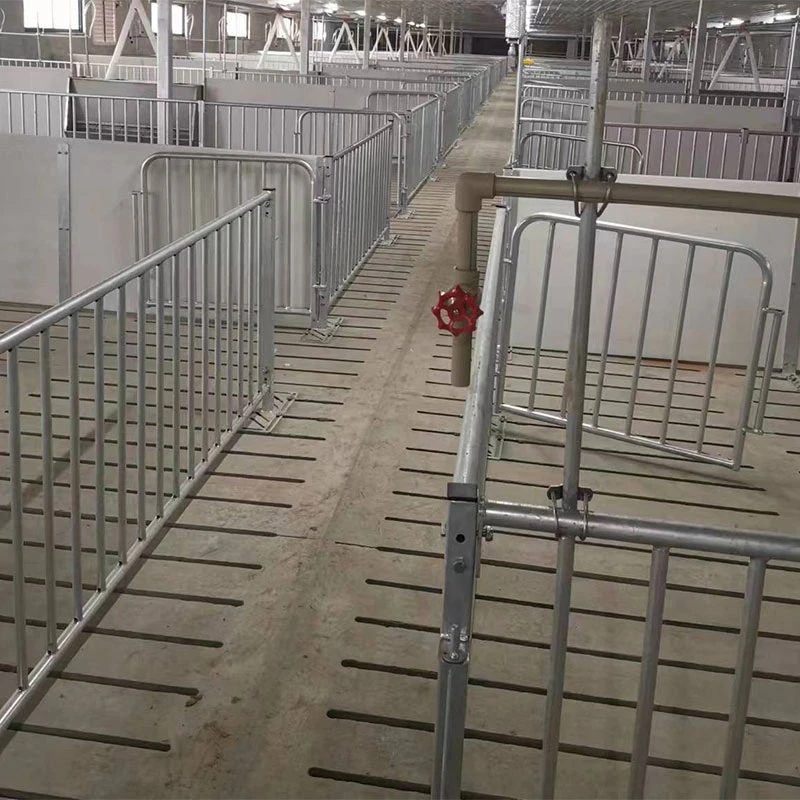
Most gestation crates are constructed from galvanized steel or stainless steel, picked for longevity in harsh barn environments plagued with moisture, waste, and the occasional enthusiastic hoof kick. This ensures not just durability but also hygienic waste management and easy cleaning.
Space Optimization and Scalability
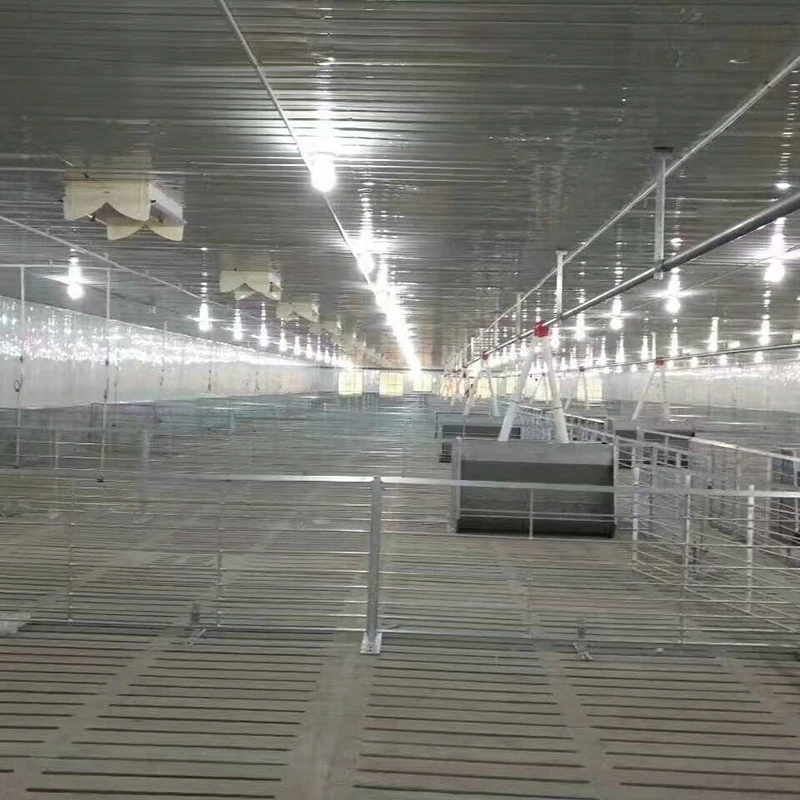
Crates are designed to efficiently pack sows side by side, maximizing farm floor space. This scalability allows pig farms to increase herd size without exponentially increasing their footprint or staffing needs — which is vital in meeting global protein demands.
Cost Efficiency
Although the initial investment can be substantial, gestation crates ultimately reduce labor and veterinary costs by minimizing injuries and diseases in pregnant sows.
Animal Welfare Design Advances
While the crates restrict movement, many designers integrate features like adjustable partitions and floors designed to reduce pressure sores and stress — essential progress considering consumer and regulatory pressure.
Integration with Feeding and Waste Systems
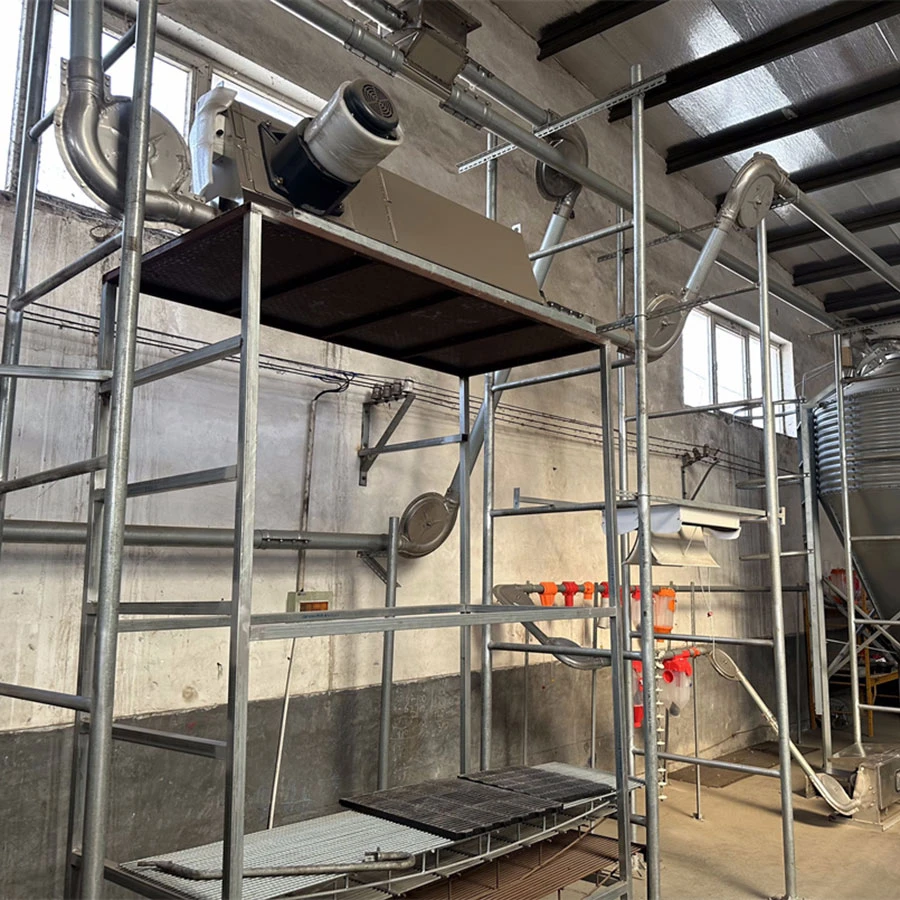
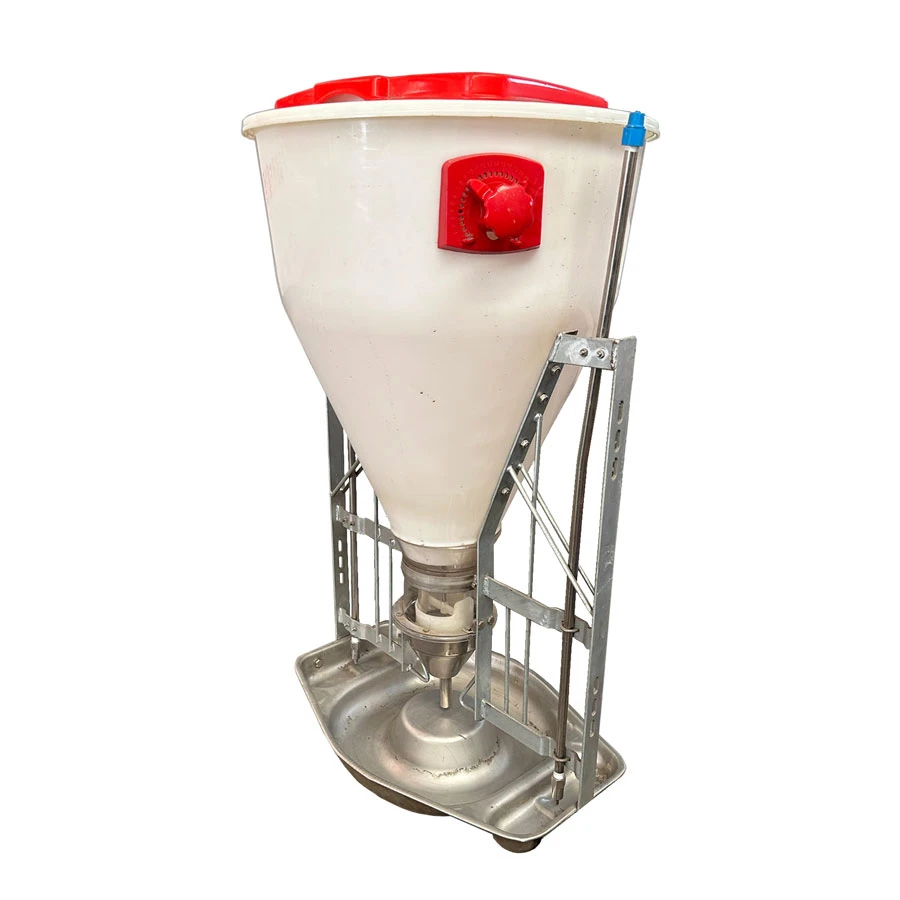
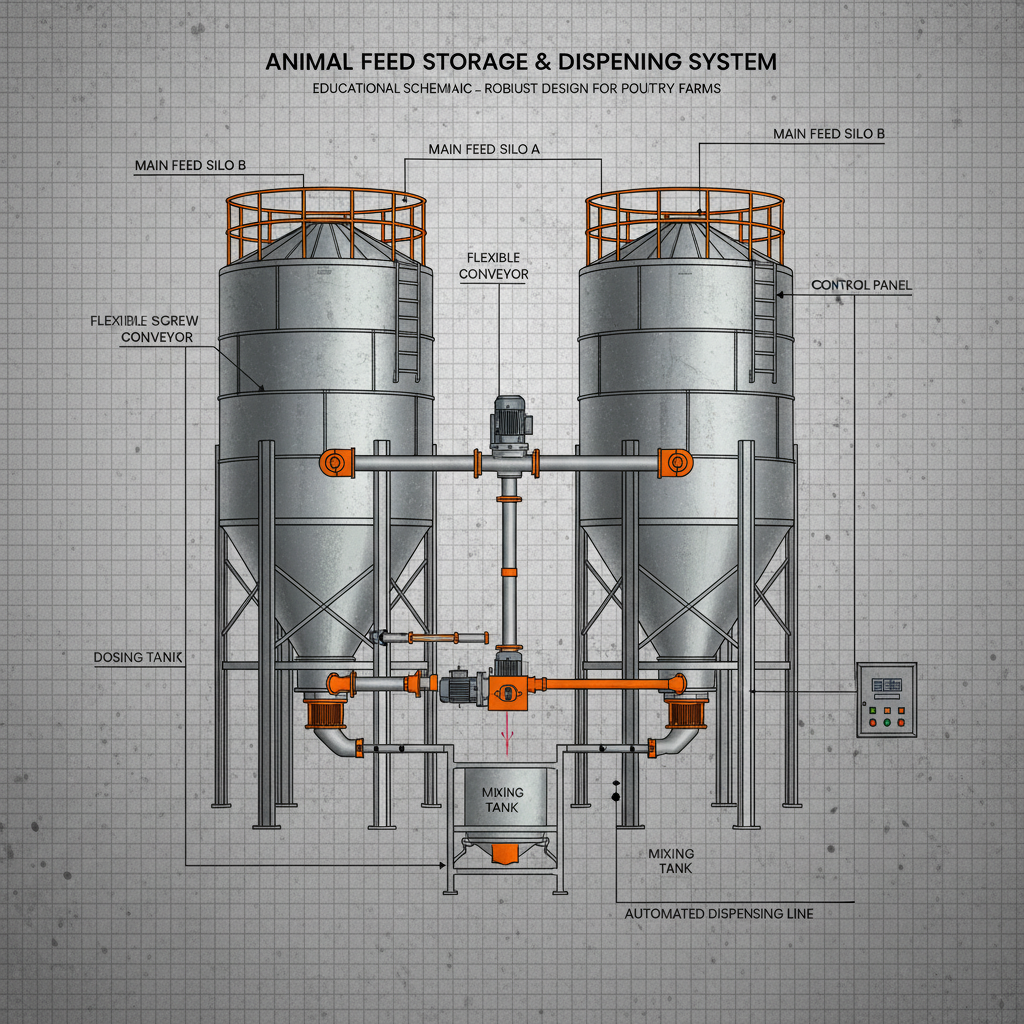
Some crates come with automated feed delivery and waste removal systems, reducing manual labor and improving overall health monitoring.
Practical Impact of Core Components
Between durability, scalability, and welfare enhancements, the ideal gestation crate balances farm economics with humane practices — a tricky dance that every modern pig farmer tries to master daily.
Mini Takeaway
Technological and design innovations in swine gestation crates reflect ongoing efforts to improve farming efficiency while addressing welfare concerns that matter to stakeholders everywhere.
Global Applications and Real-World Use Cases
The largest pork producers — China, the European Union, and the US — rely extensively on gestation crates in commercial operations. But the settings are varied:
- Commercial Farms: In industrial pig farming regions like Iowa or Spain, thousands of crates can be lined up ensuring consistent care and higher output.
- Smallholder Farms: In parts of Southeast Asia, smaller but still improved crate designs help villages control sow aggression and improve piglet survival.
- Research Facilities: These crates are often used in experimental settings to study nutrition, genetics, or disease, helping shape future farming practices.
Oddly enough, in remote or disaster-prone areas, portable and modular gestation crates have been trialed to quickly stabilize local pork production — an often overlooked point in relief operations that focus mainly on human food assistance.
Swine Gestation Crates: Advantages and Long-Term Value
People often focus on animal welfare debates, understandably so. But it's worth considering the other side: how these crates enable safer pregnancies, reduce injuries from sow aggression, and help standardize care, resulting in healthier litters and more sustainable pork supply chains.
- Cost Savings: Less labor and veterinary intervention required.
- Sustainability: Efficient use of space and resources reduces environmental footprint.
- Social Acceptance: Improvements in crate design respond to changing consumer expectations.
- Reliability: Farmers trust the crates to keep sows safe and productive.
It’s not just logic at play — farmers often speak about the peace of mind knowing their animals are protected during vulnerable periods. That, frankly, is invaluable.
What the Future Holds: Trends and Innovations
Innovation in swine gestation crates is far from static:
- Automation & Monitoring: Sensors track sow health, movement, and feeding in real time.
- Sustainable Materials: Researchers experiment with lightweight, recyclable composites to replace steel.
- Alternative Housing Models: Group housing with improved crate-like protection gains legal favor in some countries.
- Policy & Ethics: Some regions (e.g., the EU) mandate stricter welfare rules encouraging new crate designs or abolition.
It's a slow gnawing shift, but effective technology paired with evolving regulations and consumer awareness ensures a different kind of industry trajectory ahead.
Challenges Encountered and How to Solve Them
It would be naive to say swine gestation crates are perfect. Critics cite restricted movement leading to physical and behavioral stress for sows. Some farms struggle with crate maintenance, leading to injury or hygiene issues. Resistance from activist groups also creates economic and regulatory uncertainty.
Experts suggest several pathways forward:
- Invest in better design: wider crates, softer flooring, and enrichment items.
- Use data-driven welfare monitoring to identify issues early.
- Consider hybrid systems allowing limited movement without sacrificing safety.
- Engage transparently with consumers and stakeholders about care standards.
Finding compromise doesn’t happen overnight — but innovation and openness help bridge gaps.
Quick FAQ: Swine Gestation Crates
- What alternatives exist to traditional gestation crates?
- Group housing systems allow sows more freedom but require careful management to prevent aggression. Some farms also use electronic sow feeders and enriched pens as transitional solutions.
- Are swine gestation crates legal worldwide?
- Legality varies. For example, many EU countries ban or restrict them, while other regions prioritize production efficiency. Understanding local laws is essential for farmers and vendors.
- How do swine gestation crates impact sow health?
- Properly maintained crates reduce injuries from fighting but may cause physical stress if poorly designed. Enhancements like softer floors and larger space mitigate such issues.
- Can gestation crates be integrated with automated farm systems?
- Yes, many modern crates support automated feeding, waste removal, and health monitoring, which improves efficiency and animal welfare.
- Where can I learn more about purchasing or implementing swine gestation crates?
- Farm equipment suppliers and agricultural extension websites, including swine gestation crates providers, offer detailed guidance and product comparisons.
Product Specification Table
| Feature | Standard Model | Premium Model |
|---|---|---|
| Dimensions (L x W x H) | 210 x 60 x 110 cm | 220 x 70 x 115 cm |
| Material | Galvanized Steel | Stainless Steel + Composite Flooring |
| Feeding System | Manual | Automated |
| Flooring | Slatted Concrete | Enriched, Non-Slip Composite |
| Warranty | 5 years | 7 years |
Vendor Comparison Table
| Vendor | Design Quality | Price Range | Customization | After-Sales Support |
|---|---|---|---|---|
| Livestock Solutions Inc. | High-end ergonomic | $$$ | Full customization | 24/7 support |
| FarmEquip Co. | Reliable standard | $$ | Limited | Business hours |
| AgriTech Imports | Innovative design focus | $$$ | Moderate | Extended warranty |
Final Thoughts
Swine gestation crates are both a technical solution and a flashpoint for ethical questions wrapped around modern agriculture’s challenges. They are not perfect, but they serve a vital role in maintaining pork production stability globally while facing pressure to evolve toward more welfare-friendly models. For anyone involved in livestock farming, veterinary oversight, or agtech, understanding these crates is a step toward balancing productivity with dignity for the animals involved.
If you’re looking to explore the latest designs or need expert advice on swine gestation crates, feel free to visit our dedicated page — it’s a great resource for practical options and industry insights.
References
Post time: Dec . 02, 2025