Understanding Cow Equipment: The Backbone of Sustainable Livestock Farming
At first glance, cow equipment might seem like just tools and gear used on farms. But zoom out, and it’s clear this category plays a vital role in global food security, rural livelihoods, and sustainable agriculture. As the world population is expected to hit nearly 10 billion by 2050, producing enough dairy and beef sustainably is both an economic and humanitarian priority. That’s where efficient cow equipment steps in—not just making life easier for farmers but also safeguarding animal welfare and environmental standards. Understanding what cow equipment involves and how it’s evolving is crucial for anyone invested in agriculture, industrial farming, or even rural development programs worldwide.
Mini takeaway: Cow equipment isn’t just about farm machinery; it’s a pillar supporting global food chains and sustainable practices.
The Global Context: Why Cow Equipment Matters More Than Ever
The FAO estimates that livestock accounts for roughly 40% of the global agricultural economy. Yet, smallholder farms—many in developing countries—struggle with outdated or inadequate equipment, drastically limiting productivity and animal health. In industrialized regions, automation and precision technology in cow equipment are driving efficiency gains but raise questions about cost and accessibility.
Data from the World Bank indicates that improving farm equipment accessibility could increase dairy yields by up to 25% in low-income countries—a significant bump that could alleviate poverty and malnutrition. Yet challenges remain: harsh environments, lack of maintenance knowledge, and fragmented supply chains obstruct optimal use of these tools.
Mini takeaway: From the heartlands of the US Midwest to remote low-income villages in Africa and Asia, the right cow equipment can spell the difference between subsistence and flourishing farming.
What Exactly Is Cow Equipment?
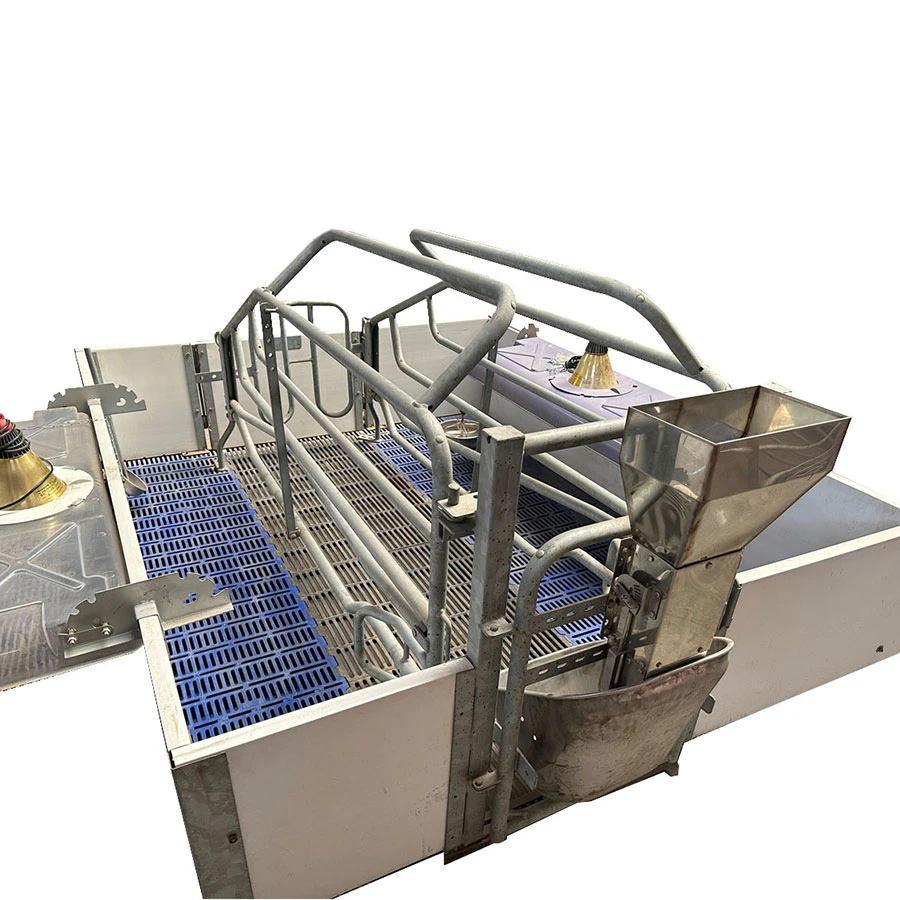
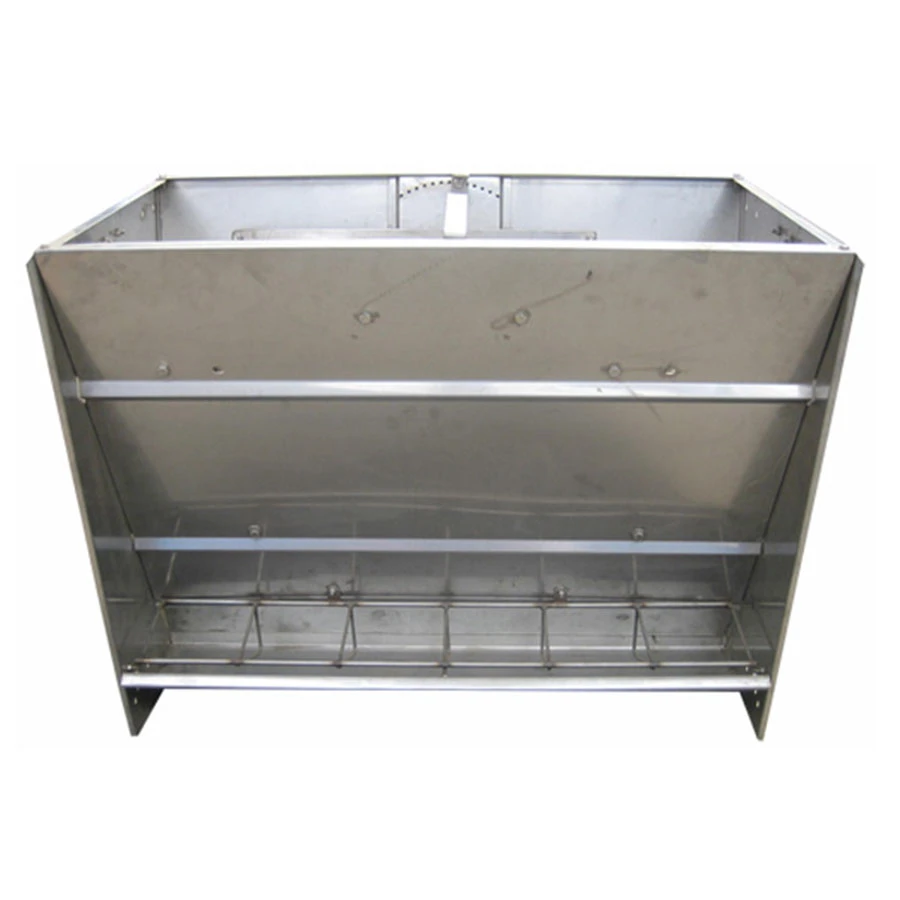
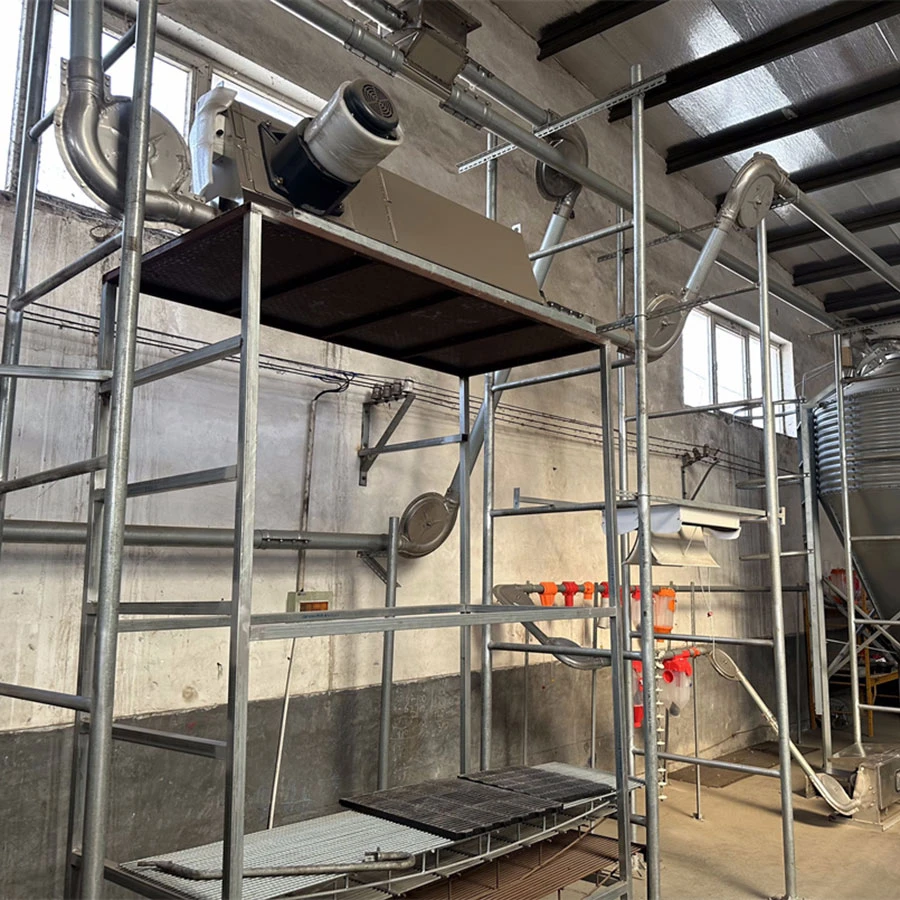
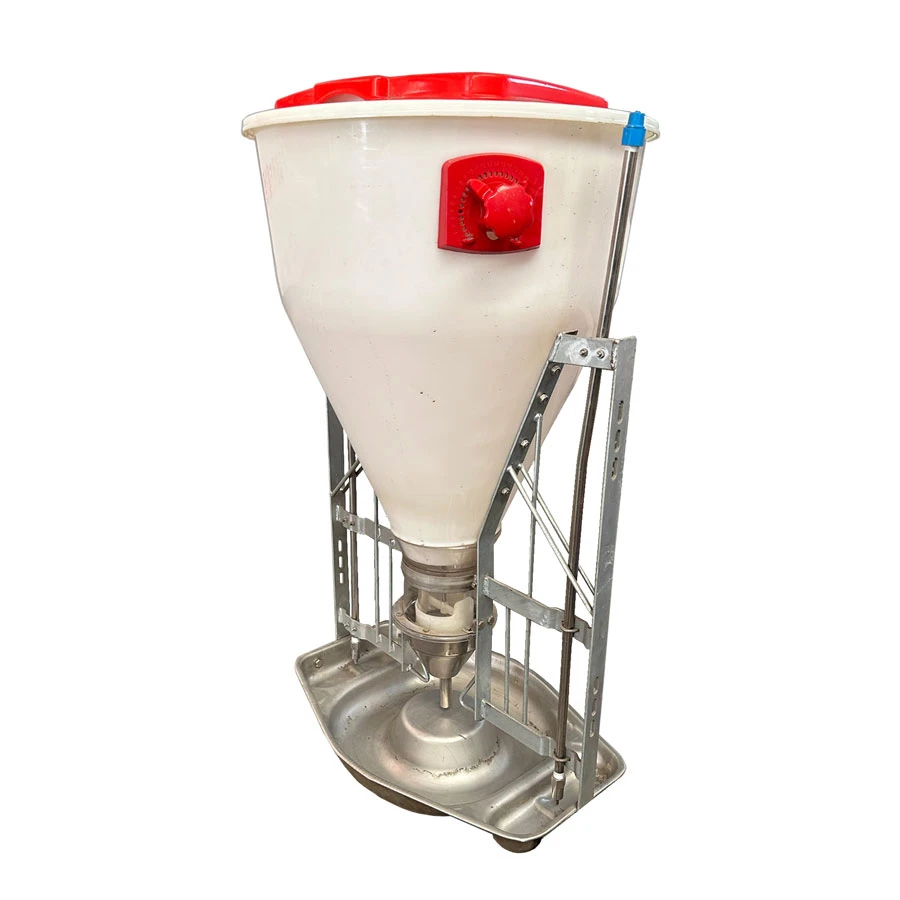
Simply put, cow equipment includes all tools, machinery, and accessories used to manage, feed, milk, and care for cattle. Think milking machines, feeding troughs, hoof trimmers, ventilation systems, and even cow identification tech. It bridges traditional husbandry and modern farming innovation, improving both output and animal welfare.
In humanitarian contexts—say post-disaster recovery or refugee settlements—portable or modular cow equipment enables quick set-ups of dairy herds, supporting nutrition and income stabilization. So, it’s not just agricultural gear; it’s a tool for resilience and dignity.
Core Components of Effective Cow Equipment
1. Durability and Weather Resistance
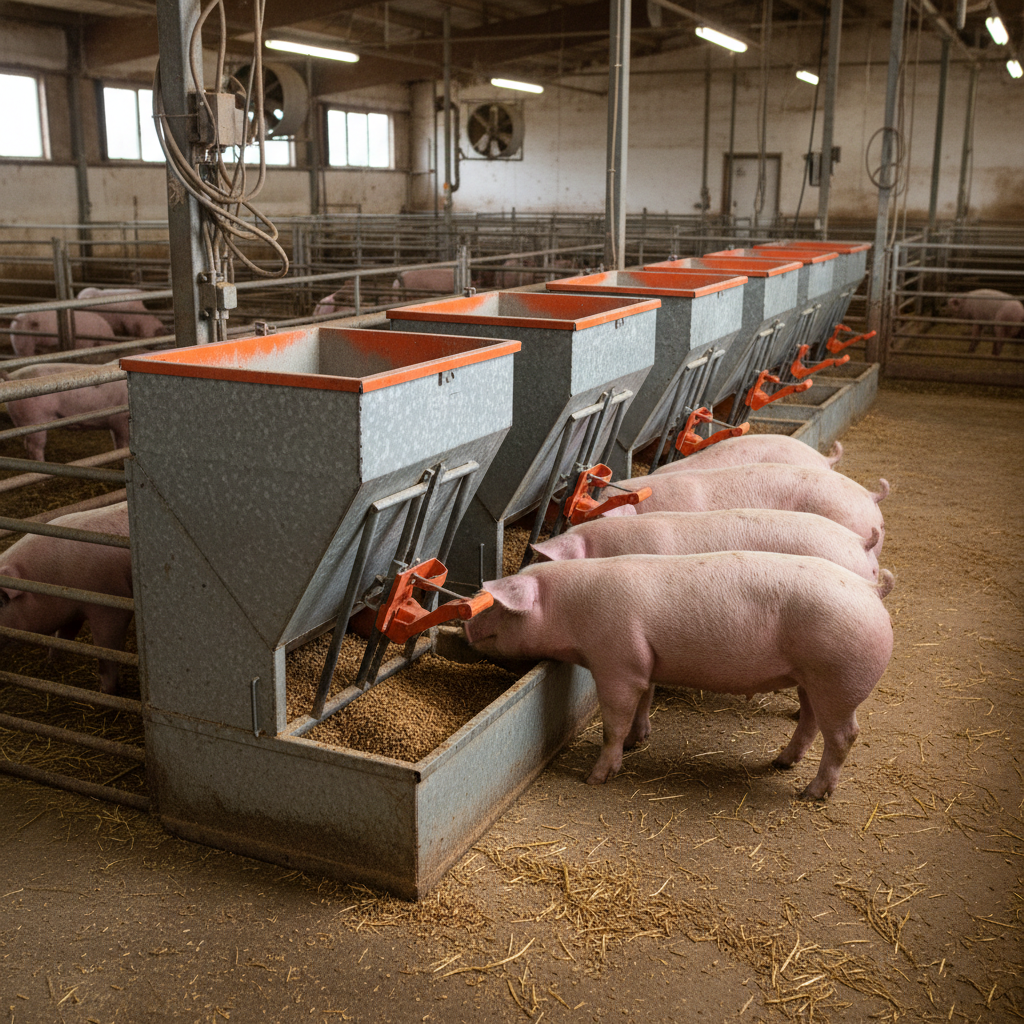
Cows don’t wait for perfect weather, do they? Equipment needs to endure mud, rain, heat, and cold. Materials like galvanized steel, UV-resistant plastics, and corrosion-resistant alloys are common. A rusty trough or a malfunctioning milking machine is neither efficient nor kind to animals.
2. Scalability and Flexibility
Whether you have five cows or five hundred, equipment needs to adapt. Modular feeding systems and mobile milking units allow farms to scale operations smoothly, saving upfront investment and reducing waste.
3. Cost Efficiency
It’s no secret farming margins can be tight. Cost-effective cow equipment balances initial price with maintenance costs and longevity. For many small-scale farmers, affordability can make or break adoption.
4. Ease of Use and Maintenance
Complicated contraptions that need constant repairs don’t belong on farms. Simple, intuitive design, sometimes paired with local-language manuals or video instructions, can ease adoption and improve uptime.
5. Animal Welfare Focus
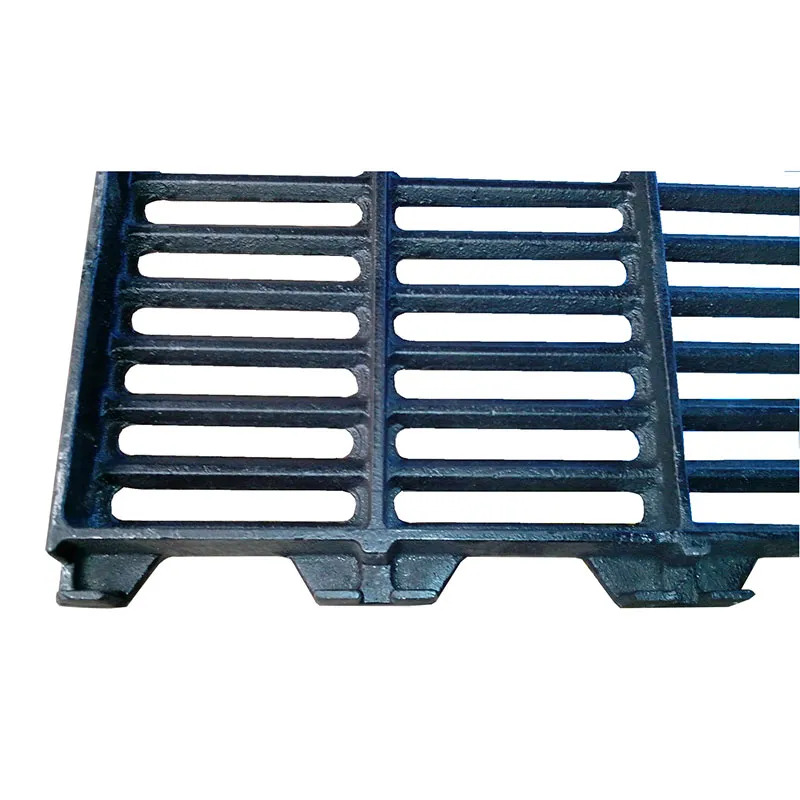
Equipment like ergonomic milking parlors, soft flooring mats, and automatic waterers minimizes stress and injury. Happier cows generally produce better milk and meat.
Mini takeaway: The best cow equipment marries ruggedness with practicality, affordability, and a humane touch.
Real-World Uses: From Pasture to Global Markets
In New Zealand’s dairy heartland, automation-heavy cow equipment systems handle thousands of cows daily, improving milk yields and traceability. In contrast, regions in East Africa might rely on hand-milking stools, basic feed dispensers, and mobile health kits. But thanks to NGO initiatives, solar-powered milking machines and water pumps are increasingly accessible even in remote areas.
- Post-disaster relief: NGOs deploy compact milking units with hygiene kits to quickly revive livelihoods.
- Commercial farms: Use digital monitoring equipment measuring milk output, feed efficiency, and cow health in real-time.
- Small-scale farmers: Adopt low-cost yet durable feed containers and hoof care tools manufactured locally.
Mini takeaway: Context dictates equipment style, but all serve the core mission: supporting cattle health and farmer success.
Advantages of Investing in Quality Cow Equipment
- Cost savings: Less downtime, fewer health issues, and better yields lead to stronger farm economics.
- Environmental sustainability: Efficient feeding reduces waste; cleaner milking systems lower disease risks.
- Social impact: Healthier cows improve rural incomes, nutrition, and community stability.
- Emotional satisfaction: Farmers often develop close bonds with livestock; equipment that eases stress on animals also promotes pride and dignity.
Future Innovations Shaping Cow Equipment
There’s a quiet revolution underway. Precision farming technologies are integrating IoT sensors into collars or barns, tracking health metrics via cloud applications. Solar-powered machinery and biodegradable materials reduce carbon footprints. Robotics are improving milking speeds and consistency. Big data analytics help predict and prevent diseases before symptoms show. Oddly enough, even AI is playing a role in monitoring cow behavior through video analysis.
Challenges Along the Way and How Experts Tackle Them
Accessibility remains a problem—high-tech gear can be cost-prohibitive or require skills many farmers lack. Supply chains for spare parts may be unreliable, especially in remote areas. To counter this, many companies are designing equipment with modular parts and offering training workshops. Public-private partnerships often subsidize initial investments to boost adoption.
FAQ About Cow Equipment
- What are the benefits of automated milking systems over traditional hand milking?
- Automated milking systems improve efficiency by allowing cows to be milked on their own schedule, reducing labor costs and increasing milk yield consistency. They also often include sensors to monitor cow health, detecting illnesses early. However, upfront costs and maintenance needs are higher than hand milking.
- How long does typical cow equipment last in harsh farming environments?
- Durability varies, but well-made equipment using corrosion-resistant materials can last 10+ years with proper upkeep. Regular maintenance and seasonal inspections extend service life significantly.
- Is it cost-effective for smallholders to invest in modern cow equipment?
- It depends on scale and access to financing. Many smallholders benefit from low-cost, locally sourced equipment improvements. Incremental upgrades—like better feeding troughs or mobile water pumps—often offer the best ROI.
- How do NGOs facilitate the international import of cow equipment?
- NGOs usually coordinate with manufacturers to bulk-buy equipment, handle customs clearance, and incorporate local training. Partnerships with regional institutions also smooth adoption barriers and ensure sustainability.
Product Specification Table: Typical Features of Common Cow Equipment
| Equipment | Material | Capacity | Power Source | Typical Lifespan |
|---|---|---|---|---|
| Automated Milking Machine | Stainless steel, silicone liners | Up to 100 cows per shift | Electricity (solar compatible) | 8 - 12 years |
| Feeding Trough | Galvanized steel, plastic | 500 kg feed capacity | Manual | 15+ years |
| Hoof Trimmers | Steel with rubber grips | N/A | Manual | 5 - 7 years |
Vendor Comparison: Leading Cow Equipment Suppliers
| Vendor | Product Range | Pricing | Global Reach | After-Sales Support |
|---|---|---|---|---|
| AgroMilky Corp | Automated milking systems, sensors | $$$ (Premium) | North America, Europe, Asia | Comprehensive 24/7 service |
| FarmTech Solutions | Manual & semi-auto milking, feeding equipment | $$ (Mid-range) | Europe, Africa | Online support + regional reps |
| RuralEquip Co. | Basic hoof care, troughs, manual tools | $ (Budget-friendly) | Africa, South Asia | Local technicians and training workshops |
Conclusion: The Long Road Ahead for Cow Equipment
In the end, good cow equipment feels like the quiet hero of the agricultural world. It’s not flashy, nor does it dominate headlines, but it shapes the daily realities of millions of farmers and their herds. Whether in industrial dairy farms or small rural communities, investing in the right equipment boosts productivity, animal welfare, and environmental sustainability. And as technology evolves in leaps and bounds, so too does the promise of smarter, greener, more accessible tools—making every drop of milk and morsel of beef count toward global food security.
If you’re involved in livestock farming, development work, or agri-business, I encourage you to explore the latest trends and products available. Visit our website: cow equipment for more insights and curated solutions designed to meet diverse farming needs worldwide.
Mini takeaway: When the humble milking machine or robust feeding trough works well, entire communities prosper along with their herds. It’s a small thing that matters enormously.
References
Post time: Nov . 21, 2025