The Growing Importance of the Cow Stall in Modern Agriculture
When you think of farming, the term cow stall might sound basic — just a spot for cows to rest or eat, right? Well, not exactly. The humble cow stall has become a crucial piece of infrastructure in global livestock management, impacting everything from animal welfare to productivity and even environmental sustainability. Around the world, more farmers, especially those invested in dairy, realize that a well-designed cow stall can mean better milk yields, healthier cattle, and less stress on resources.
In fact, according to a recent UN Food and Agriculture Organization (FAO) report, investments in animal housing like improved cow stalls have a direct correlation with increased dairy production and lowered methane emissions from livestock—an often overlooked benefit for climate-friendly farming.
Understanding What a Cow Stall Really Is
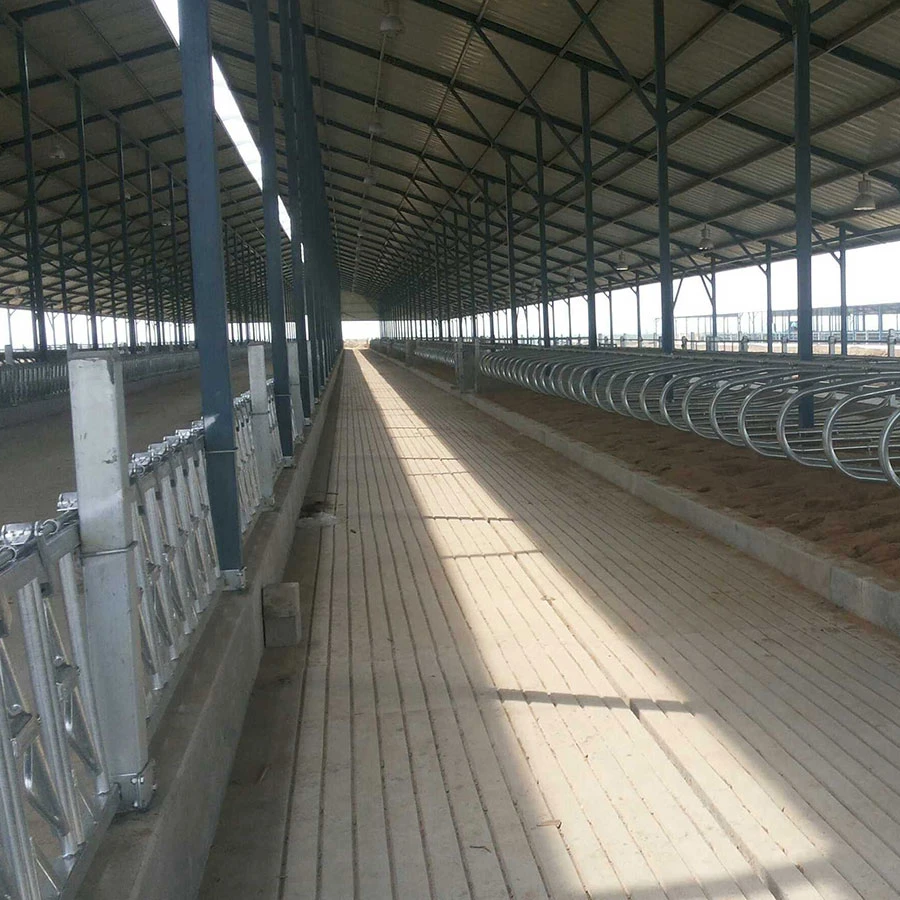
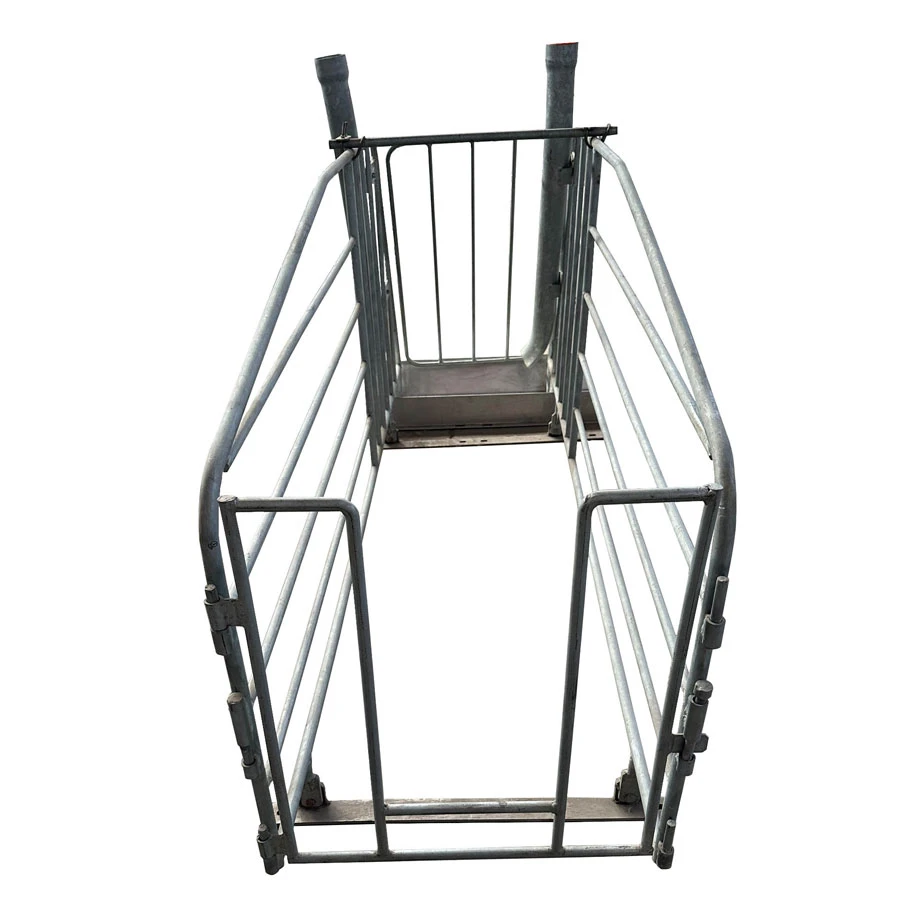
Essentially, a cow stall is a designated area where cattle can comfortably lie down, rest, and eat. But modern cow stalls are far from simple. They are carefully engineered spaces that balance animal comfort with operational efficiency. For farmers—even humanitarian organizations setting up emergency livestock shelters—a good cow stall can mean the difference between animal stress and well-being.
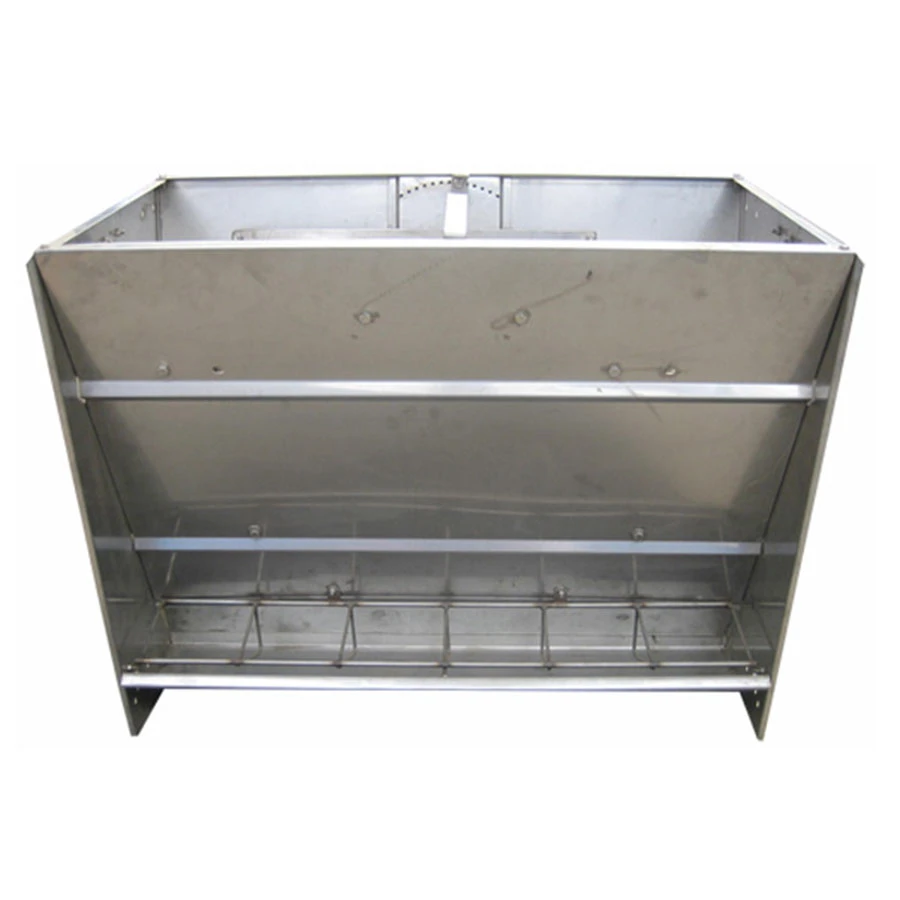
Over the years, cow stalls have evolved from crude fenced-in pens to ergonomically designed partitions with special bedding materials, drainage systems, and sometimes even automated feeders. This evolution is tightly connected to rising standards in both agricultural industries and animal welfare laws.
Core Features That Define an Effective Cow Stall
1. Comfort & Ergonomics
Comfort is king here. Stall size, layout, and bedding materials (like sand or straw) should allow cows to lie down and stand up with ease, reducing injuries. Many engineers say that ergonomic stalls reduce stress hormones in cows, directly boosting milk output.
2. Durability & Hygiene
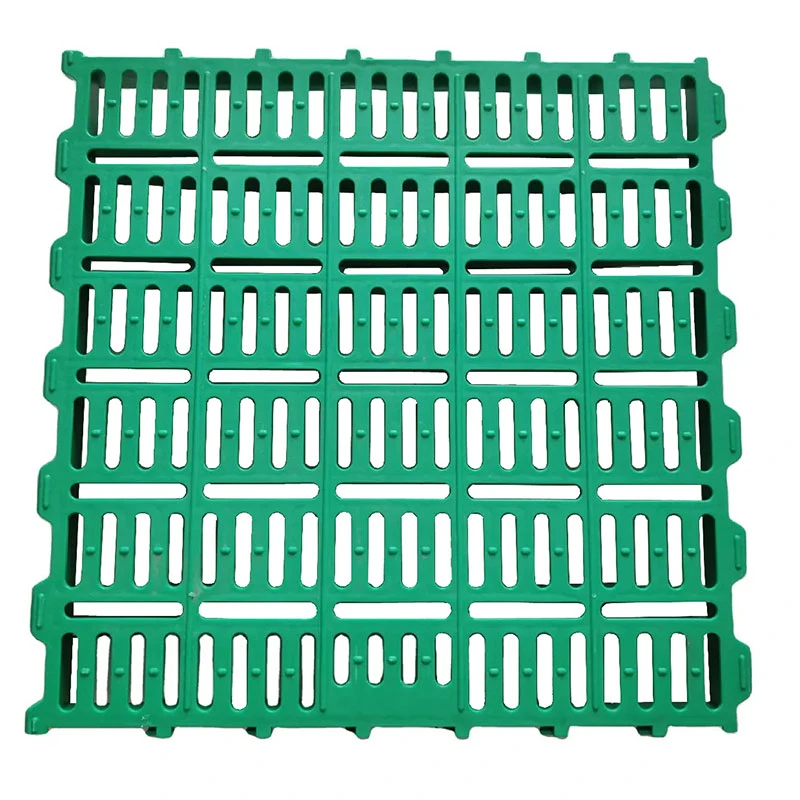
Materials matter. Strong yet easy-to-clean surfaces ensure longevity and minimize disease risks. Concrete floors with rubber mats or synthetic surfaces have become quite common for durability and cow comfort.
3. Scalability & Adaptability
Whether it’s a small farm or an expansive dairy operation, cow stalls need to be scalable. Modular designs allow quick adjustments, which matter when herd sizes fluctuate or a new barn is added.
4. Cost-Effectiveness
When budgeting, farmers look at both upfront and maintenance costs. Some prefer concrete stalls for their lifespan, others opt for prefabricated units that speed up installation. The goal: a balance of value, longevity, and livestock comfort.
5. Environmental Integration
Good stalls aid manure management, often integrated with sustainable waste systems. Environmental impact reduction is no longer optional in many countries—it’s a must.
| Feature | Details |
|---|---|
| Length | 1.8 – 2.4 meters |
| Width | 1.2 – 1.5 meters |
| Flooring | Concrete with rubber mats or sand bedding |
| Frame | Galvanized steel or wood |
| Drainage | Sloped gutters or floor channels |
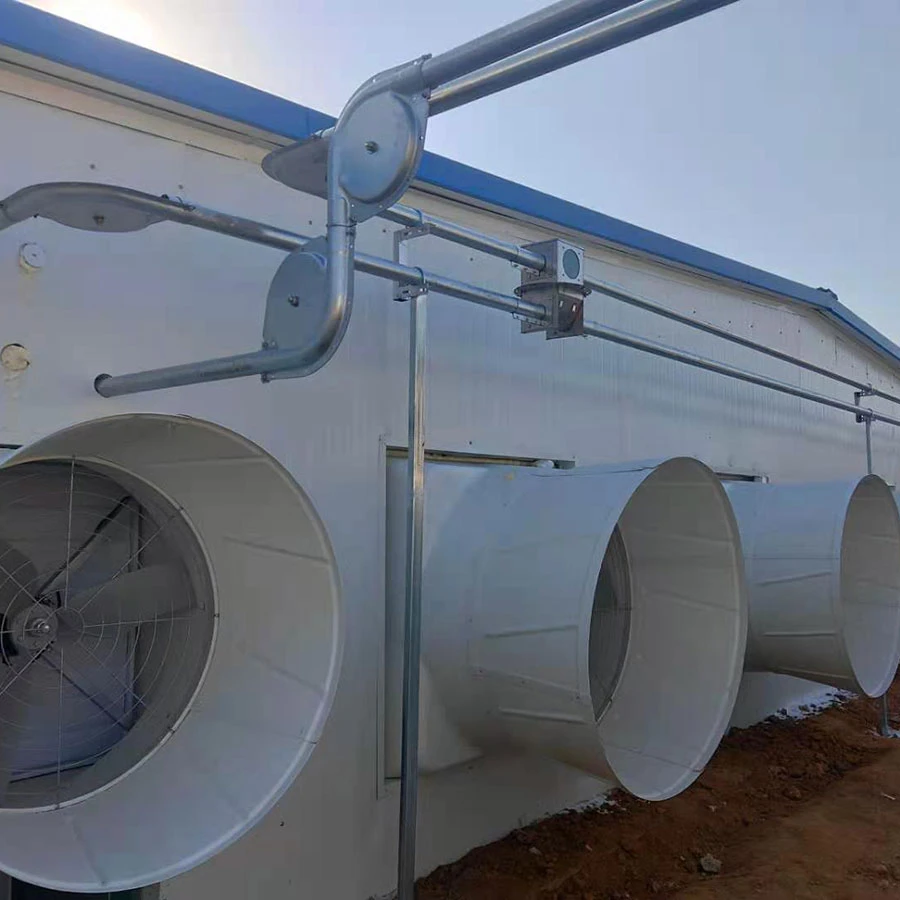
| Additional Features | Automated feeders, ventilation options |
Where Cow Stalls Are Making Real-World Impacts
It’s interesting how these units are everywhere—from industrial dairy farms in Europe to smallholder operations in India, and increasingly in relief settings in Sub-Saharan Africa. In fact, international NGOs have started including modular cow stall setups as part of their agricultural development packages, helping communities rebuild self-sustaining livelihoods.
For instance, in post-disaster recovery efforts, clean and safe cow stalls allow farmers to shelter their herds quickly, avoiding disease spread. Similarly, in remote industrial zones of Canada, highly durable and easy-to-clean stalls help maintain livestock productivity while keeping up with strict environmental standards.
Top Vendors: Comparing Options for Your Cow Stall Needs
| Vendor | Product Types | Customization | Price Range (USD) | Delivery Time |
|---|---|---|---|---|
| FarmTech Solutions | Modular steel and rubber mat stalls | High; sizes & bedding options | $350 - $600 / unit | 3–4 weeks |
| CattleCare Corp | Precast concrete stalls | Medium; bedding type fixed | $280 - $520 / unit | 2–3 weeks |
| GreenBarn Solutions | Eco-friendly bamboo frame with sand bedding | High; eco modifications | $400 - $650 / unit | 4–5 weeks |
Advantages & What You Gain Long-Term
- Cost savings: Durable materials and good design cut maintenance bills.
- Animal welfare: Less stress and injury = healthier, more productive cattle.
- Environmental benefits: Controlled waste and methane reduction.
- Social impact: Supporting farmers' livelihoods strengthens rural economies.
All these points connect to a larger theme: trust. Both for farmers managing livestock and consumers checking milk quality, a good cow stall underpins confidence in the entire supply chain.
New Horizons: Innovations in Cow Stall Design
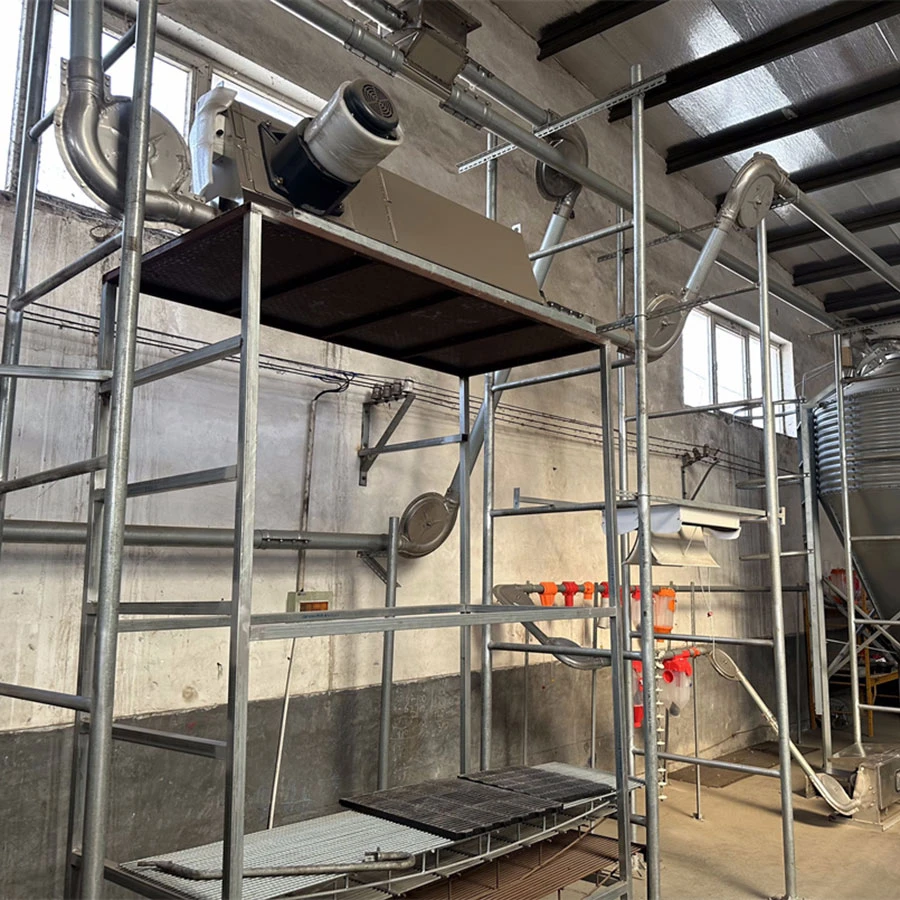
What’s coming next? Automation is creeping in — think smart sensors monitoring cow behavior and stall cleanliness, integrated lighting that aligns with cows’ natural rhythms, and even solar-powered ventilation units. Materials science also pushes forward with recyclable plastics and biodegradable composites replacing traditional steel or concrete parts.
There’s also a growing focus on green energy integration, such as small-scale biogas plants using manure collected efficiently via stall designs, powering local farm needs or feeding grid systems. The digital transformation of livestock farming isn’t sci-fi anymore; it’s a soon-to-be reality on many farms.
Challenges & Solutions in Cow Stall Implementation
Of course, not all is smooth. Farmers in lower-income regions sometimes struggle with sourcing modern materials or adopting new designs due to costs or lack of expertise. In addition, improper ventilation or drainage can lead to health problems, and that’s still too common.
Experts suggest adopting modular, low-tech yet effective designs that can be customized locally. Also, training programs combined with microfinancing help overcome initial cost barriers. NGOs and private ventures have started collaborative projects to distribute affordable cow stall kits tailored for diverse climates.
FAQ About Cow Stalls
- How does a well-designed cow stall improve milk production?
- A comfortable stall reduces stress and physical injury, encouraging cows to spend more time resting and eating—both crucial for higher milk yields.
- Are modular cow stalls suitable for small farms?
- Yes, modular stalls adapt easily to different herd sizes and can be scaled up or down without major construction, making them ideal for small farms and startups.
- Can cow stalls help reduce environmental impacts?
- Definitely. Proper design aids manure collection and methane capture, minimizing pollution and supporting sustainable farming practices.
- What’s the lifespan of a typical cow stall?
- With good materials and maintenance, a cow stall can last 10–20 years, although components like bedding or mats might need periodic replacement.
- How can I find the right cow stall vendor?
- Look for local or international suppliers offering customization, reliable delivery, and after-sales support. Comparing specs and prices, like in our vendor table above, helps weigh options.
Final Thoughts & Next Steps
To sum up, the cow stall is a deceptively simple but transformative tool in modern livestock management. It embodies a blend of animal comfort, operational efficiency, and sustainability — all essential for farmers meeting today’s economic and environmental demands. Whether you’re starting a small dairy or scaling a commercial enterprise, investing in the right cow stall setup pays dividends in wellbeing, productivity, and future readiness.
So, if you want to keep your herd happy and your operation thriving, check out our expert cow stall solutions—because quality starts at home, or in this case, the stall.
References
Post time: Nov . 26, 2025