Custom Floor Grates: The Unsung Heroes of Industrial Safety and Efficiency
If you’ve ever walked through a factory floor, stepped over a drainage trench, or passed by an outdoor loading dock, you’ve likely encountered floor grates. But “custom floor grates” — those tailor-made, fit-for-purpose panels — go way beyond their humble appearance. Globally, these metal or composite structures play a pivotal role in safety, drainage, ventilation, and even sustainable infrastructure design.
Understanding custom floor grates matters because, on a worldwide scale, industries from manufacturing to humanitarian relief depend on them to ensure durability, cleanliness, and worker safety. The benefits? Reduced slip hazards, optimized drainage systems, and the ability to adapt solutions for uniquely challenging environments. Here’s a deep dive into why custom floor grates are quietly shaping industries everywhere.
Why Custom Floor Grates Matter in Today’s Global Industry
Worldwide infrastructure and industrial safety standards are evolving quickly. According to ISO 14122, workplace safety guidelines emphasize proper flooring and safe walkways to protect workers from accidents. Meanwhile, the United Nations cites that poor sanitation and unsafe industrial environments significantly hinder sustainable development goals (SDGs 3 & 6 especially).
Here’s a statistic that caught my attention: The World Bank reports that inefficient drainage and poor floor design contribute to over 20% of workplace accidents in developing industrial zones. That’s where custom floor grates step in — providing tailored solutions for specific risk factors. It’s not just about pouring a generic grate in place; it’s about engineering flooring solutions that adapt to local needs, environment, and regulatory frameworks.
That said, challenges persist. Standard grates often don’t fit specific site requirements, leading to costly replacements, safety hazards, or inefficient water runoff systems. Custom floor grates address these gaps.
What Exactly Are Custom Floor Grates?
At their core, custom floor grates are uniquely designed platform covers, usually made of steel, aluminum, or composite materials, that serve to support foot and sometimes vehicle traffic while allowing for drainage, ventilation, or debris passage. Unlike off-the-shelf grates, they’re engineered to specifications — width, load capacity, corrosion resistance — suiting the exact demands of a project or facility.
Industries like petrochemical plants, food processing, and even humanitarian shelters rely on these bespoke systems. For example, in disaster relief camps, modular floor grates provide durable, hygienic flooring solutions for temporary kitchens or sanitation zones. It’s fascinating how something so low-profile has a direct bearing on modern global challenges.
Mini Takeaway:
- Custom floor grates are precision-engineered solutions enhancing safety and efficiency.
- They respond to diverse demands across industries and geographies.
Key Factors Defining Custom Floor Grates
1. Durability
Materials matter. Many engineers prefer galvanized steel or corrosion-resistant stainless steel for harsh environments, balancing cost and lifespan. Durability ensures grates withstand heavy loads or extreme chemical exposure without warping or corroding.
2. Load Capacity
From pedestrian walkways to heavy vehicle zones, grates must support different weights. Custom design ensures proper structural support — avoiding dangerous flexing or breakage.
3. Drainage Efficiency
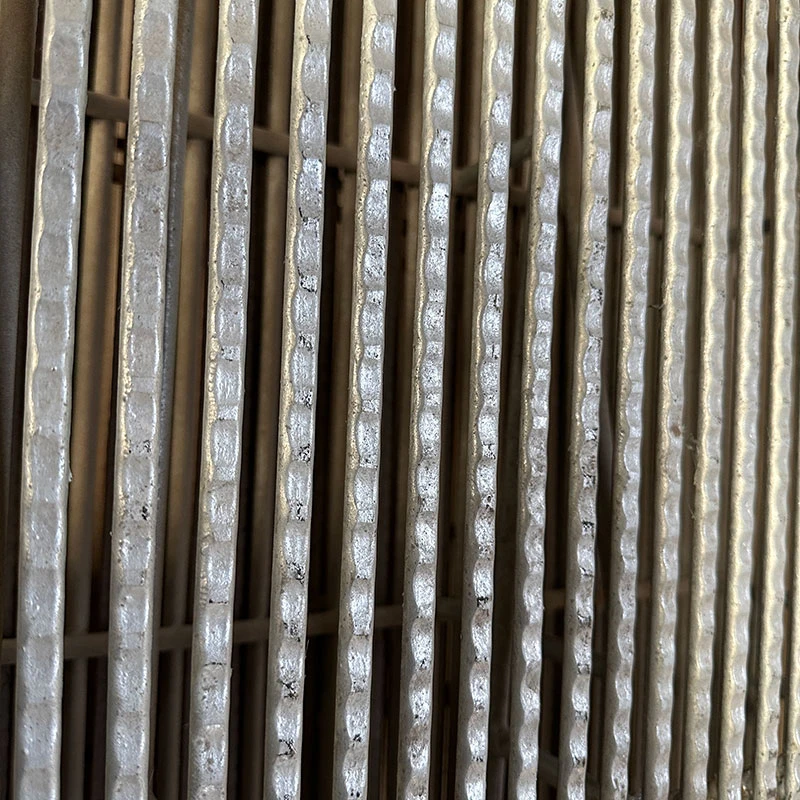
The spacing, slat design, and depth affect water runoff and debris filtering. This is vital in outdoor settings, food plants, or any wet environment.
4. Safety Features
Anti-slip coatings and specific pattern designs reduce trip risks. It’s the small details that prevent accidents.
5. Scalability & Custom Fit
Each site is unique — floor plans, pipe layouts, and machinery footprints vary. Custom grates can be made to exact dimensions and mounting styles, minimizing installation time and post-install modifications.
6. Cost Efficiency
Though tailored systems may initially cost more than mass-produced options, lower maintenance expenses and longer lifespans often lead to better total cost of ownership.
Mini Takeaway:
- Durability and load capacity are non-negotiables.
- Effective drainage and safety are top priorities in design.
- Customization means better fit, faster installs, and greater cost efficiency.
Real-World Applications of Custom Floor Grates
Custom floor grates find homes all over the globe. You’ll spot them in the buzzing ports of Rotterdam, the food processing plants in California’s Central Valley, or the sprawling disaster relief zones in Southeast Asia.
- Industrial Plants: Chemical refineries require acid-resistant grates with specialized drainage to handle hazardous spills.
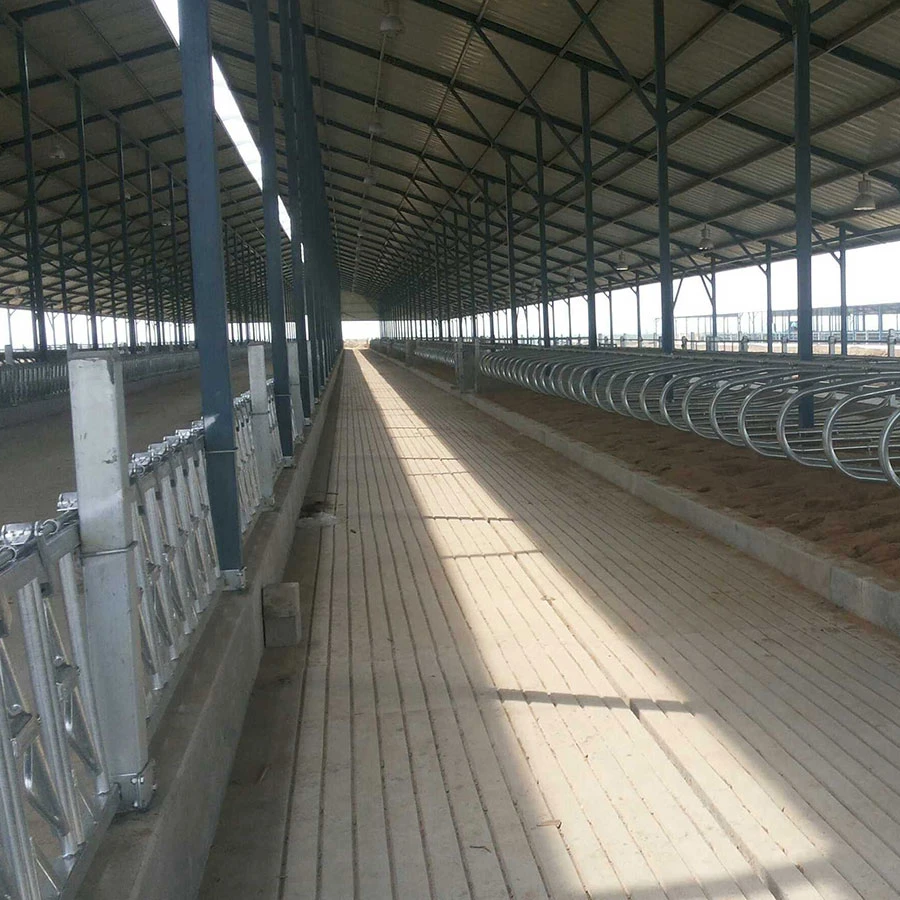
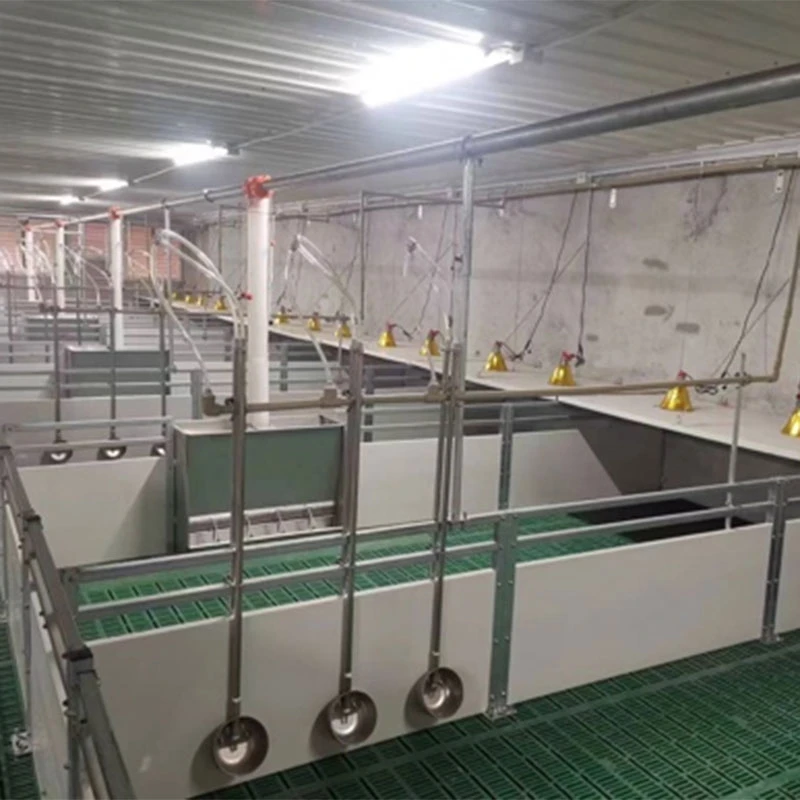
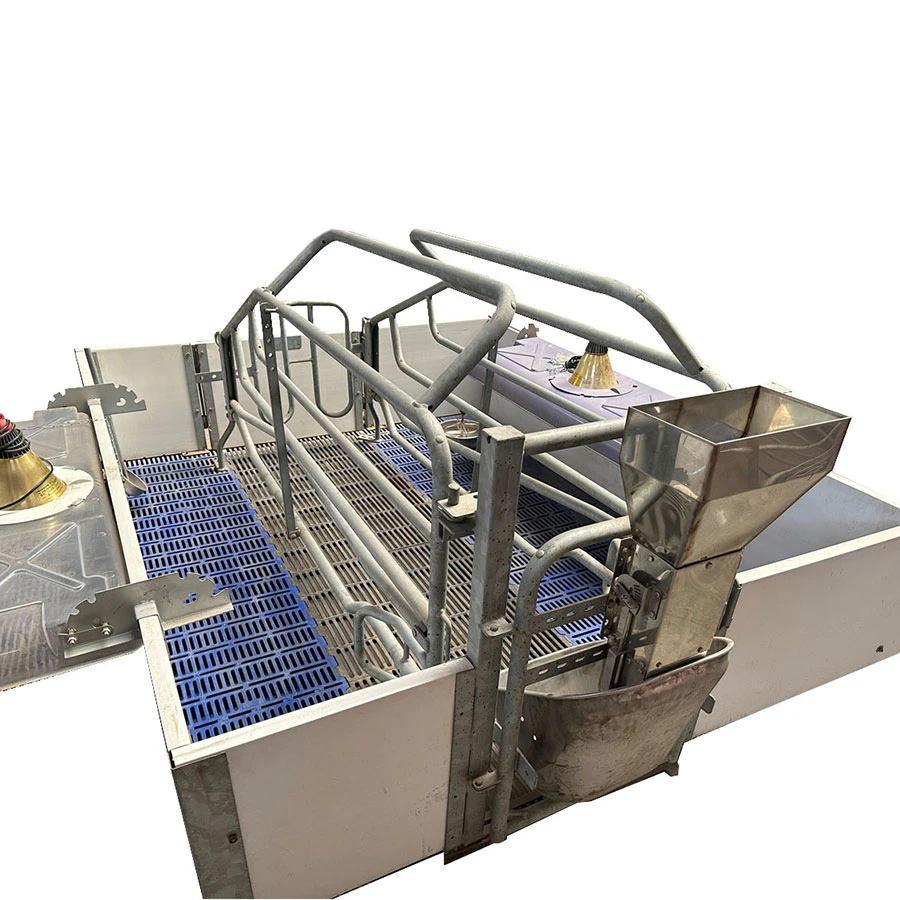
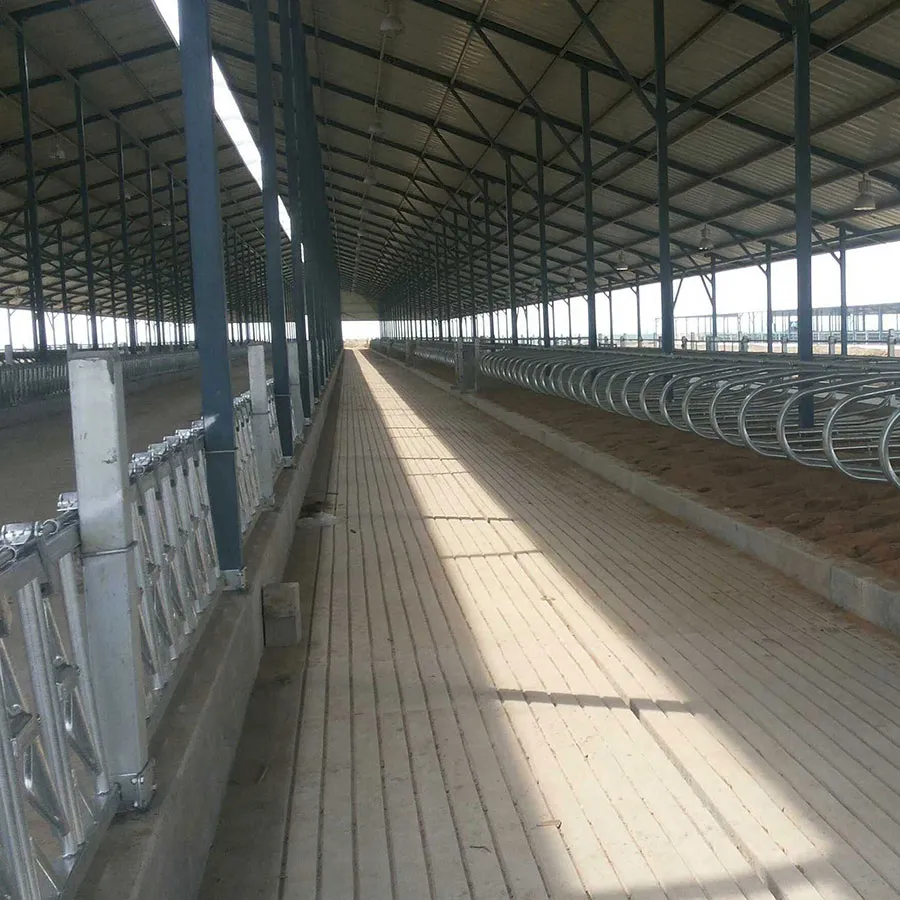
- Agricultural Facilities: In livestock barns, grates designed for manure drainage improve hygiene and reduce disease risk.
- Disaster Relief Camps: Modular grates stabilize muddy terrain quickly, helping create safe, hygienic walkways for displaced populations.
- Urban Infrastructure: City drainage systems rely on durable grates that prevent debris clogging and flooding during storms.
In remote industrial zones, engineers often choose custom floor grates for scalability and the ability to retrofit existing foundation systems, which can be tricky to modify otherwise.
Mini Takeaway:
- Custom floor grates adapt to a wide variety of regional and sector needs.
- They’re essential for safe, sanitary, and sustainable infrastructure worldwide.
Advantages and the Long-Term Value of Custom Floor Grates
Investing in custom grates offers clear returns:
- Safety: Less slipping, tripping, or load failure means fewer workplace accidents.
- Sustainability: Durable materials lower waste and resource use over time.
- Cost Savings: Reduced maintenance and longer replacement cycles ease financial burdens.
- Social Impact: Better floor environments support worker comfort and dignity.
- Reliability: Custom-fit solutions reduce downtime caused by poorly fitting components or drainage failures.
Ultimately, these grates aren’t just functional. They inspire trust in facility design. It feels reassuring knowing a product was created uniquely for your environment. There’s a human factor to tailored engineering — it says ‘we care’ about safety and performance.
Looking Ahead: Trends and Innovations in Custom Floor Grates
The future, it seems, holds some exciting advancements:
- Eco-Friendly Composites: New bio-based or recycled materials promise lighter yet strong grates, cutting carbon footprints.
- Smart Sensors Integration: Embedded IoT tech can monitor wear, load stress, or clogging remotely—minimizing unexpected failures.
- Automation in Fabrication: 3D printing and robotic welding speed up precision manufacturing and allow for more complex shapes.
- Green Policies: ISO standards increasingly emphasize sustainable materials and designs, influencing future product development. ul>
- Custom solutions require smart project planning to control costs and schedules.
- New manufacturing techniques and modular designs are easing traditional challenges.
Challenges and Solutions in Implementing Custom Floor Grates
One of the biggest hang-ups is upfront cost — it’s easy for some to hesitate at custom solutions. However, the lifespan and reduced labor often justify the investment over time. Another common issue is lead time; custom manufacturing can take longer than ordering standard stock.
Solutions? Collaborative early-stage planning between engineers, manufacturers, and site managers helps anticipate installation quirks. Some vendors now offer modular custom segments that combine the best of both worlds — quick assembly plus tailored fit.
Mini Takeaway:
Product Specification Table
| Specification | Typical Range/Options | Notes |
|---|---|---|
| Material | Galvanized steel, Stainless steel, Aluminum, Composite | Material selected by environment & load |
| Load Capacity | Pedestrian (≤ 5 kN/m²), Light Vehicles (5–20 kN/m²), Heavy vehicles (>20 kN/m²) | Critical for safety compliance |
| Grate Opening Size | 5 mm up to 50 mm | Small openings reduce tripping risks |
| Dimensions | Custom widths/lengths as per project | Fitted to exact site demands |
| Anti-Slip Surface | Coatings or patterned textures | Enhances worker safety |
| Installation Type | Bolt-down, Welded, Modular Locks | Depends on site and future maintenance |
Vendor Comparison Table
| Vendor | Material Options | Customization Level | Typical Lead Time | Price Range |
|---|---|---|---|---|
| GratePro Industries | Steel, Aluminum | High (full specs) | 4–6 weeks | $$$ |
| EcoGrate Solutions | Composite & Recycled Materials | Medium (modular sets) | 3–5 weeks | $$ |
| SafeStep Solutions | Stainless Steel, Coated Steel | High (custom patterns & sizes) | 5–7 weeks | $$$$ |
Common Questions About Custom Floor Grates
Q1: How do custom floor grates improve safety compared to standard ones?
A1: Custom floor grates are designed specifically to match the load requirements, slip resistance, and site dimensions of your facility. This reduces hazards like uneven surfaces, unexpected gaps, or weak points that might exist with generic grates. Tailored designs can also include anti-slip textures and corrosion-resistant coatings, enhancing long-term safety.
Q2: Can custom floor grates be used outdoors in extreme weather?
A2: Absolutely. By selecting materials like galvanized or stainless steel, or composites designed to withstand UV exposure and moisture, custom grates maintain their integrity even in harsh weather. Proper drainage pattern design also prevents water pooling and ice formation, reducing slip risks.
Q3: What is the typical turnaround time for a custom grate order?
A3: Lead times vary but typically range from 3 to 7 weeks depending on complexity, material choice, and vendor capacity. Early consultation between project managers and manufacturers can help streamline the schedule.
Q4: How do custom floor grates contribute to sustainability initiatives?
A4: Using durable, recyclable materials and designing for longevity means fewer replacements and less waste. Some manufacturers even offer grates made from recycled composites, lowering environmental impact directly.
Q5: Are custom floor grates easy to maintain?
A5: Yes. Because they’re designed for the specific environment, cleaning and maintenance routines can be optimized. Some grates feature modular sections for quick removal, easing inspection and repairs.
Wrapping It Up: Why Custom Floor Grates Are Worth the Investment
In real terms, investing in custom floor grates isn’t just about buying a product; it’s about embracing safety, efficiency, and sustainability in industrial design. Their tailored nature means fewer compromises, less downtime, and smarter long-term costs. For businesses and humanitarian projects alike, these grates represent a small but significant piece of infrastructure that keeps operations moving smoothly — and safely.
Curious to explore custom options that fit your project perfectly? Visit our website: custom floor grates to learn more.
References
Post time: Dec . 02, 2025