Looking for a dehorning crate that just works? Read this before you buy.
If you’ve been pricing a dehorning crate for sale, you’ve probably noticed two things: big differences in build quality and even bigger differences in claims. I’ve toured a few yards and fabrication shops this year and, to be honest, the gap between brochure-speak and ranch reality can be wide. Below is what actually matters, plus a product line that’s been earning steady word-of-mouth: CXLivestock’s “Cattle Farming Consumables In Cattle Farming Equipment,” built in Huanghua City, Hebei.
What’s trending in dehorning crates
- Low-stress handling design: quieter latches, rounded edges, better head-bail ergonomics.
- Hot-dip galvanizing per ISO 1461 for longer life outdoors.
- Modular panels: swap in palpation doors, anti-backing bars, or scale mounts.
- Real QA testing: salt-spray, cyclic latch testing, and proof loads becoming standard, not optional.
Specifications that matter (and why)
Actually using a crate at dawn in mud is the real test. Here are typical specs I’ve verified on recent shipments from CXLivestock’s Dongtai Road facility (Economic and Technological Development Zone, Huanghua City, Hebei Province, China) — with a few notes from the field.
| Item | Spec (≈ real-world) | Why it matters |
|---|---|---|
| Frame material | Q235 steel, 50×50×2.5 mm posts | Stiff enough for adult cattle; welds hold under lateral pushes. |
| Finish | Hot-dip galvanized per ISO 1461 (≈85 μm) | Resists corrosion; longer service life outdoors. |
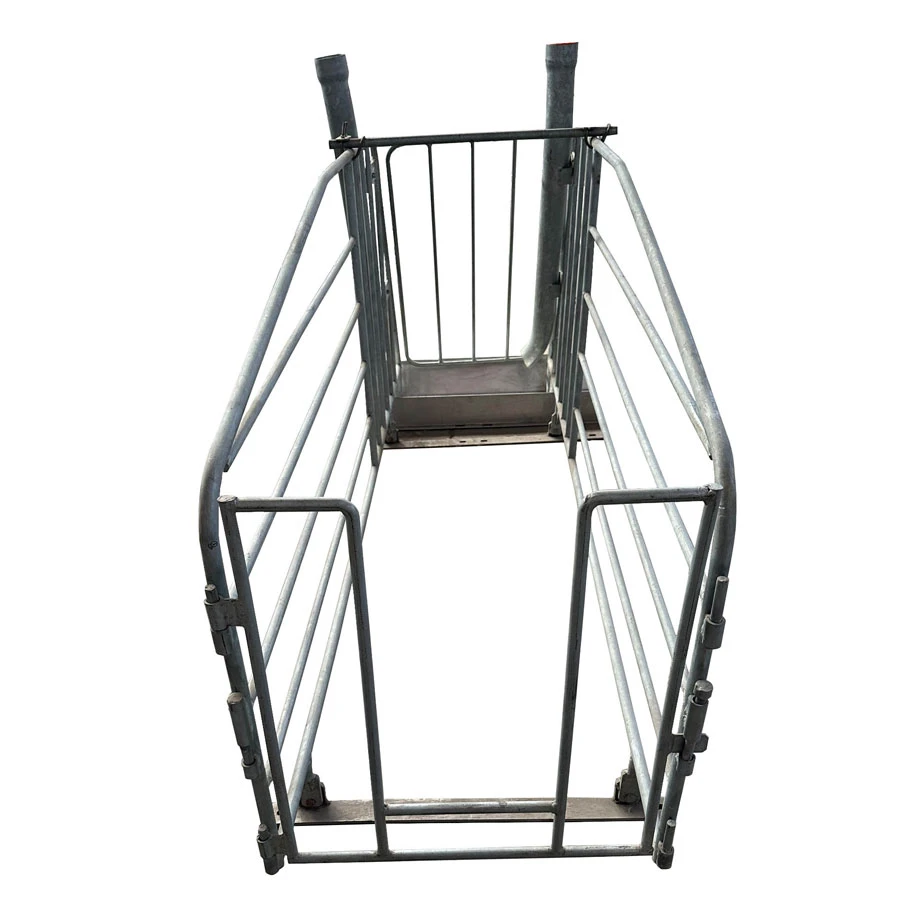
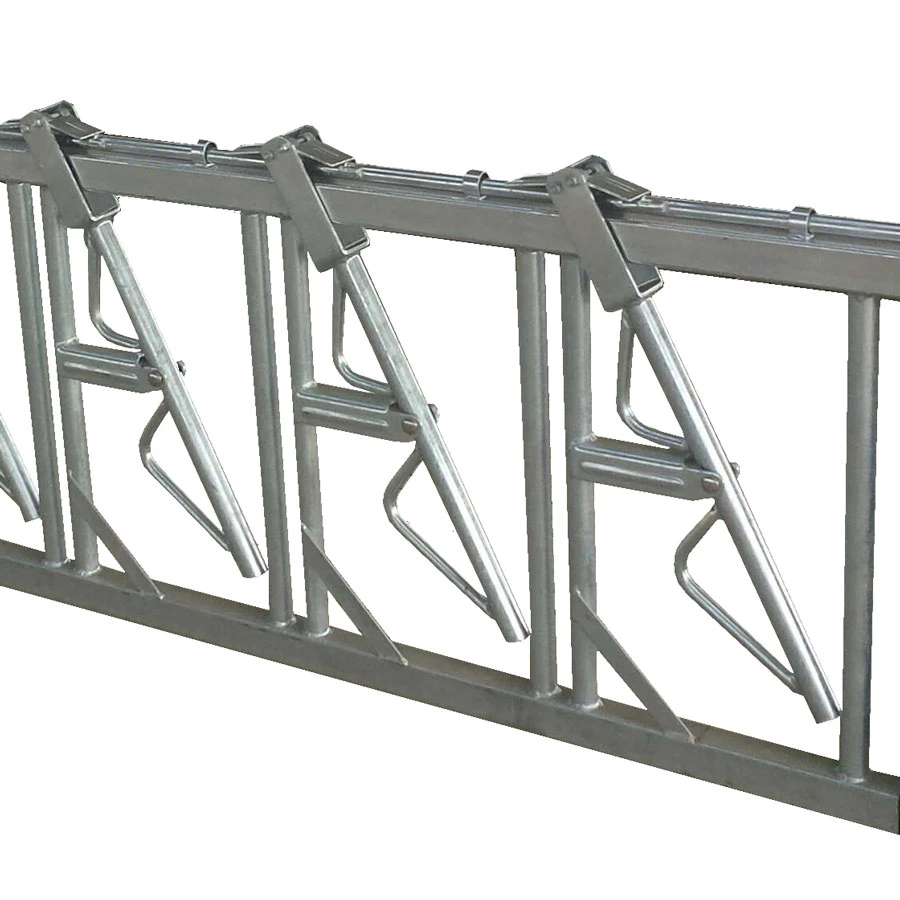
| Head bail | Self-locking, quick release; 170–260 mm adjustable | Safer for animal and handler during dehorning. |
| Side access | Dual swing doors; dehorning windows with latch | Clean horn access; also handy for injections and tagging. |
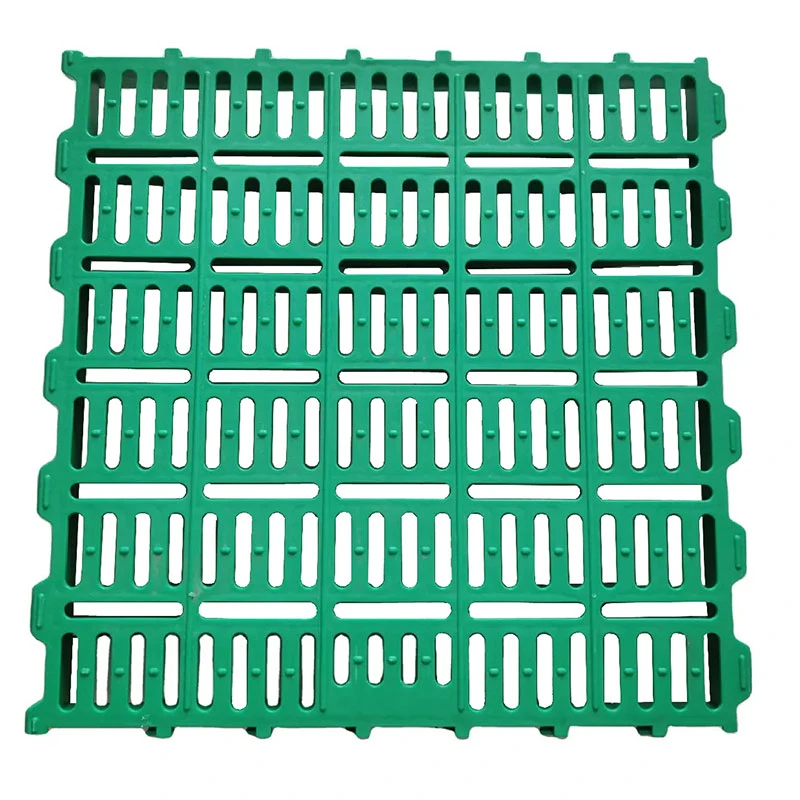
| Floor | Serrated galvanized grating + rubber mat option | Traction in wet conditions; quieter under hoof. |
| Load/size | Rated 800–1,000 kg; 2.1×0.75×1.6 m | Covers calves to most adult cows; check breed size. |
| Testing | Salt-spray 240 h (ASTM B117), latch 20k cycles | Predicts outdoor life and latch reliability. |
| Service life | ≈8–12 years (use-dependent) | Clean after use; store dry to hit upper range. |
Use cases and real feedback
Primary use is obvious, but farms also use it for ear tagging, castration prep, vaccinations, and quick hoof checks. One Central Plains operator told me, “The head release is smoother than our last unit—less thrash, fewer bruises.” Another quietly noted, “Galv held up after a savage winter,” which, frankly, is what you want to hear.
Process and quality flow
Materials incoming inspection → CNC tube cutting → MIG welding (WPS on file) → burr removal and edge rounding → hot-dip galvanizing (ISO 1461) → assembly and torque audit → proof-load and latch-cycle tests → final QC. Certifications available: ISO 9001 factory QA; material mill certs on request. It seems routine, but this is where many “bargains” cut corners.
Vendor snapshot: who’s worth your call?
| Vendor | Coating/QA | Customization | Lead time | Notes |
|---|---|---|---|---|
| CXLivestock (Hebei) | Hot-dip galv; salt-spray + cycle tests | Size, gates, mats, scale mounts | ≈20–35 days | Balanced price vs longevity |
| Local fabricator | Paint or light galv; limited testing | High (bespoke) | Varies | Great for one-offs; check weld QA |
| Generic import | Unknown coating; minimal QA | Low | Fast/stocked | Lowest price; watch latch reliability |
Customization options
- Adjust crate length/width for breed; add anti-backing bar.
- Rubber mat kits to cut noise (animals calm down, surprisingly).
- Scale mounts, palpation door, and roof shade for hot climates.
- Knurled or serrated flooring for wet yards; removable manure trays.
Case study: mixed-breed farm, 260 head
After swapping to a CXLivestock unit, a Midwest farm reported a 22% reduction in procedure time per calf (n=46) and fewer minor abrasions, attributed to smoother head release and better footing. Not a lab study, sure, but the numbers make sense when you watch it in use.
If you’re shortlisting a dehorning crate for sale, ask for coating thickness, latch cycle data, and a real QA checklist. CXLivestock can share mill certs and ISO 1461 compliance. That transparency is, in fact, the difference between a one-season bargain and a ten-season tool.
References
- ISO 1461: Hot dip galvanized coatings on fabricated iron and steel products.
- OIE (WOAH) guidelines: Animal welfare during cattle handling and procedures.
- ASTM B117: Standard Practice for Operating Salt Spray (Fog) Apparatus.
Post time: Oct . 06, 2025