The dehorning crate: Why this simple tool matters more than you think
At first glance, a dehorning crate might seem just a niche piece of farm hardware, but dig a little deeper — and you'll see it plays a surprisingly big role globally in livestock management, animal welfare, and even public safety. Understanding this tool unlocks a lot about how farmers sustainably improve animal handling, reduce injuries, and promote safer farms worldwide.
Setting the stage: Why the dehorning crate is a global livestock game-changer
Livestock farming is a trillion-dollar industry that feeds billions yet presents some complex challenges. According to the Food and Agriculture Organization (FAO), over 1.5 billion cattle roam the planet now — many with horns. Horns may look natural but they can cause serious injury, on farms and transport routes, to other animals and even humans. Enter the dehorning crate: a humane restraint system that allows for safer and more controlled horn management.
Globally, regulations and animal welfare movements push for more ethical livestock handling. Horn management is key to reducing harm. However, traditional methods without proper restraint often lead to stress, injury, or poor outcomes. The dehorning crate balances safety and animal welfare while being cost-effective, which is why it’s becoming standard in many regions.
What exactly is a dehorning crate?
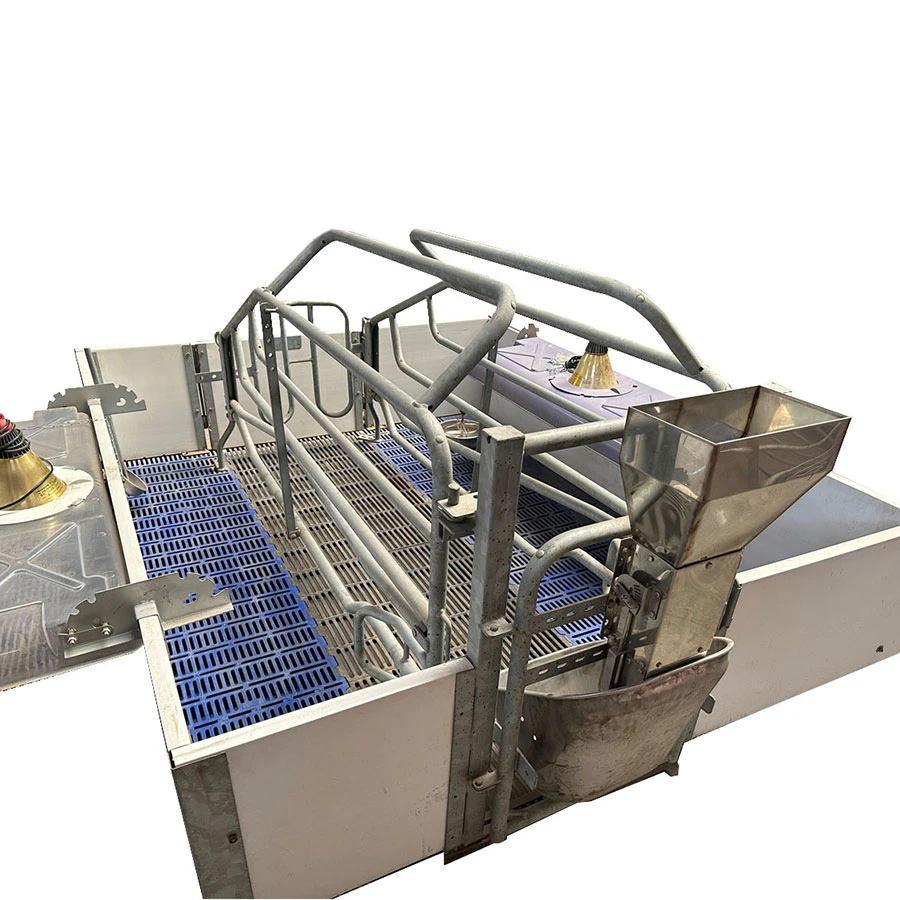
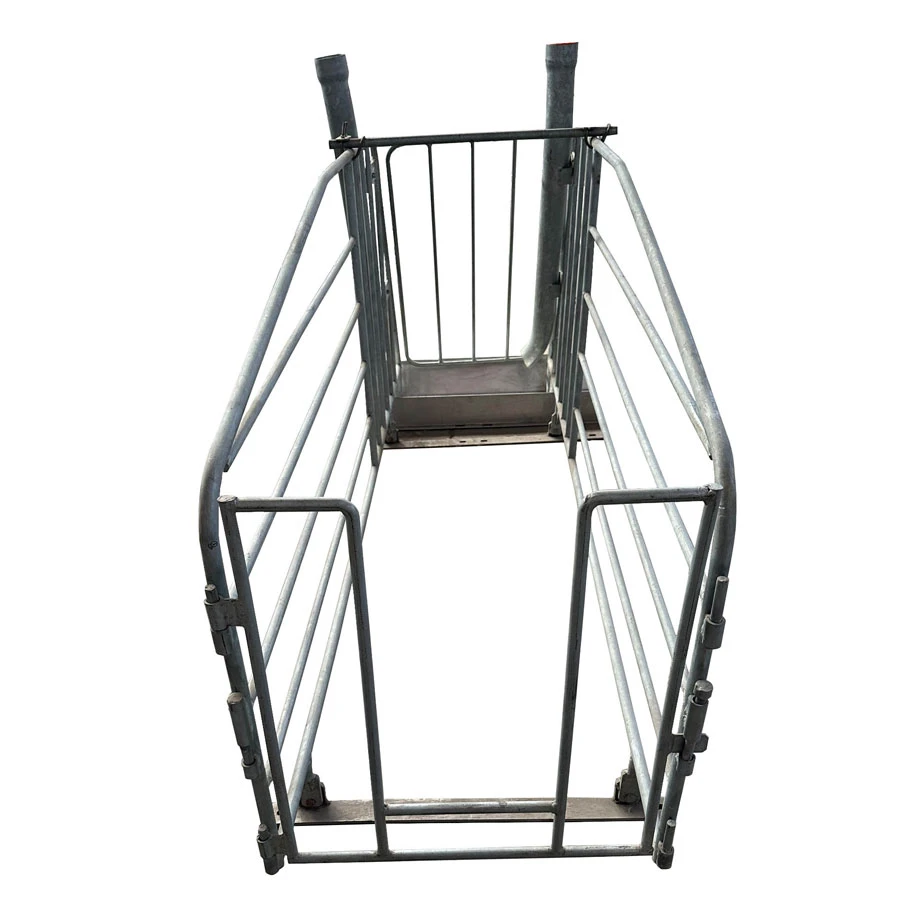
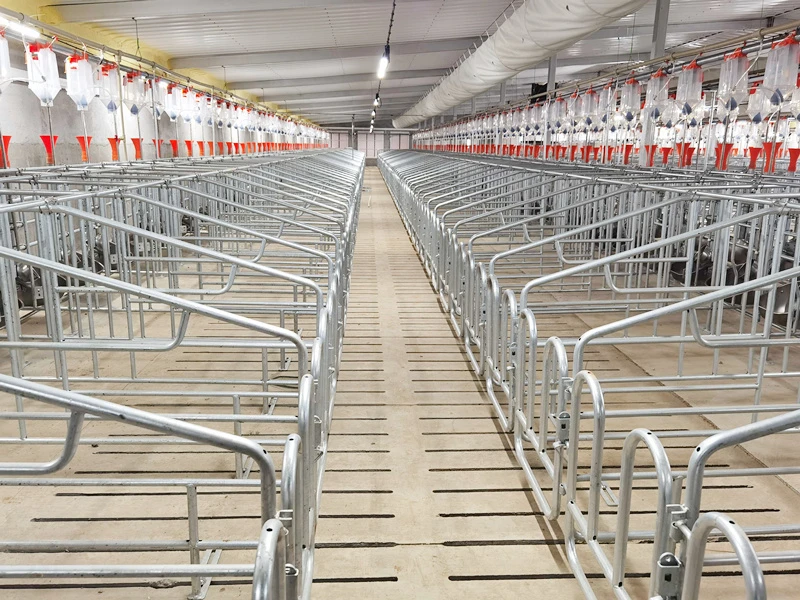
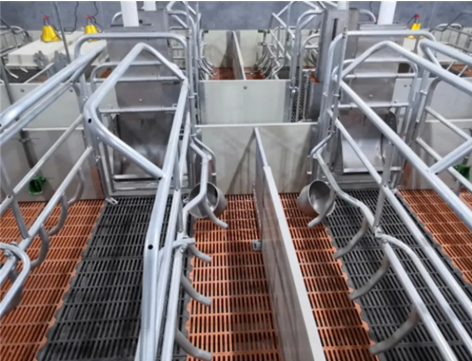
Simply put, a dehorning crate is a sturdy frame designed to safely hold cattle during the horn removal process. It immobilizes the animal securely but gently — preventing sudden movements that could harm the animal or the handler. Think of it as a "seatbelt" for cows, enabling farmers and vets to do their work humanely and efficiently.
This tool directly links to modern demands for ethical treatment and increased productivity. It’s part of larger livestock management systems focused on health, safety, and welfare — a small but critical piece of a big puzzle.
Core features that make a dehorning crate indispensable
1. Durability and Strength
Most crates are made from galvanized steel or heavy-duty stainless steel — materials that withstand the rigors of constant use and weather extremes. Farms aren't gentle environments, so the crate’s toughness matters a great deal.
2. Animal Comfort and Safety
A good crate has padded securing points and smooth edges to avoid bruising or stress. The whole idea is to restrain, not torture. Thoughtful design makes all the difference.
3. Ease of Operation
Handling efficiency is crucial — many units come with adjustable elements to accommodate different cattle sizes, quick-release mechanisms, and ergonomic designs that reduce handler fatigue.
4. Portability and Scalability
Some farms prefer portable crates to move between locations, while larger operations install permanent fixtures. Versatility here means farmers can adapt setups based on herd size and workflow.
5. Cost Efficiency
Simple design helps keep prices within reach of many farmers, even in developing regions. Maintenance costs are low, and the durability translates to long service life.
How the dehorning crate finds purpose worldwide
Agricultural communities from New Zealand's sprawling ranches to Brazil’s cattle belt rely heavily on these crates. In Europe, strict animal welfare policies make their use nearly mandatory during dehorning procedures. African countries like Kenya, modernizing livestock practices, have started incorporating them in cooperative farms.
For example, during drought relief programs in Australian Outback regions, NGOs have supplied mobile dehorning crates to ensure cattle health without distress. And in industrial meat processing farms in the US, automated versions integrated into routine health checks boost safety for workers and animals alike.
Advantages that stretch beyond cattle handling
- Reduced injuries: fewer accidental horn-related wounds for animals and handlers alike.
- Improved animal welfare: less stress, better veterinary care.
- Economic gains: fewer losses from injuries, better herd health.
- Trust and reputation: demonstrating humane practices appeals to consumers increasingly concerned about ethical farming.
Frankly, it feels like more farms adopting dehorning crates doesn’t just help cattle — it fosters safer, more sustainable agriculture communities.
What’s next? Trends shaping the future of dehorning crates
We’re seeing some fascinating innovations recently: lightweight aerospace alloys, smart sensor tech embedded in crates to monitor animal stress, and even solar-powered versions for remote farms. Automation is creeping in as part of broader digital farm transformations, alongside sustainability efforts that aim to use recycled and eco-friendly materials wherever possible.
Hurdles and how experts tackle them
Of course, no product is perfect. Challenges remain in balancing sturdiness with portability; ensuring affordability while adding tech; and training farmers to use crates correctly.
Innovative training programs and modular crate designs that ship flat for easy assembly are two practical solutions gaining traction. Manufacturers are also collaborating with NGOs to supply appropriate models tailored to developing countries’ needs.
Technical specifications at a glance
| Feature | Standard Model | Heavy-Duty Model |
|---|---|---|
| Material | Galvanized Steel | Stainless Steel 304 |
| Dimensions (LxWxH) | 160 x 75 x 130 cm | 175 x 85 x 140 cm |
| Weight Capacity | 700 kg | 950 kg |
| Portability | Foldable, wheels optional | Fixed, non-portable |
| Safety Features | Padded locks, quick release | Enhanced locking, reinforced pads |
Comparing popular vendors: who offers what?
| Vendor | Price Range (USD) | Customization | Delivery Time | Key Advantage |
|---|---|---|---|---|
| FarmSafe Ltd. | $450 - $600 | Size & safety locks | 2-3 weeks | Cost-effective, reliable |
| AgriTech Solutions | $600 - $900 | Custom sensor integration | 4-6 weeks | Tech-forward, innovative |
| Global Livestock Equip. | $500 - $750 | Material upgrades available | 3-4 weeks | Durability & warranty |
Frequently Asked Questions about dehorning crates
Q1: How does a dehorning crate improve animal welfare during horn removal?
A: By safely restraining the animal, it minimizes stress and the risk of injury during the procedure. This helps ensure the process is quick, efficient, and humane, aligning with international welfare standards.
Q2: Can I use the same crate for different sizes of cattle?
A: Many crates come with adjustable features to accommodate a range of cattle sizes. Still, check model specifications for weight capacity and adjustability to ensure safety.
Q3: Are portable dehorning crates as durable as fixed installations?
A: Portable crates are designed to be sturdy yet lightweight, often featuring foldable frames. While they may have slightly less maximum weight capacity, the trade-off is flexibility, especially for farms with multiple sites.
Q4: Is the dehorning crate suitable for compliance with animal welfare legislation?
A: Yes, these crates are widely accepted by regulatory bodies because they enable humane restraint, a key component of ethical livestock handling laws.
Q5: Can smaller farms afford these crates, or are they only for large operations?
A: Cost-effective models exist that suit smaller farms, and modular designs allow farmers to scale their investments as herd size grows. Long-term, they often save money by reducing injury-related losses.
Wrapping it up: Why investing in a dehorning crate is a step toward better farming
In the grand scheme, the dehorning crate might just be a piece of farm equipment, but it embodies progress — blending animal welfare, farmer safety, and economic sensibility. As livestock farming modernizes with sustainability and ethics at the forefront, tools like these become non-negotiable.
If you're involved in cattle management, it’s worth considering how a reliable dehorning crate could transform your operations. For detailed options and expert advice, visit our website and see how we put safety and efficiency first.
Mini Takeaway
Dehorning crates offer a perfect mix of practicality and care, enhancing livestock safety globally while pushing forward humane farming standards. It’s the kind of tech that quietly reshapes an industry — one cow at a time.
References
Post time: Dec . 01, 2025