The Role of a Farrowing House for Pigs: Why It Matters Globally
When you hear the phrase farrowing house for pigs, what comes to mind? Beyond the basics of agriculture, these specialized shelters are critical pieces of livestock infrastructure worldwide. Understanding their design and function isn’t just for farmers and agribusiness — it’s part of a bigger global picture touching food security, animal welfare, and sustainable farming practices.
According to the Food and Agriculture Organization (FAO) of the United Nations, swine production accounts for nearly 33% of global meat consumption. The farrowing house, where sows give birth and nurture piglets, plays a key role in ensuring that this process happens safely and efficiently. Yet, across different regions, the design and implementation of these houses vary widely, affecting piglet survival rates, environmental impact, and farm profitability.
Mini Takeaway: The farrowing house is much more than a barn — it’s a cornerstone of global food systems and animal welfare practices.
Understanding What a Farrowing House for Pigs Actually Is
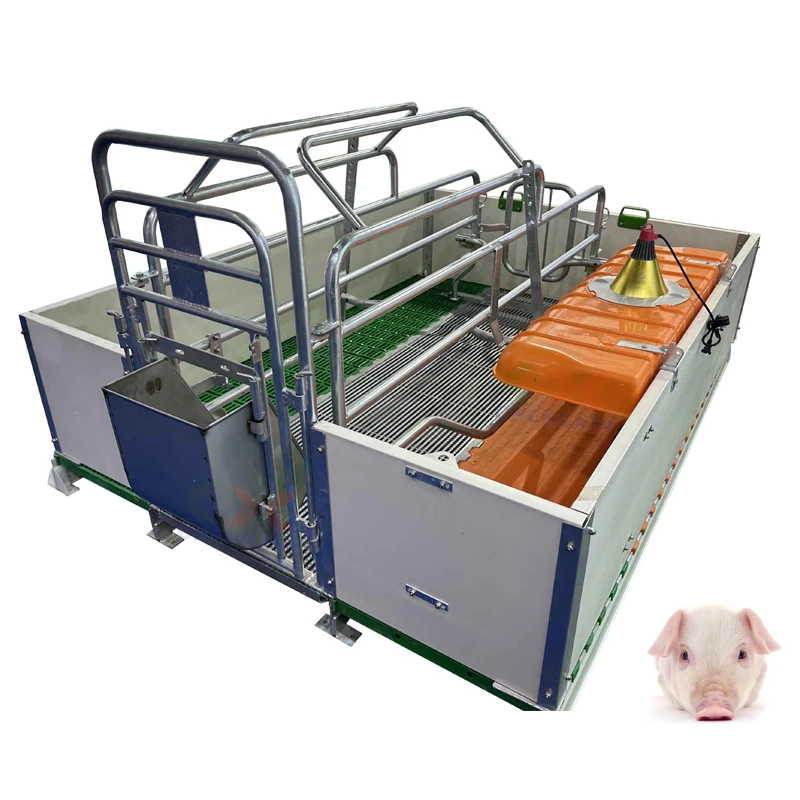
Simply put, a farrowing house for pigs is a dedicated structure designed to shelter sows during the birth (farrowing) and early lactation stages of piglets. It carefully balances environmental factors such as temperature control, ventilation, and space allocation to encourage healthy births and minimize piglet mortality.
This concept dates back centuries but has evolved drastically with modern agricultural technology and animal welfare standards. Today’s farrowing houses incorporate advanced materials and design principles that reduce stress on animals and promote hygienic conditions. They represent an intersection of traditional husbandry needs and contemporary concerns like sustainability and biosecurity.
Key Components That Define an Effective Farrowing House
1. Temperature Control
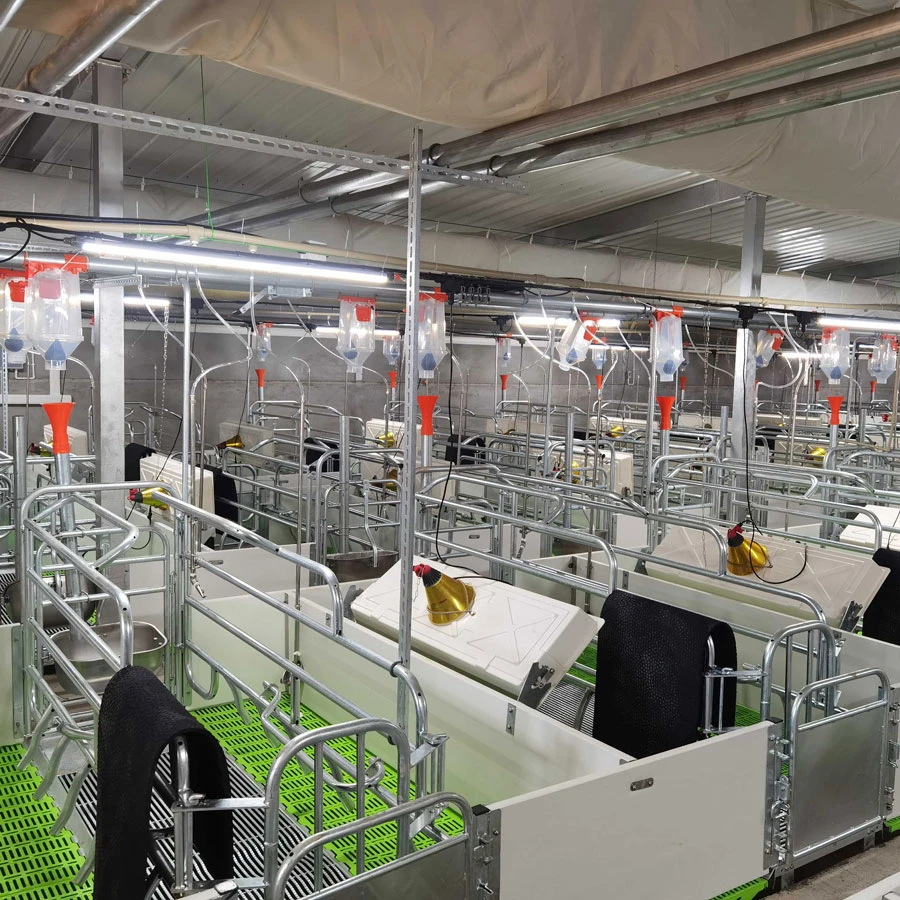
Newborn piglets are notoriously sensitive to cold. Farrowing houses must provide adjustable heating zones, usually with heat lamps or pads, to keep piglets warm without overheating the sow. Many farms now use thermostatically controlled systems to balance comfort and energy efficiency.
2. Space and Layout
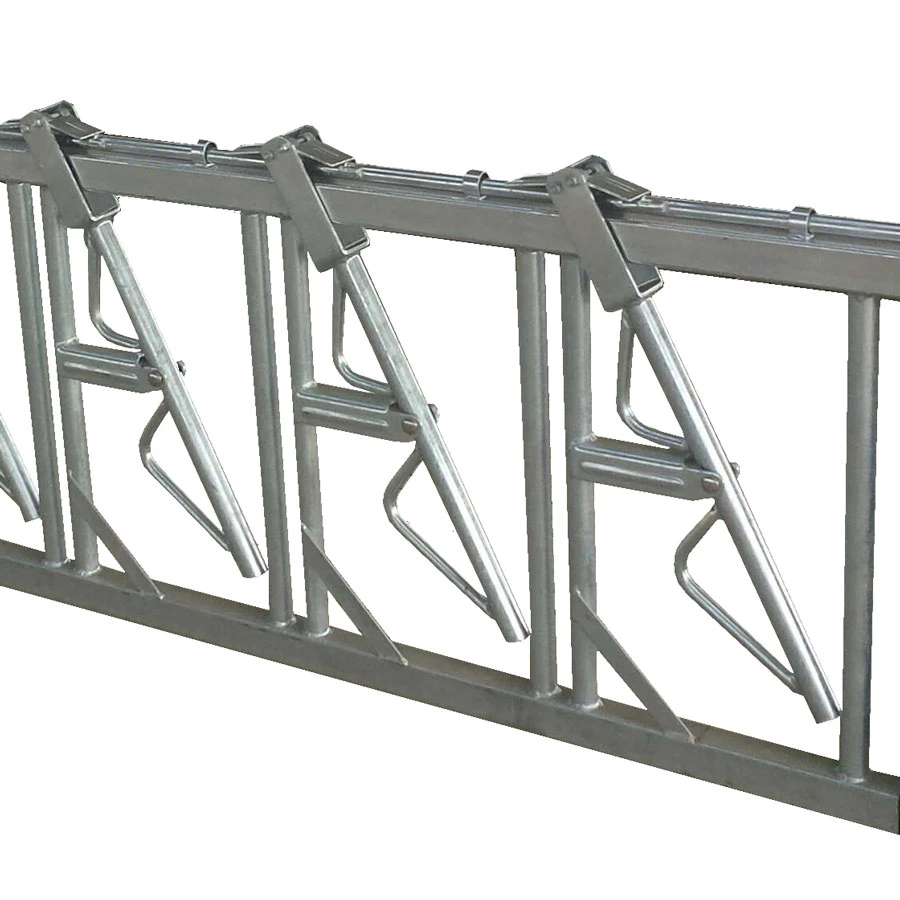
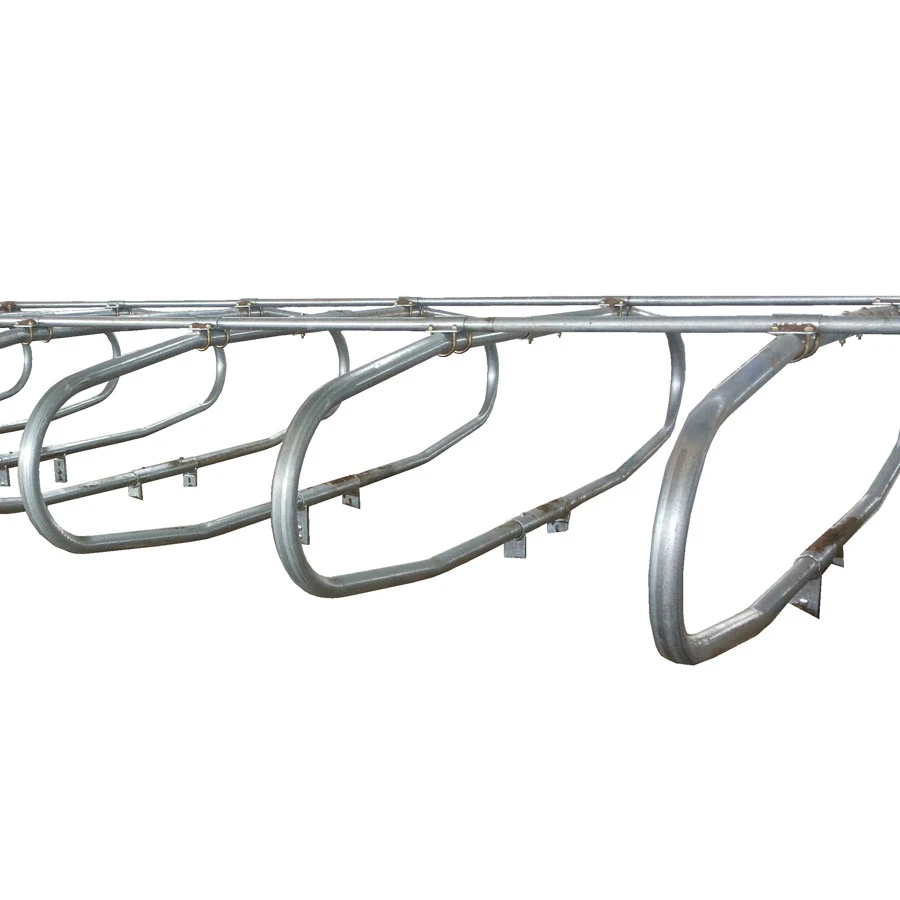
Efficient layouts prevent piglet crushing by sows – a sad but common cause of death without proper design. Farrowing crates or pens help restrict sow movement moderately while allowing piglets freedom to feed and move safely. Space allocations are governed by animal welfare standards, but practical farm realities sometimes complicate implementation.
3. Ventilation & Air Quality
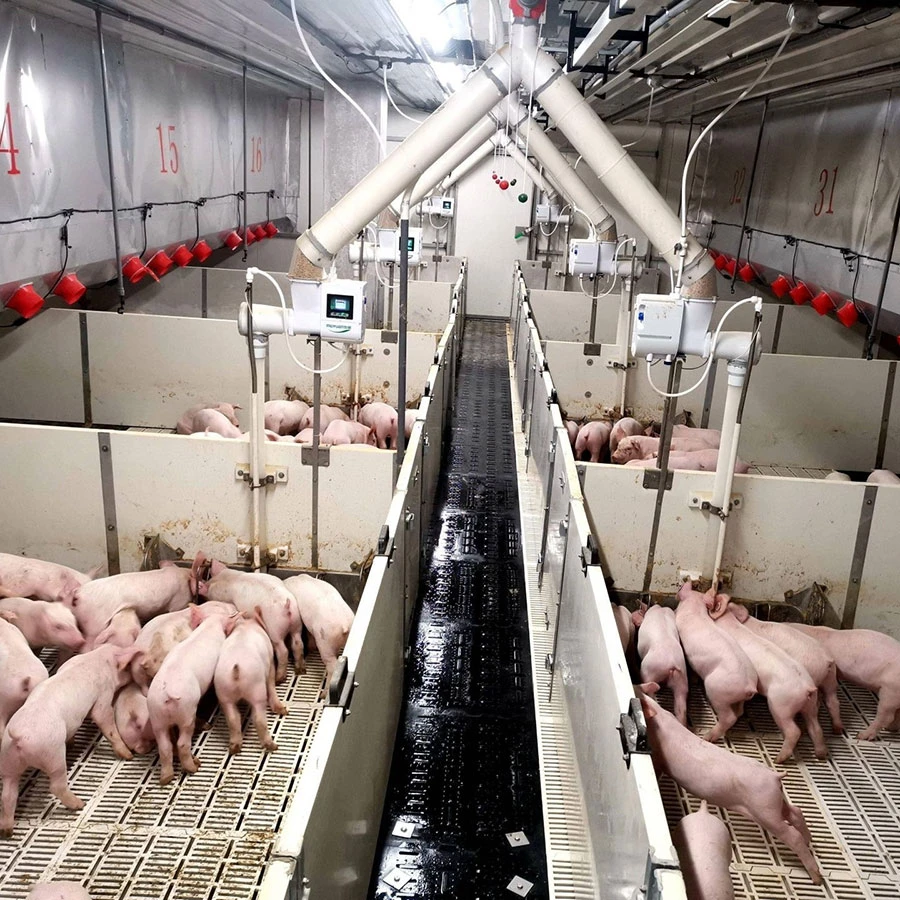
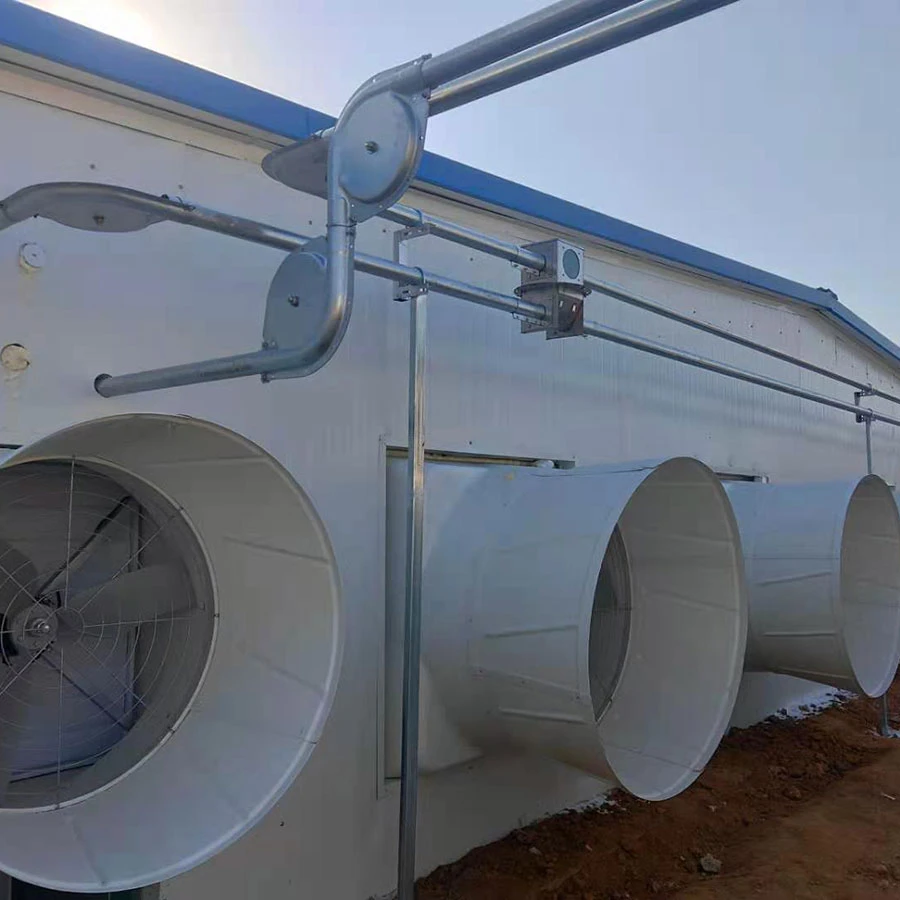
Good airflow prevents respiratory diseases and controls moisture. This might sound mundane, but in intensive pig farms, it's a lifeline. Systems vary from natural ventilation designs to full HVAC setups with filters to limit pathogen buildup.
4. Durability & Hygiene
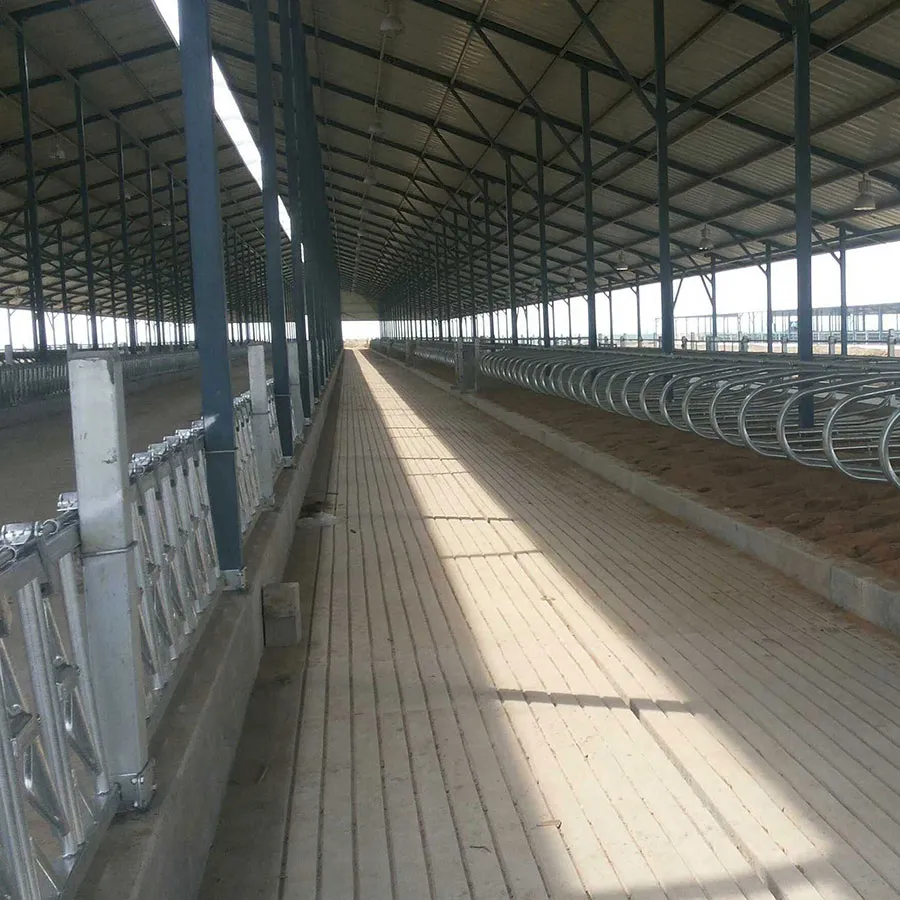
Materials used must withstand harsh cleaning agents and constant moisture while minimizing disease vectors. Concrete floors, galvanized steel, and non-porous surfaces dominate. Easy cleaning protocols save time and reduce infection risks.
5. Cost Efficiency
Farmers face a delicate balancing act: invest enough for animal welfare and productivity, but keep costs manageable. Modular and prefab farrowing houses sometimes offer good ROI by reducing construction time and providing standardized quality.
Mini Takeaway: The best farrowing houses address physical comfort, health safety, and operational practicality concurrently.
Global Applications: Who Benefits and Where?
Farrowing houses are found in virtually every pork-producing nation, but their designs reflect local climates, farm scale, and cultural practices.
- In Europe, strict animal welfare laws lead to highly engineered farrowing pens with enriched environments.
- In parts of Southeast Asia, innovative low-cost farrowing shelters help smallholders improve piglet survival even on tight budgets.
- Large industrial farms in North America and China use automated temperature and feeding systems, integrating digital monitoring for herd health.
- Relief agencies occasionally deploy temporary farrowing units in post-disaster zones to help restore agricultural livelihoods quickly.
Oddly enough, these applications show just how vital modern farrowing houses are — bridging from backyard farming to high-tech agribusiness.
Advantages and Long-Term Value of a Well-Designed Farrowing House
The tangible benefits are easy enough to identify:
- Improved piglet survival: Warmth, safety, and cleanliness reduce early mortality significantly.
- Economic gains: Healthy litters mean higher yields and better income.
- Animal welfare: Better living conditions match growing consumer and regulatory demands worldwide.
- Sustainability: Efficient heating and cleaning reduce water and energy waste.
There’s also an emotional element — trust in the farmer’s care, the dignity afforded to livestock, and the pride in advancing modern agriculture responsibly.
Product Specification Table: Typical Farrowing House for Pigs
| Feature | Specification | Benefit |
|---|---|---|
| Flooring | Non-slip concrete with drainage | Easy cleaning, piglet safety |
| Heating | Thermostat-controlled heat lamps | Optimal piglet warmth |
| Ventilation | Mechanical fans with exhaust vents | Healthy air quality, moisture control |
| Pen Size | Approx. 2.5m x 1.5m per sow & piglets | Freedom of movement & safety |
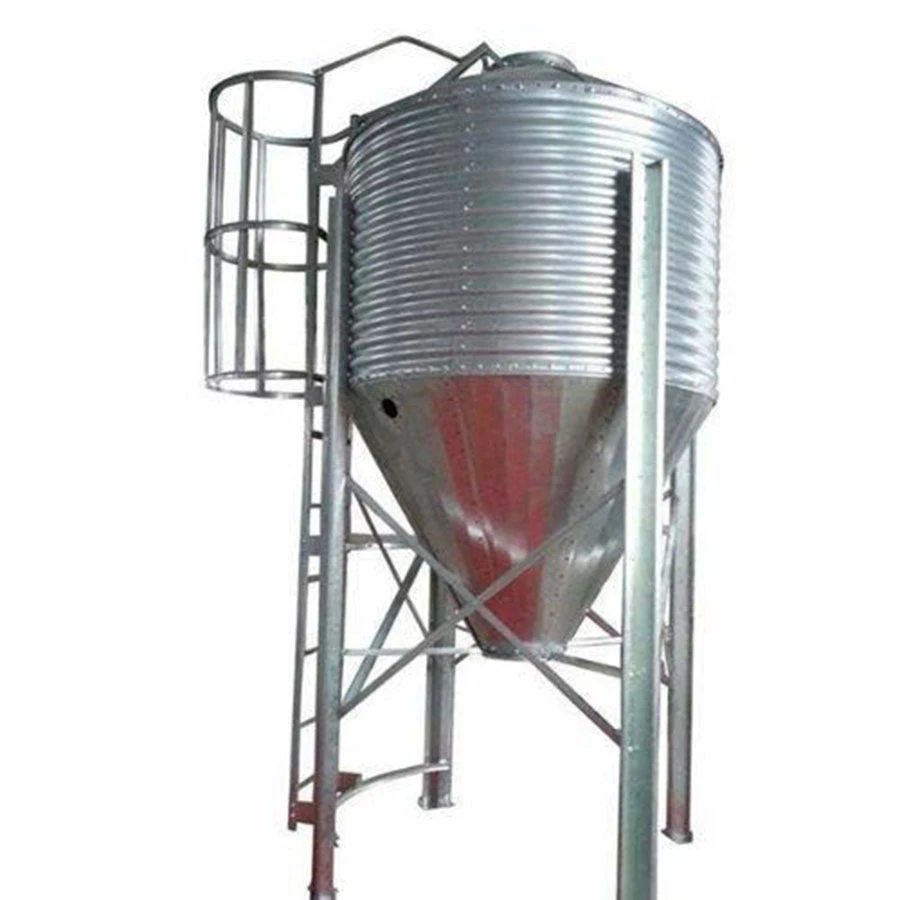
| Materials | Galvanized steel & polymer coatings | Longevity, hygiene, corrosion resistance |
Vendor Comparison for Farrowing House Products
| Vendor | Product Type | Customization | Pricing | Strengths | Weaknesses |
|---|---|---|---|---|---|
| PigCare Systems | Modular prefab housing | High (layout & materials) | $$$ | Durability, tech integration | Higher upfront cost |
| FarmBuild Co. | Traditional pen systems | Low (fixed designs) | $ | Affordable, simple | Less durable, limited features |
| NextGen Livestock Gear | Hybrid eco-friendly modules | Medium | $$ | Sustainability, modern design | Limited market presence |
Future Trends: What’s Next for Farrowing Houses?
Looking ahead, I’ve noticed a gradual but steady shift toward greener, smarter farrowing solutions. Renewable energy usage (solar-powered heating or ventilation), advanced sensors for real-time animal health monitoring, and IoT-connected farms are trends gaining ground. Automation could reduce labor and improve precision care. Also, bio-based construction materials that break down naturally post-use are intriguing for sustainability advocates.
Interestingly, some farms are experimenting with farrowing houses that “learn” sow behavior patterns via AI — pretty futuristic if you ask me!
Challenges and How Experts Are Addressing Them
Of course, it's not all smooth sailing. Farmers face:
- High cost barriers for advanced farrowing houses, especially in developing countries.
- Sanitation difficulties in humid or flood-prone areas.
- Balancing welfare and production when space or resources are limited.
Experts suggest modular, scalable solutions that farms can upgrade gradually, alongside training programs for better management practices. Public-private partnerships are supporting wider tech adoption, too.
Frequently Asked Questions About Farrowing House for Pigs
- Q: How does a farrowing house improve piglet survival rates?
- A: By offering controlled temperature, safe space to avoid crushing, and clean environments, farrowing houses minimize common piglet death causes during birth and lactation periods.
- Q: Are prefab farrowing houses practical for small-scale farmers?
- A: Yes, prefabricated systems can be cost-effective by reducing build time and allowing customization to scale — suitable even for smaller operations on tight budgets.
- Q: What materials are best for easy cleaning and durability?
- A: Non-porous concrete floors, galvanized steel, and polymer coatings resist moisture, corrosion, and pathogen buildup, simplifying sanitation routines.
- Q: Can farrowing houses be integrated with technology for monitoring?
- A: Increasingly so. Sensors and cameras linked with automation software help farmers track sow health, temperature, and activity remotely — improving response times and reducing labor.
Conclusion: Why Farrowing Houses Are Worth the Investment
To wrap it up: investing in a properly designed farrowing house for pigs is an investment in sustainability, animal welfare, and your farm’s profitability. With growing global demand and evolving tech, it’s an exciting corner of agriculture where innovation meets care.
If you want to explore reliable farrowing house options or get expert advice, check out our resources at farrowing house for pigs. Sometimes the right shelter is all that stands between a healthy herd and costly losses.
References
Post time: Dec . 02, 2025