Slat Flooring for Pigs: Why It Matters in Modern Livestock Farming
Slat flooring for pigs might sound like just another agriculture term, but it’s actually at the heart of a global push toward more efficient, hygienic, and sustainable pig farming. Why does this matter? Well, pork remains one of the most consumed meats worldwide, with the United Nations Food and Agriculture Organization (FAO) estimating that pig meat production accounts for roughly 38% of the world’s meat output. So, improving the way pigs are housed, starting from their flooring, can have wide-reaching effects — from animal welfare to environmental impact and, of course, farm profitability. In short, understanding slat flooring for pigs isn’t just an industry insider’s detail. It’s central to feeding growing populations responsibly and ethically. ---The Global Context: Challenges in Pig Farming Addressed by Slat Flooring
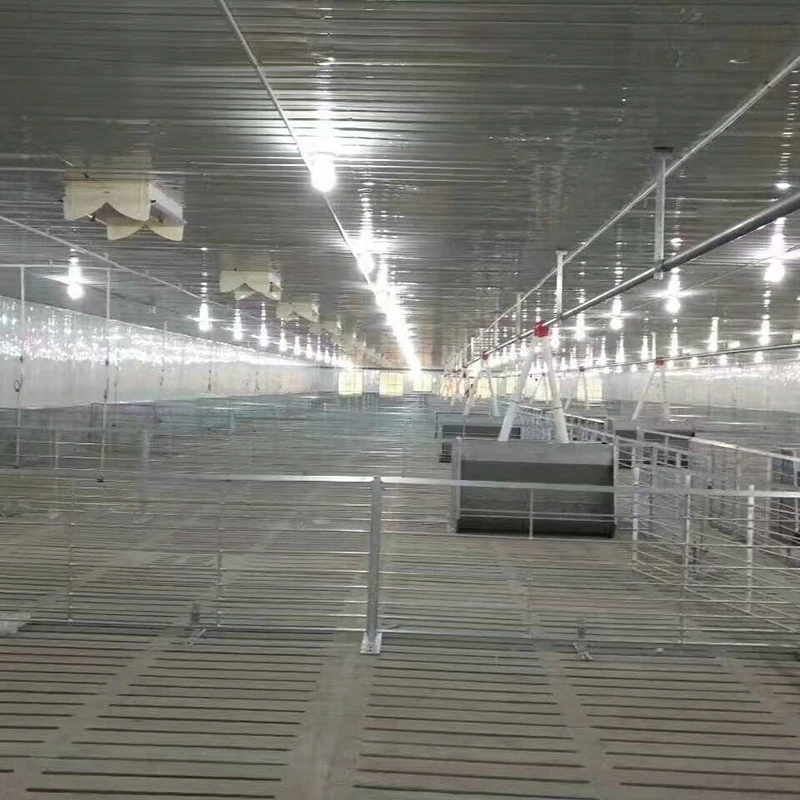
Pig farming varies hugely around the world, but the push toward more intensive and industrialized systems is almost universal. Worldwide pork production was forecast to hit over 120 million metric tons by 2023, according to the World Bank, up from about 110 million at the turn of the decade. This spike brings pressure: limited land use, disease control, and environmental regulations are just the beginning. Enter slat flooring. This system helps solve some sticky problems — literally. Pigs produce a significant amount of waste, and managing it on-site is critical to preventing odors, pollution, and disease. Solid floors combined with bedding used to be the norm, but waste management became a logistical nightmare as farming scaled up. Slat flooring allows pig waste to fall through gaps between floor slats down to a manure pit below, making cleaning easier and enhancing biosecurity. This addresses both environmental restrictions and animal health issues—fewer infections, healthier pigs, better production. ---What Exactly Is Slat Flooring for Pigs?
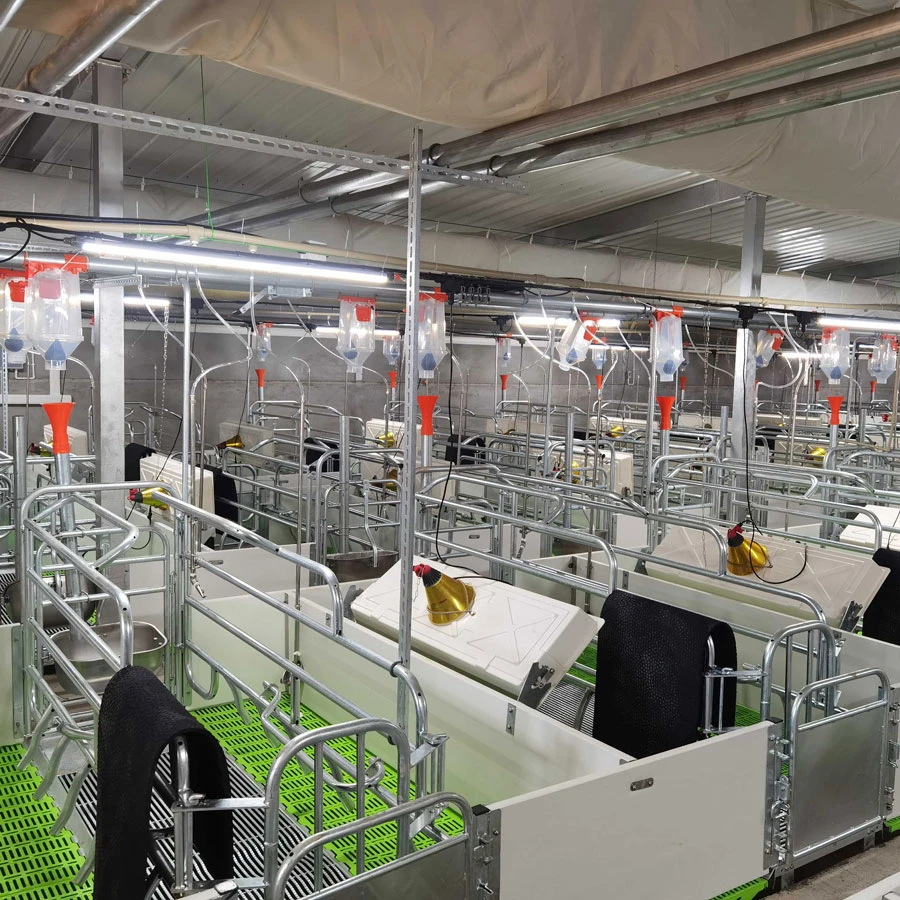
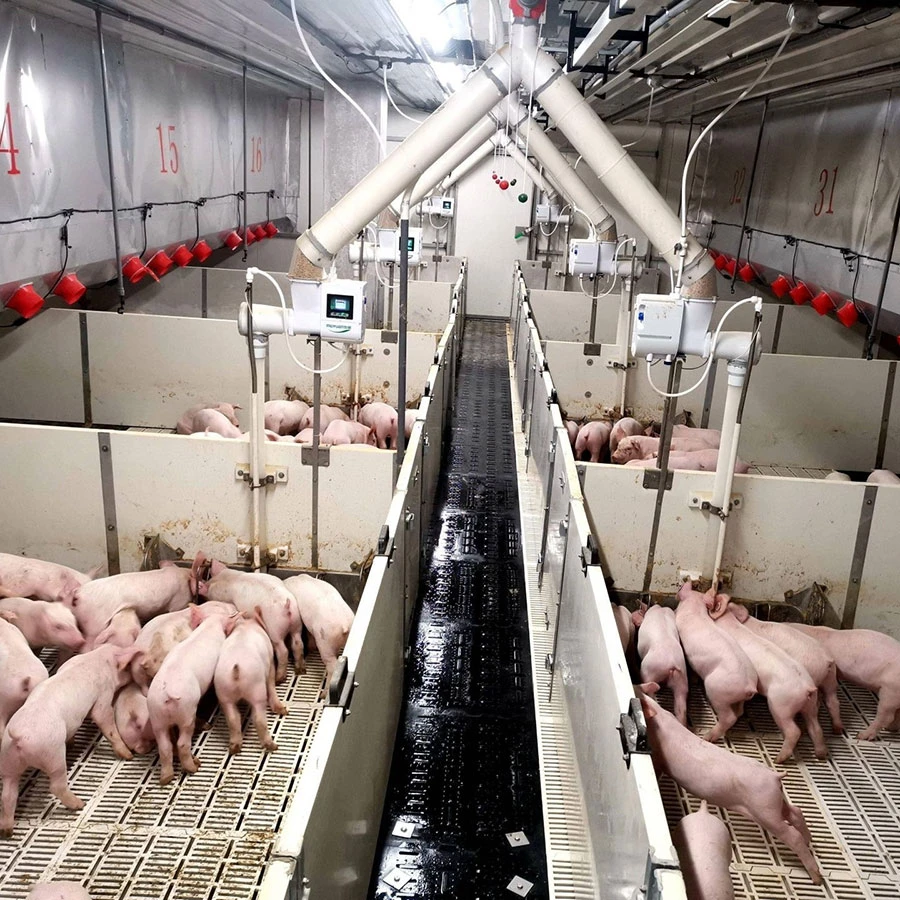
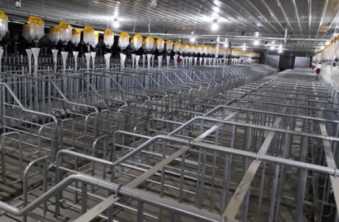
Put simply, slat flooring for pigs is a type of raised floor made of narrow, parallel bars or slats, usually concrete or durable plastic, spaced evenly to allow manure to fall through. The pigs stand and move on these slats, while the waste drops below for collection and treatment. This flooring is a cornerstone of modern pig housing, particularly in intensive production systems, where optimizing space and keeping animals healthy are top priorities. It ties directly into industrial farming innovation—and, oddly enough, humanitarian concerns—because scalable, sanitary livestock housing impacts food security worldwide. ---Key Factors Behind Effective Slat Flooring Systems
1. Durability
The flooring must withstand constant pressure and movement, plus cleaning chemicals. Most systems use reinforced concrete or high-strength plastics that resist cracking and wear for years—crucial when considering the lifespan on a commercial farm.2. Spacing and Comfort
If the gaps between slats are too wide, pigs risk injury or discomfort. Too narrow, and waste drainage efficiency drops. Designing the perfect spacing is a balance between animal welfare and practical waste management.3. Waste Handling & Hygiene
Though slat floors improve sanitary conditions, they must be paired with efficient manure collection systems below—pits, channels, or automated conveyors—to avoid build-up and odors.4. Cost Efficiency
While installation costs might be higher upfront compared to traditional flooring, slat systems reduce labor for cleaning and lead to better growth rates due to healthier pigs, which can make them more economical long-term.5. Adaptability
Custom sizing and materials allow slat flooring systems to be used worldwide—from smallholder farms in Southeast Asia to massive operations in Europe and North America. ---Practical Global Applications of Slat Flooring for Pigs
The beauty of slat flooring is how universally adaptable it is. In regions like Europe where environmental standards are strict (think Denmark and Germany), slat systems are nearly standard due to their role in reducing ammonia and nitrogen emissions. In Asia, where pig production scales fast, slat floors help farmers expand capacity without sacrificing cleanliness or welfare. Interestingly, NGOs have also started exploring slat flooring in post-disaster agricultural restoration efforts. For example, after major floods in the Philippines, deploying modular pig pens with slatted floors was key to getting livelihoods back online quickly and hygienically. Slat flooring for pigs has, in a way, become a subtle hero in resilience efforts globally, supporting food security in fragile contexts. ---Advantages & Long-Term Value
Slat flooring systems deliver on many fronts: - Animal Health: Less contact with waste means fewer skin and hoof diseases. - Labor Savings: Farms need less manual cleaning, freeing workers for other tasks. - Environmental Impact: Controlled manure reduces runoff and greenhouse gas emissions. - Economic Efficiency: Healthier pigs grow better, market faster, improving profit margins. - Animal Welfare: Properly spaced slats support natural movements, increasing comfort and reducing stress. The emotional weight here shouldn’t be underestimated. Farmers often speak about "knowing your animals are truly cared for,” not just for profit, but because it feels right. This connection drives innovation. ---Looking Ahead: Trends and Innovations
Technology and materials evolve. Recently, biodegradable plastic slats and composite materials are seen as greener alternatives to concrete, cutting lifetime environmental footprints. Digital monitoring integration is another trend. Sensors can now track waste levels under slats and pig movement patterns to optimize cleaning and detect early health issues. Sustainability policies also push toward zero-waste farming; slat flooring plays a vital role by enabling efficient manure harvesting for biogas or fertilizer, closing nutrient cycles naturally. Automation could soon mean robotic cleaning beneath slats—improving efficiency and safety further. It’s like the smart home, but for pig housing. ---Common Challenges & Expert Solutions
Though powerful, slat flooring isn’t perfect. Challenges include: - Initial Installation Cost: Solutions? Governments and NGOs offer subsidies in many regions. - Comfort Perception: Some say slat floors are hard; adding rubber mats or softer composites helps. - Manure Accumulation: Without proper pit maintenance, flooring loses effectiveness. - Biosecurity Risks: Regular cleaning protocols and ventilation systems mitigate this. Experts recommend combining good design with farmer education to maximize benefits. ---FAQ: Your Practical Queries About Slat Flooring for Pigs
Q1: How often should manure pits beneath slat floors be cleaned?Ideally, manure pits are emptied every 3 to 6 months depending on herd size and system design. Frequent maintenance avoids blockages and odor buildup. Q2: Are plastic slat floors as durable as concrete?
High-quality plastic slats can match concrete's durability under normal farm conditions, especially with reinforced designs. They also cushion hooves better, reducing injury risks. Q3: Can slat flooring systems be retrofitted on existing farms?
Yes, many systems are modular and can be installed over or replace current floors, but structural assessment is recommended to ensure support and drainage. Q4: What is the typical lifespan of slat flooring?
Concrete slats generally last 10–15 years with good maintenance; plastics may have a slightly shorter but more flexible lifespan. Q5: How do slatted floors support animal welfare regulations?
By improving cleanliness and reducing injury risk, slat flooring helps farms comply with increasingly stringent welfare standards in the EU, US, and beyond. ---
Product Specification Table: Typical Slat Flooring System
| Feature | Specification | Typical Material |
|---|---|---|
| Slat Width | 80-100 mm | Concrete / HDPE Plastic |
| Gap Between Slats | 15-25 mm | — |
| Load Capacity | Up to 500 kg/m² | Reinforced Concrete |
| Surface Texture | Non-slip, rough finish | Textured Concrete or Molded Plastic |
| Installation Method | Modular panels or fixed slabs | Varies |
Vendor Comparison: Leading Slat Flooring Providers
| Provider | Materials | Customization | Sustainability Credentials | Typical Delivery Time |
|---|---|---|---|---|
| AgriFloors Inc. | Reinforced Concrete | Standard & bespoke panel sizes | ISO 14001 certified | 4-6 weeks |
| EcoPig Solutions | HDPE & recycled plastics | Modular, flexible sizes | Uses 30% recycled materials | 3-5 weeks |
| GreenBarn Systems | Composites and rubberized finishes | Custom ergonomic design | Carbon-neutral production | 6-8 weeks |
Wrapping Up: Why Slat Flooring for Pigs Is a Game Changer
To me, slat flooring feels like an elegant solution forged at the crossroads of practicality and compassion. It’s not just about pigs standing comfortably or manure management — it’s about fostering a system where efficiency, welfare, and sustainability coexist. As global pork demand continues to rise, these floors will only grow more crucial. If you’re keen to improve your farm’s productivity and embrace better animal welfare, it’s worth diving deeper into the technology behind slat flooring for pigs. There’s a wonderful blend of old wisdom and new innovation that these floors offer — and honestly, it’s fascinating to watch the industry evolve this way. ---References
Post time: Dec . 02, 2025