Understanding the Double Cattle Trough: A Quiet Revolution in Livestock Management
If you’ve ever been around a farm or ranch, you might have noticed cattle simultaneously gathering around wide water feeding stations. That's often a double cattle trough in action — a deceptively simple yet crucial piece of equipment. The humble double trough plays a surprisingly big role globally in improving livestock wellbeing, optimizing farm efficiency, and even contributing to food security in regions where cattle husbandry is critical to livelihoods. Understanding this seemingly modest tool can unlock smarter practices for farmers worldwide, as well as support sustainable and economic animal care.
What makes double cattle troughs so meaningful? Whether you’re managing a small dairy, a sprawling beef production facility, or working in rehabilitation zones where livestock must be carefully cared for, these troughs ensure animals have reliable, easy access to clean water — a cornerstone of health and productivity.
The Global Context: Why Double Cattle Troughs Matter Today
Livestock farming accounts for nearly 40% of global agricultural GDP according to the Food and Agriculture Organization (FAO), and cattle remain a key protein source for billions. But amidst escalating climate stressors, water scarcity, and rising feed costs, efficient water delivery systems grow ever more critical. The double cattle trough, enabling simultaneous hydration for two groups or lines of cattle, addresses these urgent challenges.
In drought-prone regions such as parts of Sub-Saharan Africa or arid zones in Australia, cattle trough design directly impacts herd survival rates. Meanwhile, in industrial-scale farms across the Americas and Europe, these troughs streamline operations, cut labor time, and reduce water waste compared to single or improvised water stations.
Yet, the real challenge and opportunity is optimizing designs to be durable, scalable, and cost-efficient, for both resource-poor and industrial users — balancing simplicity with technological innovation.
What Exactly Is a Double Cattle Trough?
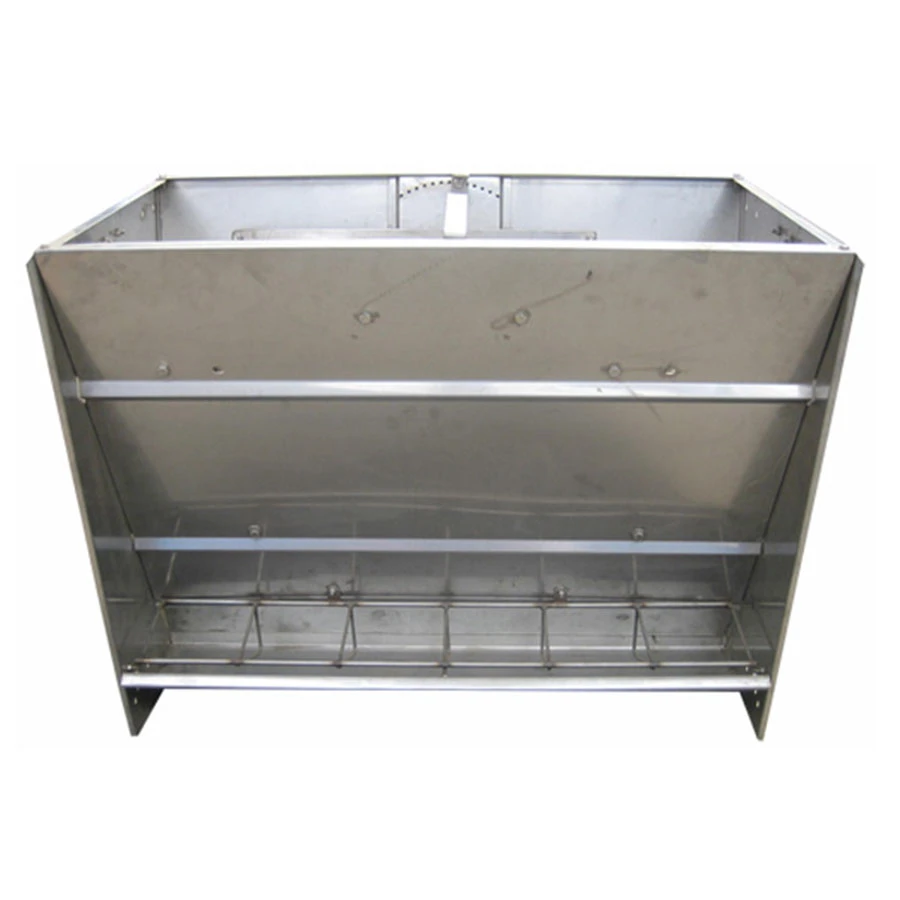
At its core, a double cattle trough is a water (or sometimes feed) container designed with two long feeding sides facing opposite directions, allowing cattle on either side to access the contents simultaneously without crowding. This setup boosts feeding efficiency and reduces aggressive behavior among animals competing for resources.
In modern farming, it’s more than just a water bin — it's integrated into livestock management systems that consider flow, sanitation, and animal behavior, which all contribute to overall herd health. Humanitarian livestock programs also use them in emergency or rehabilitation contexts, connecting animal safety with community nutrition and economic recovery.
Key Components of a Double Cattle Trough
1. Durability and Material Choice
These troughs often face harsh outdoor conditions — UV exposure, impact from large cattle heads, and potential mud or dust contamination. Materials range from galvanized steel (favored for longevity) to reinforced plastics or concrete, each offering distinct pros in weight, maintenance, and price. Durability isn’t just a luxury but a critical factor influencing how often farmers replace or repair these units.
2. Design and Ergonomics
The shape, height, and length influence not only water availability but animal comfort. An optimal trough prevents injury and encourages natural postures during feeding or drinking. Many modern versions feature rounded edges, anti-jump barriers, and drip reduction elements to cut waste.
3. Scalability and Customization
Whether your operation is a couple dozen head or thousands, the modular nature of double cattle troughs allows easy expansion. Some designs come with optional partitions, automated water refilling, or adaptability to different feed types. It is important that farmers can tailor systems to their herd's size and behaviors.
4. Cost Efficiency and Water Conservation
Efficient water access reduces wastage by minimizing splashing or overflow. Plus, troughs integrated with controlled auto-fill mechanisms can save labor hours — which, frankly, adds up in medium to large herds. For farms in arid climates, conserving every drop is vital — making trough design a frontline water strategy.
5. Hygiene and Easy Maintenance
Cleaning cattle troughs regularly prevents algae growth and contamination which can cause illness. Many double troughs come with smooth, non-porous surfaces and drainage systems enabling quick washdowns. This may sound mundane, but it’s a major factor keeping livestock healthy and farmers’ stress low.
Mini Takeaway:
Choosing a double cattle trough isn't only about quenching thirsty animals; it is about marrying durability, ergonomic design, and cost-effective convenience — a trio that supports sustainable farming and animal welfare globally.
Double Cattle Troughs Around the World: Use Cases and Applications
From family-owned ranches in Texas to large-scale cattle stations in Australia, double cattle troughs adapt to diverse environments. In drought-affected regions like Kenya's semi-arid lands, NGOs deploy mobile double troughs in emergency livestock feeding points, safeguarding vulnerable herds during dry spells.
In Scandinavian states, automated double troughs with temperature regulation help cattle withstand cold extremes by ensuring consistent water accessibility. Environmentally conscious farms in Europe adopt recycled plastic troughs to match sustainability goals.
Industrial beef producers in Brazil rely on double troughs connected to water purification systems to guarantee hygiene and prevent disease outbreaks that could shut down export operations. Oddly enough, even rodeo venues use portable double troughs to hydrate transportation herds quickly — a bit of a niche market.
Mini Takeaway:
Whether remote or industrial, temporary relief or long-term farming, double cattle troughs find relevance in nearly every corner where cattle graze — a simple yet universal tool.
Product Specifications Table
| Specification | Typical Range/Value | Notes |
|---|---|---|
| Material | Galvanized Steel / Reinforced Plastic / Concrete | Steel most durable; plastic lightweight and corrosion-free |
| Length | 2m – 6m | Scaling relates to herd size |
| Height | 35 – 50 cm | Adjusts for cattle age/size |
| Capacity (water volume) | 100 – 350 liters | Larger volumes for bigger herds |
| Weight | 25 – 90 kg (empty) | Plastic models lighter than steel |
| Lifespan | 5 – 15 years | Depends on care and environmental factors |
Vendor Comparison: Popular Double Cattle Trough Providers
| Vendor | Material Options | Innovations | Price Range (USD) | Global Availability |
|---|---|---|---|---|
| AgriTrough Systems | Galvanized Steel, Plastic | Auto-fill & solar water heating | $450 - $1200 | North America, Europe |
| Global Livestock Solutions | Concrete, Steel | Modular linkable systems | $700 - $1500 | Africa, Australia, Latin America |
| FieldFlow Supplies | Recycled Plastic | Lightweight and portable | $350 - $900 | Worldwide |
The Benefits: Why Farmers Can’t Get Enough of Double Cattle Troughs
The obvious major advantage of a double cattle trough is efficiency. Animals spend less time crowding around water sources, meaning reduced stress — which oddly enough translates to better weight gain and milk production. That’s something many farmers I’ve talked to swear by.
Water savings through better design and auto-fill tech help sustain farms under environmental pressure. Plus, the social value is immense: consistent water access maintains herd health, reducing the need for veterinary interventions that cost time and money.
In terms of emotional payoff, there’s something satisfying about seeing animals calmly drink side by side — it’s a sign of managed care and respect for livestock welfare. Innovation in troughs marks not just agricultural progress, but a step toward more ethical farming.
Looking Ahead: Innovations Shaping Tomorrow's Double Cattle Troughs
Emerging tech has begun to influence the double cattle trough market. Solar-powered heating in cold climates, IoT sensors monitoring water levels remotely, and self-cleaning surfaces are slowly becoming mainstream features. I imagine soon we’ll have smart troughs that alert farmers when to refill or clean, saving more time and improving herd health.
Environmental concerns also push manufacturers toward biodegradable or completely recyclable plastics, and water recycling systems integrated into trough water lines. Digital monitoring of water consumption may correlate with health and feeding data, helping farmers anticipate illness or nutritional deficits.
Challenges and Smarter Solutions
Despite many benefits, implementing the right double cattle troughs isn’t always straightforward. In some developing regions, cost and transportation barriers limit access to quality troughs. Sometimes design doesn’t account for locally available materials or specific cattle breeds, leading to unsuitable sizes or durability problems.
Experts suggest localized manufacturing using regional materials, combined with training farmers on maintenance, can improve adoption. Technical support and modular designs that farmers can repair themselves also go a long way. Frankly, one size never fits all in livestock care.
FAQ: What You Want to Know About Double Cattle Troughs
- Q: How does a double cattle trough improve livestock hydration compared to single-sided troughs?
- A: Double troughs provide water access from both sides, reducing waiting times and competition among cattle. This decreases stress and encourages regular drinking, supporting better health and productivity, especially in larger herds.
- Q: Are double cattle troughs suitable for small farms or only large-scale operations?
- A: They suit both. Even small farms benefit because they maximize available space and water access efficiency. Modular designs also allow smallholders to upgrade or expand as their herd grows.
- Q: What maintenance is required to keep a double cattle trough in good condition?
- A: Regular cleaning to prevent algae and contaminants is key, along with inspections for cracks or leaks. Materials like galvanized steel may require rust prevention treatments, whereas plastics are easier but still need washdowns.
- Q: Can double cattle troughs help conserve water?
- A: Yes, modern designs minimize spillage and evaporation. Automated refill systems also maintain appropriate water levels without waste, making them smart tools in water-scarce regions.
- Q: How can small farmers in remote areas access double cattle troughs?
- A: Partnering with local agricultural suppliers or NGOs specializing in livestock support can provide access. Some vendors offer delivery services, and DIY assembly kits help reduce costs and shipping complications.
Wrapping Up: The Unseen Impact of Double Cattle Troughs
At the end of the day, it’s easy to overlook how a simple double cattle trough quietly optimizes animal health, resource use, and farm economics worldwide. As a durable, efficient, and scalable solution, it addresses core challenges from drought to herd management and sustainability. Its ongoing evolution promises even smarter livestock care, making it a worthy investment for anyone serious about modern cattle farming.
Interested in upgrading your feeding system? Visit our website https://www.cxlivestock.com for comprehensive options and expert support to find the perfect double trough for your operation.
References
Post time: Dec . 02, 2025