Understanding the Double Sided Hog Feeder: Why It’s a Game-Changer
You might wonder what’s so special about a double sided hog feeder, and frankly, it’s more than just a piece of equipment in pig farming. This seemingly simple design addresses big challenges in animal welfare, feeding efficiency, and farm management worldwide. As global food demand increases and livestock farming evolves, understanding such innovations becomes crucial — for farmers, engineers, and even policymakers. This article dives into what makes the double sided hog feeder unique, why it matters globally, and how it’s shaping modern hog farming.
The Bigger Picture: Double Sided Hog Feeders on the Global Stage
Livestock production is a cornerstone of food security, providing nearly 40% of the global agricultural economy according to the FAO. With pork being the most widely consumed meat worldwide, efficiency in swine feeding systems can ripple through the whole supply chain. Yet, many hog farms struggle with feed wastage, animal stress, and uneven growth rates. Here’s where double sided hog feeders come in: designed to feed multiple pigs simultaneously, these feeders tackle the challenge of resource optimization. In countries such as the U.S., China, and Brazil — major pork producers — improved feeder systems directly correlate to higher productivity and sustainability.
However, the world isn’t uniform. In developing regions, basic accessibility and cost are issues. But even there, the smarter feeding tech promises better animal health and less waste — factors that could change the economic equation for small farmers struggling to keep up.
What Exactly Is a Double Sided Hog Feeder?
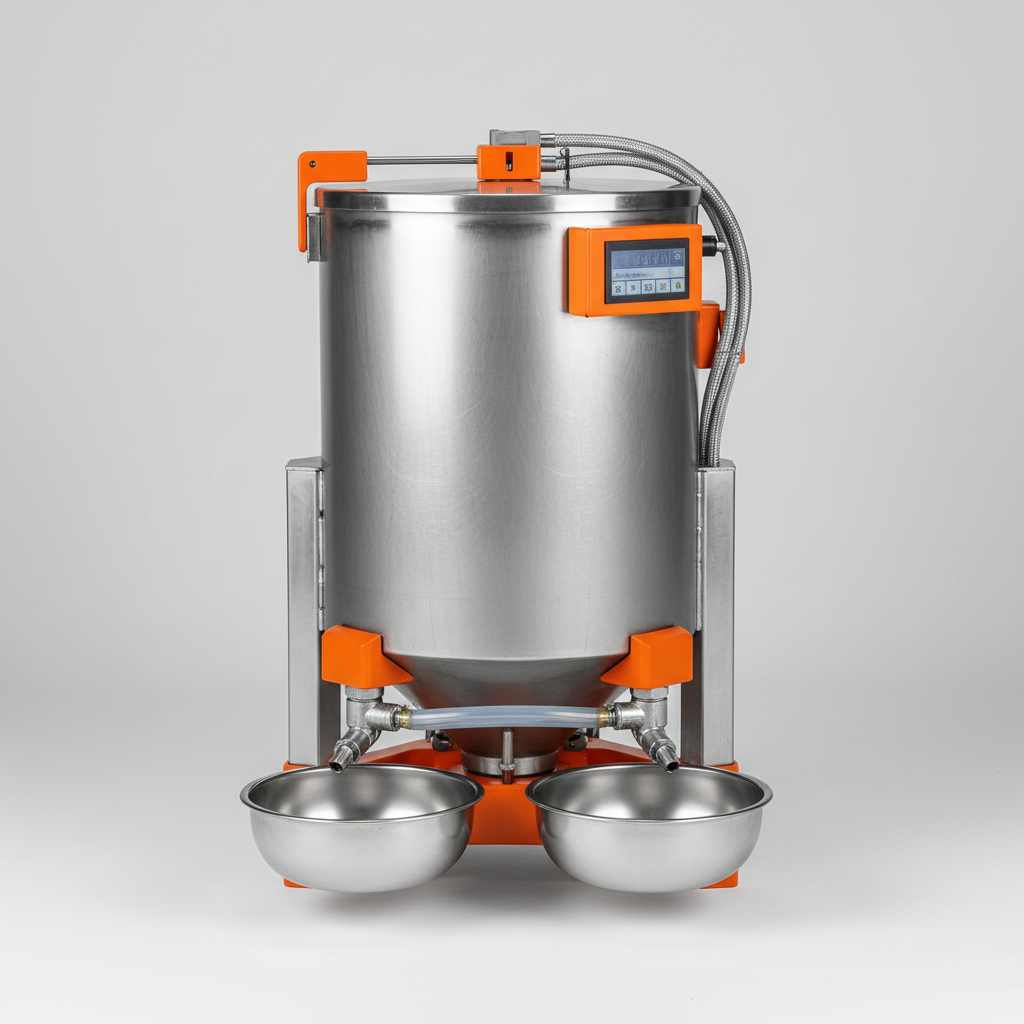
At its core, a double sided hog feeder is a trough-style feeder designed so that pigs can feed comfortably from either side simultaneously. Unlike single-side feeders which can cause crowding and competition, these double sided versions promote better feed distribution. Think of it as a communal snack table specially crafted to meet the habits of pigs — allowing easy access, reducing aggression, and minimizing feed spillage. This setup reflects modern livestock management trends focused on animal welfare and operational efficiency.
In bigger terms, it’s more than a feeder — it’s an element in a system that embraces humane treatment, cost-cutting, and scalable design.
Key Components of Effective Double Sided Hog Feeders
Durability and Material Choice
The feeder needs to tolerate harsh farm conditions: mud, moisture, pig teeth, and sometimes rough handling. Heavy-duty steel or high-grade polyethylene plastics are common. This choice affects longevity and maintenance costs dramatically — a factor many overlook until the feeder fails halfway through winter.
Design for Accessibility
Pigs aren’t exactly dainty eaters. The feeder’s height, edge shape, and trough width must fit pigs at different life stages. A wrong dimension means less feeding time or increased conflict. Many manufacturers offer adjustable heights that align with the pigs’ growth phases.
Feed Flow Control
How feed dispenses impacts waste. Adjustable flow mechanisms allow for precise rationing, reducing spilled feed — which discourages pests and saves money. It’s a subtle yet critical feature where automation increasingly enters the picture.
Ease of Cleaning
Farm hygiene is no joke. Feeders designed with smooth corners and removable sections make cleaning faster and more effective, reducing disease risks. It's one of those details that vets and farmers swear by.
Scalability and Integration
Whether a hobby farm or an industrial operation, a feeder system needs to scale. Modular designs allow multiple feeders to be linked, saving time on space management and streamlining feeding rounds.
Double Sided Hog Feeders in Action: Real-World Applications
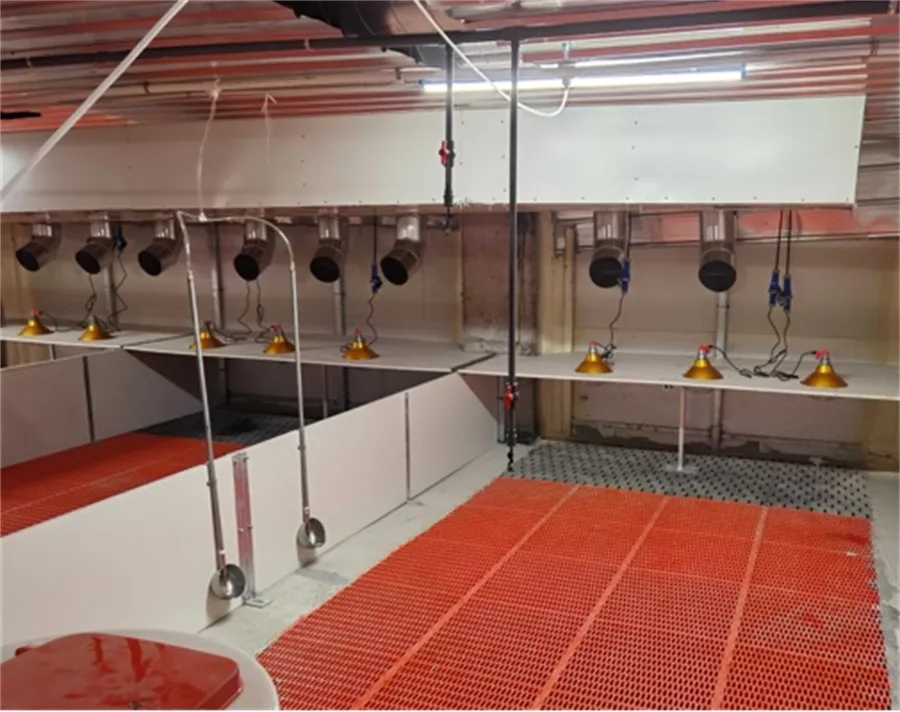
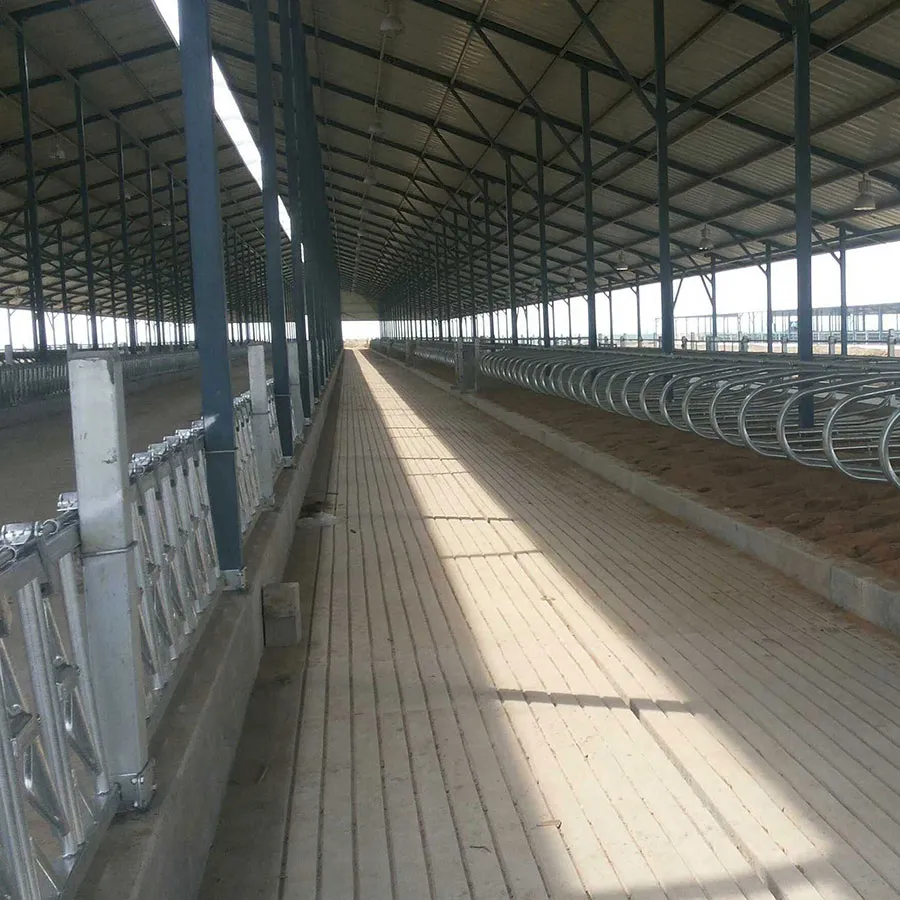
In the U.S. Midwest, huge hog operations leverage these feeders to optimize feed and reduce animal stress — factors that contribute directly to weight gain uniformity. Meanwhile, in parts of Europe, emphasis on animal welfare laws means feeders must meet strict ergonomic requirements, often involving double sided designs to promote fairness in feeding.
In Southeast Asia, organizations supporting smallholder farmers advise using affordable double sided feeders to decrease feed loss and improve pig survival rates — critical in regions recovering from economic disruptions.
Oddly enough, during disaster relief that involves restoring livestock capabilities, simplified versions of double sided hog feeders help quickly restart farming without costly equipment delays.
Mini takeaway:
Double sided hog feeders aren't niche gadgets — they're frontline tools in diverse feed ecosystems, bridging technology, welfare, and economics across continents.
Why Invest in Double Sided Hog Feeders? Advantages and Long-Term Value
- Cost Efficiency: Reduced feed waste means direct savings. Over a year, farms see measurable ROI.
- Sustainability: Less spillage means less environmental contamination and optimized feed resource use.
- Animal Welfare & Productivity: Reduced pig aggression during feeding leads to better health and optimized growth.
- Operational Reliability: Easy maintenance feeders reduce downtime and labor hours.
- Trust & Compliance: Aligns with increasing legislation on humane livestock management.
Product Specification Table
| Feature | Specification |
|---|---|
| Material | Galvanized Steel / High-Density Polyethylene |
| Feeding Capacity | Feeds 10-12 pigs simultaneously |
| Dimensions (L x W x H) |
150cm x 50cm x Adjustable 30-60cm |
| Weight | Approx. 25 kg |
| Cleaning | Removable trough, smooth edges |
| Flow Control | Manual adjustable gate |
Vendor Comparison: Which Double Sided Hog Feeder Fits Your Needs?
| Vendor | Material Quality | Price Range | Customization Options | Warranty |
|---|---|---|---|---|
| FarmTech Supplies | Galvanized steel, high durability | $$$ (Premium) | Height adjustable, flow control | 2 years |
| AgriFeeder Co. | Reinforced polyethylene | $$ | Modular designs | 1 year |
| Livestock Pro Gear | Mixed steel & plastic combos | $$$ | Custom lengths and widths | 3 years |
Looking Ahead: Innovations Shaping Double Sided Hog Feeders
Tech trends like IoT-enabled feeders, automated rationing, and sustainable materials are trickling into this field. Imagine feeders powered by solar panels adjusting feed portions in real-time based on pig behavior — not sci-fi anymore, just a few farms experimenting. Researchers are developing biodegradable plastics to reduce environmental impact, and 3D printing offers customization with less waste. This future-focus aligns with farmers’ growing emphasis on sustainability and precision agriculture.
Common Challenges—and How to Solve Them
One sticking point is the upfront cost for high-quality double sided feeders, which can deter small farms. Leasing or modular setups that grow with your herd size are practical solutions. Another issue? Maintenance requires regular attention. But smart designs with easy cleaning can mitigate downtime and reduce labor demands.
Also, improper usage or sizing can actually harm productivity, so proper training and supplier support is essential — which brings us to vendor selection again.
FAQ: Your Questions About Double Sided Hog Feeders
- What makes double sided hog feeders better than traditional single-sided ones?
- They allow more pigs to feed simultaneously with less competition, reducing stress and feed waste. This promotes healthier animals and more uniform growth.
- Are double sided hog feeders suitable for all pig sizes?
- Most models offer adjustable heights to accommodate pig growth stages, but it’s important to choose one matching your herd's specific size and age range.
- How often should a feeder be cleaned?
- Cleaning every 2-3 days is ideal to prevent mold, disease, and pests. Feeders with removable parts and smooth surfaces simplify this task greatly.
- Can these feeders integrate with automatic feeding systems?
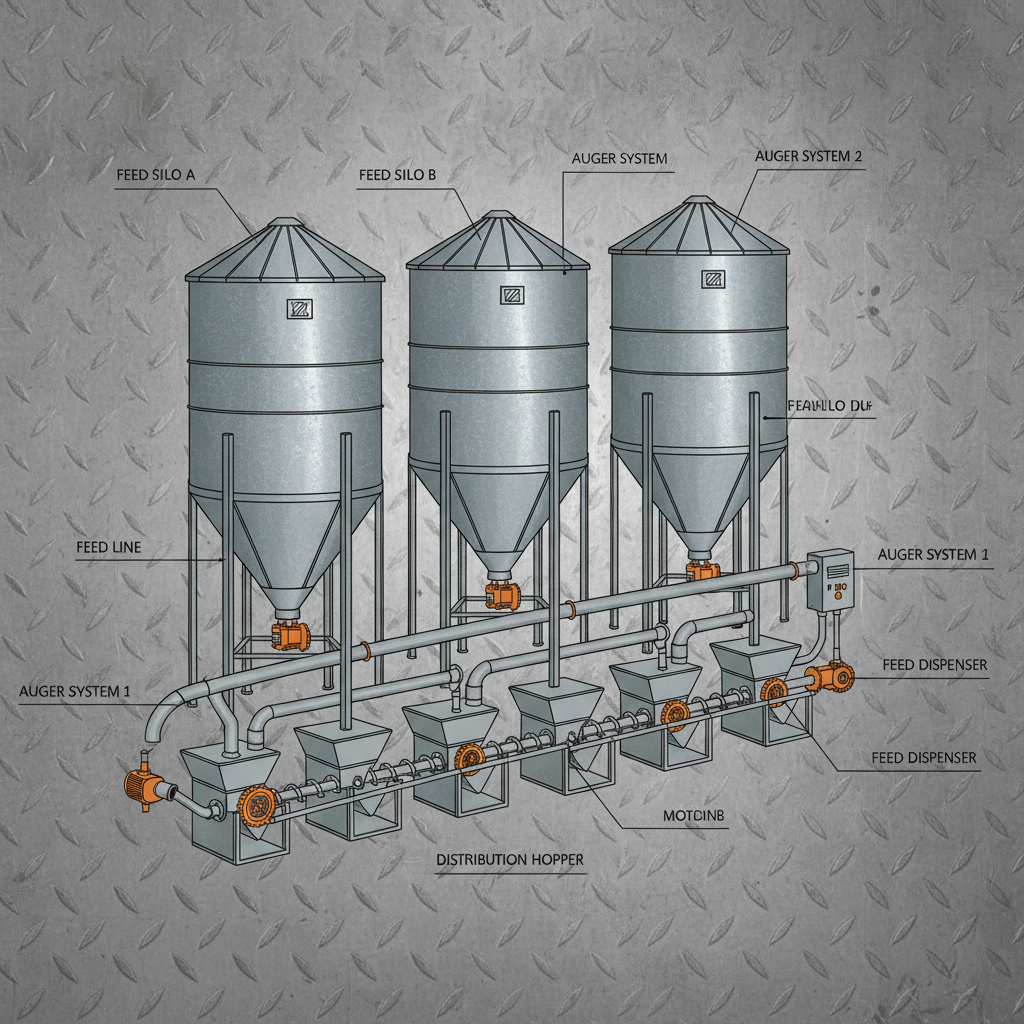
- Yes, many feeders are compatible with automated timers and feed dispensers, allowing for more precise rationing and less manual labor.
Wrapping Up: Why Your Farm Needs a Double Sided Hog Feeder
In sum, whether you’re running a large commercial operation or a small family farm, investing in a good double sided hog feeder translates into tangible benefits—saving on feed costs, improving pig welfare, and simplifying everyday work. It’s one smart step toward more sustainable, efficient hog farming. Curious to explore what the latest models can do for you? Visit double sided hog feeder for the latest offerings and expert advice.
References
Post time: Dec . 02, 2025