Understanding the 10 Ton Feed Bin: A Practical Overview
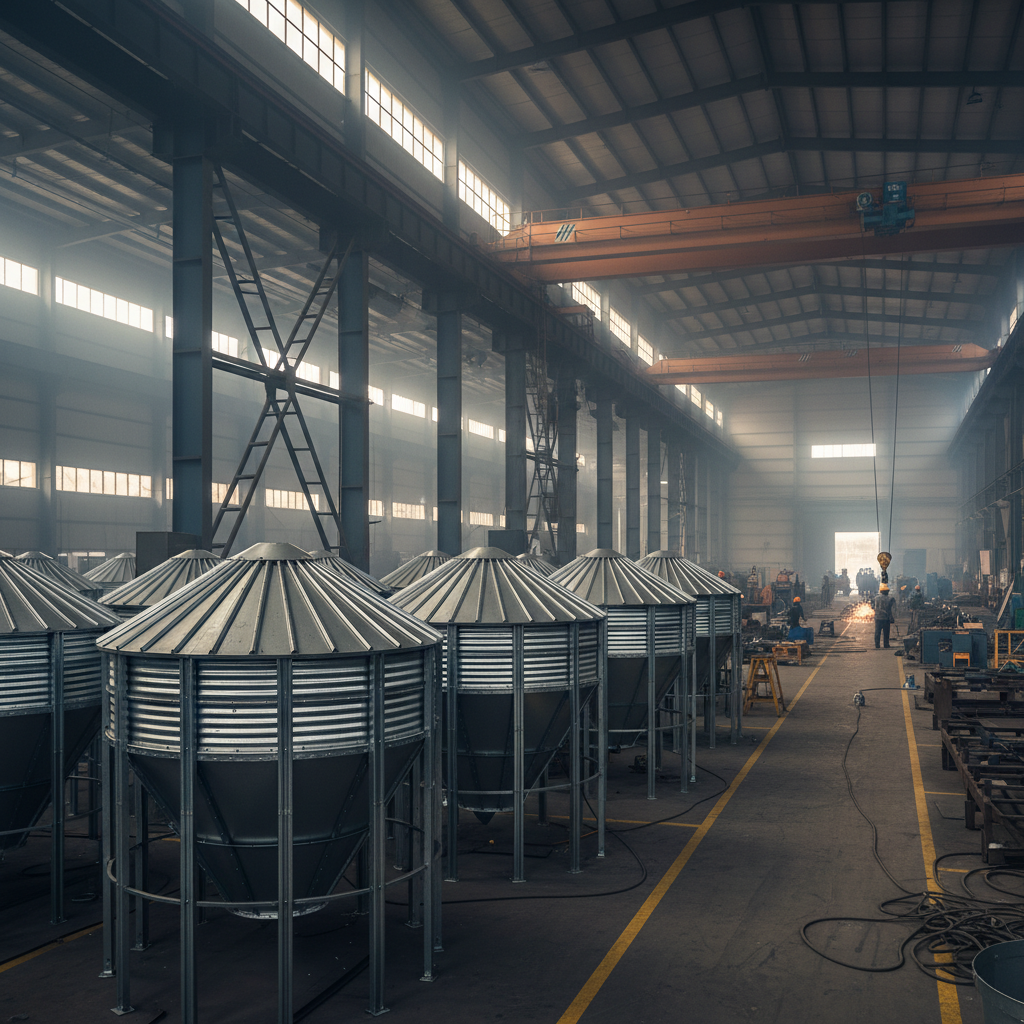
Having spent well over a decade in the industrial equipment game, I can say one thing for sure — feed bins, especially something like a 10 ton feed bin, are deceptively simple yet vital. These giants quietly work behind the scenes, storing tons of bulk feed efficiently and safely. It’s odd, but sometimes we overlook how much engineering goes into what seems like just a big metal container.
In real terms, a 10 ton capacity is substantial. I recall a customer from a midwestern poultry farm who upgraded from a 5 ton bin to this size. They told me it’s not just about holding more feed; it’s the reduced frequency of refilling, which translates into saved labor and less downtime during busy seasons — practical benefits that add up.
The design usually involves durable steel construction, often galvanized or powder-coated for corrosion resistance. Many engineers I’ve worked with insist on these treatments, as feed bins frequently endure harsh outdoor environments. It feels like a balance between robustness and affordability — you want something tough enough to last years but still cost-effective.
| Feature | Specification |
|---|---|
| Material | Galvanized Steel / Powder-coated Steel |
| Capacity | Approximately 10,000 kg (22,046 lbs) |
| Diameter | ~2.5 to 3 meters (8 to 10 feet) |
| Height | ~3.5 to 4.5 meters (11.5 to 15 feet) |
| Access Features | Hatch Doors, Auger Inlets, Level Sensors |
| Installation | Skid-mounted or bolt-down options |
I suppose one thing folks sometimes underestimate is the importance of proper installation. You’d be surprised how often bins are set up without much thought on ground leveling or anchoring, which causes settling issues over time. A stable foundation means fewer headaches and less risk of damage, especially in windy areas.
Oddly enough, customization isn’t rare. I remember a feed mill asking for integrated automation for feed dispensing combined with load cells to monitor output in real time. These added features, frankly, aren’t always standard but can be a game changer in streamlining farm operations—reducing waste and enhancing feed traceability.
| Vendor | Material Quality | Customization Options | Lead Time | Price Range |
|---|---|---|---|---|
| CX Livestock | High-grade galvanized steel with options for powder-coat finish | Wide range, including automation and sensor integration | 4–6 weeks | $$$ |
| AgriEquip Co. | Standard galvanized steel | Limited to size and basic accessories | 2–3 weeks | $$ |
| Bulk Storage Solutions | Premium steel, corrosion-resistant coatings | Custom sizes and tech add-ons available | 6–8 weeks | $$$$ |
In farms and feed mills, the 10 ton feed bin isn’t glamorous, but the quiet backbone of feed storage — dependable and often forgotten until things go wrong. I noticed in recent years a trend toward more sensor technology and automation, especially for larger operations. It’s a neat progression, combining old-school practicality with new-school tech.
Anyway, if you’re considering a 10 ton bin, factor in not just cost but also support, durability, and how it fits into your bigger feed system. The right bin can make life easier, save you money over time, and frankly, give you peace of mind — which, after years on the front lines, is really what counts.
References:
- Field experience with feed bin installations and farmer consultations.
- Trade publications on bulk storage design and materials technology.
- Customer feedback from various agricultural feed operations.
Post time: Dec . 03, 2025