The Global Significance of Galvanised Steel Feed Bins
In today’s agricultural and livestock industries, ensuring safe, reliable storage for feed is no small matter. The humble galvanised steel feed bin often goes unnoticed but plays an outsized role in feeding billions of animals worldwide. As global populations rise and supply chains become more complex, the need for durable, weather-resistant feed storage has never been more urgent. Countries around the world, from the vast plains of North America to the farmlands of Africa, rely on these storage solutions to prevent spoilage, reduce waste, and maintain animal health — ultimately contributing to food security for millions.
Why does this matter globally? Because agricultural productivity doesn’t just hinge on crops; it’s deeply tied to storage and preservation of feed. Understanding these bins uncovers layers of economic, environmental, and social benefits that ripple through communities and industries.
Mini takeaway: Galvanised steel feed bins underpin global food chains, helping farmers and ranchers secure animal nutrition and reduce wastage in challenging environments.
Understanding the Role of Galvanised Steel Feed Bins in a Global Context
Globally, livestock contributes to nearly 40% of agricultural output according to the Food and Agriculture Organization (FAO). Yet, feed storage issues such as contamination, moisture ingress, and pest infestation remain pressing challenges, leading to significant losses. For example, the World Bank estimates post-harvest losses in feed grains can reach up to 30% in some regions. This is where galvanised steel feed bins come in — offering a robust defense against these problems.
Industries in developing nations, where infrastructure might lag, face the steepest hurdles. Meanwhile, countries with harsh climates, like parts of Canada and Northern Europe, require storage to withstand extremes without rusting or degrading. On the flip side, climate change intensifies the unpredictability of weather, making corrosion-resistant feed bins essential in safeguarding livestock nutrition.
The galvanised steel feed bin solves a core problem: reliable, long-lasting feed preservation. It’s a small innovation with outsized importance globally.
What Exactly is a Galvanised Steel Feed Bin?
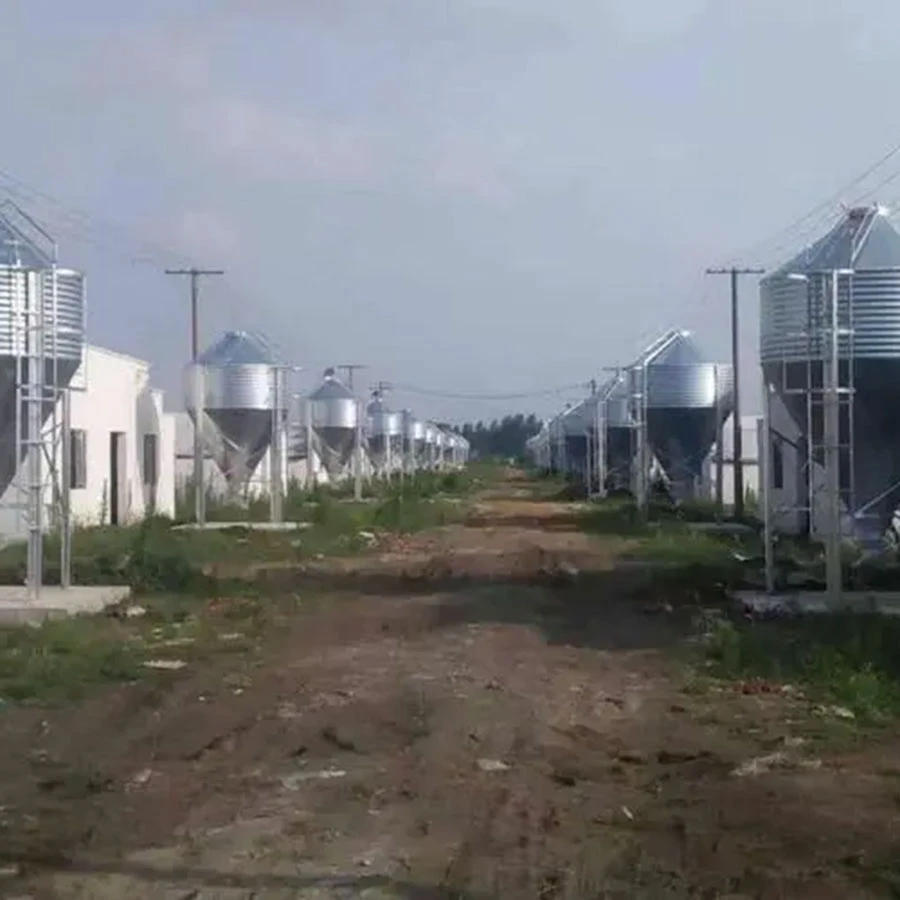
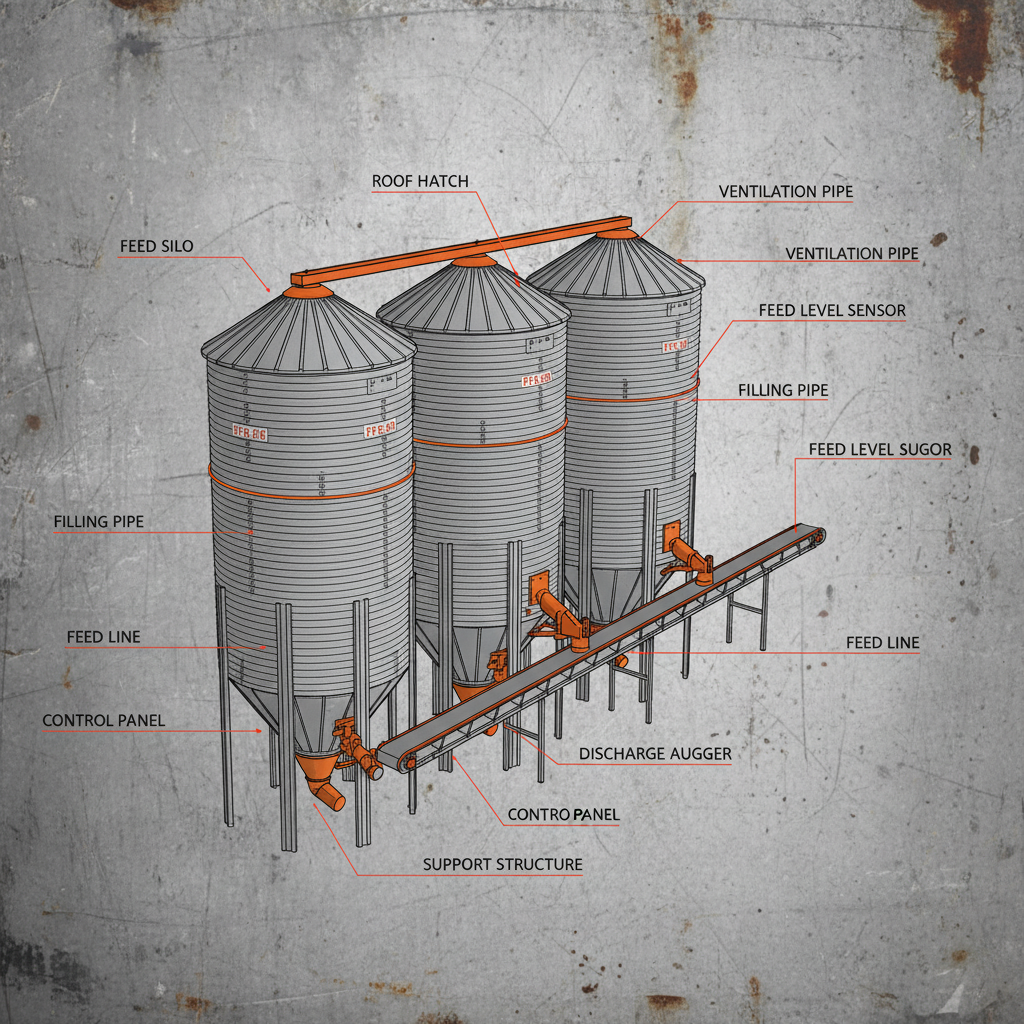
Simply put, a galvanised steel feed bin is a container designed for storing livestock feed — made primarily from steel sheets coated with zinc through galvanisation to prevent rust and corrosion. Think of it as a metal fortress for grains, pellets, or mash that livestock depend on daily.
This bin’s durable exterior shields feed from the elements — rain, humidity, rodents, birds — and reduces spoilage. Plus, galvanised steel feed bins are often modular, scalable, and tailored for both small farms and large agribusiness operations.
In humanitarian or emergency contexts, these bins support quick mobilization of animal nutrition, thereby sustaining livelihoods, preventing starvation, and stabilizing vulnerable communities.
Mini takeaway: Galvanised steel feed bins combine metallurgy and clever design to offer reliable, scalable storage solutions essential for animal health worldwide.
Core Features that Make These Feed Bins a Game Changer
Durability Against the Elements
Thanks to the zinc coating, galvanised steel feed bins resist rust and corrosion much better than plain steel. This means they last for decades in harsh weather — from scorching sun to heavy snow — without losing structural integrity.
Scalability and Modular Design
These bins come in various sizes, from 500 kg capacity units suitable for smallholders to massive storage for industrial-scale farming. Their designs often allow stacking or connecting multiple units to match growing operation needs.
Cost Efficiency Over Time
While the initial price might be higher than simple plastic or wooden alternatives, the longevity and low maintenance costs make galvanised steel feed bins economically smart in the long run.
Pest and Contamination Protection
The metal enclosure is less hospitable to rodents and insects, significantly reducing contamination risks that plague organic or porous containers.
Ease of Maintenance and Cleaning
The smooth surfaces and robust build simplify cleaning — a critical factor for maintaining feed hygiene.
Mini takeaway: The smart layering of durability, size flexibility, cost efficiency, and hygiene protection define why these feed bins are preferred worldwide.
Worldwide Applications and Industry Use Cases
The reach of galvanised steel feed bins is vast:
- North America & Europe: Prominent in commercial cattle and poultry farms, where reliable feed supply chains are essential to high-efficiency production.
- Sub-Saharan Africa & Southeast Asia: NGOs use portable galvanised steel feed bins in livestock projects to enhance farm productivity and stability for small-scale farmers.
- Post-Disaster Settings: Emergency response teams deploy these bins to quickly stabilize animal feed supply after floods or droughts, preventing famine and livelihood loss.
- Remote Industrial Zones: Mining or construction sites with onsite livestock for food security rely on galvanized bins for secure storage—very few alternatives stand up well in these harsh zones.
One international development program in Kenya documented a 25% reduction in feed spoilage after moving from traditional sacks to galvanised steel feed bins — a tangible example of impact.
Mini takeaway: From commercial farms to humanitarian aid, galvanised steel feed bins fit all scales and geographies.
Advantages and the Long-Term Value of Investing in Galvanised Steel Feed Bins
Owning or supplying galvanised steel feed bins means betting on reliability. They offer:
- Economic savings: Fewer feed losses equal more productive livestock and better ROI for farmers.
- Enhanced sustainability: Durable materials reduce waste, and prevention of contamination cuts down on chemical pest controls.
- Social impact: By protecting animal nutrition, communities enjoy enhanced food security and dignity, especially in low-income areas.
- Trust and innovation: Brands offering these bins often gain reputational uplift for reliability and quality, fostering stronger industry partnerships.
The safety factor is also crucial. By limiting rodents and mold, farmers reduce health risks for their herds and themselves. You might even say the galvanised steel feed bin is a quiet guardian of animal welfare and livelihoods.
Looking Ahead: Trends and Innovations Shaping Feed Bin Technology
Tech never stops moving, and neither do galvanised steel feed bins:
- Integration with digital sensors: Smart bins with moisture or feed-level monitoring are emerging, enabling remote management and minimizing human error.
- Eco-conscious coatings: New galvanisation methods using less toxic chemicals and energy-saving processes promise greener production cycles.
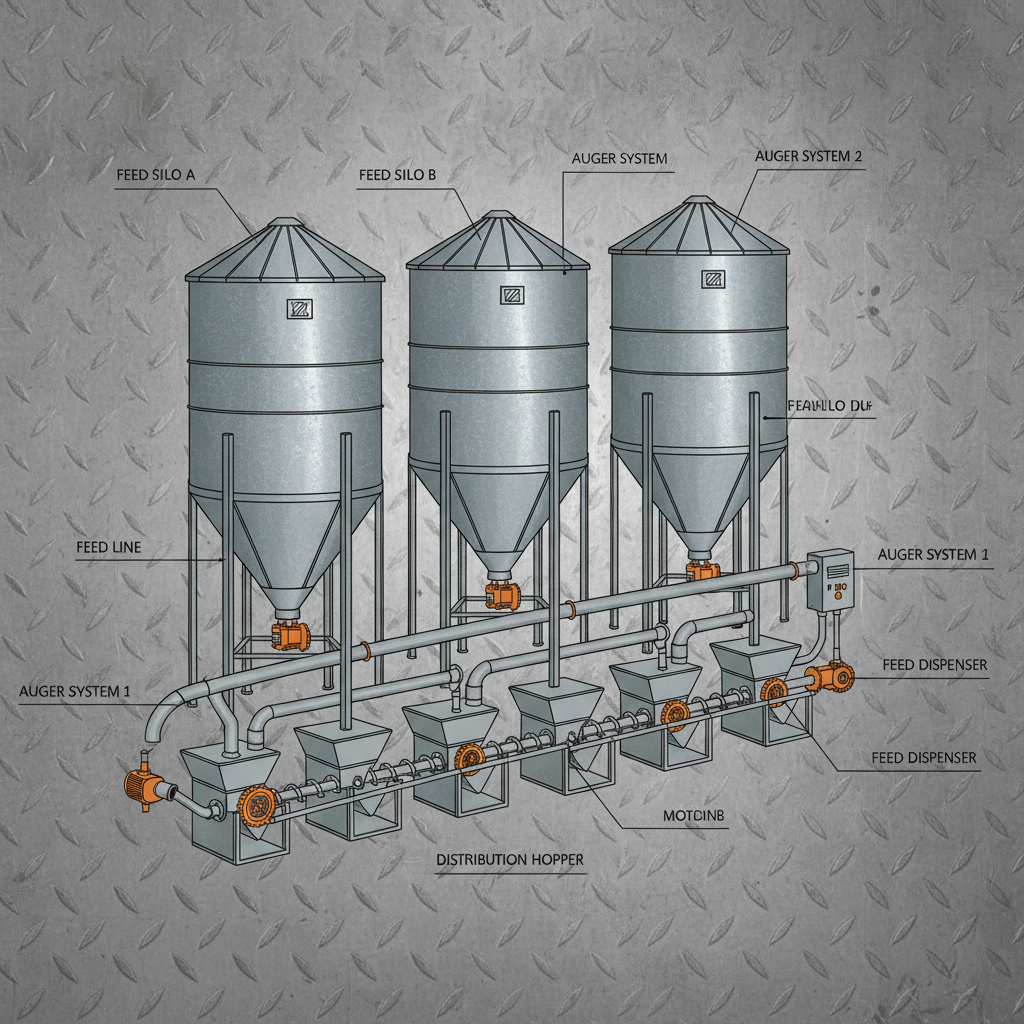
- Automation compatibility: Feed bins designed to interface with automated dispensing systems are becoming more common on high-tech farms.
- Hybrid materials: Some suppliers are experimenting with composites that blend steel strength with lighter, insulated layers to improve thermal properties.
It kind of feels like even these classic steel containers aren’t immune to the digital age's touch.
Challenges and Their Practical Solutions
Of course, no solution is perfect:
- Weight and Mobility: Larger galvanised steel feed bins can be heavy and tricky to move without machinery, limiting some small-scale uses. However, manufacturers address this by modular designs and detachable legs to facilitate transport.
- Initial costs: Upfront expenses deter some farmers, but financing plans and bulk purchase discounts are helping close the gap.
- Corrosion in Extreme Conditions: Prolonged exposure to saltwater or certain industrial chemicals slows the longevity of galvanisation. Advanced coatings and regular maintenance can help overcome this.
By openly facing these issues, the industry continuously refines its approach, and users get more tailored products.
Frequently Asked Questions About Galvanised Steel Feed Bins
- How long does a typical galvanised steel feed bin last?
- With proper care, these bins can last 20 to 30 years or more, thanks to the protective zinc coating that inhibits rust and corrosion.
- Can galvanised steel feed bins withstand harsh weather?
- Yes, they’re designed to endure rain, snow, and UV exposure without deteriorating — making them ideal for a variety of climates.
- Are galvanised steel feed bins easy to clean?
- Absolutely. The smooth metal surfaces prevent buildup of feed residue and pests, so routine cleaning is straightforward, helping preserve feed quality.
- What size options are typically available?
- Sizes vary widely, from compact 500 kg units for small farms to large-scale storage exceeding 10,000 kg, adaptable for different livestock feed volumes.
- How do these bins compare cost-wise with other storage options?
- While pricier initially than plastic or wooden bins, their longevity and reduced feed loss often make them more cost-effective over time.
Product Specification Table
| Specification | Standard Feature | Description |
|---|---|---|
| Material | Hot-Dip Galvanised Steel | Steel sheets coated with zinc layer typically 50-85 microns thick for corrosion resistance |
| Capacity | 500-10,000+ kgs | Varies by model and intended livestock scale |
| Dimensions | Customizable | Modular design options allow various shapes and stackable units |
| Features | Pest-proof locks, airtight lids | Designed to minimize rodent and insect access, maintain feed freshness |
| Lifespan | 20–30 years | Dependent on environment and maintenance |
Vendor Comparison: Leading Suppliers of Galvanised Steel Feed Bins
| Vendor | Range | Customization | Price Range (USD) | Lead Time |
|---|---|---|---|---|
| SteelBins Co. | 500-8000 kg capacity | Full customization of size & features | $800 - $5,500 | 4-6 weeks |
| AgriStor Ltd. | 1000-10000+ kg | Standard sizes with modular add-ons | $950 - $6,200 | 3-5 weeks |
| FarmSafe Bins | 500-5000 kg | Limited custom options; focus on affordability | $600 - $3,000 | 2-4 weeks |
In Closing: Why This Matters Long-Term
When you think about it, the galvanised steel feed bin is one of those quietly heroic tools in agriculture and animal care. Durable, reliable, and adaptable, it protects not only the feed but also the livelihoods that depend on it. Whether for a commercial rancher in Oklahoma or a village cooperative in Eastern Europe, these bins deliver certainty amid uncertain conditions.
If you want to explore how this robust solution can serve your operation, visit our website: https://www.cxlivestock.com. Sometimes, the solid foundation comes in the form of steel and zinc.
References
Post time: Dec . 02, 2025