Getting to Know Cattle Show Stall Panels: Why They Matter Worldwide
If you’ve ever wandered through a livestock exhibition or a county fair, chances are you've seen cattle show stall panels. These simple-looking barriers aren’t just metal or wood pieces—they’re essential to how we safely and efficiently display cattle worldwide. As global agriculture evolves, so do the needs around animal welfare, safety, and event logistics. Understanding cattle show stall panels is more than just “farm stuff”; it’s about marrying practicality with animal dignity, facilitating a smoother show day, and even supporting global agriculture norms. Plus, if you’re a livestock exhibitor or event organizer, these panels could be your unsung heroes.
---
The Bigger Picture: Why Cattle Show Stall Panels Are a Global Game Changer
Livestock exhibitions aren’t just quaint local events anymore—they’re globally linked showcases driving economic and social impact. The Food and Agriculture Organization (FAO) estimates that livestock contributes over 40% of agricultural GDP worldwide [1]. At these events, cattle show stall panels play a vital role in animal management and welfare, ensuring safety for both animals and handlers. The panels tackle a core challenge: how to provide secure, comfortable, and transportable housing for cattle in often crowded, fast-paced environments.
With events drawing participants from regions as varied as North America, Europe, and Australasia, stall panels help maintain standards critical to animal welfare and operational flow. One often overlooked fact is how poor panel quality can lead to accidents or animal stress—conditions nobody wants and that can directly affect herd health, exhibition reputations, and even trade partnerships.
---
Summary Takeaway:
Cattle show stall panels aren’t just fences — they’re vital tools that intersect animal welfare, industry standards, and global livestock economics.
---
What Are Cattle Show Stall Panels, Anyway?
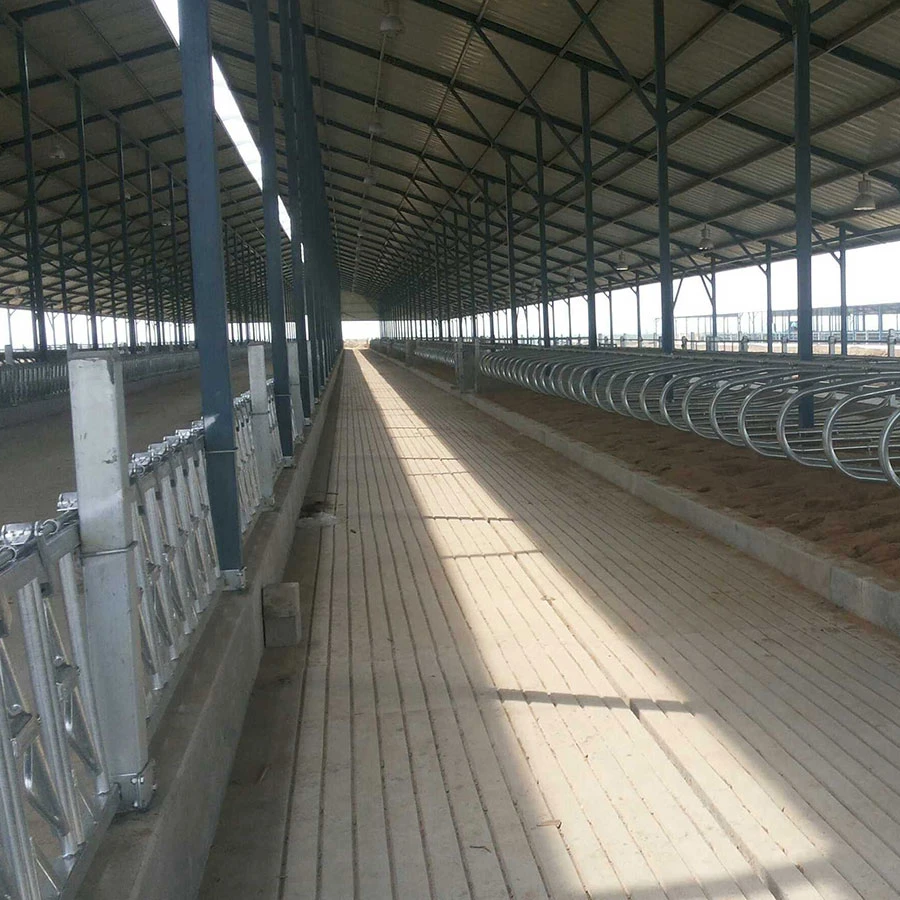
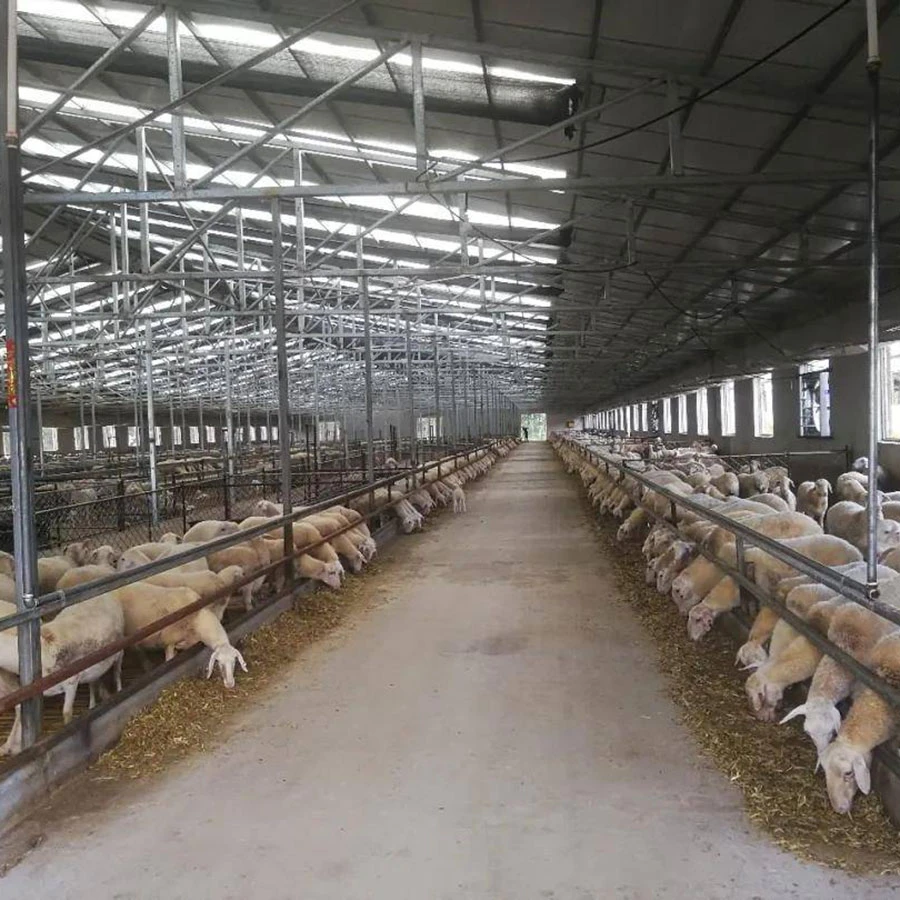
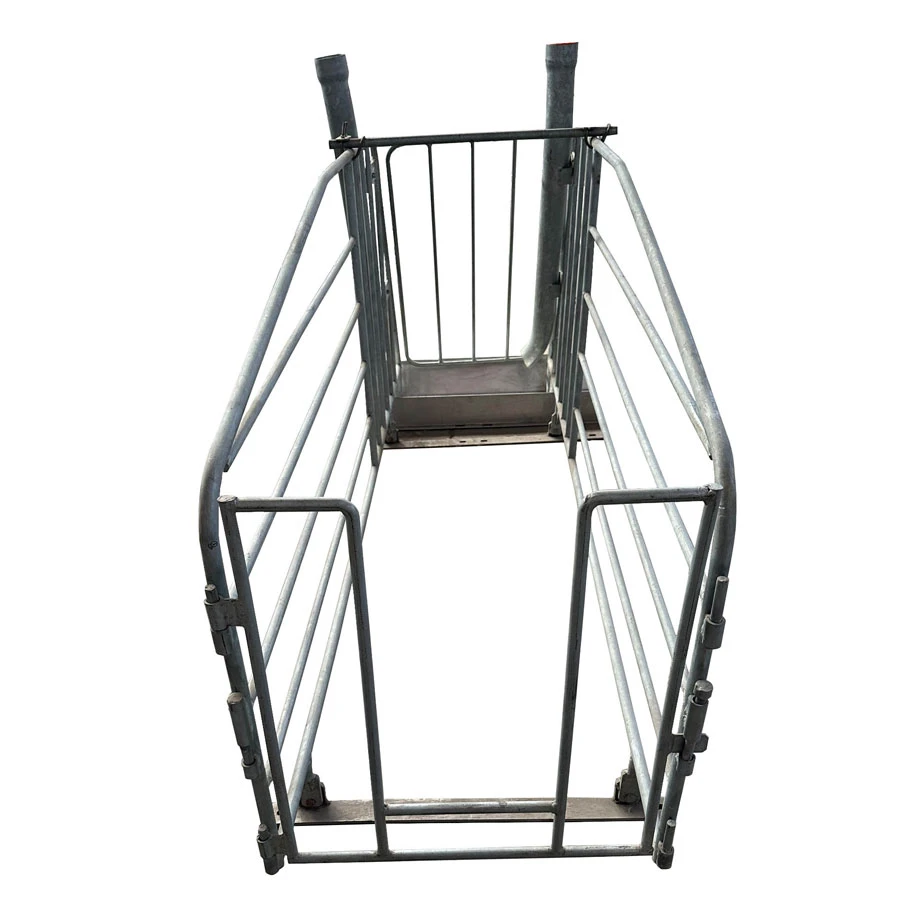
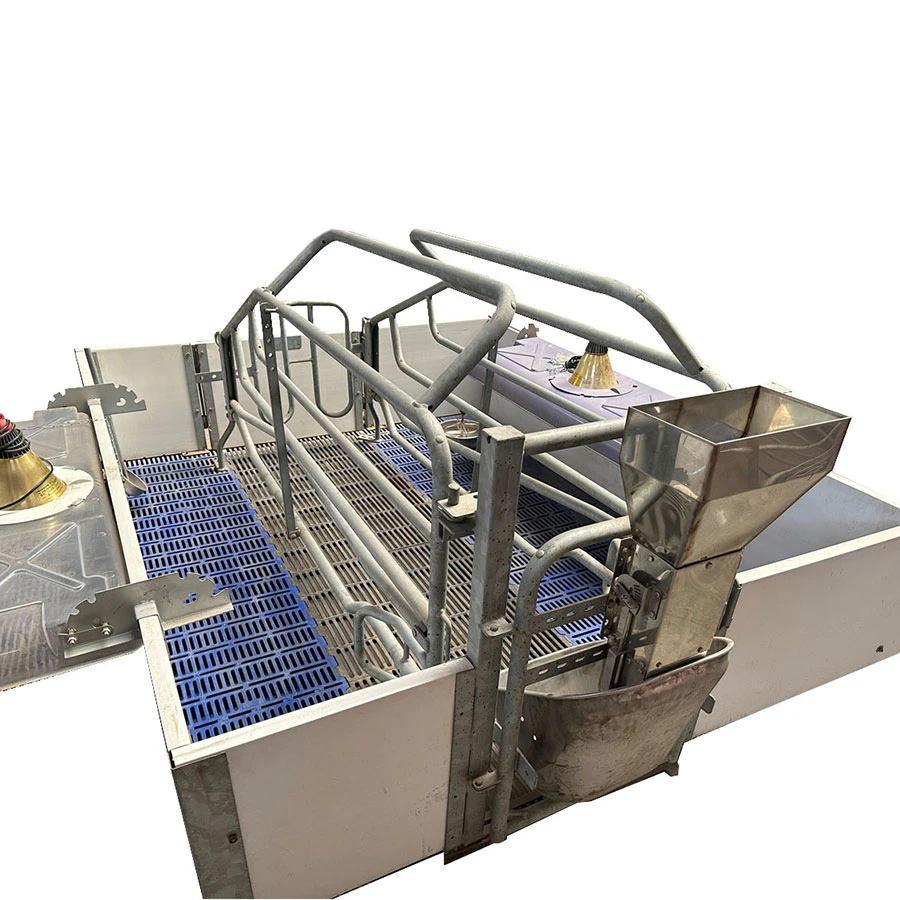
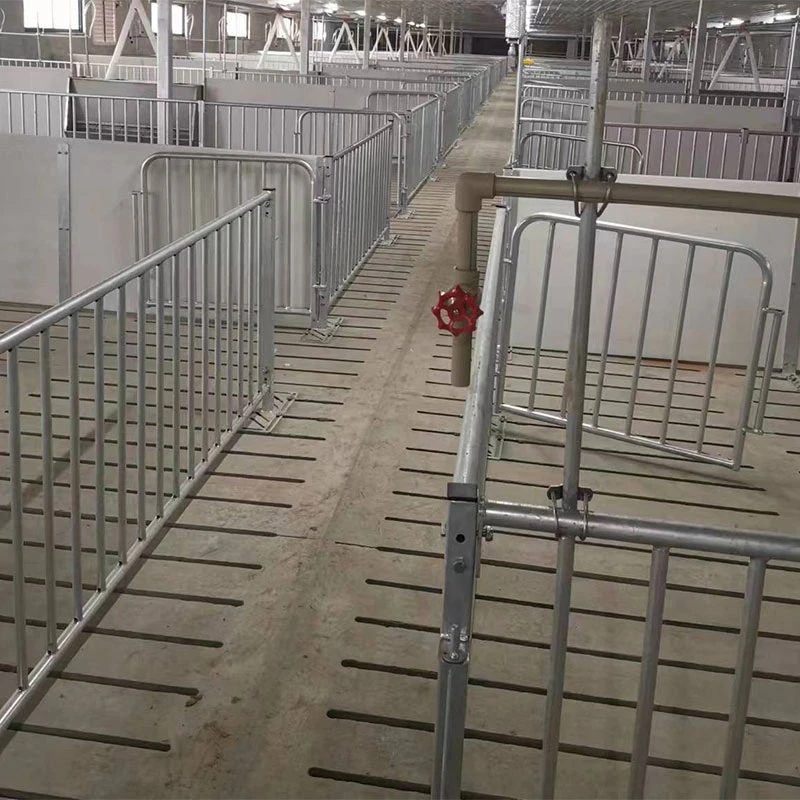
Simply put, cattle show stall panels are modular partitions designed to section off individual or groups of cattle during shows and fairs. Typically made from steel, aluminum, or treated wood, these panels create safe, easy-to-clean, and configurable stalls to display animals neatly.
But beyond the basic definition lies a connection to modern livestock handling methods. These panels embody principles from animal science, veterinary safety standards, and event logistics—neatly blended into practical equipment. They help alleviate stress among cattle by minimizing overcrowding and unexpected movement, which can lead to injuries or show-day mishaps. So, they’re not just “barriers” but part of a holistic approach to humane, efficient livestock exhibition.
---
Core Components of Effective Cattle Show Stall Panels
Durability
When you think about livestock, you imagine strength—and the panels must match that. Durable materials like powder-coated steel resist rust and twisting even in rough barnyard conditions. Oddly enough, many organizers find that well-made panels last 10+ years, becoming a solid investment that’s easy to refurbish.
Portability
Since shows happen everywhere—from rural fairs to high-profile expos—stall panels must be easy to transport and set up. Lightweight designs with convenient locking mechanisms reduce labor and time. Some vendors even produce stackable or folding panels, which can save valuable trailer space.
Animal Safety & Comfort
Rounded edges, appropriate panel height, and spacing between bars prevent injury and provide good ventilation. Studies, like those referenced in ISO livestock handling guidelines [2], emphasize the importance of materials that don’t overly intimidate animals while ensuring secure containment.
Customization
Every event and species has unique needs. Panels come in various sizes, gate configurations, and colors. Buyers often request branding options or special finishes to match venue aesthetics or reflect sponsor logos.
Maintenance
Good panels are designed to be low maintenance. Quick-drain designs and smooth surfaces prevent bacterial build-up, supporting hygienic conditions crucial to animal health.
---
Mini Summary:
Durability, portability, safety, customization, and maintenance underpin the design of cattle show stall panels, making them a must-have for any serious livestock exhibitor.
---
How and Where Are These Panels Being Used Globally?
Cattle show stall panels have reached far beyond the county fairs you might imagine. In North America, large state fairs invest heavily in top-quality folding panels to accommodate thousands of head at once. Europe sees a focus on ergonomic, rust-resistant materials to comply with strict animal welfare laws.
In developing regions like parts of Africa and Asia, NGOs use portable stall panels during vaccination campaigns and mobile livestock clinics—helping isolate animals safely to reduce disease spread. Meanwhile, multinational agricultural expos in Australia and Brazil rely on modular designs for quick setup in variable climates.
One vivid example comes from a recent cattle show in Texas, where organizers switched to a new design that cut setup time by 40% and reduced animal stress incidents, leading to overall higher event satisfaction.
---
They Pay Off: Advantages of Using Cattle Show Stall Panels
Let’s be frank—cost matters. But so does reliability, safety, and sustainability. Investing in quality stall panels yields longer-term savings by reducing injuries, limiting panel replacement costs, and speeding up event operations. There’s a social dimension, too: humane handling fosters trust among exhibitors, audiences, and regulatory bodies.
Emotionally, exhibitors often mention peace of mind knowing their beloved animals are safe, comfortable, and displayed with dignity. That sort of trust feels intangible—but it’s very real.
---
Current Product Specs: What You Can Expect
| Feature |
Specification |
Benefit |
| Material |
Powder-coated steel / Aluminum |
Rust-resistant, long-lasting |
| Height |
150 cm – 190 cm adjustable |
Prevents animal escape, varies by species |
| Weight |
15–25 kg per panel |
Portable, easy to handle |
| Locking |
Quick-release latch system |
Fast assembly/disassembly |
| Customization |
Colors, logos, sizes |
Branding and event specific needs |
---
Vendor Snapshot: Comparing Popular Cattle Show Stall Panels Providers
| Provider |
Material Quality |
Portability |
Customization |
Price Range |
| AgriPanels Inc. |
Premium powder-coated steel |
High, foldable designs |
Extensive (colors & logos) |
$$$ |
| ShowGuard Panels |
Galvanized steel |
Medium (modular sets) |
Basic sizes only |
$$ |
| FlexiFarm Solutions |
Aluminum-lightweight |
Very high (stackable, foldable) |
Moderate (size options) |
$$$ |
---
Looking Ahead: Innovation in Cattle Show Stall Panels
You might think, “How much can a cattle stall panel change over time?” But progress is happening. New composites combining recycled materials with metals improve sustainability. Digital enhancements like integrated RFID tag holders help organizers automate identification and tracking during shows, cutting paperwork and human error.
Also, there’s a shift toward greener production with low-VOC coatings and solar-powered lighting attachments for night shows. Automation is even entering setup: some venues test robotic units that can move and lock panels, a huge time-saver for large-scale events.
---
Tackling Challenges and Smart Solutions
One persistent issue is balancing sturdiness with portability. Heavier panels can cause fatigue during transport, while lighter ones sometimes sacrifice durability. A neat solution that’s gaining ground is hybrid materials: steel frames with lightweight, reinforced polymer sections. This mix keeps weight down without compromising strength.
Another challenge is cost, especially for small-scale farmers or event organizers in developing regions. Here, rental models and NGO partnerships often fill the gap, ensuring access without heavy upfront investments. Plus, educating users on maintenance extends panel life, avoiding premature replacements.
---
Frequently Asked Questions About Cattle Show Stall Panels
- Q: How durable are cattle show stall panels in outdoor, rainy environments?
A: Panels made from powder-coated steel or galvanized metal can withstand outdoor conditions for years without rusting. Proper maintenance like regular cleaning and storing during off-season extends longevity significantly.
- Q: Can these panels be customized for different cattle breeds or sizes?
A: Absolutely. Many manufacturers offer adjustable or varied-height panels to accommodate smaller calves or larger breeds, ensuring safety and comfort regardless of the cattle type.
- Q: Are there eco-friendly options for stall panels?
A: Yes, newer options use recycled metals, low-VOC paints, and sustainable composites. These choices reduce environmental impact without sacrificing quality.
- Q: How quickly can stall panels be set up at a large event?
A: With modular and quick-release locking mechanisms, experienced teams can assemble dozens of panels in under an hour, slashing labor costs and prep time.
- Q: Where can I buy or learn more about cattle show stall panels?
A: Reputable vendors and trade sites like cattle show stall panels showcase a variety of options tailored to your needs, complete with expert advice and after-sales support.
---
Wrapping Up: Why You Should Care About Cattle Show Stall Panels
In sum, these pieces of equipment quietly support global agricultural events by ensuring safety, dignity, and efficiency. Whether you’re an exhibitor, organizer, or just a curious bystander, appreciating the role of cattle show stall panels reveals how something so simple can ripple through animal welfare, economic sustainability, and even cultural traditions.
So next time you visit a livestock show, glance a little longer at those sturdy panels. There’s more than metal there—there’s a world of care, innovation, and heritage.
For a deeper dive or to shop quality panels, visit
our dedicated cattle show stall panels site.
---
References:
- FAO Livestock Sector Brief. Food and Agriculture Organization. Retrieved 2024.
- ISO 23081-1:2020, Livestock Handling Equipment Standards.
- United Nations Sustainable Development Goals (SDG 2) - Zero Hunger.