The Role of Cattle Headlock Panels in Modern Livestock Management
At first blush, the term cattle headlock panels might sound a bit technical or even a bit intimidating. But these panels are actually a simple, smart solution designed to make life easier and safer for farmers, veterinarians, and ultimately, the cattle themselves. Globally, as livestock farming becomes more industrialized and precision-driven, understanding the function and impact of cattle headlock panels is crucial. These panels help manage large herds efficiently, reduce animal stress, and improve safety—all while supporting sustainable practices in agriculture. Put simply, they matter because they underpin the backbone of how modern farms herd, handle, and care for cattle on a day-to-day basis.
So what’s so compelling about cattle headlock panels? Why should a farmer in Nebraska, a rancher in Australia, or a livestock coordinator in Mongolia care about them? Let’s explore the nuts and bolts, the big picture, and everything in between.
Why Cattle Headlock Panels Matter Globally
The United Nations Food and Agriculture Organization estimates the global cattle population at roughly 1.5 billion animals as of 2023. From giant feedlots in the U.S. to smallholdings in Africa, managing these animals effectively is a mammoth challenge. Chronic issues such as animal stress, injury risks, and inefficient herd handling often lead to economic losses and animal welfare concerns.
Cattle headlock panels provide a practical answer to these challenges. They are integral to livestock facilities worldwide because they increase safety (for handlers and animals), streamline medical treatments, and support better feeding management. From reports by the International Livestock Research Institute (ILRI) to case studies in the World Bank’s agriculture development programs, these panels are consistently pointed out as cost-effective tools that help mitigate animal handling risks—a large-scale concern for a sector worth over $1 trillion globally.
What Exactly Are Cattle Headlock Panels?
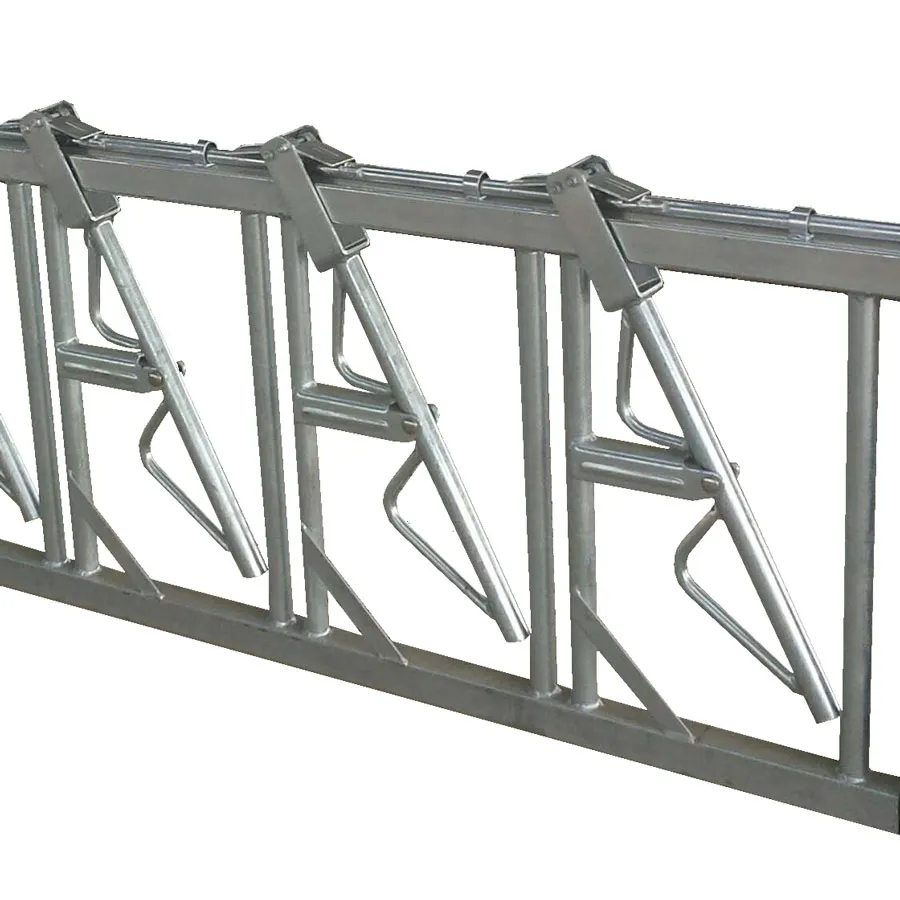
In plain language, cattle headlock panels are sturdy metal frames with individual locking slots designed to hold the cattle’s heads in place gently and securely during routine handling activities like feeding, vaccinations, or inspections. Imagine those slats you see at the feeding trough in a barn—each open space accommodates one cow’s head, allowing the animal to eat or be examined without wandering off.
These panels are connected to feeding or restraint systems and enable easy access to cattle while keeping them calm and contained. Think of it as a clever cattle "pause button"—the panel allows the animal a moment to stand still without feeling confined beyond necessity.
Core Components of Effective Cattle Headlock Panels
1. Durability and Material Strength
Panels must withstand the rough and tumble nature of cattle handling—rust-resistant steel or galvanized metals are common. Durability isn’t just marketing speak—this means fewer replacements and less downtime.
2. Animal Welfare Design
The shape and size of the slots are carefully engineered to prevent injury or unnecessary stress. Many modern panels feature smooth rounded edges and adjustable widths to suit various cattle sizes.
3. Ease of Use and Safety
Farmworkers need to quickly secure cattle but also release them without risking injury. The locking mechanisms must be intuitive and function smoothly—even under less-than-perfect farm conditions.
4. Scalability and Modular Options
Whether you’re managing ten cows or a thousand, panels should be adaptable. Modular systems can be added or removed quickly depending on seasonal herd size or specific farm setups.
5. Cost Efficiency
Price is a factor—buying in bulk, quality materials, and low maintenance costs make a real difference for farming operations with tight budgets.
The Global Landscape: Uses and Applications
Cattle headlock panels have applications that practically span every corner of the world where cattle farming exists:
- North America: Large dairies often use automated feed control systems integrated with headlocks, optimizing nutrition intake.
- Australia: Extensive range cattle farms use mobile headlock panels to assist veterinary checks in remote locations.
- India and Africa: Smallholder farms employ rugged, low-cost panels to improve herd management and reduce losses.
- Europe: Emphasis is on animal welfare regulations, pushing manufacturers to innovate comfort-focused headlock systems.
In emergency situations like disease outbreaks or disaster recovery, these panels can be deployed as temporary containment systems or treatment barriers—a real-life asset where speed and safety matter.
Advantages and Lasting Benefits of Using Cattle Headlock Panels
It might seem like just a piece of farm equipment, but cattle headlock panels offer benefits that go beyond the physical hardware:
- Enhanced Safety: Reduces accidental injuries to cattle and people.
- Improved Efficiency: Faster health checks, vaccinations, and feeding routines.
- Animal Welfare: Minimizes stress by offering gentle restraint rather than force.
- Cost Savings: Long-lasting design reduces replacement and injury costs.
- Trust & Compliance: Helps farms meet regulatory standards, supporting market access.
Emotionally, a farmer might appreciate how this simple tool eases the friction of animal handling. There’s a certain dignity in knowing that animals are being managed humanely—something that, frankly, everyone working with livestock hopes for.
What’s Next? Future Trends in Cattle Headlock Panels
The future is smart—and so is livestock management. Innovations poised to shape the next chapter include:
- Digital Monitoring: Sensors integrated into headlock panels to track feeding times and animal vital signs in real time.
- Sustainable Materials: Use of recycled metals and coatings reducing environmental footprints.
- Automation: Automated locking and release systems triggered remotely, saving labor and improving safety.
- Ergonomic Advances: Customizable panels conforming to breed-specific sizes and behaviors.
Altogether, these features aim to blend technology with everyday farming realities – quite exciting if the somewhat gritty, practical nature of livestock work is to be considered.
Common Challenges and Practical Solutions
Of course, nothing is perfect, and cattle headlock panels face typical challenges:
- Initial Cost: Higher-quality panels may require upfront investment, though long-term savings balance this out.
- Maintenance: Metal corrosion in humid or wet environments can shorten lifespan without proper care.
- Animal Adaptation: Some animals need time to adjust to the restraint system, which can lead to initial stress.
To combat these, many farms develop phased introduction protocols, schedule regular inspections and cleaning, and choose vendors that offer on-site support or warranties. Even simple improvements like rubber linings inside headlock slots can make a surprising difference.
Quick FAQs: What Do People Usually Ask About Cattle Headlock Panels?
- What exactly is the purpose of cattle headlock panels?
- They are used to safely and efficiently restrain cattle during feeding, vaccinations, or inspections, reducing stress and improving worker safety.
- Can cattle headlock panels be customized for different types of cattle?
- Yes, many vendors offer adjustable or breed-specific designs to comfortably fit everything from calves to full-grown bulls.
- How long do these panels typically last on a farm?
- With proper maintenance, quality panels can last 10-15 years or more, making them a long-term investment.
- Are cattle headlock panels difficult to install?
- Not at all. Most systems are modular and come with clear instructions. Many farms can set them up quickly with minimal tools.
- Do these panels help with animal welfare compliance?
- Absolutely. Using properly designed headlocks supports humane handling practices and helps farms meet regulatory guidelines.
Specification Table: Typical Cattle Headlock Panel
| Feature | Specification |
|---|---|
| Material | Galvanized Steel with Powder Coating |
| Slot Width | Adjustable 7.5” - 12” (19-30 cm) |
| Panel Length | 8 ft (2.44 m) typical |
| Locking Mechanism | Manual lever operated, safety latch |
| Weight | Approx. 75 kg (165 lbs) per panel |
| Expected Lifespan | 10+ years with maintenance |
Vendor Comparison: Popular Cattle Headlock Panel Brands
| Brand | Price Range (per panel) | Material | Unique Features | Warranty |
|---|---|---|---|---|
| FarmStrong | $550 - $700 | Galvanized Steel | Ergonomic locking, corrosion-resistant | 5 years |
| GreenField | $480 - $650 | Recycled Steel | Eco-friendly finish, modular system | 3 years |
| LivestockPro | $600 - $750 | Stainless Steel | Digital sensor integration ready | 7 years |
The sum of all this? Whether you’re running a big operation or a small farm, cattle headlock panels bring a blend of safety, efficiency, and animal-friendly management every day. They’re not flashy, they’re not headline-grabbing—but by smoothing routine challenges, they quietly support a sector that feeds billions worldwide.
If you’re curious to explore a range of these panels or want to compare options for your specific needs, take a look at cattle headlock panels providers—you might be surprised how much difference the right panel can make.
Wrapping It Up
In a world that’s both increasingly automated and deeply tied to natural resource management, tools like cattle headlock panels stand at the crossroads of tradition and technology. They are simple yet essential gear that embody thoughtful engineering and serve a vital role in livestock farming globally.
Taking the time to understand their purpose, benefits, and emerging trends can be a game-changer for anyone involved in animal husbandry. Because at the end of the day, effective animal handling isn’t just about economics—it’s about respect, safety, and sustainability.
For more information, feel free to visit our website. Ready to improve your farm’s operations? Start with the right equipment.
References
Post time: Nov . 29, 2025