Why Cattle Hurdles Matter Across the Globe
When you hear "cattle hurdles," you might think of simple wooden fences in a farmyard, but the reality is far more interesting — and critical — especially in agricultural and animal management industries worldwide. Cattle hurdles, those portable panels or fencing systems, play a big role in managing livestock safely, efficiently, and humanely. As global food demand increases and livestock farming scales up, understanding how these versatile tools work, their benefits, and their evolving technologies has become vital for producers and animal welfare advocates alike.
Globally, the United Nations Food and Agriculture Organization (FAO) estimates about 1.5 billion cattle raised on farms and ranches, pointing to a clear challenge: how to handle and transport such vast herds without stress, injury, or logistics nightmares. It’s here that well-designed cattle hurdles come into the picture, offering flexible, cost-effective solutions to herd control, medical treatment, and transportation preparation.
What Exactly Are Cattle Hurdles?
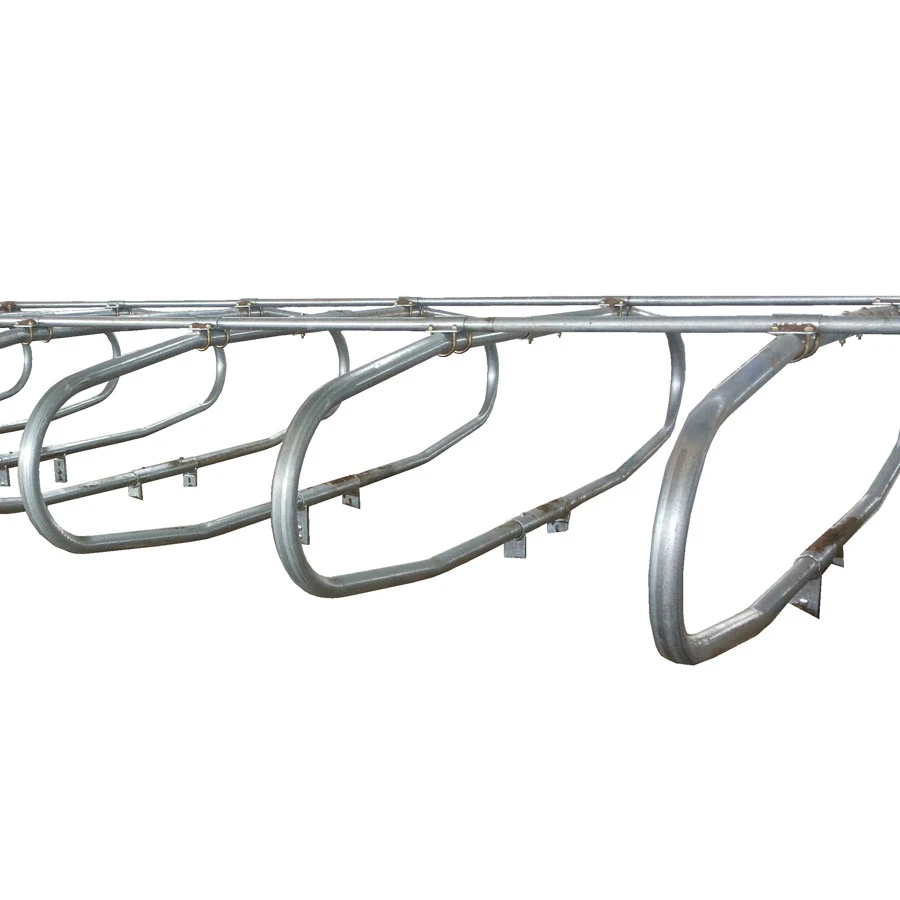
At their simplest, cattle hurdles are portable panels or gates used to create temporary enclosures or pathways for livestock management. Usually made of steel tubing or other durable materials, these barriers help farmers or handlers guide cattle during sorting, vaccination, loading onto trucks, or while waiting for veterinary attention. They are modular and easy to assemble, designed to be both sturdy and lightweight.
In modern industry and humanitarian contexts—think large-scale ranching or disaster relief feeding initiatives—these hurdles enable quick setup of animal pens, helping improve both operational efficiency and animal welfare dramatically.
Key Components to Look for in Quality Cattle Hurdles
Durability
Cattle hurdles endure rough handling, weather extremes, and pressure from large animals. Steel is the go-to material, often galvanized or powder-coated to resist rust. This longevity means less frequent replacements and lower total costs.
Portability & Weight
Many farmers emphasize lightweight designs that make quick assembly and rearranging possible without heavy machinery. Some modern hurdles weigh less than 20kg per panel but never compromise strength.
Modularity & Scalability
Because each farm or operation’s needs vary, modular systems allow users to add or remove panels to create different shaped enclosures—maybe a confinement pen today, a chute setup tomorrow.
Safety Features
Rounded edges, smooth welding, and secure locking pins reduce animal injury risks as well as protect workers. Ergonomic designs with proper height and spacing stop animals from getting trapped or hurt.
Cost Efficiency
Balancing upfront costs with long-term durability and ease of use matters. Many producers find investing in quality hurdles pays back quickly via lower maintenance and enhanced operational speed.
Mini Takeaway: Reliable cattle hurdles combine strength, portability, and safety — essentials for any efficient livestock setup.
How Cattle Hurdles Are Used Around the World
From the wide-open ranges of Australia to smallholder farms in Kenya, cattle hurdles adapt to many environments. In large-scale cattle ranches in Texas and Brazil, they segment herds efficiently during branding or medical treatment. Meanwhile, NGOs working in post-disaster zones where rebuilding rural livelihoods is essential rely on portable hurdles to establish safe animal pens quickly.
For example, after Cyclone Idai hit Mozambique, humanitarian groups supplied local farmers with cattle hurdles to secure livestock while rebuilding grazing areas. These hurdles helped reduce animal stress and loss, preserving a vital food source.
Examples of Sectors Benefiting from Cattle Hurdles Include:
- Commercial livestock farming and feedlots
- Veterinary clinics offering mobile or rural services
- Emergency agricultural relief in disaster-affected areas
- Animal research facilities requiring secure but temporary containment
Mini Takeaway: Cattle hurdles prove their worth wherever agility, safety, and efficiency in cattle handling are necessary—whether on a giant ranch or a disaster field camp.
Advantages and Long-Term Value of Using Cattle Hurdles
One of the undeniable wins with these portable panels is enhanced animal welfare. Reducing stress during movement or medical checks means healthier, less agitated cattle — which directly impacts meat and dairy quality downstream. But this isn’t just about the animals.
The handlers and farmers gain peace of mind from safer work conditions, fewer injuries, and time saved on repetitive tasks. Plus, smart design choices, like recyclable materials and modular formats, contribute to more sustainable operations, aligning with emerging environmental standards.
Finally, cattle hurdles, by their very flexibility, can be reused across seasons and locations, spreading out costs and supporting evolving farming practices — whether you need a temporary pen for a few hours or a holding facility that lasts weeks.
The Future of Cattle Hurdles: Technology and Sustainability
Slowly but surely, agriculture is adopting tech innovations that haven't traditionally been part of the beef business. Think sensor-enabled hurdles that monitor cattle pressure or movement to spot distress early. Some manufacturers experiment with lighter composite materials that maintain toughness but dramatically cut weight—good for transport and setup.
Moreover, sustainable production is a buzzword for good reason; many new cattle hurdles lines focus on eco-friendly coatings or recycled metals. This matches well with global livestock sustainability pushes documented by organizations like the Global Roundtable for Sustainable Beef (GRSB).
Common Challenges and How to Overcome Them
Admittedly, not everything about hurdles is perfect. Issues include rusting in humid climates, panels bending after heavy impacts, or lock mechanisms failing. Some also find the initial investment steep, especially for smallholders.
But many manufacturers address these by offering warranty programs, customizable features, or even rental models. Plus, regular maintenance training and proper storage guidance often stretch product lifespans drastically.
Frequently Asked Questions About Cattle Hurdles
- How do cattle hurdles improve animal welfare compared to permanent fencing?
- Portable hurdles reduce stress by allowing handlers to create tailored spaces that ease cattle movement during procedures. As temporary setups, they minimize prolonged confinement, improving overall health outcomes.
- What materials are best for long-lasting cattle hurdles?
- Steel, often galvanized or powder-coated, remains the standard for robust, weather-resistant panels. Newer composites are emerging but generally serve niche purposes.
- Can cattle hurdles be customized for different livestock sizes?
- Absolutely. Many suppliers offer panels with varied heights, widths, and gate styles to accommodate cattle breeds or even other livestock like sheep or goats.
- Are there standards regulating cattle hurdles?
- Yes, international standards like ISO 13790 provide guidelines on design and safety to minimize injuries during use—important especially for commercial operations.
Product Specification Table: Typical Cattle Hurdle Panel
| Feature | Specification |
|---|---|
| Material | Galvanized Steel Tubing |
| Dimensions | 2 meters (length) x 1.2 meters (height) |
| Weight | 18 kg per panel |
| Finish | Powder Coated (Optional Colors) |
| Locking Mechanism | Spring-loaded latch pins |
| Max Load Resistance | 500 kg per panel |
Comparison of Leading Cattle Hurdle Vendors
| Vendor | Material | Weight per Panel | Customization | Warranty |
|---|---|---|---|---|
| RanchPro | Galvanized Steel | 20 kg | Custom heights & colors | 5 years |
| AgriSafe | Powder-coated Steel | 17 kg | Modular kits & accessories | 3 years |
| EcoHurdles | Recycled Aluminum Composite | 12 kg | Lightweight designs, eco finishes | 2 years |
Wrapping Up: Why the Right Cattle Hurdles Matter
When it comes down to it, cattle hurdles are more than just fencing panels. They are a linchpin for modern livestock management—improving safety, enhancing operational speed, and contributing to animal welfare worldwide. As technology and sustainability trends march forward, these tools will only get smarter, lighter, and more user-friendly. Whether you're a seasoned rancher or involved with disaster relief livestock care, investing in high quality cattle hurdles pays dividends.
If you're ready to explore top-tier cattle hurdles tailored for your operation's needs, visit our website to browse a curated selection that blends tradition with innovation.
References:
Post time: Dec . 01, 2025