Cattle Troughs for Sale: Why They Matter Worldwide
When you stop to think about it, the humble cattle trough is more than just a water or feed container—it’s arguably a cornerstone of sustainable livestock management around the globe. With millions of farmers and ranchers depending on secure, reliable watering and feeding solutions, understanding cattle troughs for sale and what sets the best apart can have a big impact on animal welfare, agricultural productivity, and even food security.
From arid zones in Africa where water is scarce to industrial farms in the Americas, selecting the right trough can solve serious challenges, saving resources, minimizing waste, and improving herd health. It might not make headlines, but trust me, the ripple effect is huge when animals have access to clean, consistent hydration and feed.
Global Context: The Growing Need for Smart Livestock Solutions
According to the Food and Agriculture Organization (FAO), livestock contributes about 40% of the global value of agricultural output, providing livelihoods for nearly 1.3 billion people worldwide. But here’s the kicker—many regions still rely on improvised or poorly designed troughs that waste water or feed, often jeopardizing animal health.
Globally, climate change and water scarcity are pushing for more efficient use of resources in agriculture. In 2022, the UN reported that at least 2 billion people live in water-stressed areas—a problem doubling down on farming communities. A well-designed cattle trough isn’t just about convenience; it’s part of a bigger solution for sustainability and rural resilience.
Still, many farmers wrestle with balancing cost, durability, and ease of installation. Here’s where the search for quality cattle troughs for sale kicks in, aiming to provide robust products fitting vastly different environments.
Mini takeaway: Water and feed access isn’t a trivial matter—globally, it’s a key piece in the agricultural puzzle, especially with mounting environmental pressures.
What Exactly Are Cattle Troughs for Sale?
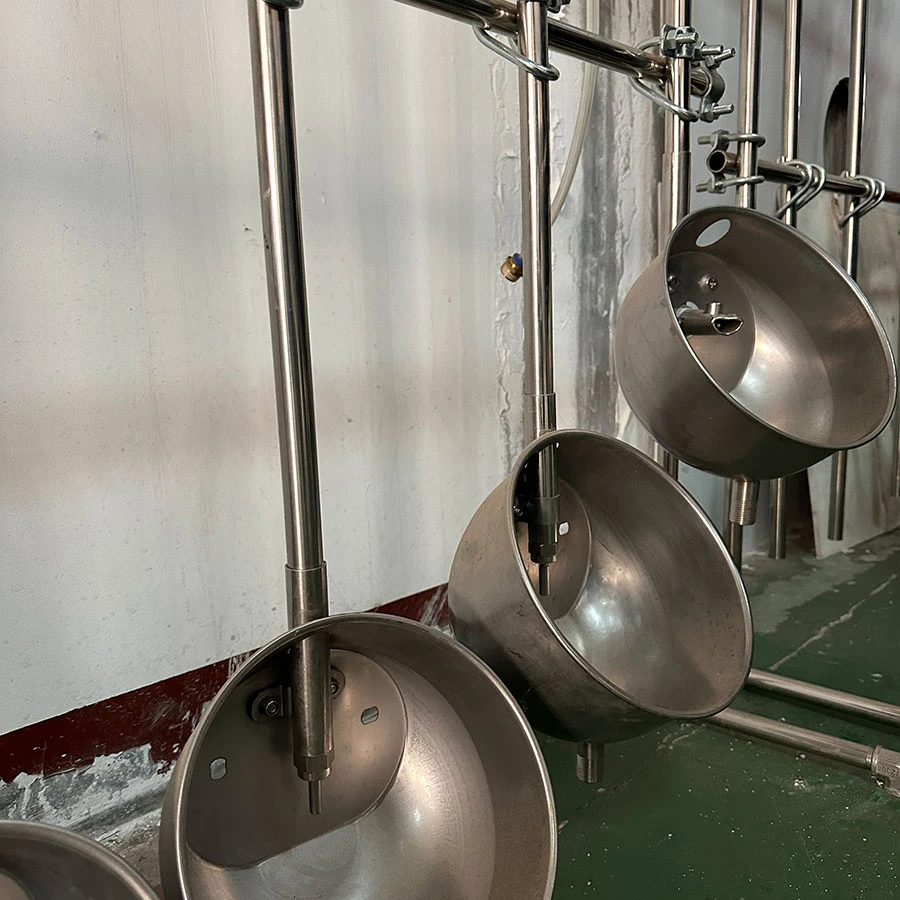
Simply put, cattle troughs for sale are commercial or retail options of containers specifically engineered for holding water or feed to support the nutritional needs of cattle and other livestock. They're available in many forms, sizes, and materials, ranging from basic plastic containers to heavy-duty galvanized steel models.
They serve an essential role in modern livestock operations, whether small farms, large commercial ranches, or temporary setups during disaster relief or seasonal transhumance. The connection to humanitarian efforts becomes clear too — ensuring animals have dependable hydration and sustenance reduces mortality and supports food chains in vulnerable regions.
So next time you visit a farm or pasture, peek at the troughs—there’s more engineering and thought behind them than meets the eye.
Mini takeaway: Cattle troughs for sale means ready-made, practical solutions offering livestock essential water and feed, designed for efficiency and field conditions.
Key Factors to Consider When Choosing Cattle Troughs
Durability and Material Quality
One of the first things engineers and farmers look at is the construction material—steel, plastic, concrete, or sometimes wood (less common these days). The trough has to withstand harsh outdoor conditions, chewing, and sometimes rough weather. Steel is strong but rust can be an enemy unless treated appropriately. Plastic models are lightweight and rust-proof, but may degrade under intense UV exposure after years.
Capacity and Size
A trough has to match the herd size and water/feed demand. Too small, and cattle crowd or scramble, risking injury or contamination. Too large, and it becomes inefficient or expensive. Sizes range widely—some hold just tens of liters for smallholders, others thousands for massive feedlots.
Ease of Installation and Maintenance
Farmers appreciate troughs they can set up with minimal fuss. Modular designs, lightweight units, or those compatible with automatic water supply systems tend to top the list. Cleaning is just as critical; troughs must be easy to drain and sanitize to prevent algae or bacterial growth.
Cost Efficiency
Price always matters. While you might find barebones plastic options cheap, investing moderately in high-quality troughs often pays back in reduced waste, less frequent replacement, and healthier animals. Total cost of ownership, if you will.
Adaptability & Scalability
Some troughs are designed to fit specific terrains, climates, or even mobile operations. If you’re working in areas prone to flooding or snow, certain designs hold up better. Likewise, designs that scale or connect multiple troughs can better suit evolving farm sizes.
| Model | Material | Capacity (Liters) | Weight (kg) | Dimensions (cm) | Approx. Price (USD) |
|---|---|---|---|---|---|
| HydraSteel 350 | Galvanized Steel | 350 | 45 | 120 x 60 x 50 | $275 |
| AquaFeed Pro | UV-resistant Plastic | 220 | 10 | 95 x 50 x 40 | $120 |
| RanchMaster Classic | Concrete | 500 | 250 | 150 x 75 x 60 | $350 |
Where These Troughs Really Shine: Global Use Cases
In practice, cattle troughs for sale find their way into wildly different settings. North American ranches often prioritize high-capacity, rust-proof steel models linked to automated water supplies. Across East Africa, NGOs focus on affordable, durable plastic troughs for remote pastoral communities, adapting sizes for smaller, mobile herds.
During post-disaster relief operations in places like Australia or Southeast Asia, temporary cattle troughs allow displaced farmers to continue livestock rearing until permanent infrastructure recovers. Oddly enough, even urban farms or commercial feedlots in Europe rely heavily on modular trough solutions to manage strict hygiene and compliance standards.
Mini takeaway: The right trough meets very different priorities depending on geography and user, yet all converge on the essential goal—optimal livestock care.
Long-Term Benefits of Investing in Quality Troughs
The practical advantages are fairly straightforward but profound: cutting down water wastage, preventing cross-contamination, reducing feed spillage, and improving animal health consistency. That leads to better milk yields, weight gain, or reproductive rates—stuff farmers want.
But it’s also an emotional win. Knowing your animals aren't struggling for clean water creates a sense of responsibility and trust. It’s one less stressor on rural livelihoods and food production chains.
Cost-wise, durable troughs reduce replacement frequency, saving money over time. Sustainable materials also help farmers as sustainability becomes a market demand, fuelling new sales channels and subsidies.
Looking Ahead: Innovations in Cattle Trough Design and Tech
The future is interesting. Many manufacturers are experimenting with solar-powered automatic water refill systems, IoT-enabled troughs for monitoring livestock hydration, and eco-friendly bioplastics that resist UV and weather but break down safely later.
Given global concerns on climate and resource scarcity, increasingly, designs focus on minimizing spillage and evaporation and even incorporating water purification. Industry insiders mention that “smart troughs” with remote sensors will be the next frontier, helping farmers optimize herd health through data.
Common Challenges and How They’re Tackled
Of course, no product is perfect. Issues like cracking in plastic models, corrosion in metals, or algae buildup remain challenges. Some farmers report high upfront costs for premium troughs, which can be a barrier in low-income regions.
Solutions include improved UV-resistant formulations, powder coating for metals, and user-friendly cleaning features. NGOs often bundle trough purchases with training on maintenance and watering best practices. I noticed how community feedback loops have helped manufacturers adjust designs better suited for specific environments.
| Vendor | Material Focus | Price Range | Special Features | Global Reach |
|---|---|---|---|---|
| FarmEquip Solutions | Galvanized Steel | $$$ | Custom sizes, Powder coating | North America, Europe |
| AgriTrough Co. | Plastic (UV-resistant) | $ | Lightweight, mobile | Africa, Asia |
| GreenFarm Innovations | Bioplastics | $$ | Eco-friendly, sensor-enabled | Global |
FAQ: Practical Questions About Cattle Troughs for Sale
Q1: How do I choose the right size trough for my cattle herd?
A: Generally, you want a trough that provides about 10-20 liters of water per animal per day. Multiply that by your herd size and aim for a bit extra to avoid overcrowding. Also consider feed troughs separately, matching volume to feeding schedules. Consulting product specifications (like those in our table) helps guide sizing.
Q2: Are plastic cattle troughs durable enough for outdoor use?
A: Modern UV-resistant plastics can last several years outdoors without cracking or brittleness. However, quality varies significantly; look for brands with proven durability and customer reviews. Regular maintenance and avoiding direct sharp impacts will also prolong life.
Q3: Can cattle troughs be connected to automated water systems?
A: Yes, many steel and plastic troughs have fittings compatible with automatic float valves or irrigation systems, ensuring constant water supply. This reduces manual refilling and helps maintain animal hydration efficiently.
Q4: How often should cattle troughs be cleaned?
A: Cleaning frequency depends on use, but ideally once a week or more in hot climates to prevent algae, bacterial buildup, and contamination. Some troughs have easy drain plugs or removable parts to simplify this task.
Q5: Is it worth investing in sensor-enabled ‘smart troughs’ now?
A: If your operation is medium to large scale and you’re comfortable with technology, sensor-enabled troughs offer real-time monitoring of water levels and animal behavior—potentially improving herd health and water use efficiency. For small or budget farms, traditional troughs remain reliable.
Wrapping Up: The Long-Term Value of Quality Cattle Troughs
Picking the right cattle troughs for sale isn’t just a purchase—it’s an investment in animal welfare, farm efficiency, and environmental stewardship. Whether you’re a smallholder in a drought-prone region or managing a commercial feedlot, the product choices you make echo through herd health and economic returns.
So, if you’re looking to upgrade, explore trending designs, or even switch materials, know this: there’s a lot riding on that trough. For a great selection and expert advice, I recommend visiting cattle troughs for sale. Because sometimes, the smallest details sustain the biggest lives.
References & Further Reading
Post time: Nov . 30, 2025