Understanding Cattle Water Troughs: Why They Matter Globally
If you’ve ever wandered past a farm or livestock operation, you’ve probably seen cattle water troughs—those robust containers that quench the thirst of cattle. But here’s the thing: these simple-sounding devices hold more importance than you might guess. Globally, water access for livestock isn't just about convenience, it’s about sustainability and animal welfare, impacting everything from local economies to food security.
As the global cattle population climbs—estimated by the UN FAO to be over 1.5 billion—the demand for efficient, durable cattle water troughs has intensified. Proper hydration means healthier animals, better meat and dairy yields, and reduced water waste. Learning about these troughs isn't just for farmers; it’s about understanding a small but critical piece of the global agricultural puzzle.
Mini takeaway: Cattle water troughs may seem humble, but they support billions of livestock worldwide, affecting food supply and water management on a massive scale.
The Cattle Water Trough: A Simple Concept with Complex Impact
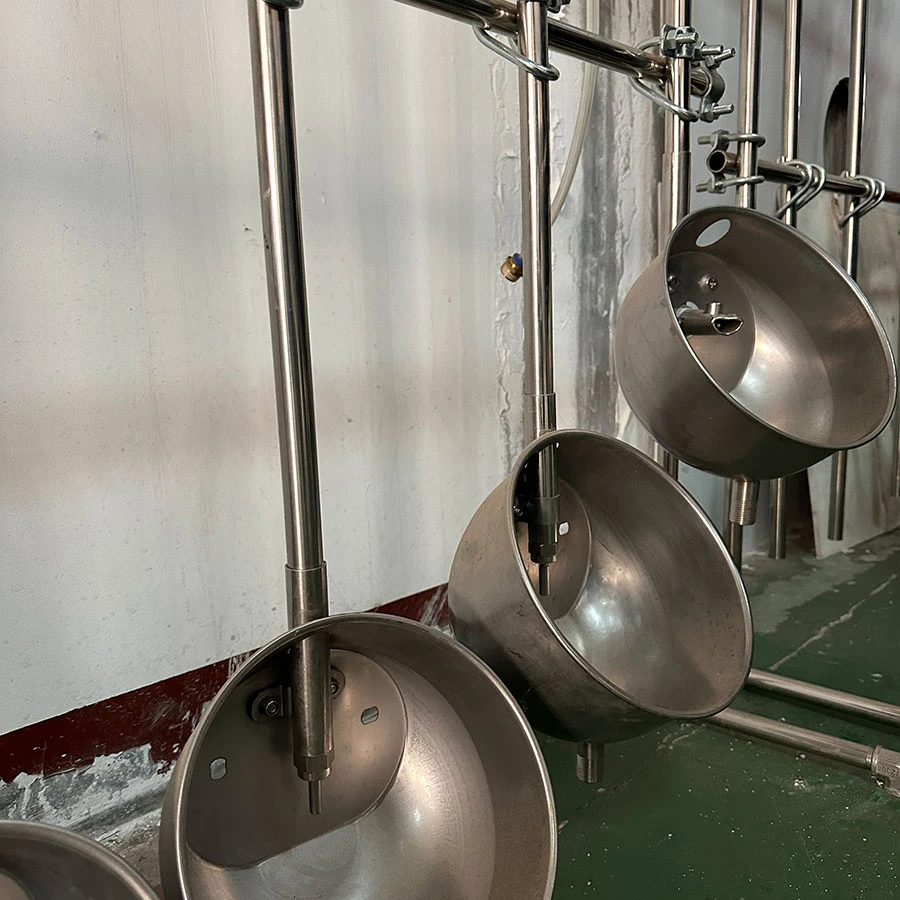
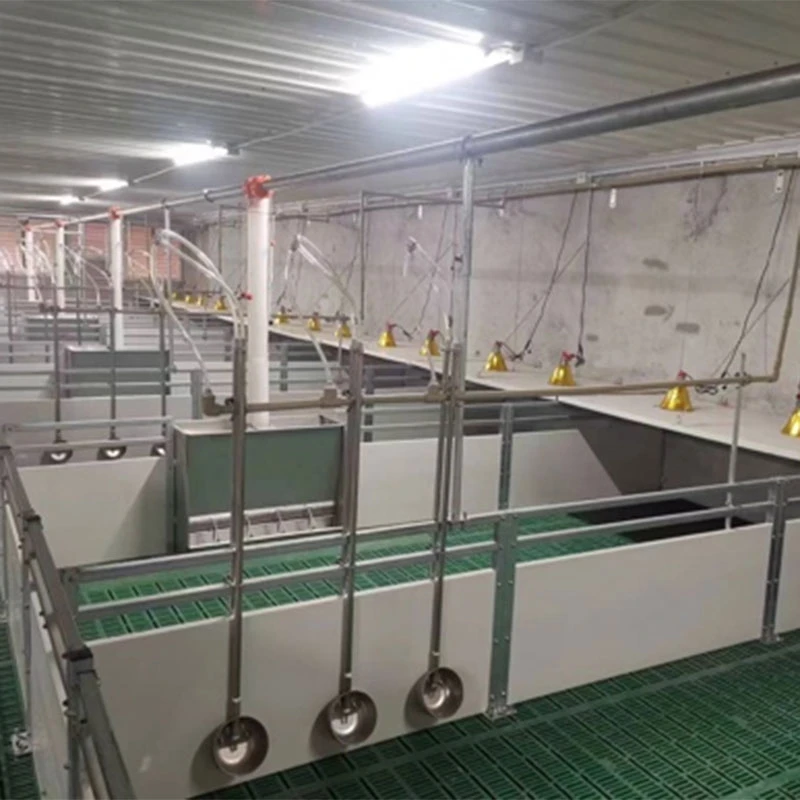
Simply put, a cattle water trough is a container designed specifically to hold water for livestock consumption. These troughs come in all shapes and sizes, from heavy-duty galvanized steel basins to sleek plastic models with built-in float valves to maintain water levels automatically.
But beyond just “holding water,” these troughs serve a critical function in modern farming, humanitarian relief efforts, and sustainable agriculture. Access to clean water is not only a matter of hydration but a cornerstone of animal health, welfare, and efficiency.
Interestingly, in zones where water scarcity looms—as highlighted by World Bank reports on drought risk—well-engineered water troughs can help optimize water use by reducing spillage, evaporation, and contamination.
Mini takeaway: A cattle water trough is more than a bucket; it’s an engineered solution to water delivery challenges in livestock management worldwide.
Core Components of Effective Cattle Water Troughs
1. Durable Construction
Whether stainless steel, polyethylene, or concrete, durability is non-negotiable. Rough handling, weather extremes, and cattle behavior demand materials that resist corrosion, cracking, and denting. Oddly enough, many farms still rely on older designs that don’t meet these needs, affecting longevity and costs.
2. Water Capacity & Scalability
The ideal trough size depends on herd size, regional climate, and watering frequency. Too small, and frequent refills waste time and effort; too large, and standing water risks contamination or temperature issues. Scalable designs let farmers expand or customize troughs as livestock numbers change—very handy in fluctuating market conditions.
3. Cost Efficiency
From initial purchase to maintenance, cost remains a crucial factor. Lightweight plastic troughs often win for upfront affordability, but steel ones might deliver savings in longevity and repair costs. Often it’s a trade-off, but many producers find investing in quality pays off in the long run.
4. Hygiene & Water Quality Control
Clean water means healthy cattle. Features like rounded edges, smooth surfaces, and float valves prevent stagnation and contamination. Some modern designs even incorporate UV-resistant materials or automatic cleaning mechanisms—small upgrades that make a big difference.
5. Ease of Installation & Maintenance
Time is money, and farmers appreciate troughs that set up quickly and require minimal upkeep. Modular units, plug-and-play plumbing, and corrosion-resistant fittings all come into play here. Oddly enough, ease of cleaning is often overlooked, but it greatly influences water quality.
Mini takeaway: Effective cattle water troughs balance durability, capacity, hygiene, and cost to meet real-world farm demands—no compromises necessary.
Global Applications of Cattle Water Troughs
Cattle water troughs have found wide application across the globe, adapting to different climates and agricultural models.
- Australia & USA: Large-scale ranching favors automated steel troughs with float valves to minimize labor.
- Sub-Saharan Africa: NGOs supply durable, easy-to-install polyethylene troughs to support pastoralists amid drought conditions.
- South America: Mixed grassland farms prefer concrete troughs that withstand harsh weather and heavy use.
- Post-disaster Relief: Humanitarian organizations deploy portable cattle water troughs to quickly restore livestock hydration in crisis zones.
These use cases show how the simple concept of a water trough adapts to vastly different physical and economic environments. Technology and material choices often reflect local priorities.
Mini takeaway: Across continents, cattle water troughs help sustain livelihoods by adapting to diverse agricultural and humanitarian needs.
Advantages & Long-Term Value of Well-Chosen Troughs
A good cattle water trough offers a mix of tangible benefits:
- Cost Savings: Reduced water wastage and veterinary bills.
- Sustainability: Materials that last reduce landfill impact.
- Animal Welfare: Continuous access to clean water improves health and productivity.
- Safety & Trust: A sturdy trough reassures farmers about their animals' care—a small peace of mind that goes a long way.
- Innovation: Integration with automated watering and monitoring systems enhances farm efficiency.
These combine logical economic sense with emotional reassurance—farmers feel they're doing right by their animals while managing finances.
Product Specification Table
| Specification | Polyethylene Trough | Galvanized Steel Trough | Concrete Trough |
|---|---|---|---|
| Durability | High impact resistant | Rust-resistant with coating | Very high, weatherproof |
| Weight | Light (~15-30kg) | Medium (~40-60kg) | Very heavy (~100kg+) |
| Ease of Installation | Easy, portable | Moderate, requires tools | Difficult, permanent |
| Cost | Low to mid | Mid to high | High upfront |
| Water Capacity Range | 100-500 L | 150-600 L | 500-1000 L |
Comparing Leading Cattle Water Trough Vendors
| Vendor | Material Options | Customization | Price Range | Special Features |
|---|---|---|---|---|
| AquaFarm Solutions | Polyethylene, Steel | Custom sizes, color options | $$ | Built-in float valves |
| GreenLivestock Tech | Concrete, Steel | Modular, multiple sizes | $$$ | Eco-friendly coatings |
| PasturePro Equip. | Polyethylene only | Standard sizes | $ | Lightweight, portable |
Emerging Trends & Innovations in Cattle Water Troughs
The trough might be old-school, but innovation keeps its beat steady:
- Solar-Powered Automated Fill Systems: Bringing renewable energy to remote pastures, these systems reduce manual refilling.
- Smart Sensors: IoT devices now monitor water quality and consumption patterns, transmitting data directly to farm managers.
- Eco-Friendly Materials: Recycled plastics, bioplastics, and coated concrete models reduce environmental footprints.
- Modularity & Customization: Systems designed for quick repairs or expansion save time and money.
These upgrades don’t just improve functionality; they enrich overall farm sustainability and animal welfare initiatives.
Common Challenges & How Professionals Tackle Them
Not every cattle water trough lives happily ever after. Common challenges include:
- Contamination Risks: Dirt, algae, and pathogens accumulating in troughs.
- Water Waste: Spillage during animal drinking or faulty valves.
- Harsh Weather Damage: Freezing winters and scorching heat stress trough materials.
Experts recommend:
- Regular maintenance schedules and cleaning.
- Using troughs with built-in float valves or anti-spill designs.
- Choosing weather-resistant materials or adding protective covers.
Frankly, sometimes the best fixes come from mixing old wisdom with new tech—like pairing traditional materials with IoT sensors for condition monitoring.
FAQ: Your Cattle Water Trough Questions Answered
- What size cattle water trough is best for a small herd?
- For a small herd of 10-20 cattle, troughs with 200 to 300 liters capacity work well, providing enough water with minimal refills. It's important to match capacity to herd size and climate to maintain freshness.
- How often should water troughs be cleaned?
- Ideally, water troughs should be cleaned at least once a week to prevent algae buildup and bacterial growth. In hot climates, more frequent cleaning might be necessary.
- Can plastic cattle water troughs withstand extreme temperatures?
- High-density polyethylene troughs are generally UV-resistant and tolerate varied temperatures, but extreme freezing can cause cracking. Adding insulation or heated bases helps in colder regions.
- Are automated refill systems worth the investment?
- Automated systems reduce labor and water waste by maintaining consistent water levels, especially beneficial for large operations or remote locations. The upfront cost pays off with time saved and healthier animals.
- Where can I buy durable cattle water troughs online?
- You can explore options and trusted vendors on specialized agricultural supply platforms like cattle water trough marketplaces for variety and competitive pricing.
In Conclusion
Cattle water troughs might not grab headlines, but they quietly support the health and productivity of the global livestock industry. From durable materials and smart designs to emerging tech and sustainable practices, these troughs embody the intersection of tradition and innovation.
If you’re managing livestock or involved in agricultural planning, considering the right cattle water trough can unlock savings, animal wellbeing, and environmental benefits.
Ready to explore some top-quality, tested solutions? Visit our website: https://www.cxlivestock.com for your next cattle water trough purchase.
References:
Post time: Dec . 01, 2025