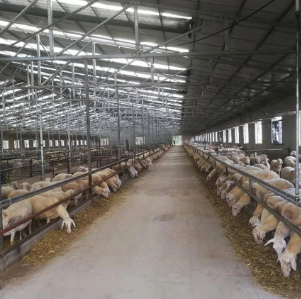
Galvanized Cow Water Troughs: Why They Matter in Agriculture Worldwide
At first glance, a galvanized cow water trough might seem like just a humble piece of farm equipment. But behind that shiny, rugged exterior lies a key player in livestock welfare and global agricultural efficiency. Understanding this simple yet essential tool is crucial, especially as global demands for food security and sustainable farming intensify. These troughs ensure cows stay hydrated safely, improving health, productivity, and ultimately, farmers’ livelihoods.
The Global Context of Galvanized Cow Water Troughs
Worldwide, livestock farming accounts for a significant portion of agricultural output—about 40% according to the Food and Agriculture Organization of the UN (FAO). Ensuring reliable access to clean water for cattle is a fundamental challenge, especially in drought-prone or remote regions. Enter the galvanized cow water trough—a durable, corrosion-resistant solution that can withstand harsh environmental conditions. With rising global temperatures and erratic weather patterns, traditional wooden or plastic troughs often fail, leading to costly replacements or water contamination risks.
According to ISO standards on agricultural equipment, galvanized metal solutions offer longevity and sanitation advantages, critical for preventing disease transmission in herds. In fact, many NGOs and rural development programs emphasize galvanized troughs in their livestock support initiatives.
Mini takeaway: Galvanized troughs are not just about holding water—they act as frontline tools in the sustainability and scalability of global cattle farming.
What Is a Galvanized Cow Water Trough?
Simply put, a galvanized cow water trough is a container designed to hold drinking water for cattle, made from galvanized steel. "Galvanized" means the steel is coated with a protective zinc layer to prevent rust and corrosion. This makes the trough ideal for outdoor use, exposed to the elements and rough animal contact.
While the design is straightforward, these troughs serve a vital role in modern livestock management and humanitarian relief alike. Clean, accessible water maintains herd health and productivity, reducing veterinary costs and mortality. For communities where cattle serve as both food and economic security, the right water trough can mean the difference between surplus and scarcity.
Core Components of a Quality Galvanized Cow Water Trough
1. Durability
Galvanized steel resists rust and impact, providing years of dependable service—even in extreme climates. Farmers often report troughs lasting over a decade, something plastic or wooden versions rarely achieve.
2. Cost Efficiency
While the initial investment can be higher than alternatives, the reduced replacement rate and maintenance costs save money long-term.
3. Size and Capacity
Troughs come in various sizes—some holding 100 gallons or more—allowing customization based on herd size and needs. Proper sizing ensures water availability without constant refilling.
4. Hygiene & Ease of Cleaning
The smooth galvanized surface inhibits algae buildup and is easier to disinfect, promoting better animal health.
5. Portability & Installation
Many troughs feature reinforced edges or brackets for easy mounting or relocation, which is particularly handy in rotational grazing systems.
6. Environmental Resistance
They withstand UV exposure, extreme temperatures, and animal wear-and-tear—attributes particularly critical for open-range farms.
Mini takeaway: Choosing the right galvanized trough depends on balancing longevity, size, hygiene, and cost—a package that benefits both animals and farmers.
Real-World Applications: Practical Uses of Galvanized Cow Water Troughs
From small family farms in the American Midwest to large ranches in Australia, galvanized cow water troughs are everywhere. Their usage spans various climates and farming traditions:
- Post-disaster relief: NGOs often send galvanized troughs to drought or flood-affected regions to quickly restore livestock hydration.
- Remote pastoral areas in Africa: Where logistical challenges prevent frequent replacement, these troughs offer a resilient watering solution.
- Industrial-scale dairying: Large herds require troughs with automated refill systems, and galvanized units can integrate well with such technology.
- Organic farms: Because they don’t leach chemicals and are easy to sanitize, galvanized troughs fit strict organic standards.
In fact, some farmers swear that their herd’s milk yield improved noticeably after switching to galvanized troughs, attributing this to better hydration and fewer pathogens.
Key Advantages and Why They Matter Long-Term
There’s more to galvanized cow water troughs than meets the eye. Apart from durability and clean water supply, they bring some less obvious benefits:
- Sustainability: Long-lasting materials reduce waste and resource consumption, aligning with global sustainability goals.
- Animal Welfare: Consistent, clean access to water supports cattle well-being, lowering disease incidence and stress.
- Economic Stability: Reliable watering infrastructure reduces veterinary bills and boosts overall productivity.
- Social impact: In many rural economies, healthy livestock underpin livelihoods — so improving water access has a ripple effect.
Oddly enough, something as basic as a trough can embody innovation and trust within entire agriculture systems.
Product Specification Table
| Specification | Standard Model | Large Capacity Model |
|---|---|---|
| Material | Galvanized Steel (Zinc-coated) | Galvanized Steel (Zinc-coated) |
| Water Capacity | 75 Gallons (approx. 285 liters) | 150 Gallons (approx. 570 liters) |
| Dimensions (L×W×H) | 48" × 24" × 20" | 72" × 30" × 25" |
| Weight | 35 lbs (15.9 kg) | 55 lbs (25 kg) |
| Warranty | 5 Years Corrosion Resistance | 5 Years Corrosion Resistance |
| Installation | Ground Mounted or Wall Bracket | Ground Mounted or Wall Bracket |
Comparing Top Vendors of Galvanized Cow Water Troughs
| Vendor | Material Quality | Price Range | Customization | Shipping Capabilities |
|---|---|---|---|---|
| FarmGear Inc. | High-grade galvanized steel | $$ - Mid | Standard sizes only | Domestic & international |
| RanchPro Solutions | Industrial galvanized steel with extra coating | $$$ - Premium | Custom sizes & mounting options | Global shipping partners |
| AgriSteel Corp. | Standard galvanized steel | $ - Budget | Limited customization | Domestic only |
Future Trends and Innovations in Galvanized Cow Water Troughs
The industry—although seemingly simple—is evolving in interesting ways. Engineers are exploring eco-friendly galvanizing processes that minimize chemical waste. There’s also a rise in smart water troughs equipped with sensors that monitor water levels and quality remotely. These innovations help reduce water wastage and prevent contamination. Automation is reaching even rural farms, where solar-powered refill systems coupled with galvanized troughs ensure sustainable hydration without heavy labour.
Oddly enough, even the design aesthetics are getting a makeover, with modular troughs that farmers can assemble themselves—helping shipment efficiency and reducing carbon footprint.
Common Challenges and How to Overcome Them
Despite the many benefits, galvanized cow water troughs face hurdles. Sometimes zinc coatings wear unevenly, especially in harsh alkaline soils, leading to premature corrosion. Cleaning can be arduous in cold regions where water freezes. And larger troughs require complicated refilling mechanisms that are not always economical.
Experts recommend regular inspection and maintenance, using compatible coatings or liners, and investing in insulated or heated troughs for colder climates. New materials like zinc-aluminum alloys show promise in extending lifespan further. Networking with suppliers that offer customization also helps tailor solutions better.
Frequently Asked Questions About Galvanized Cow Water Troughs
Q1: How long does a galvanized cow water trough typically last on a farm?
A galvanized trough can last anywhere from 8 to 15 years, depending on environmental conditions and maintenance. The zinc coating protects against rust, but factors like soil acidity and frequent scraping by animals affect longevity.
Q2: Can galvanized troughs be repaired if damaged, or should they be replaced?
Minor dents or surface rust can often be repaired with patch kits or touch-up paint. However, severe corrosion or structural damage usually means replacement is safer to ensure animal health and safety.
Q3: Are galvanized steel troughs safe for organic dairy farming?
Yes, galvanized troughs are generally considered safe because they don’t release harmful chemicals into water. Their ease of cleaning also supports organic standards by reducing bacterial contamination risks.
Q4: How do I manage water temperature in galvanized troughs during winter?
Using electric heating elements or insulated covers can prevent freezing. Some farmers also circulate water or install solar-powered heaters to maintain water availability in freezing temperatures.
Q5: Is there a significant cost difference between galvanized and plastic troughs?
Galvanized troughs typically cost more upfront but prove more economical long-term due to durability and lower maintenance. Plastic troughs might be cheaper initially but often require frequent replacement.
In Closing: Why a Galvanized Cow Water Trough Is a Farm’s Quiet Hero
To sum it up, a galvanized cow water trough is more than its steel frame. It’s a durable, cost-effective, and health-conscious solution that supports global livestock production, farmer livelihoods, and sustainable agriculture. Whether you’re running a small-scale farm or managing vast pastures, investing in quality galvanized troughs is a smart step towards resilient, efficient, and ethical animal husbandry.
For more detailed product options and expert guidance, be sure to visit https://www.cxlivestock.com and explore our range of galvanized livestock equipment.
References
Post time: Dec . 02, 2025