Understanding Galvanized Feed Bins: A Global Perspective
At first glance, a galvanized feed bin might sound like just another piece of agricultural hardware, but its global significance runs surprisingly deep. These sturdy storage units play a critical role in ensuring that livestock feed remains safe, dry, and accessible, especially in regions where farming forms the backbone of local economies. With livestock industries contributing billions annually worldwide and feeding an ever-growing population, having reliable, corrosion-resistant feed storage solutions isn’t just a convenience — it borders on necessity.
Like a silent workhorse, the galvanized feed bin delivers resilience and efficiency. And with climate change causing more extreme weather patterns, protecting feed against moisture and pests has become increasingly crucial. Globally, the ability to preserve feed quality directly impacts food security and livestock health — two issues the United Nations keeps close under its SDG umbrella.
The Global Importance of Galvanized Feed Bins
Let’s zoom out for a moment. According to the Food and Agriculture Organization (FAO), over 40% of agricultural output worldwide is accounted for by livestock products. That’s a staggering figure, considering the sheer diversity of farming environments—from the deserts of Australia to the lush highlands of Ethiopia. Across such varied climates, corrosion from rain, humidity, or even salty sea air can quickly degrade standard storage bins.
This is precisely where galvanized feed bins come in. By coating steel with a protective layer of zinc, these bins resist rust and extend product lifespan — a key economic advantage for farmers who can ill afford frequent replacements. This matters globally, given a report by the World Bank estimating that post-harvest losses in developing nations can top 30%. That’s partly because feed spoilage leads to wasted livestock potential and growth.
In short, galvanized feed bins address a core challenge: how to safeguard feed quality against environmental wear and tear while remaining cost-effective.
Defining a Galvanized Feed Bin
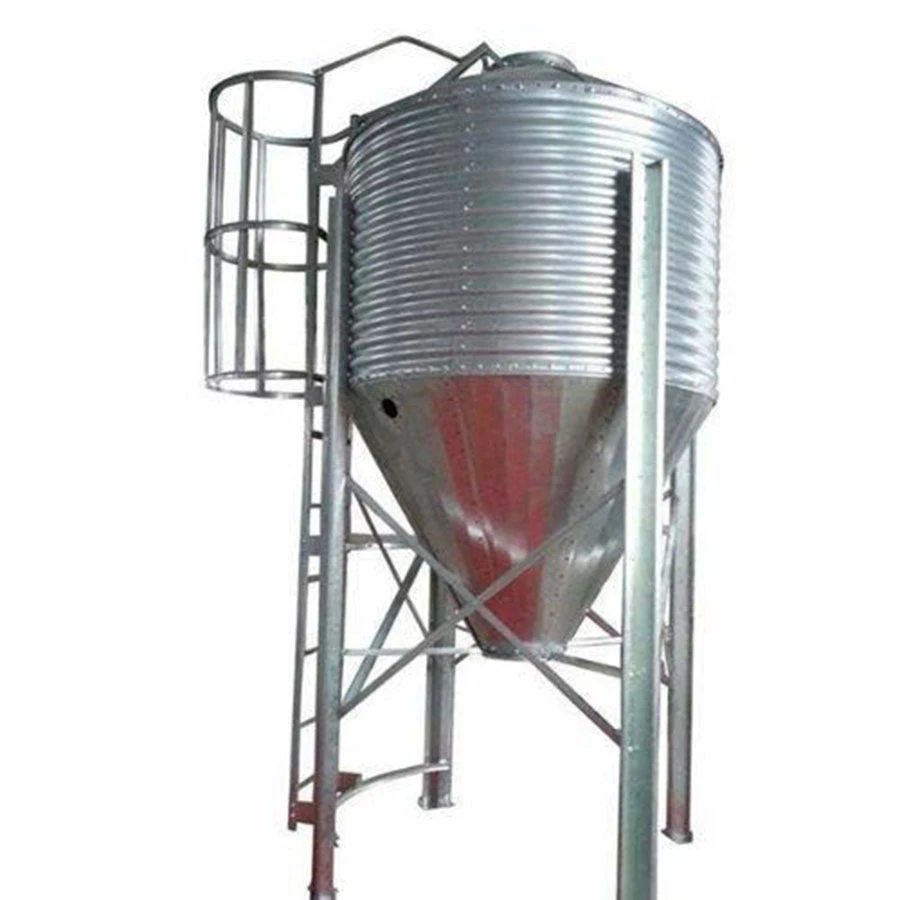
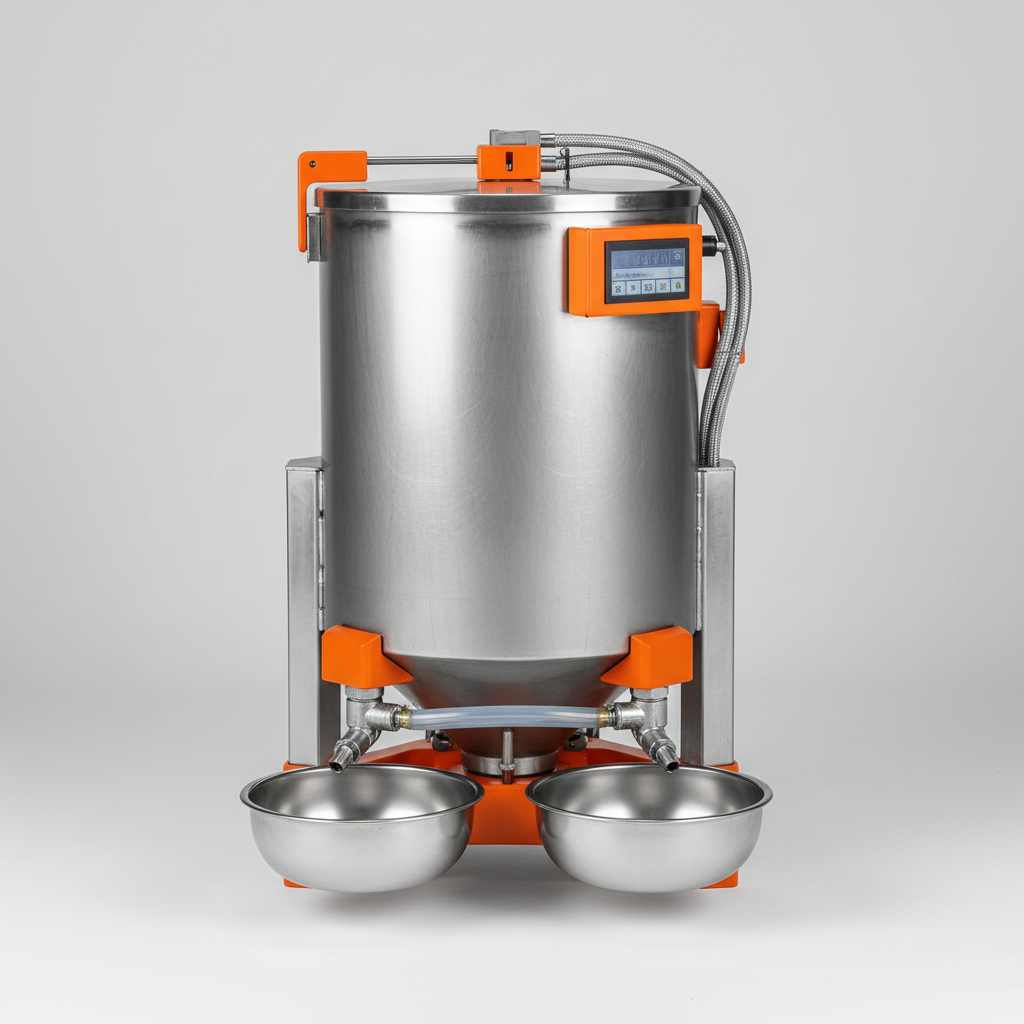
If you’re new to the topic, think of a galvanized feed bin as a heavy-duty container, typically made from galvanized steel, designed to store and dispense animal feed securely. The 'galvanized' part refers to a zinc coating process applied to the steel to prevent rust and corrosion — a simple but game-changing technique dating back to the 19th century.
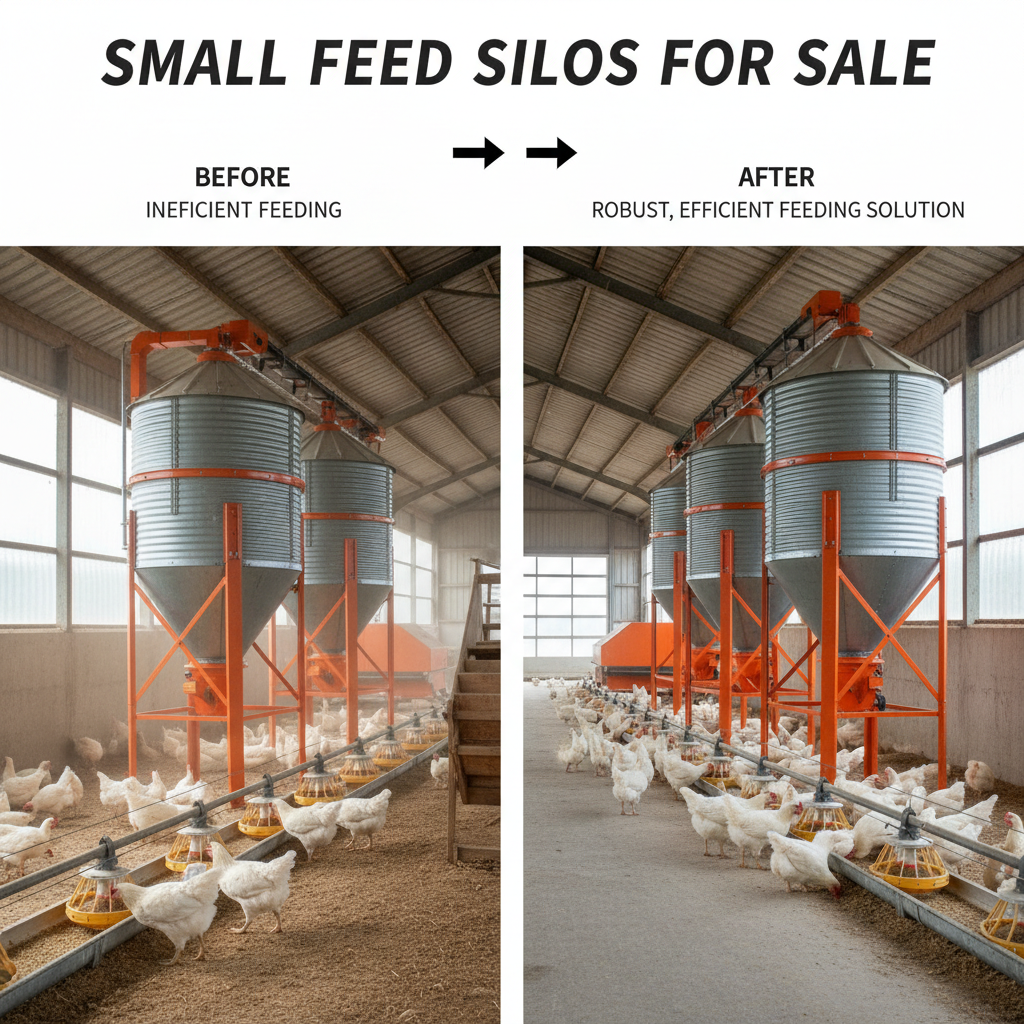
Modern galvanized feed bins range from small backyard models to massive commercial towers, often fitted with aeration and protection features. Their importance spans both industrial farming and humanitarian sectors, especially where reliable livestock feed storage enhances food security and rural livelihoods.
Core Components and Key Factors
1. Durability
Durability is king here. Thanks to zinc's corrosion-resistant properties, galvanized feed bins last years longer than untreated steel bins — even under harsh weather or aggressive chemical exposure. It’s why many farmers prefer them over plastic alternatives, which can crack or degrade in heat.
2. Moisture Control & Pest Resistance
Keeping feed dry and pest-free is paramount. Galvanized steel resists rust, which would otherwise weaken the structure and allow moisture penetration. Coupled with tight lids and sometimes mesh screens, these bins make a safe haven for grains.
3. Scalability & Capacity
From dozens to thousands of kilograms of capacity, galvanized feed bins scale depending on farm size and livestock needs. Some modular designs allow stacking or easy expansion — handy for growing operations.
4. Cost Efficiency
While initial costs might be higher than plastic bins, their longevity means fewer replacements over time. Also, reduced feed spoilage translates to less economic loss. Many farmers find the investment worthwhile after the first harvest season.
5. Ease of Maintenance
Unlike wood or untreated metal, galvanized bins resist warping and rot. Routine cleaning is simpler, and surface treatment doesn’t flake easily. This means operational downtime is minimal — always a plus on busy farms.
Summing Up the Core Factors:
- Galvanized steel offers unparalleled protection and longevity.
- Feed safety comes from moisture and pest resistance inherent in the design.
- Size and capacity adapt to practical needs — from smallholds to large-scale ranches.
- Initial investment pays off long-term via durability and feed preservation.
Galvanized Feed Bin Applications Around the World
It’s fascinating how these bins have found their way into diverse scenarios:
- India & China: Smallholder farmers rely heavily on galvanized feed bins to protect grains through monsoon seasons.
- Australia: Large-scale ranches use commercial-grade galvanized bins to store feed for cattle — a critical asset amid droughts.
- East Africa: NGOs distribute portable galvanized feed bins in post-disaster relief to help communities rebuild livestock stocks safely.
- Europe: Integrated farming complexes utilize automated systems paired with galvanized bins to maintain feed quality year-round.
Oddly enough, even in urban vertical farms, galvanized storage solutions help maintain predator- and moisture-free feed for poultry sections.
Product Specification Table
| Specification | Details |
|---|---|
| Material | Hot-dip galvanized steel (Zinc-coated) |
| Capacity | 100 kg to 5000+ kg (varies by model) |
| Dimensions | From 1m height x 0.5m diameter to 3m height x 1.5m diameter |
| Protection Features | Lid locks, base mesh for ventilation, pest seals |
| Typical Lifespan | 10–25 years with proper maintenance |
Comparing Leading Vendors of Galvanized Feed Bins
| Vendor | Product Range | Pricing | Lead Time | Global Shipping |
|---|---|---|---|---|
| LivestockSteel Co. | Small to Industrial sizes | $$$ (Premium) | 4–6 weeks | Yes |
| AgroBins Inc. | Medium to large bins | $$ (Mid-range) | 3–5 weeks | Mostly regional |
| FarmSteel Solutions | Small hobbyist models | $ (Budget) | 1–2 weeks | No |
Advantages & Long-Term Benefits of Galvanized Feed Bins
The real magic behind galvanized feed bins is in their longevity and reliability. By investing in these bins, livestock owners often see fewer feed losses, minimal downtime, and improved animal health, because access to quality feed remains uninterrupted. There's an emotional side here — a farmer can rest a bit easier knowing their livestock won't suffer due to spoiled feed during an unexpected rainy season.
Environmentally, galvanized steel is fully recyclable. Its long lifespan prevents frequent replacements, reducing waste. Studies show sustainability becomes a real factor for many large-scale producers increasingly conscious of their ecological footprints (ISO standards on sustainable manufacturing reaffirm this).
Innovations and Future Directions
Roughly speaking, the future of galvanized feed bins isn’t just in corrosion resistance but smart adaptability. Some farms are experimenting with integrated sensors that monitor feed levels and environmental conditions inside the bin. These IoT-enabled systems can alert farmers via smartphone apps when moisture levels rise or feed drops below a threshold.
Additionally, greener energy use in manufacturing galvanized steel and novel eco-friendly zinc coatings promise to reduce carbon footprints. Automation in dispense mechanisms is also a growing field — making bins part of fully mechanized feeding routines that both save labor and reduce waste.
Challenges & How Experts Suggest Overcoming Them
Sure, galvanized feed bins are sturdy, but challenges remain. Transporting large units to remote locations can be costly and complicated. Also, improperly maintained lids or seals can degrade effectiveness over time, inviting pests or moisture.
Experts recommend modular designs for easier shipping and assembly on site. Routine inspections and minor repairs (like resealing or repainting scratches) can extend lifespan dramatically. For developing countries, partnerships with NGOs improve access to these durable storage units combined with educational training on upkeep.
FAQ: What You Need to Know About Galvanized Feed Bins
- How long does a galvanized feed bin typically last?
- With proper maintenance, a well-made galvanized feed bin can last anywhere from 10 to 25 years, making it a solid long-term investment for any livestock operation.
- Are galvanized feed bins suitable for all climates?
- Yes. Their zinc coating protects against rust, making them ideal for humid, rainy, or coastal environments where metal corrosion is a common issue.
- What maintenance do galvanized feed bins need?
- Minimal maintenance is needed but includes regular cleaning, checking seals and lids, and treating minor surface damage to keep rust at bay.
- Can these bins be customized for different animal feeds?
- Absolutely. Many manufacturers tailor bin sizes, dispense mechanisms, and protective features to suit feeds ranging from pellets to loose grains or mixed rations.
- How easily can galvanized feed bins be shipped internationally?
- While shipping large bins can be cost-prohibitive for some, modular designs and partnerships with logistics providers have streamlined international delivery options.
In Closing: Why Galvanized Feed Bins Still Matter
In many ways, the galvanized feed bin is an unsung hero of sustainable livestock farming — an intersection of practicality, economic sense, and environmental stewardship. By safeguarding feed quality, it supports the health of animals, the livelihoods of farmers, and the global push towards food security. Whether you’re running a small rural farm or managing a larger operation, investing in quality galvanized bins is a step towards resilience.
If you’d like to explore products or learn more, do check out galvanized feed bin options available through our trusted suppliers. Because sometimes, it’s the simplest tools that make the biggest difference.
References
Post time: Dec . 02, 2025