Understanding Galvanized Hog Feeders: Why They Matter in Modern Agriculture
If you’ve ever wondered how farmers ensure hogs receive their meals reliably without wasting resources or struggling with rusting, you’re in for a treat. Galvanized hog feeders are a staple in livestock farming worldwide. Their significance stretches beyond simple feeding — they’re part of a larger story of increasing efficiency, sustainability, and animal welfare. That might sound a bit lofty for what’s essentially a trough, but there’s quite a bit beneath the surface. For farmers, agricultural tech developers, and even humanitarian groups involved in rural development, understanding galvanized hog feeders offers insights into cost-saving, durability, and animal health.
Introduction: Global Context and Industry Relevance
Livestock farming isn’t just a rural affair anymore — it’s a global industry feeding billions. According to the United Nations Food and Agriculture Organization (FAO), pigs are among the most widely farmed animals, with pork accounting for over 38% of global meat production. Naturally, ensuring good feeding infrastructure can’t be underestimated. That’s where galvanized hog feeders come in.
In many parts of the world — especially regions with heavy rainfall or high humidity — metal feeders are prone to rusting, contamination, and quick wear. Galvanizing the feeder is a cost-effective solution that extends the product’s lifespan, reducing farmers’ operating costs and improving feed efficiency. For large farms, this translates to less downtime, fewer replacements, and healthier hogs, which is no small thing when margins are tight.
Defining Galvanized Hog Feeders: What Are They Exactly?
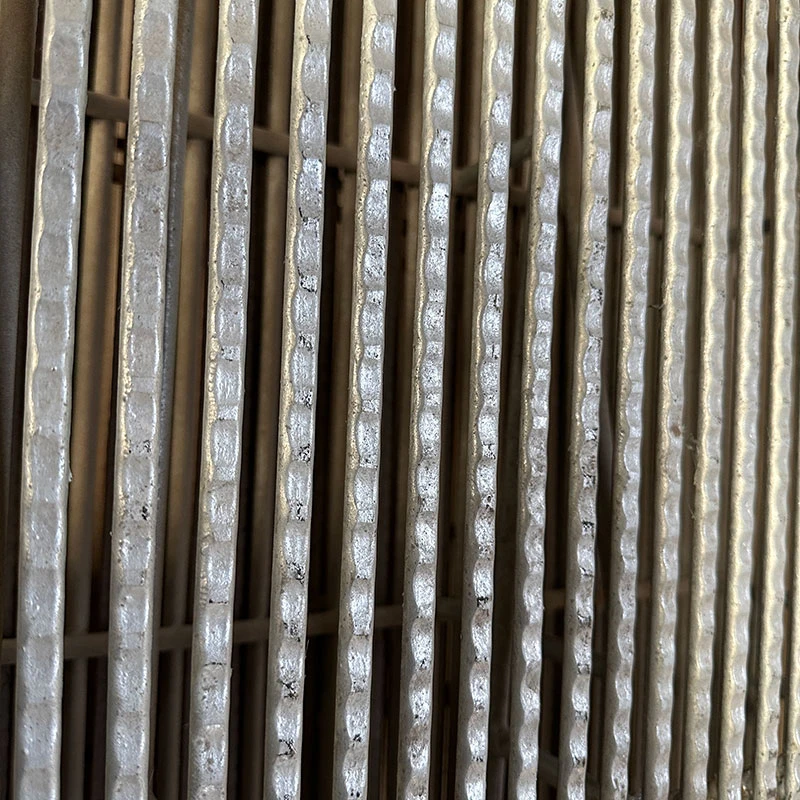
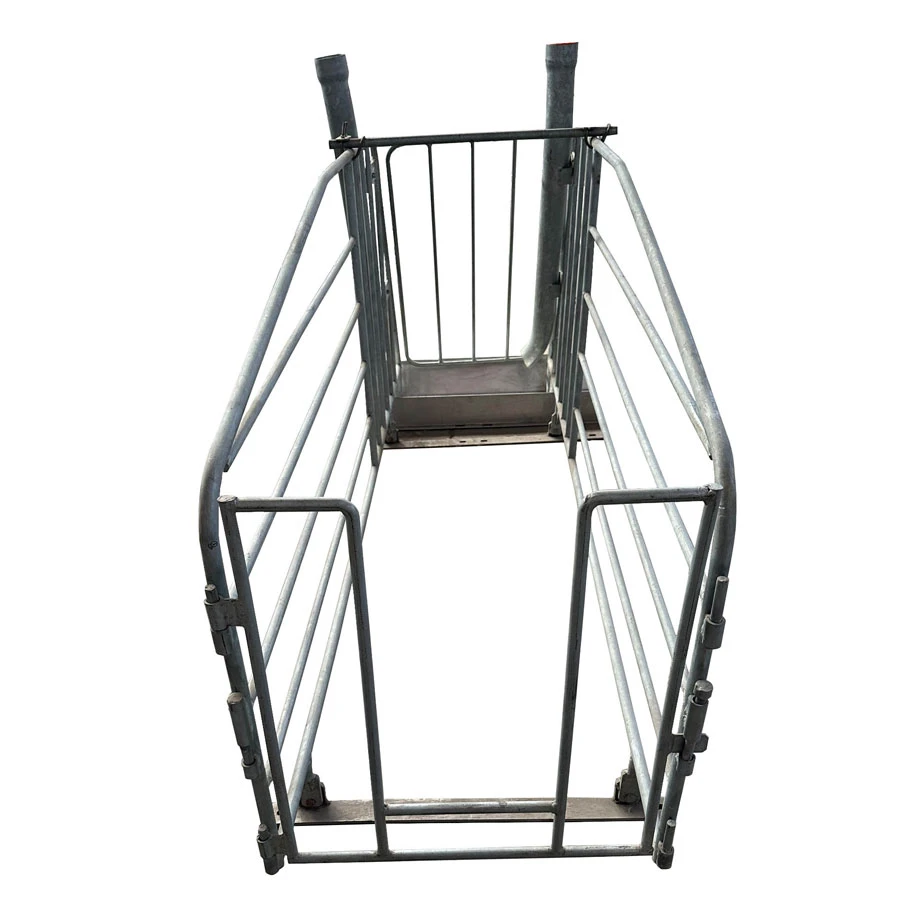
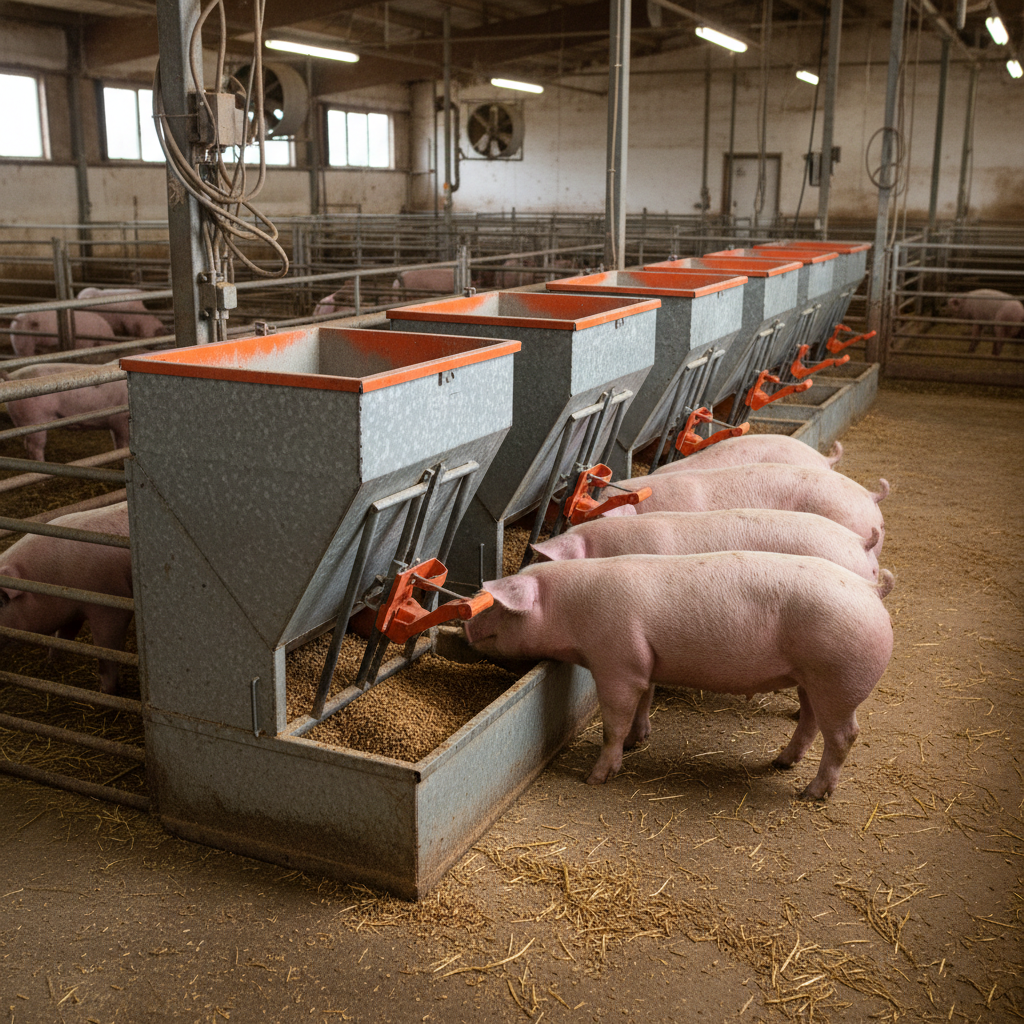
Simply put, a galvanized hog feeder is a feeding station for pigs made from steel coated with a layer of zinc. This zinc coating protects the metal from rust and corrosion, especially in harsh, wet or outdoor farming conditions. The process, known as galvanization, involves dipping steel parts into molten zinc, creating a durable, sacrificial layer that resists the elements and wear-and-tear.
You might not immediately connect a feeder with modern industrial processes or sustainability goals, yet these feeders exemplify practical, durable design in agriculture — supporting not only productivity but animal welfare by providing steady, uncontaminated food access.
Core Components That Make a Good Galvanized Hog Feeder
Durability and Corrosion Resistance
The whole point of galvanization is to stop rust. Zinc creates a robust protective barrier, which can extend feeder life from a few months (for bare steel) to several years with little maintenance. Farmers often remark how a galvanized feeder "just keeps on going", whether it’s blistering sun, pouring rain, or the occasional pig that decides to test the metal strength.
Feed Efficiency and Waste Reduction
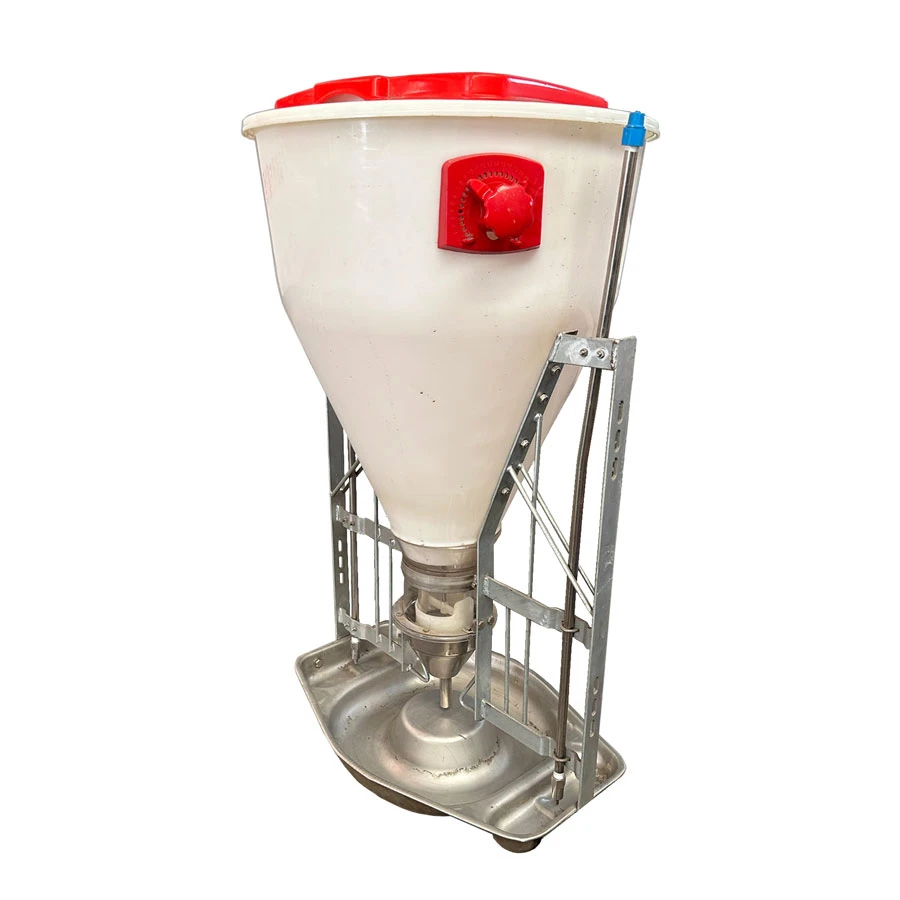
These feeders are designed to minimize feed loss — sloping troughs, protective lips, and customizable sizes help keep food in. Minimizing wastage isn’t just about cost savings, it also reduces environmental runoff and keeps the farm cleaner.
Scalability and Size Variability
Whether you’re running a small family farm or a large industrial operation, galvanized hog feeders come in different sizes and configurations. From single-hog feeders to big multi-port units, their modularity means farms can scale feeding infrastructure with herd growth.
Ease of Maintenance
Galvanized surfaces wipe clean easily and don’t require frequent repainting or treatment, making them user-friendly. Quick repairs can be done with basic tools, and replacement parts are often standardized industry-wide.
Real World Applications: Where and How Are These Feeders Used?
In North America and Europe, large hog production companies rely heavily on galvanized feeders for their high durability, incorporating them into automated feeding lines. In tropical regions — think Southeast Asia or Latin America — their rust resistance is a lifesaver in humid environments.
Interestingly, some NGOs working in rural development or post-disaster areas deploy galvanized hog feeders as part of livestock rehabilitation programs. Pigs are a common livestock choice because they reproduce quickly and provide rapid income or nutrition recovery. Having sturdy feeders greatly improves management and health outcomes.
Advantages & Long-Term Value of Galvanized Hog Feeders
- Cost Savings: Extended feeder lifetime reduces the need for frequent replacement or repair.
- Sustainability: Reduced feed waste lowers environmental footprint.
- Animal Welfare: Consistent, hygienic feeding promotes healthier livestock.
- Trust & Innovation: Farmers feel confident investing in proven tech that just works.
Frankly, there’s a quiet reassurance that comes with these feeders — they blend ruggedness with simplicity, and in farming, that reliability translates to real peace of mind.
Looking Ahead: Future Trends and Innovations
While the basic galvanized hog feeder remains mostly unchanged in design, innovations are bubbling beneath the surface. For instance, integrating sensors to monitor feed levels or animal access is a growing trend. Digital farming platforms may soon track consumption patterns remotely, optimizing feeding schedules and improving animal health.
Another innovation is eco-friendlier galvanization processes or alternative coatings that reduce environmental impact. There’s even interest in solar-powered automatic feeders paired with galvanized steel structures — a nice blend of old and new tech.
Challenges and What Could Be Done Better
Despite their many benefits, galvanized feeders aren’t perfect. They can be heavy and sometimes tricky to install without proper equipment. Zinc coatings can eventually wear thin, especially in highly abrasive or acidic environments. Also, costs can be prohibitive for smaller or subsistence farmers.
Experts recommend combining galvanized feeders with good drainage systems and using modular designs to ease transport and installation. Some NGOs and co-ops have started group purchasing to reduce upfront costs and improve access.
FAQ: Common Questions About Galvanized Hog Feeders
- How long does a galvanized hog feeder typically last on a farm?
- With proper use and routine inspections, galvanized feeders can last 5 to 10 years or more, far outlasting non-galvanized steel alternatives.
- Are galvanized feeders safe for the hogs?
- Yes. The zinc coating is stable and non-toxic under normal farm conditions, ensuring hogs aren’t exposed to harmful substances while eating.
- Can I customize the size or shape of these feeders?
- Definitely. Many manufacturers offer customizable options based on herd size and feed type, including multi-port and adjustable-height models.
- Do galvanized feeders require any special maintenance?
- Maintenance is fairly simple — periodic cleaning and checking for damage. Re-galvanizing is rarely needed within their lifespan.
- Where can I buy reliable galvanized hog feeders?
- It’s best to source from reputable agricultural suppliers with experience in your region. For an example of trusted products, visit our website.
Quick Product Specification Table
| Feature | Specification |
|---|---|
| Material | Hot-dip galvanized steel (Zinc coating approx. 85 microns) |
| Dimensions (Standard Model) | 120 cm (L) × 50 cm (W) × 40 cm (H) |
| Feed Capacity | Up to 30 kg feed per session |
| Capacity per Hog | Designed for 4-6 piglets or 2-3 adult hogs |
| Weight | Approx. 15 kg |
| Warranty | 3 years against corrosion and manufacturing defects |
Vendor Comparison Table
| Vendor | Price Range (USD) | Customization Options | Delivery Time | Customer Rating |
|---|---|---|---|---|
| FarmStrong Equipments | $75 - $120 | Standard sizes, color options | 2-3 weeks | 4.2 / 5 |
| AgroMetal Solutions | $95 - $150 | Full customization, modular designs | 4 weeks | 4.6 / 5 |
| GreenField Supplies | $65 - $110 | Basic options only | 1-2 weeks | 3.9 / 5 |
Wrapping Up: Staying Ahead With Galvanized Hog Feeders
At the end of the day, a galvanized hog feeder might seem like just another piece of farm gear. But their tangible benefits — durability, efficiency, and impact on animal health — make them an unsung hero in livestock management. Whether you’re a seasoned farmer or stepping into agribusiness, investing in quality feeders isn't just practical; it’s integral to sustainable growth. Curious to learn more or ready to upgrade? Visit our website for detailed product info and expert advice.
Mini Takeaway:
Galvanized hog feeders provide a proven balance of durability, functionality, and cost efficiency, making them essential tools in modern pig farming across the globe.
References:
Post time: Dec . 02, 2025