Why Metal Cattle Troughs Matter More Than You Think
When you picture livestock management, the humble metal cattle trough probably isn’t the first thing that jumps to mind. Yet, these seemingly simple structures play a surprisingly big role in global agriculture, humanitarian efforts, and rural development. They improve animal health, boost farm efficiency, and even support sustainability initiatives worldwide. Understanding them isn’t just for farmers — it touches on food security, welfare, and resilient supply chains that keep millions fed.
Metal Cattle Troughs in a Global Context
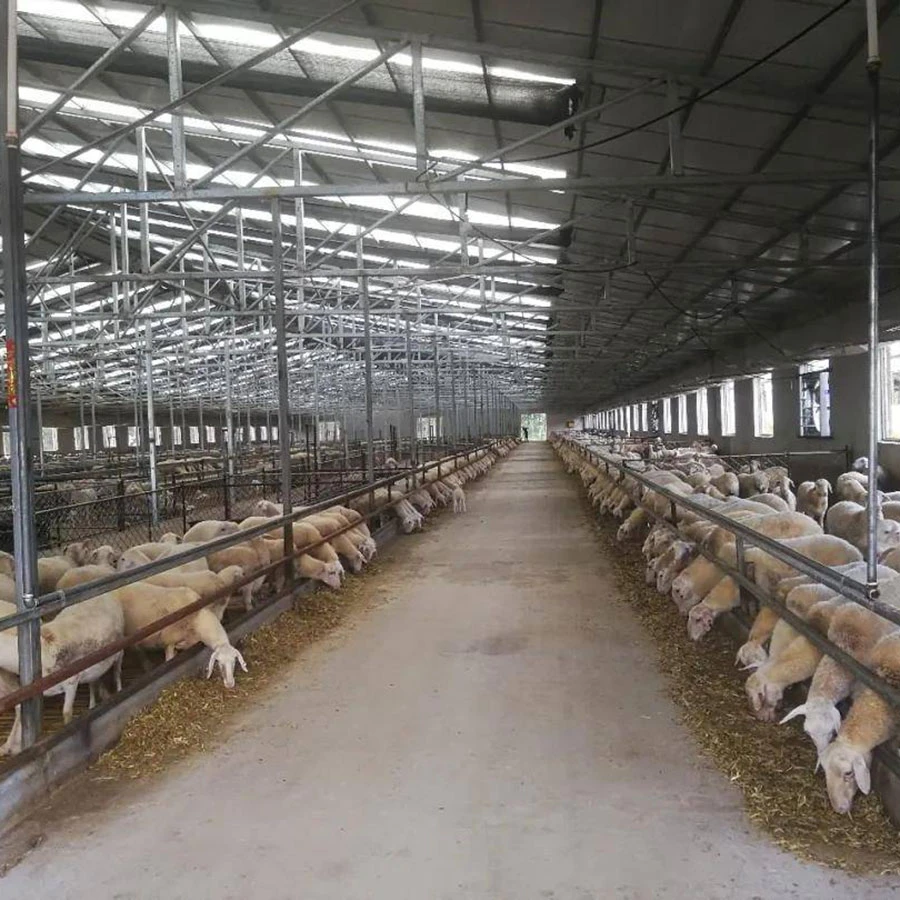
Globally, the demand for animal protein keeps rising — the UN’s Food and Agriculture Organization estimates a 70% growth by 2050. Water consumption for cattle is huge, making effective, durable water supply solutions critical. Enter the metal cattle trough. These troughs are a key piece of infrastructure in meat and dairy industries, particularly in places like South America, Australia, and parts of Africa where vast grazing lands require clever water and feed management.
However, challenges persist: droughts, poor infrastructure, and traditional plastic or wooden troughs can crack, leak, or degrade quickly. Metal troughs, often galvanized or stainless steel, solve many of these problems. Their durability and easy maintenance help reduce waste and save costs long-term.
In fact, sustainable animal husbandry guidelines by ISO and agricultural bodies increasingly recommend these troughs to help farmers improve efficiency and comply with environmental standards.
Mini takeaway: Metal cattle troughs address one of agriculture’s basic logistics problems—feeding and watering animals efficiently, sustainably, and long-term.
What Exactly Is a Metal Cattle Trough?
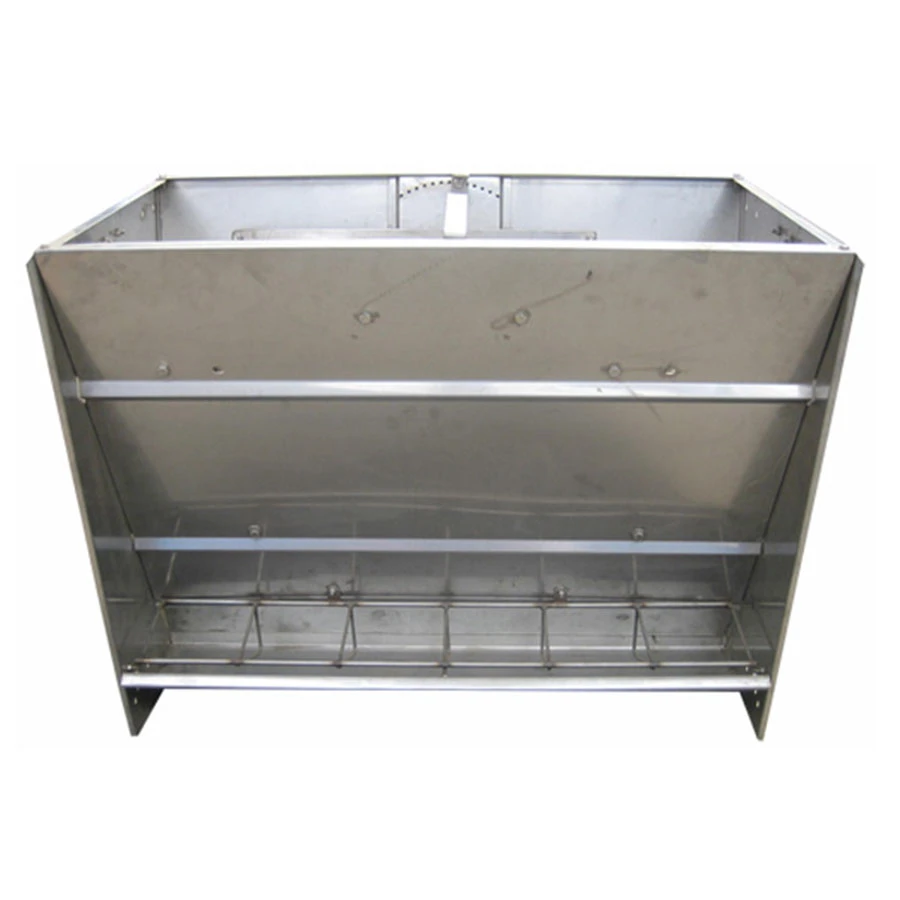
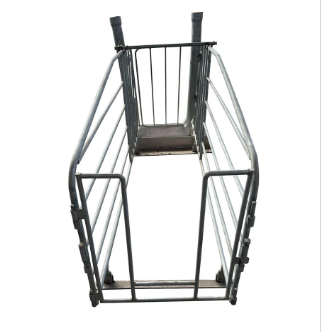
Simply put, a metal cattle trough is a container made mainly from metal designed to hold feed or water for cattle. These troughs come in various sizes and shapes but share some core attributes: durability, weather resistance, and ease of cleaning. While wood and plastic versions exist, metal troughs (often galvanized steel, aluminum, or stainless steel) provide superior strength and longevity, especially in harsh environments.
They’re heavily used in commercial ranches, dairy farms, feedlots, and even in emergency relief operations where fast deployment of livestock infrastructure is crucial — such as after floods or droughts.
Core Components & Key Factors of Metal Cattle Troughs
Durability and Longevity
Metal troughs resist cracking, UV damage, and are typically galvanized to prevent rust. This means they can last many years without replacement, a big cost saver for ranchers working on tight margins. Many engineers mention that compared to plastic, metal troughs rarely warp or lose shape.
Capacity and Scalability
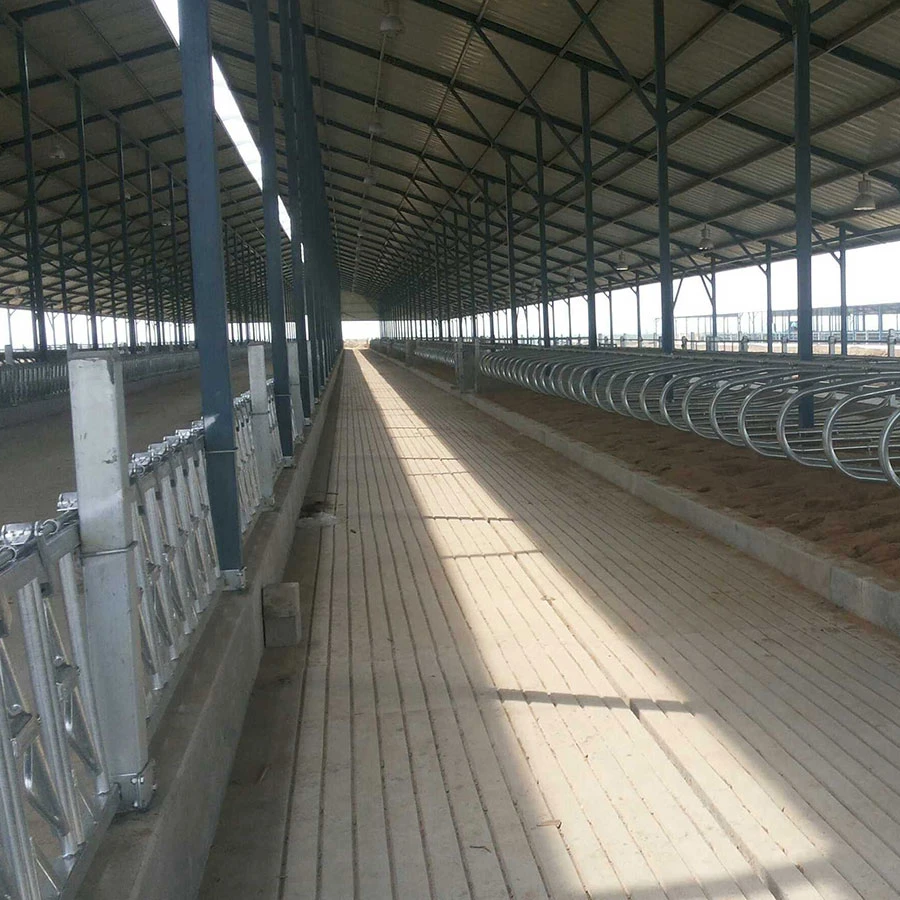
These troughs come in sizes ranging from small portable units (suitable for a few animals) to huge industrial-scale feeding stations that serve large herds. Capacity matters since insufficient water supply affects cattle health and productivity.
Ease of Maintenance
Metals allow easy cleaning without splinters or cracks harboring bacteria. Many farms use pressure washing systems that work better on smooth metal surfaces than rough wood.
Cost Efficiency
Though metal troughs have a higher up-front cost, their longevity and low maintenance reduce the total cost of ownership. Plus, some models can be customized to fit existing farm infrastructure or mobile setups.
Environmental Impact
Galvanized and stainless steel materials are recyclable, and their durability means less frequent replacement and waste compared to plastic.
Mini takeaway: You get what you pay for. The metal cattle trough is a classic example where investing upfront saves headaches (and money) later.
Product Specification Table: Typical Metal Cattle Trough Models
| Model | Material | Capacity (Liters) | Dimensions (cm) | Weight (kg) | Price Range (USD) |
|---|---|---|---|---|---|
| RanchMaster 200 | Galvanized Steel | 200 | 120 x 60 x 40 | 15 | $150-$200 |
| FeedPro XL | Stainless Steel | 500 | 180 x 80 x 50 | 30 | $350-$450 |
| EcoTrough Mini | Aluminum | 100 | 90 x 50 x 35 | 8 | $120-$160 |
How Metal Cattle Troughs Are Used Worldwide
Farmers from Argentinian pampas to Australian outbacks swear by metal troughs. Their robustness suits rough terrains and extreme climates. In African regions facing drought, NGOs provide metal troughs as part of livestock drought resilience programs. Even in Europe, where intensive farming dominates, troughs with sensors monitor water levels, feeding into smart farm systems.
In emergency scenarios, like floods in Southeast Asia, metal troughs often form part of fast livestock restocking kits, helping local communities recover livelihoods quicker.
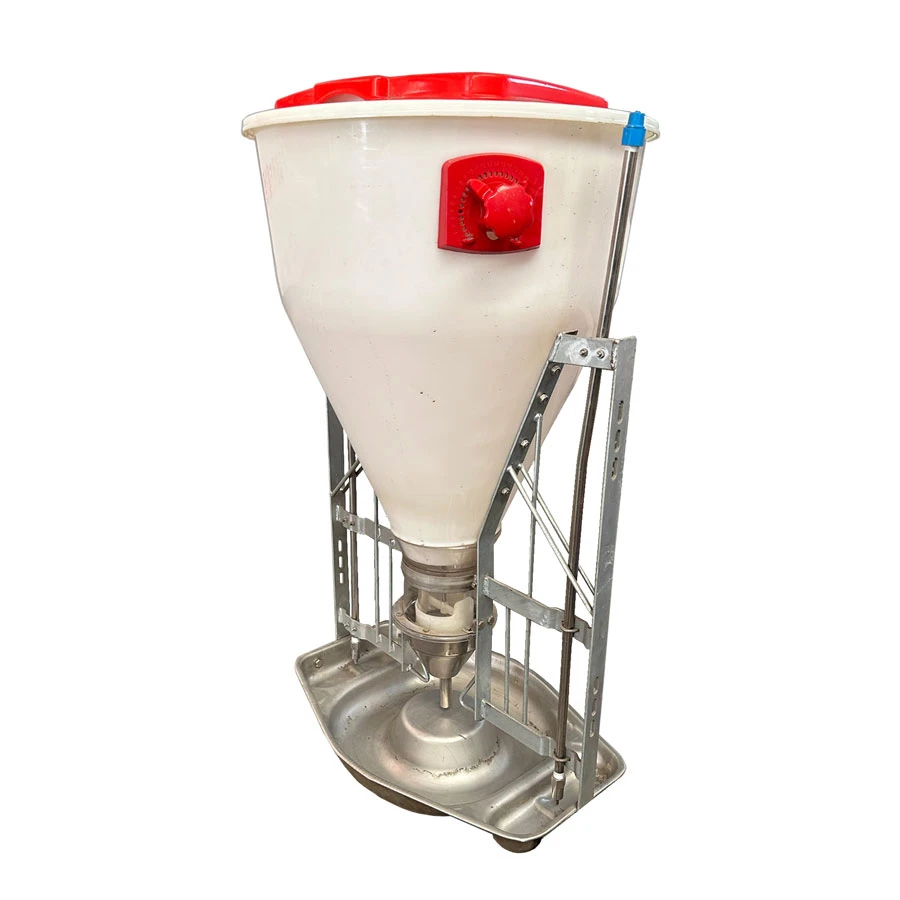
Many agribusinesses integrate custom metal troughs that fit automated feeders or link to water supply pipelines to reduce manual labor — a testament to how far this “simple” solution has come.
Mini takeaway: The metal cattle trough is a global low-tech hero that adapts to diverse climates, scales of farming, and innovative farms alike.
The Long-Term Advantages of Metal Cattle Troughs
- Economic savings: Reduce replacement and repair costs.
- Animal health: Clean water accessibility reduces disease.
- Environmental sustainability: Recyclable materials and reduced waste.
- Social impact: Supports food security and rural livelihoods.
At the heart of it, providing dependable water and feed access fosters trust between farmer and environment. It’s about dignity, security, and innovation combined — sort of the hidden underpinning of modern ranching.
Looking Ahead: Future Trends in Metal Cattle Troughs
Innovation is slowly creeping in. For instance, integrating solar-powered sensors to notify farmers when troughs need refilling or cleaning. Materials science might soon deliver lighter, corrosion-proof alloys that further extend trough lifespans. There’s talk about modular designs that fold or stack for easy transport during moves or emergencies.
With sustainability front and center, biocidal metal coatings that inhibit bacteria growth without chemicals sound promising. And who knows? Perhaps 3D printed custom troughs tailored to precise farm needs aren’t far off.
Challenges and Smarter Solutions
One complaint is weight: some metal troughs are heavy, limiting portability. Another is cost, which can deter smaller farmers. Plus, poorly galvanized troughs risk rust which compromises water quality.
Experts suggest thin-gauge aluminum or composite metal blends to cut weight. Bulk buying and NGO subsidies help ease costs in developing regions. Regular maintenance training also prevents premature wear — often the difference between a durable trough and one that disappoints.
Vendor Comparison: Popular Metal Cattle Trough Providers
| Provider | Material Options | Customization | Price Range (USD) | Warranty |
|---|---|---|---|---|
| AgriTrough Co. | Galvanized Steel, Aluminum | Yes, sizes & fittings | $130 - $480 | 5 years |
| Livestock Solutions | Stainless Steel only | Limited | $300 - $600 | 8 years |
| RanchPro | Aluminum, Galvanized Steel | Yes, color & capacity | $100 - $400 | 3 years |
Frequently Asked Questions About Metal Cattle Troughs
1. How long does a typical metal cattle trough last?
With proper maintenance, galvanized or stainless steel troughs can last 10–15 years or more. Longevity depends on environment, usage, and cleaning routines. Rust and dents are main concerns but can be minimized by coatings and inspections.
2. Are metal troughs safe for cattle to drink from?
Absolutely. Metals like stainless steel are food-safe, do not leach harmful chemicals, and are easy to clean preventing bacterial buildup. Galvanized steel is generally safe but should be checked for coating wear to avoid zinc contamination.
3. Can metal cattle troughs be moved easily?
Some models are quite heavy, requiring equipment or several people to move. However, lighter aluminum variants or designs with handles help. Portable troughs tailored for rotational grazing exist and are a growing trend.
4. What are common maintenance tips?
Regularly check for rust, clean troughs weekly to prevent algae or bacteria buildup, inspect welds and coatings, and drain completely in freezing climates to avoid damage.
5. Are custom metal troughs expensive?
Customization typically adds 10–20% to the base cost depending on features. Many manufacturers offer scalable options and bulk discounts making it accessible for most ranch sizes.
Wrapping It Up: Why a Metal Cattle Trough Is Worth the Investment
In the end, the metal cattle trough emerges as an unsung hero of efficient and sustainable livestock management. Its combination of durability, practicality, and adaptability address challenges faced by farmers worldwide. Whether you’re running a large commercial operation or a small family farm, investing in a quality metal cattle trough pays off in reliability, animal welfare, and long-term cost savings.
For those ready to upgrade their watering and feeding systems, feel free to explore our selection of high-quality troughs, designed to last through seasons and challenges alike. Visit our website: metal cattle trough to discover options tailored to your needs.
References & Further Reading
Post time: Dec . 02, 2025