Understanding Cow Head Lock: A Vital Tool in Livestock Management
When you hear cow head lock, it might conjure an image of some veterinary restraint device — and you wouldn’t be far off. But in livestock farming, this seemingly simple apparatus carries enormous weight globally, helping farmers keep cattle safe, stress-free, and manageable. For anyone in agriculture or animal welfare, understanding cow head locks is more than a technicality; it’s a key to ethical care, efficient herd management, and even economic sustainability.
Globally, with over 1.4 billion cattle heads reported by UN FAO, and with tighter regulations on animal health and welfare, tools like cow head locks have become indispensable. Good restraint means less injury risk for both the animal and the handler, smoother medical treatment, and ultimately, better productivity.
Why the Cow Head Lock Matters Worldwide
From the grasslands of Kazakhstan to the feedlots of the American Midwest, the need to safely handle cattle is universal. The International Organization for Standardization (ISO) highlights growing concerns about animal welfare in livestock operations worldwide — and here’s where the cow head lock shines. It addresses a persistent challenge: how to safely immobilize a large, often unruly animal for care without stress or harm.
Studies suggest that cattle restrained properly exhibit fewer signs of distress, which can even influence meat quality and milk yields. Additionally, with the rise in zoonotic diseases, effective handling reduces exposure risks to farm workers. So yes, this little contraption carries global significance.
What Exactly Is a Cow Head Lock?
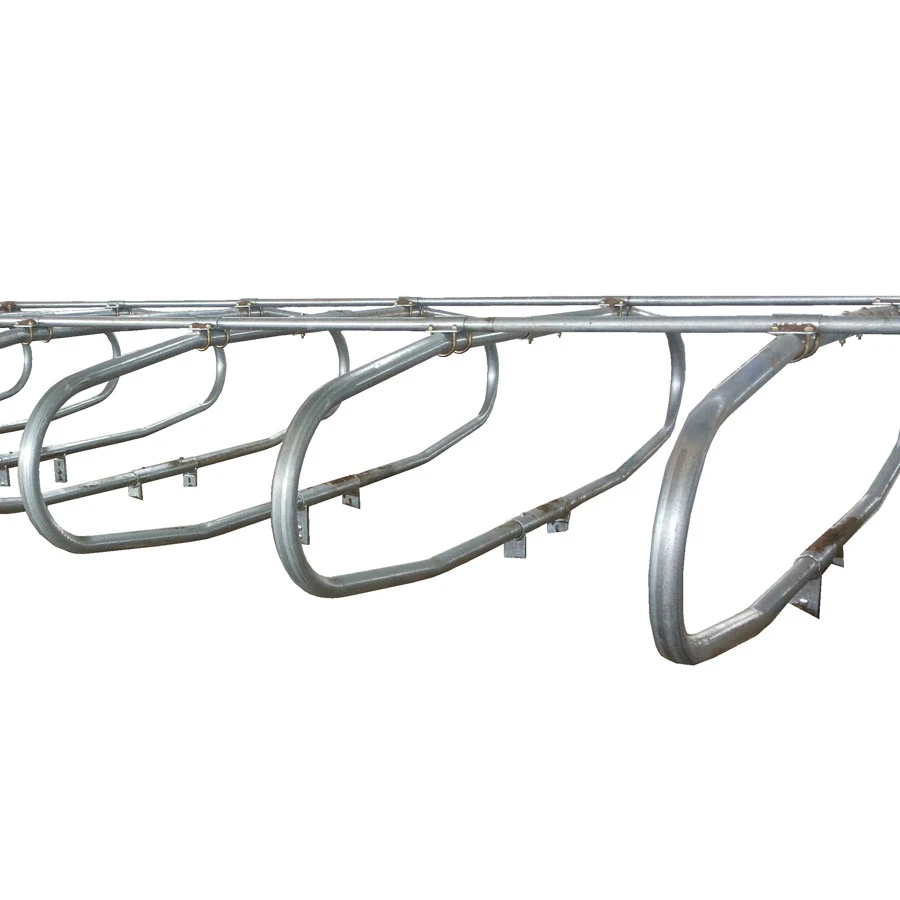
In the simplest terms: a cow head lock is a sturdy mechanical device designed to securely hold a cow’s head in place during veterinary exams, medication, or milking. Usually adjustable, it gently but firmly prevents the animal from moving its head too much, minimizing struggling or injury.
The connection to modern farming and humanitarian needs stems from better livestock health management practices. With the right equipment, farmers can administer vaccines or treatments quickly, reducing downtime, and improving animal survival rates. And in humanitarian livestock projects, especially post-disaster or in remote areas, these devices become critical for maintaining herd health without advanced infrastructure.
Key Features That Make a Cow Head Lock Reliable
1. Durability
These devices are made from robust materials like galvanized steel or stainless steel—meaning they stand up against weather, rust, and the occasional frustrated bull or cow. A well-built cow head lock isn’t something you replace seasonally.
2. Ease of Use
Farmers value simplicity. Most cow head locks feature quick-release mechanisms allowing for fast securing and releasing, reducing stress on the animal and saving time.
3. Adjustability
Each animal is different, from diminutive heifers to massive bulls. An adjustable mechanism helps accommodate head sizes, improving safety and comfort.
4. Safety Features
Beyond just holding the head, many locks include padding or rounded edges to avoid bruising or irritation—because empathy matters, even in metalwork.
5. Integration with Other Equipment
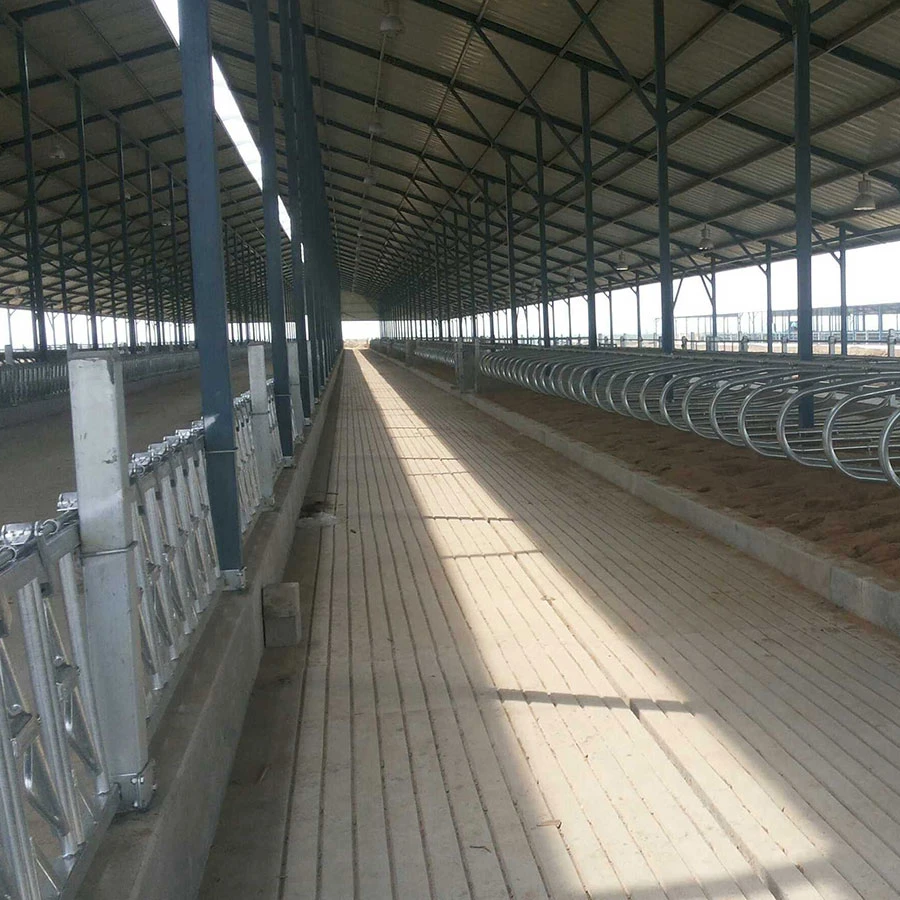
Modern systems often incorporate head locks into larger cattle crushes or handling systems, improving workflow on busy farms.
Mini takeaway:
Though it may feel like a simple gadget, a reliable cow head lock is a small investment with big returns—durable, user-friendly and designed to keep both cow and farmer safe.
Real-World Applications: Where Cow Head Locks Make a Difference
Cow head locks are everywhere you’d expect—and in some unexpected places too.
- Developed Nations’ Farms: In countries like the USA, Australia, and New Zealand, these devices are standard on virtually every dairy and beef operation.
- Developing Regions: In parts of Africa and South Asia, NGOs distribute cattle management tools including head locks during rural development projects.
- Disaster Relief: After floods or droughts, humanitarian livestock support teams use cow head locks to provide vaccinations or emergency care efficiently.
- Research Facilities: Universities and biotechnology firms handling cattle for breeding or health studies use them to ensure welfare standards.
One example: a cattle station in Queensland switched to head locks with softer padding and quicker release handles — reportedly reducing animal stress by over 30%. Farmers say their handling is safer and work moves faster.
Advantages and Long-Term Value of Using Cow Head Locks
There’s a reason cow head locks have been around for decades and continue to evolve. They:
- Enhance Safety: Both handlers and animals avoid injury.
- Improve Animal Welfare: Reduced stress leads to healthier cows.
- Streamline Farm Operations: Faster veterinary procedures, milking, and tagging.
- Save Money: Less downtime and fewer vet visits.
- Build Farmer Confidence: Even novices can handle cattle safely.
Emotionally, they represent respect for the animal and pride in stewardship. Logically, they increase efficiency and reduce financial losses. It’s a win-win you can't overlook.
Looking Ahead: Innovations in Cow Head Lock Technology
Technology never sleeps, not even in cattle handling. Here are some trends shaping the future:
- Smart Sensors: Integration of IoT sensors that monitor movement or stress levels during restraint.
- Lightweight Alloys & Composites: Materials that keep strength but cut down on weight and maintenance.
- Automation: Systems that automatically lock/unlock based on animal position.
- Eco-Friendly Coatings: Sustainable finishes that prolong lifespan without harmful chemicals.
It's a curious thing, seeing such low-tech devices evolve with high tech. Part of me wonders how cow head locks will look in another decade—maybe linked directly to your phone? Perhaps a tool for precision vet care rather than brute force restraint.
Challenges You Might Encounter & How to Overcome Them
Of course, no tool is perfect. Some common issues are:
- Initial Investment Costs: Not all farmers can afford premium models upfront. Solution? Look for modular designs or rent-to-own programs.
- Animal Anxiety: Poor design or misuse can cause distress, so training and ergonomic choices matter.
- Maintenance Needs: Rust or mechanical faults. Regular checks and choosing corrosion-resistant materials help.
Many veterinarians stress the importance of proper handler training alongside equipment purchase—because even the best head lock is just a tool, and tools need skilled operators.
Practical FAQ About Cow Head Locks
| Question | Answer |
|---|---|
| What materials are best for durable cow head locks? | Galvanized steel and stainless steel are preferred for their rust resistance and strength, essential for outdoor, long-term use. |
| Can cow head locks reduce animal stress during veterinary procedures? | Yes, properly designed and used locks immobilize the head gently, minimizing struggle and distress, which improves animal cooperation. |
| Are adjustable cow head locks necessary? | Absolutely. Animals vary widely in size, so adjustable locks provide better fit and safety across different cattle breeds and ages. |
| How do I maintain a cow head lock for longevity? | Regular cleaning, lubrication of moving parts, and inspections for rust or damage are recommended to ensure long-lasting performance. |
Product Specification Snapshot
| Feature | Standard Model | Heavy Duty Model | Adjustable Deluxe Model |
|---|---|---|---|
| Material | Galvanized Steel | Stainless Steel | Alloy Steel with Rubber Padding |
| Adjustability | Fixed Size | Fixed Size | Yes (Wide Range) |
| Quick-Release Mechanism | Basic Lever | Heavy-Duty Lever | Ergonomic Handle |
| Weight | 12 kg | 18 kg | 14 kg |
| Price Range | $150 - $220 | $300 - $400 | $280 - $350 |
Comparing Top Cow Head Lock Vendors
| Vendor | Product Range | Price | Warranty | Customer Support |
|---|---|---|---|---|
| CXL Livestock Solutions | Standard, Heavy Duty, Adjustable | $$ - $$$ | 3 Years | 24/7 Support, On-site Visits |
| AgriLock Inc. | Basic and Adjustable Models | $ - $$ | 1 Year | Email Support Only |
| FarmSafe Equipment | Heavy Duty and Deluxe | $$$ - $$$$ | 5 Years | Phone & Chat, Installation Help |
Wrapping Up: Why Cow Head Locks Will Always Be Part of the Herd
I suppose it’s easy to overlook how something as straightforward as a cow head lock can impact livestock welfare, handler safety, and farm productivity. But the more you dig down, the clearer it gets: this device is a small pebble creating large ripples. For anyone serious about cattle management—whether a smallholder in a developing country or a multi-thousand-head commercial ranch—investing time to understand and source quality cow head lock solutions pays off in spades.
For the future, these tools are evolving alongside tech and materials innovations. So maybe soon, restraining a cow won’t be the tough job it used to be — and that’s good news for everyone.
Want to see options that suit your unique needs? Feel free to visit our website for the latest in trusted, durable cow head lock equipment designed by folks who really get farming.
References
- Food and Agriculture Organization of the United Nations (FAO), Global Livestock Statistics
- International Organization for Standardization (ISO), Animal Welfare Standards
- World Organisation for Animal Health (WOAH), Animal Health and Welfare
Post time: Nov . 29, 2025