Understanding Plastic Floors for Pigs: Why It Matters Globally
At first glance, a plastic floor for pigs might sound like a small detail in the sprawling world of livestock farming. Yet, when you look closer, it’s one of those modest innovations quietly reshaping animal welfare, hygiene, and productivity on farms from Asia to Europe. This seemingly simple concept is key to solving some stubborn global issues like disease control, environmental impact, and scalable farming solutions.
Why delve into this? Because animal agriculture remains a massive part of food security worldwide, with the UN estimating that livestock accounts for around 40% of global agricultural GDP. Yet, traditional flooring systems for pigs often fail to deliver cleanliness or durability, increasing health risks and costs. Plastic floors, by contrast, offer renewability, ease of cleaning, and greater longevity — translating into better welfare and economics for farmers everywhere. Understanding the benefits and design of plastic floor for pigs can guide smarter, sustainable farming practices that align with both industry growth and humane treatment.
The Global Context: How Plastic Floors Are Shaping Pig Farming Industry
Pig farming isn’t just backyard pigs anymore; it’s a multibillion-dollar industry intricately tied to global food chains. According to the Food and Agriculture Organization, pig meat production reached nearly 120 million tons globally in recent years.
This boom brings with it serious challenges. Traditional concrete or dirt floors absorb waste, are hard to sanitize, and frequently lead to disease outbreaks such as African swine fever or respiratory problems. In regions like Southeast Asia and Eastern Europe, outbreaks can wipe out entire herds swiftly, triggering food shortages and economic turmoil. The solution? Durable, hygienic surfaces enabling better waste management and biosecurity — a need that's accelerating adoption of plastic slatted floors and modular plastic flooring for pigs.
The economic view is just one layer. Sustainability-focused regulations are tightening, especially in the EU and parts of North America, putting pressure on farmers to upgrade facilities. So the stakes are high: successfully implementing plastic floor for pigs is a global priority, cut from both an economic and ethical cloth.
What Exactly Is Plastic Flooring for Pigs?
Simply put, a plastic floor for pigs is a flooring panel or system made predominantly from durable, often recycled plastic polymers designed to support pigs comfortably and hygienically. Unlike concrete or wood, plastic floors don’t absorb moisture, don’t degrade easily, and allow for efficient waste drainage.
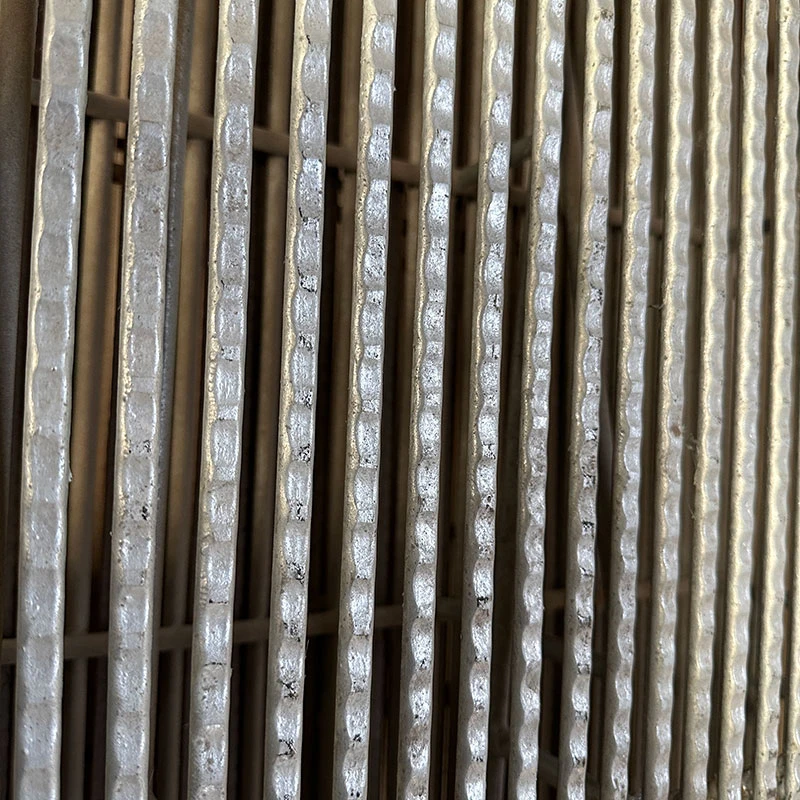
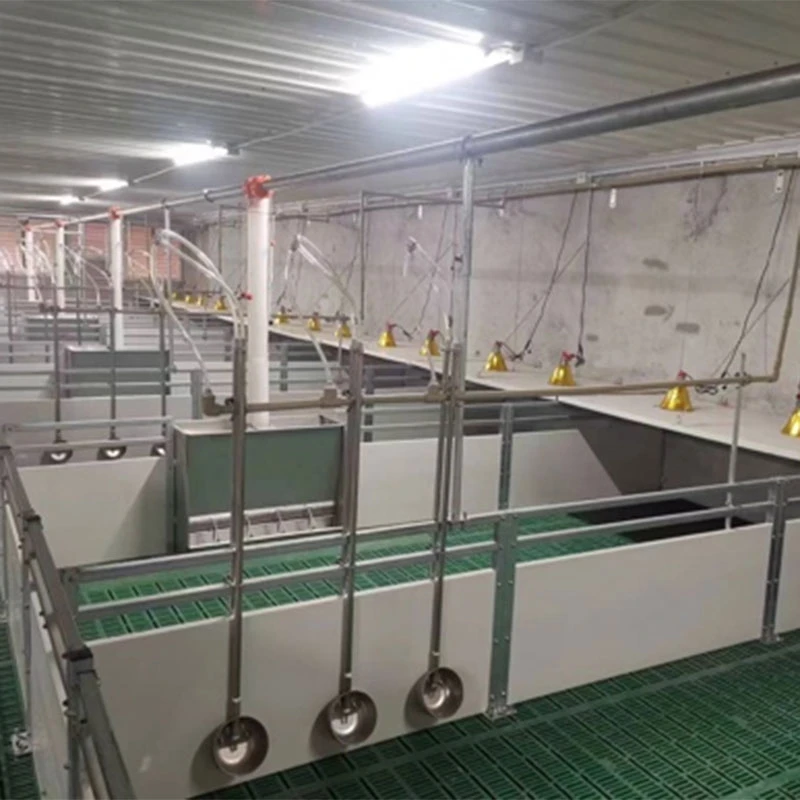
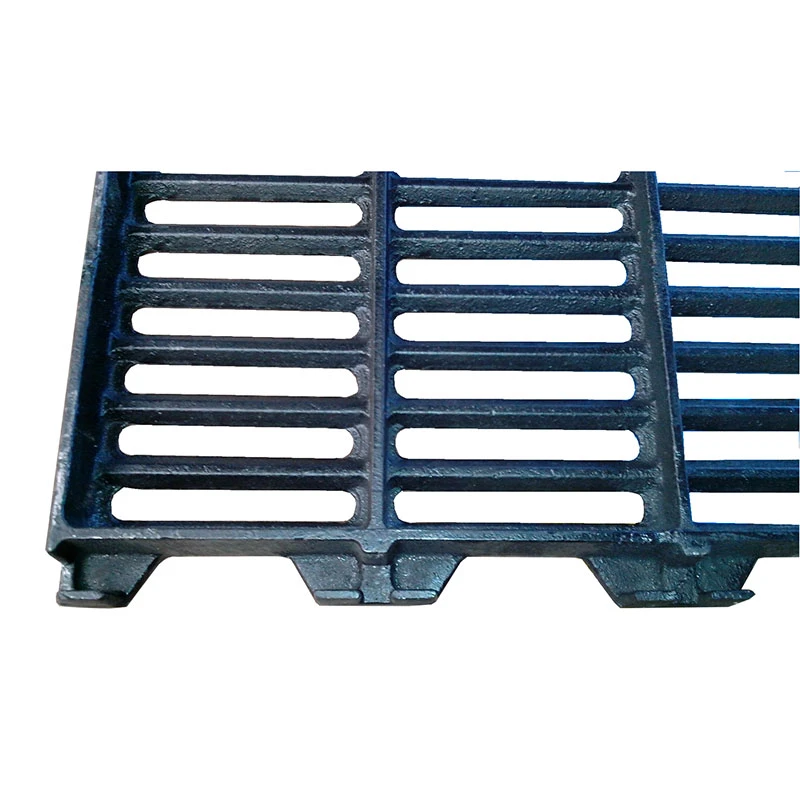
Many of these floors are "slatted," meaning they have small gaps to let feces and urine drop through, keeping the animals drier and healthier. Modern plastic pig flooring is designed for easy installation, cleaning, and even to provide slight cushioning — meaning pigs aren’t walking on harsh, bone-jarring surfaces all day.
It’s an intersection of engineering and animal welfare, meeting strict farming and humanitarian guidelines in one versatile system.
Key Factors Driving Plastic Floor Innovations
1. Durability and Strength
Plastic flooring for pigs is built tough — often made from high-density polyethylene (HDPE) or polypropylene blends that resist cracking even under heavy, wet conditions. Unlike traditional concrete, plastic won’t chip or crumble, which means fewer replacements and longer service life, sometimes spanning 10+ years.
2. Hygiene and Biosecurity
One standout advantage is how plastic floors repel bacteria and waste absorption. Regular washing or disinfection goes smoother because plastic surfaces don’t trap grime as easily. This feature is crucial in curbing disease spread in intensive pig farms or emergency housing setups.
3. Animal Comfort and Welfare
It sounds simple, but pigs are sensitive beings. Plastic floors can be shaped or textured to reduce stress injuries like hoof damage and lameness — ironically a big cause of productivity drops in farms. The slight flexibility combined with good grip keeps pigs comfortable on their feet.
4. Cost Efficiency and Scalability
While upfront costs can be higher than concrete, the long-term savings on maintenance, replacement, and veterinary bills often prove plastic floors more economical. Plus, modular designs allow farms to scale quickly or retrofit older barns with minimal downtime.
5. Environmental Impact
Many manufacturers are now using recycled plastics and designing for recyclability at product end-of-life, reducing the carbon footprint. This aligns with global moves toward sustainable farming practices demanded by ISO 14001 and similar standards.
Mini takeaway: When you really break it down, plastic floors for pigs tackle durability, welfare, economy, and environmental needs in one package. That’s why they're growing from niche to norm across global pig production.
How Plastic Flooring for Pigs Plays Out Around the World
Different geographies call for different flooring solutions, but plastic floors are increasingly common from mega-scale farms in the US Midwest to smallholder operations in Vietnam and beyond.
- Europe: EU farm hygiene laws push innovation here; many farms use modular plastic floor for pigs systems that meet strict cleanability and animal welfare framing.
- Southeast Asia: Facing hot, humid climates and rapidly growing pork demand, plastic floors help reduce parasitic infections and keep pigs cooler.
- North America: Versatility and scale are key; plastic slatted floors allow swift barn turnover and ease manure management.
- Developing Regions: NGOs and relief groups sometimes introduce these floors in post-disaster livestock shelters to curb disease spread, especially where concrete floors aren’t viable.
One insightful case: a pig farm in Poland switched to plastic slatted floors and saw respiratory illness rates drop nearly 30% in a year — tangible proof these floors do more than just “look nice.”
Advantages & Long-Term Value of Plastic Floors
Plastic pig flooring is like an investment in both the pig's health and the farmer’s peace of mind. It reduces veterinary interventions, lowers mortality rates, and keeps barns odor-controlled due to better waste flow — a win for neighbors and regulators alike.
On a social level, better pig welfare is becoming a consumer demand, making such flooring part of broader “ethical farming” certifications. And from a financial angle, less downtime and fewer replacements mean higher profits over time.
Frankly, these floors build trust: farmers trust their investment, pigs get safer footing, and shoppers see improving farm conditions — small steps in large systemic improvements.
Looking Ahead: Innovations and Emerging Trends
The future will likely see plastic flooring becoming smarter and greener. Some manufacturers are exploring bioplastics — turning agricultural waste into pig floors, a true cycle of life.
Automation also looms large. Imagine floors embedded with pressure sensors monitoring pig health by gait analysis or weight distribution, sending alerts before lameness becomes severe.
Meanwhile, carbon footprint certification, supported by entities like ISO and the UN’s sustainability goals, is helping farms justify switching to these eco-conscious materials.
Common Challenges and How the Industry Is Overcoming Them
No product is perfect. With plastic floors, some worries include installation cost, potential slipperiness if not textured well, and environmental concerns when disposal isn’t managed properly.
Innovative solutions? Surface designs now mimic natural textures to improve pig grip, subsidies or leasing models help with upfront expenses, and recycling programs are emerging to handle end-of-life flooring responsibly.
Plus, better farmer training ensures installation and maintenance maximize flooring lifespan and performance. A collaborative approach works best.
FAQ: Clearing Up Common Curiosities About Plastic Floor for Pigs
- Q: How long does a typical plastic plastic floor for pigs last in a commercial farm?
- A: With proper installation and routine care, you can expect 8 to 12 years of service. Durability varies by material quality and usage intensity, but these floors generally outlast concrete in similar conditions.
- Q: Are plastic floors safe and comfortable for pigs all year round?
- A: Yes, many plastic floors are designed with ergonomic textures providing adequate grip and cushioning, helping prevent injuries and stress during winter or summer months.
- Q: How do plastic floors impact farm hygiene compared to concrete?
- A: Plastic floors typically reduce bacterial build-up due to non-porous surfaces and easier cleaning protocols, which improves biosecurity and decreases diseases on intensive farms.
- Q: Is switching to plastic flooring environmentally responsible?
- A: Increasingly so. Manufacturers focus on recycled plastics and end-of-life recyclability, which can significantly lower farms’ environmental footprint over traditional materials.
- Q: Can small farms or NGOs afford plastic flooring?
- A: Costs are falling, and modular designs allow incremental upgrades. NGOs often support subsidies or provide flexible financing to make technology accessible in relief or developing zones.
Specification Table: Typical Plastic Floor for Pigs
| Feature | Specification | Notes |
|---|---|---|
| Material | HDPE or Polypropylene | Depends on manufacturer |
| Panel Size | 60cm x 40cm | Modular for easy replacement |
| Load Capacity | Up to 500kg per panel | Supports heavy adult pigs |
| Slat Width | 20-30mm | Optimized for waste flow, pig comfort |
| Lifespan | 8-12 years | Depends on maintenance |
| Installation Type | Bolt-down or snap-fit | Quick and modular |
Vendor Comparison Table: Leading Plastic Floor Providers
| Vendor | Material Quality | Price Range (USD/m²) | Eco Features | Warranty (years) |
|---|---|---|---|---|
| FarmPlast Inc. | Premium HDPE with UV stabilizers | $45 - $55 | Recycled raw materials, recyclable panels | 10 |
| AgroDeck Solutions | Mid-grade polypropylene blend | $35 - $45 | Partial recycled content | 8 |
| PigFloor Pro | High density poly + antimicrobial coating | $50 - $60 | Antimicrobial, recyclable | 12 |
Final Thoughts
Plastic floors for pigs have quietly revolutionized modern pig farming by improving hygiene, animal welfare, and long-term sustainability. Their global rise isn’t just a technical upgrade; it’s a sign of an industry aiming for smarter, kinder, and more resilient practices. If you’re managing a pig operation or simply curious about agricultural innovations, it’s worth considering how these floors might fit your goals — whether for large-scale farms or emergency relief shelters.
To learn more and explore product options tailored to your needs, feel free to visit our website: plastic floor for pigs. There’s more to this humble floor than meets the eye.
References:
Post time: Dec . 02, 2025