Understanding Poultry Flooring: Why It Matters on a Global Scale
When we think of poultry flooring, it might sound like just another technical term tossed about in agricultural circles. But honestly, it’s so much more. Poultry flooring isn’t just about the surface birds walk or rest on; it’s a vital element that impacts animal welfare, farm efficiency, environmental sustainability, and even global food security. In a world with a sharply rising demand for protein—where the UN’s FAO projects poultry meat consumption climbing steadily—knowing the ins and outs of poultry flooring is crucial. Proper flooring means healthier birds, reduced disease risk, and better productivity. That, in turn, touches livelihoods from small family farms to major commercial producers worldwide.
Mini takeaway: Poultry flooring is a cornerstone of modern poultry farming, directly influencing welfare and productivity in a globally relevant way.
Poultry Flooring in the Global Context: Challenges and Opportunities
Across continents—from the poultry farms dotting the American Midwest to the sprawling operations in Asia and Africa—the kind of flooring used under poultry is often overlooked, yet it shapes outcomes more than most realize. According to ISO standards (ISO 13079, for instance), and data from the World Bank’s agriculture sector analysis, poultry farming faces challenges like contamination control, durability issues, and environmental impact. Flooring that doesn’t absorb moisture or allow easy cleaning can quickly become a breeding ground for pathogens, jeopardizing entire flocks. Plus, given the rapid industrialization and rising urbanization especially in developing regions, scalable and efficient poultry flooring is increasingly significant.
Frankly, one of the biggest ongoing challenges is balancing cost with functionality, especially since smallholder farms must be cost-sensitive while still aiming for disease control and animal comfort.
Mini takeaway: Worldwide, poultry flooring is a frontline solution to combating disease, improving farming scale, and managing costs — critical problems facing an increasingly protein-hungry world.What Exactly is Poultry Flooring?
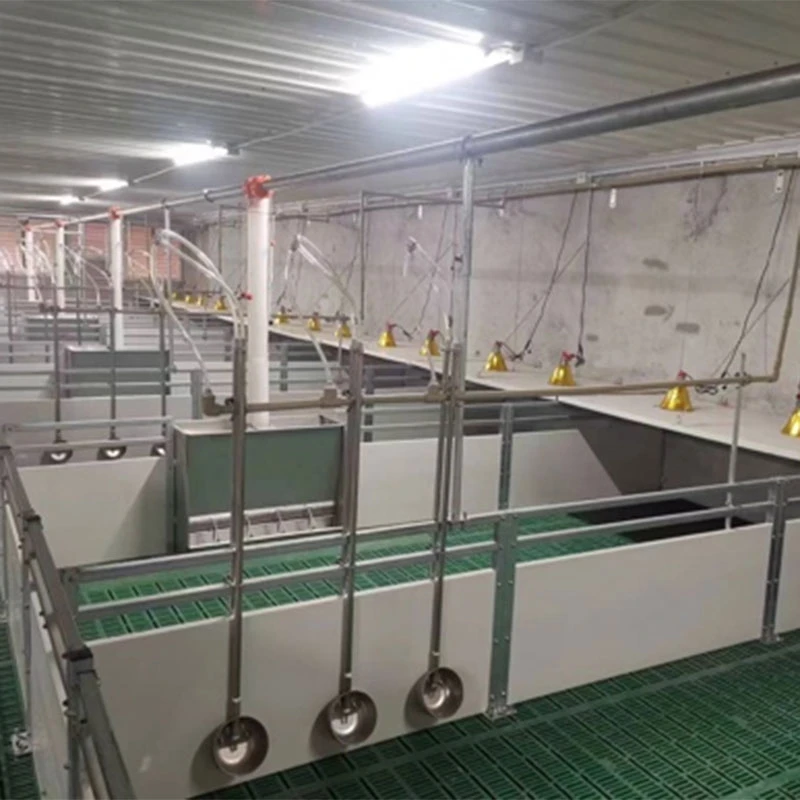
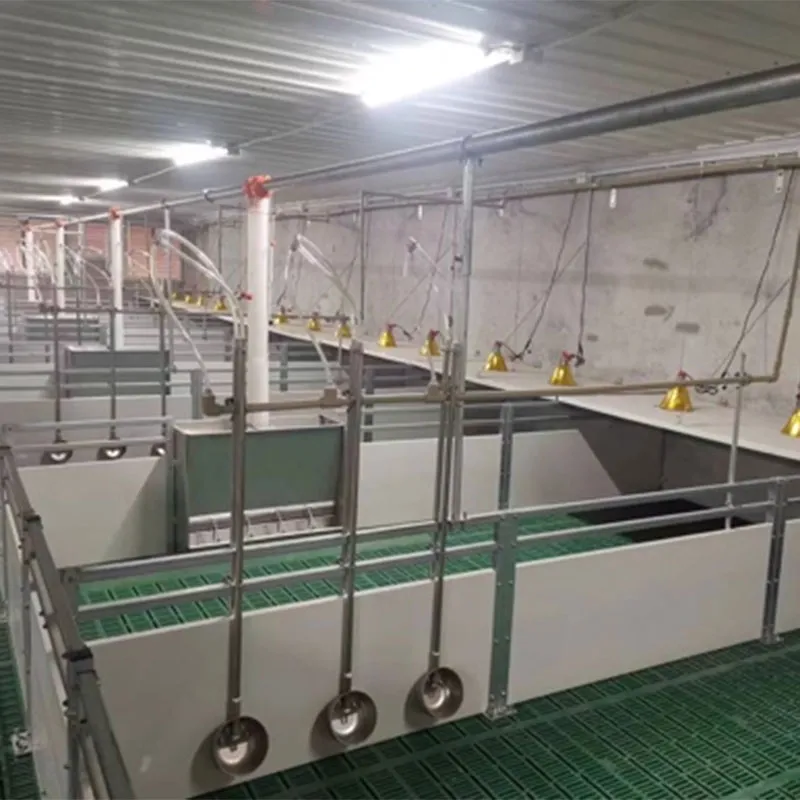
Simply put, poultry flooring refers to the materials and structures laid down inside poultry houses (or poultry sheds) that support the birds physically and hygienically. It could be anything from traditional litter bedding like wood shavings and straw to more advanced slatted floors, plastic mats, or even wire mesh. The idea is to create a surface that encourages natural behaviors, prevents injury, manages waste effectively, and can be cleaned or replaced easily.
This technical aspect links strongly to modern farming needs—whether it’s intensive battery operations or more free-range setups—and also to humanitarian demands, like improving food supplies in vulnerable communities using sustainable, low-cost poultry solutions.
Mini takeaway: Poultry flooring is the literal foundation of poultry housing that influences bird health, farm hygiene, and overall operational success.Key Factors Behind Effective Poultry Flooring
Durability & Material Choice
Durability is key. Flooring needs to withstand constant scratching, pecking, and movement while resisting moisture and chemicals. Materials range from treated wood to plastics and metals. For example, in colder regions, insulated flooring can prevent birds from chilling, while ventilated floors reduce ammonia buildup.
Hygiene & Disease Control
One can’t stress hygiene enough. Flooring that allows droppings to fall away or dries quickly keeps pathogens down. This reduces disease spread and cuts down antibiotic use, an increasingly important factor given global resistance concerns.
Comfort & Welfare Considerations
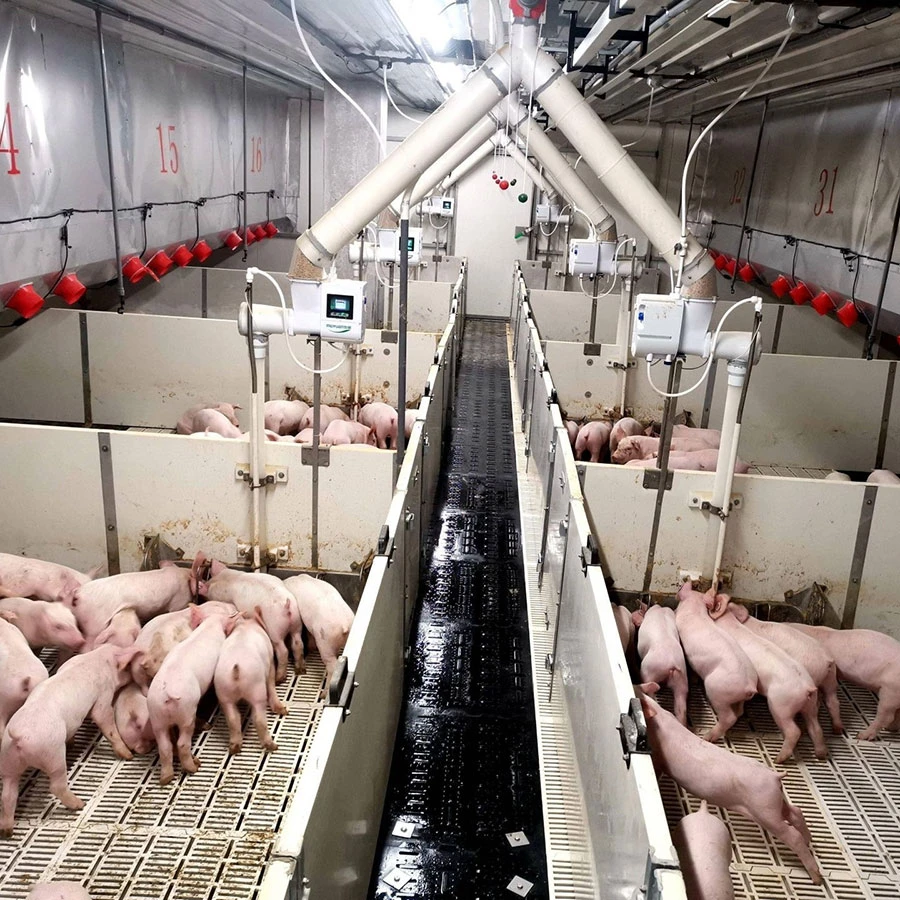
Poultry need flooring that doesn't hurt their feet or legs; rough or uneven surfaces can cause injuries leading to lower production. Bedding-type flooring mimics natural environments but requires more frequent cleaning, while slatted floors provide separation but may stress birds if poorly designed.
Cost Efficiency and Maintenance
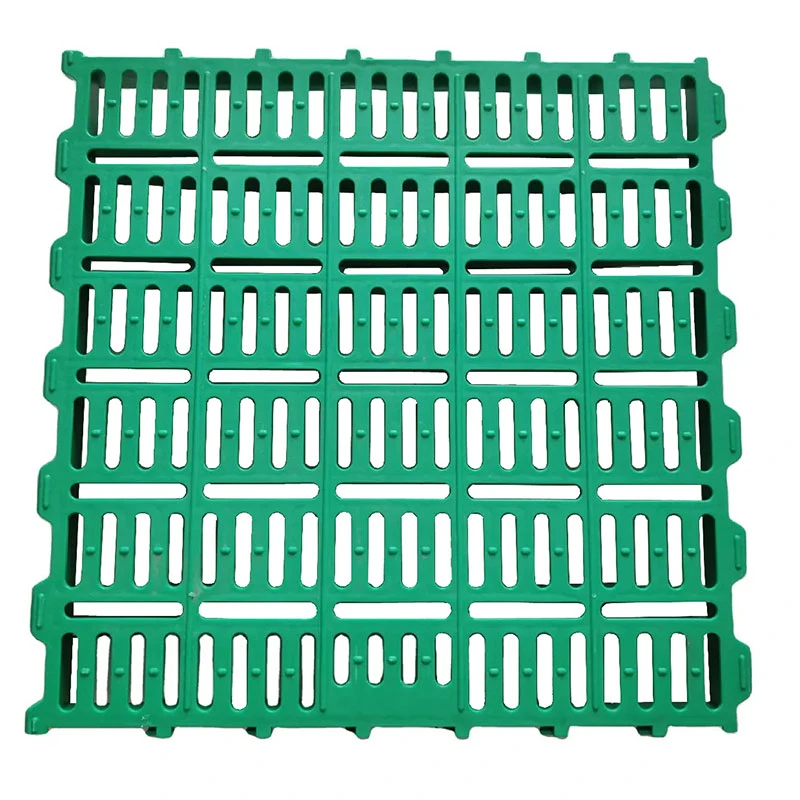
Farming economics often dictate flooring choice. While plastic slats may be pricier upfront, their longer life and easier cleaning can save money long-term. Conversely, organic bedding is cheap but requires regular replacement. Maintenance should also be straightforward to minimize labor.
Scalability and Adaptability
Whether it’s a backyard farmer with a few hundred birds or a commercial operation with tens of thousands, poultry flooring systems have to scale, adapt to different breeds, regional climates, and production models.
Mini takeaway: Selecting poultry flooring means balancing durability, hygiene, animal comfort, maintenance costs, and design flexibility to fit diverse farm types.Real-World Applications: How Poultry Flooring is Used Globally
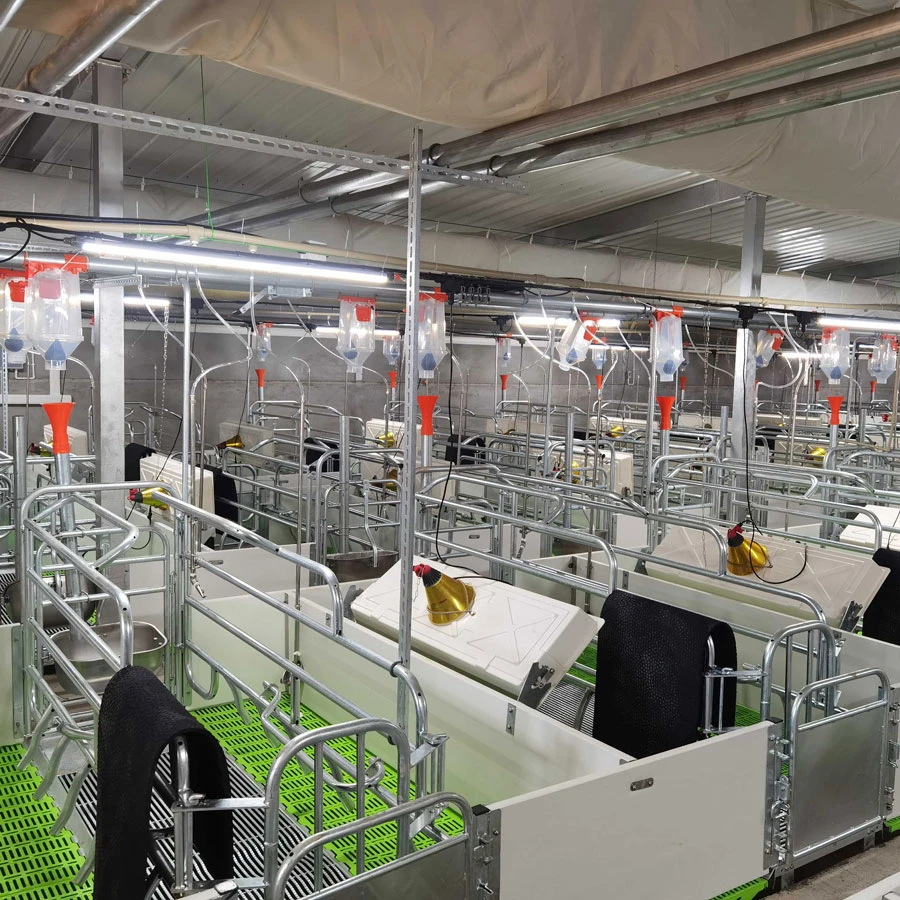
You might not realize how varied poultry flooring usage is. In developed countries, automated sheds with slatted floors and manure removal systems dominate, supporting highly industrialized production. Meanwhile, in Southeast Asia or parts of Africa, farmers often rely on litter bedding economically sourced locally yet need flooring solutions that reduce disease risk in humid climates.
In remote industrial zones, poultry flooring helps create controlled environments protecting birds from extreme weather. Similarly, NGOs working in post-disaster relief often set up modular poultry housing on quick-install flooring that can rise food security without huge infrastructure.
Organizations like FAO have encouraged best practices worldwide, pushing for poultry flooring that supports sustainability and animal welfare standards across different farming paradigms.
Mini takeaway: Poultry flooring adapts broadly—from large-scale industrial farms to small rural setups and emergency food projects—highlighting its flexibility and global importance.Advantages and Lasting Benefits of High-Quality Poultry Flooring
- Improved Bird Health: Proper flooring reduces injury and disease, meaning better growth rates and lower mortality.
- Environmental Sustainability: Efficient waste management flooring reduces ammonia emissions and water pollution.
- Economic Returns: Lower vet costs, higher productivity, and less frequent floor replacement improve farmer livelihoods.
- Animal Welfare & Trust: Ethically sound flooring aids brands aiming to meet consumer ethics and certification standards.
- Social Impact: Better poultry production translates to more affordable protein, uplifting communities.
All combined, it makes poultry flooring a quiet star in the whole farm ecosystem.
Looking Ahead: Trends and Innovations in Poultry Flooring
Emerging innovations are pushing poultry flooring forward. Expect to see more biodegradable materials that minimize environmental footprint, smart flooring embedded with sensors monitoring moisture or ammonia levels, and the rise of automated cleaning technologies linked to IoT devices. Some researchers are exploring solar-powered floor heating to maintain ideal temperatures efficiently.
On the policy front, stricter animal welfare laws encourage adoption of flooring that maximizes comfort—not just production—and green energy initiatives promote materials made using renewable resources. Digital transformation even allows data-driven decisions on when and how to replace floors.
Mini takeaway: The future of poultry flooring merges technology and sustainability to enhance welfare, reduce costs, and streamline farm management.Challenges Facing Poultry Flooring Today & How to Address Them
Despite progress, challenges remain. Some common issues include:
- Upfront Costs: Advanced flooring can intimidate smaller farmers financially.
- Climate Adaptation: Flooring must cope with very diverse environmental stresses.
- Maintenance Knowledge: Poor upkeep can negate flooring advantages.
- Material Disposal: Some flooring materials contribute to waste problems if not recyclable.
To tackle these, experts recommend modular solutions allowing phased investment, education programs on maintenance, and using recyclable or natural materials. Collaborations between manufacturers and farmers can foster innovations tailored for local needs.
FAQ: Common Questions About Poultry Flooring
- What is the best type of flooring for poultry in humid climates?
- Slatted plastic flooring or raised wire mesh floors work well by promoting airflow and drainage, reducing moisture buildup that leads to disease.
- How often should poultry flooring be replaced or cleaned?
- Cleaning frequency varies; litter should be replaced regularly (every few weeks) while durable slatted floors may only need cleaning every few months depending on flock size and conditions.
- Can poultry flooring impact bird growth rates?
- Absolutely. Comfortable flooring reduces stress and injury, which directly correlates to better feed conversion and weight gain over time.
- Are eco-friendly poultry flooring options available?
- Yes, increasingly materials like recycled plastics or biodegradable mats are used to reduce environmental impact while maintaining durability.
- How can small farmers afford modern poultry flooring?
- Options include phased upgrades, cooperative purchasing, or choosing modular, locally sourced materials that balance cost with functionality.
A Quick Spec Look: Typical Poultry Flooring Product
| Feature | Specification |
|---|---|
| Material | High-density polyethylene (HDPE) plastic |
| Dimensions | 60cm x 60cm panels |
| Weight Capacity | Up to 50kg per panel |
| Color Options | Gray, Green, Brown |
| Cleaning Method | Pressure wash compatible |
| Lifespan | 5–7 years under typical conditions |
How Do Poultry Flooring Vendors Compare?
| Vendor | Price Range | Material Options | Customization | Warranty |
|---|---|---|---|---|
| FarmTech Solutions | $$$ | Plastic, Wire Mesh | High | 5 years |
| EcoPoultry Flooring | $$ | Recycled Plastic, Wood | Medium | 3 years |
| AgriFloor Experts | $ | Wood, Straw Mats | Low | 2 years |
Wrapping It Up: Why Poultry Flooring Still Deserves Our Attention
In the end, poultry flooring feels like one of those quietly powerful things that don't get nearly enough spotlight. It influences animal health, farmer economics, environmental effects, and the broader food system in very tangible ways. Whether you're managing a commercial poultry farm or a small-scale setup in a rural village, the right flooring is foundational. It’s not flashy, but it is fundamental — almost like the rhythm section beneath your favorite song, keeping everything steady and strong.
If you're interested in exploring top-quality, durable, and adaptable solutions, don't hesitate to check out poultry flooring options that suit your operation’s scale and goals. Sometimes, the right foundation changes everything.
References
Post time: Dec . 02, 2025