Understanding Cow Hurdles: The Unsung Heroes of Livestock Management
Before you raise an eyebrow and think “What’s the big deal about cow hurdles?” — let me assure you, these structures are quietly shaping how farmers and ranchers around the world manage cattle, ensure safety, and promote sustainability. Cow hurdles might sound simple: barriers or panels used to confine or guide cows. But globally, as agricultural demands intensify and animal welfare becomes imperative, efficient livestock handling equipment like cow hurdles play a surprisingly outsized role.
Understanding cow hurdles isn’t just for farmers. It’s tied to food security, rural livelihoods, and even local economies. Plus, knowing their advantages and modern innovations can be a game changer for anyone involved in livestock management.
Mini Takeaway: Cow hurdles may look basic, but their role in efficient cattle management supports larger goals in agriculture and food supply worldwide.Why Cow Hurdles Matter Globally
If you glance through data from the Food and Agriculture Organization (FAO), over 1.4 billion cattle are raised worldwide. Managing these massive herds safely and humanely is a logistical puzzle. Here’s where cow hurdles come in — facilitating everything from feeding and veterinary care to transport.
The World Bank notes that improving livestock infrastructure is a key route out of poverty for many communities. Cow hurdles improve throughput and minimize injuries, reducing losses. But it’s not just about productivity: animal welfare standards (such as those by the ISO livestock standards) increasingly require good handling systems, which include sturdy, easy-to-use hurdles.
However, challenges remain. Traditional hurdles can be clunky, hard to dismantle, and vulnerable to harsh weather. This bottleneck slows farming operations — and delays market deliveries. The question: How can better cow hurdle design save time, money, and hassle globally?
Mini Takeaway: The global livestock industry’s scale demands efficient, practical solutions like advanced cow hurdles to meet modern welfare and productivity standards.What Exactly Are Cow Hurdles?
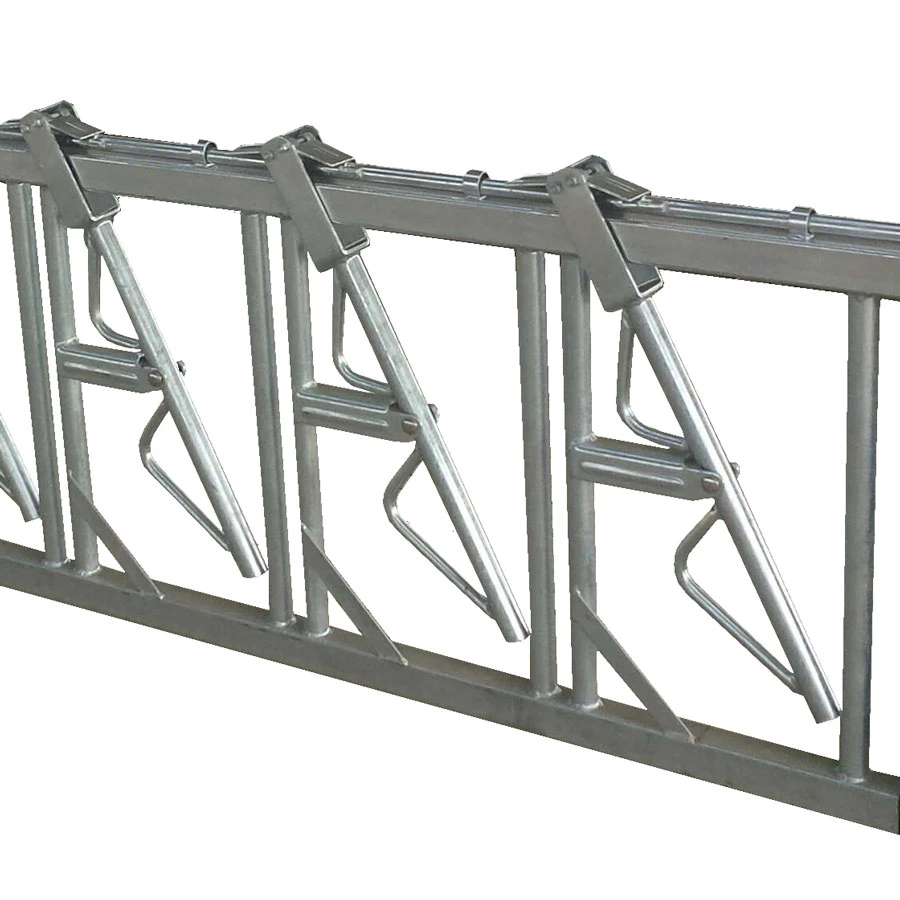
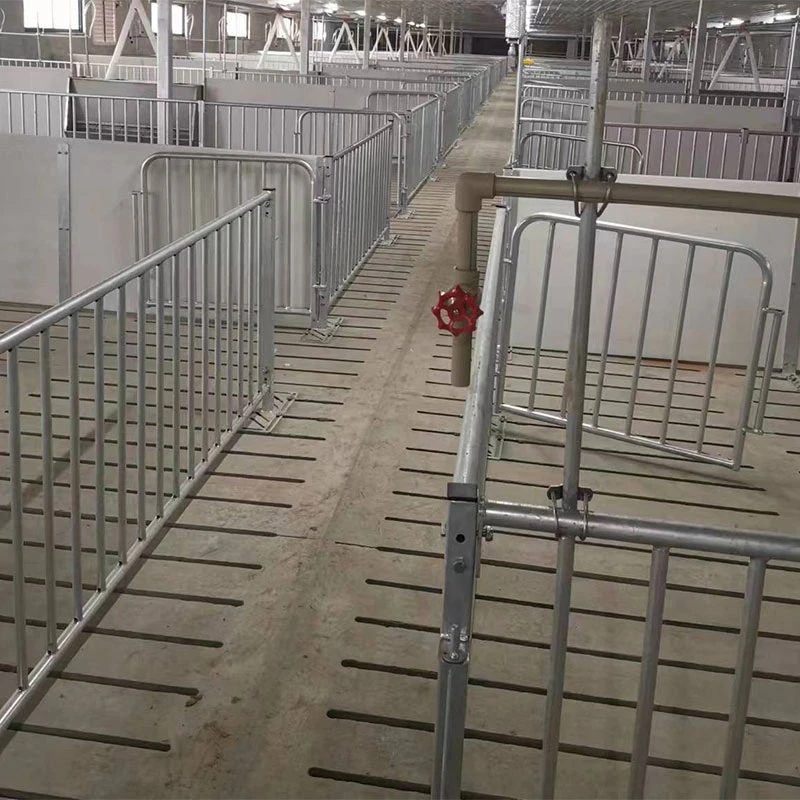
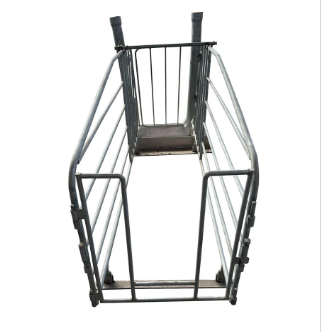
In essence, cow hurdles are portable or fixed panels forming temporary or permanent fences, gates, or chutes. They confine or guide cows during handling activities like vaccinations, weighing, or transport loading. Imagine them as modular walls creating a maze or corral to orderly move cattle without stress or injury.
While simple in concept, modern cow hurdles fuse materials and design innovations to meet evolving agricultural needs. From lightweight aluminum frames to heavy-duty steel or even composite plastic, their designs reflect a push towards durability, safety, and ease of use.
In humanitarian contexts too, such as rebuilding pastoralist communities after drought or disaster, sturdy and transportable hurdles restore livestock management quickly — aiding resilience and food security simultaneously.
Mini Takeaway: Cow hurdles are more than just fences — they are adaptable, essential systems in agriculture and beyond.Key Factors in Choosing and Using Cow Hurdles
Durability and Material Quality
No one wants a hurdle that bends or breaks under pressure. High tensile steel and weather-resistant coatings are common features ensuring longevity even in humid or rough environments.
Portability and Ease of Assembly
Many farmers juggle terrain and weather factors, so hurdles that are lightweight yet robust, and can be assembled quickly, make a tangible difference during peak handling seasons.
Safety for Animals and Handlers
Sharp edges or poorly fitted panels can cause injuries. Innovative designs focus on rounded corners, secure locking mechanisms, and ergonomic heights to reduce stress.
Scalability and Modular Design
Whether managing a small dairy herd or a vast ranch, scalability means farmers can add or subtract panels as needed without extra tools or expertise.
Cost Efficiency
Upfront cost versus expected lifespan, maintenance needs, and resale value are all crucial. Sometimes spending a bit more initially pays off in the long run.
Customization Options
Some vendors offer tailored sizes, gate placements, or even branding, addressing unique farm layouts and operational styles.
Mini Takeaway: A “good” cow hurdle balances durability, usability, safety, and cost — all tuned to the farmer’s specific needs.Where in the World Are Cow Hurdles Making a Difference?
From the sprawling ranches of Texas to the communal pastures of East Africa, cow hurdles support efficient livestock management everywhere. In Australia, where vast distances separate grazing zones, portable hurdles allow operators to move cattle quickly without elaborate infrastructure.
Refugee camps in East Africa rely on sturdy, easy-to-assemble hurdles to manage cattle critical for nutrition and income. NGOs often source lightweight but secure panels — emphasizing rapid deployment and sustainability.
European dairy farms, with stringent animal welfare laws, have adopted high-tech cow hurdles integrated with automated sorting gates and sensor systems. This blend of tradition and technology underlines the adaptability of the humble cow hurdle.
Even in remote industrial mining zones, temporary cow hurdles help keep livestock safe and controlled near operations — a reminder that regardless of geography, these tools matter.
Mini Takeaway: Cow hurdles aren’t just local gear — they connect practices worldwide, from smallholder farms to industrial operations.The Benefits of Investing in Quality Cow Hurdles
- Improved Safety: Reduced livestock injuries and human mishaps create trust and efficiency.
- Streamlined Operations: Faster cattle movement saves labor hours and reduces cattle stress.
- Sustainability: Durable materials mean less replacement waste.
- Cost Savings: Longer-lasting designs lower long-term expenses.
- Community Impact: Better livestock management correlates to higher food security and livelihoods.
On a personal note, I’ve seen ranchers light up when they switch to better cow hurdles — suddenly the whole workflow hums, and cattle behavior calms noticeably. The quiet dignity of handled animals matters, oddly enough.
Mini Takeaway: Good cow hurdles pay dividends beyond the fence line—economically, ethically, and operationally.Product Specification Table: Popular Cow Hurdles
| Feature | Model A | Model B | Model C |
|---|---|---|---|
| Material | Galvanized Steel | Aluminum Alloy | Composite Plastic |
| Weight per panel | 15 kg | 10 kg | 8 kg |
| Panel size (L x H) | 2.4m x 1.5m | 2m x 1.5m | 2m x 1.4m |
| Assembly time (1 person) | 5 mins | 7 mins | 4 mins |
| Weather resistance | High (rust-proof) | Moderate | High (UV resistant) |
| Price (per panel) | $75 | $90 | $85 |
Comparing Top Vendors of Cow Hurdles
| Vendor | Product Range | Customization | Global Shipping | Warranty |
|---|---|---|---|---|
| AgriFence | Standard & heavy-duty | Yes | Yes (50+ countries) | 5 years |
| FarmPro | Lightweight & modular | Limited | North America & Europe | 3 years |
| Livestock Solutions | Custom & tech-integrated | Extensive | Worldwide | 7 years |
Innovations and Future Trends in Cow Hurdles
The future of cow hurdles isn’t just about stronger steel or lighter weight. It’s about smart integration—imagine hurdles with embedded sensors monitoring cow movements or health signs and alerting handlers to anomalies in real time. Digital transformation and automation are inching into livestock management, though adoption varies regionally.
Sustainability trends push producers to explore recycled composites or solar-powered sorting gates. Some startups prototype foldable or inflatable hurdles to tackle transport and storage challenges. While these might sound futuristic, many farmers welcome any innovation that saves labor or improves cattle welfare.
That said, real-world adoption depends on cost and usability—no one wants a fancy hurdle if it’s a pain to set up daily. So balancing innovation with pragmatic design remains key.
Mini Takeaway: Cow hurdles are evolving beyond fences into smart, sustainable tools — but convenience remains king.Common Challenges and How to Solve Them
- Corrosion and Weather Damage: Use powder-coated or galvanized finishes.
- Difficult Assembly: Opt for modular, snap-fit designs.
- Limited Customization: Choose vendors who offer tailored solutions.
- Logistics and Shipping Costs: Consider local manufacturers or lightweight materials.
- Animal Stress: Implement smooth surfaces, proper lighting, and quiet operation.
Typically, one size doesn’t fit all in livestock handling, so investing in design thinking tuned to local conditions makes setbacks rare. And, frankly, farmers are some of the most practical innovators out there — they adapt fast when presented with useful tools.
FAQ: Frequently Asked Questions About Cow Hurdles
Q1: How long do portable cow hurdles typically last?
A1: Most quality cow hurdles, especially those made from galvanized steel or treated aluminum, can last 10+ years with basic maintenance. Weather conditions and usage frequency affect this lifespan, but proper storage during off-seasons extends durability substantially.
Q2: Are cow hurdles safe for all cattle breeds, including larger bulls?
A2: Yes, but it depends on design and material strength. Heavy-duty cow hurdles with reinforced joints and increased height are recommended when containing larger or more aggressive breeds. Safety features should always prioritize animal welfare and handler protection.
Q3: Can cow hurdles be customized to fit irregular terrain?
A3: Absolutely. Many manufacturers offer adjustable panels or flexible connectors that accommodate slopes or uneven ground. This modularity ensures the hurdles stay stable and functional on most farm layouts.
Q4: Are there eco-friendly cow hurdle options?
A4: Yes, composite plastics made from recycled materials and powder-coated metals minimize environmental footprints. Some vendors also promote sustainability certifications to reassure eco-conscious buyers.
Q5: How do I maintain cow hurdles for peak performance?
A5: Regular cleaning, lubrication of moving parts, and timely replacement of damaged panels or fasteners are essential. Inspecting fixes after storms or heavy use helps avoid surprises during critical handling times.
Wrapping Up — Why Cow Hurdles Deserve Your Attention
It’s easy to overlook cow hurdles as just farm gear. Yet, their influence runs deep — from making cattle handling safer and more efficient to contributing quietly to global food security and animal welfare standards. The market offers a wide range of options, from budget plastics to high-tech panels, empowering all scales of operations.
If you’re curious or ready to upgrade your livestock management approach, don’t hesitate to explore further. Visit our site for detailed solutions and expert advice on the best cow hurdles tailored for your needs.
Mini Takeaway: Investing in smart, durable cow hurdles today means smoother farm operations and a more sustainable tomorrow.References and Further Reading
Post time: Dec . 01, 2025