Galvanized Feed Storage Bins: Why the World Needs Them
When you think about storing animal feed safely and efficiently, galvanized feed storage bins might not be the first thing that jumps to mind — but they really should be. Globally, feeding billions of livestock animals sustainably hinges on our ability to store feed without spoilage, contamination, or waste. These bins offer an unmatched solution that ensures storage safety, longevity, and ease of management.
From smallholder farmers in sub-Saharan Africa to commercial feedlots in North America, galvanized feed storage bins help preserve the quality of feed, reduce losses caused by pests and weather, and, frankly, enable smoother livestock operations overall. If you’re involved in agriculture or livestock management, understanding how these systems work and their benefits can be a game-changer.
The Global Context of Feed Storage Challenges
According to the United Nations Food and Agriculture Organization (FAO), global livestock production accounts for nearly 40% of agricultural GDP worldwide. Yet feed spoilage and losses still plague many regions, sometimes leading to increased food insecurity and economic instability.
Here’s a stat that might surprise you: roughly 20-30% of stored animal feed is lost annually due to improper storage conditions — moisture, rodents, fungal contamination, you name it (source: FAO). This is where galvanized feed storage bins step in. Their robust build and corrosion-resistant coating counter these problems straightforwardly.
In real terms, this means enhanced feed preservation, reduced operational costs, and better animal health outcomes. But the challenge remains of selecting the right storage system that aligns with climate, scale, and budget — making a basic understanding crucial.
What Exactly Are Galvanized Feed Storage Bins?
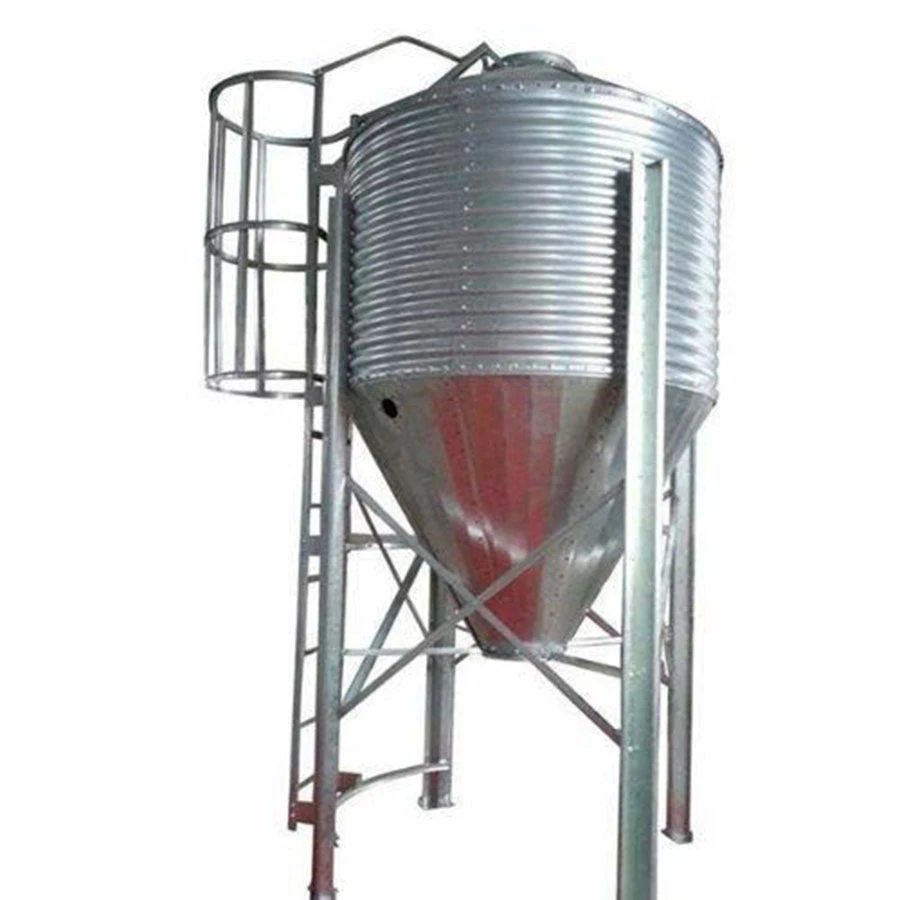
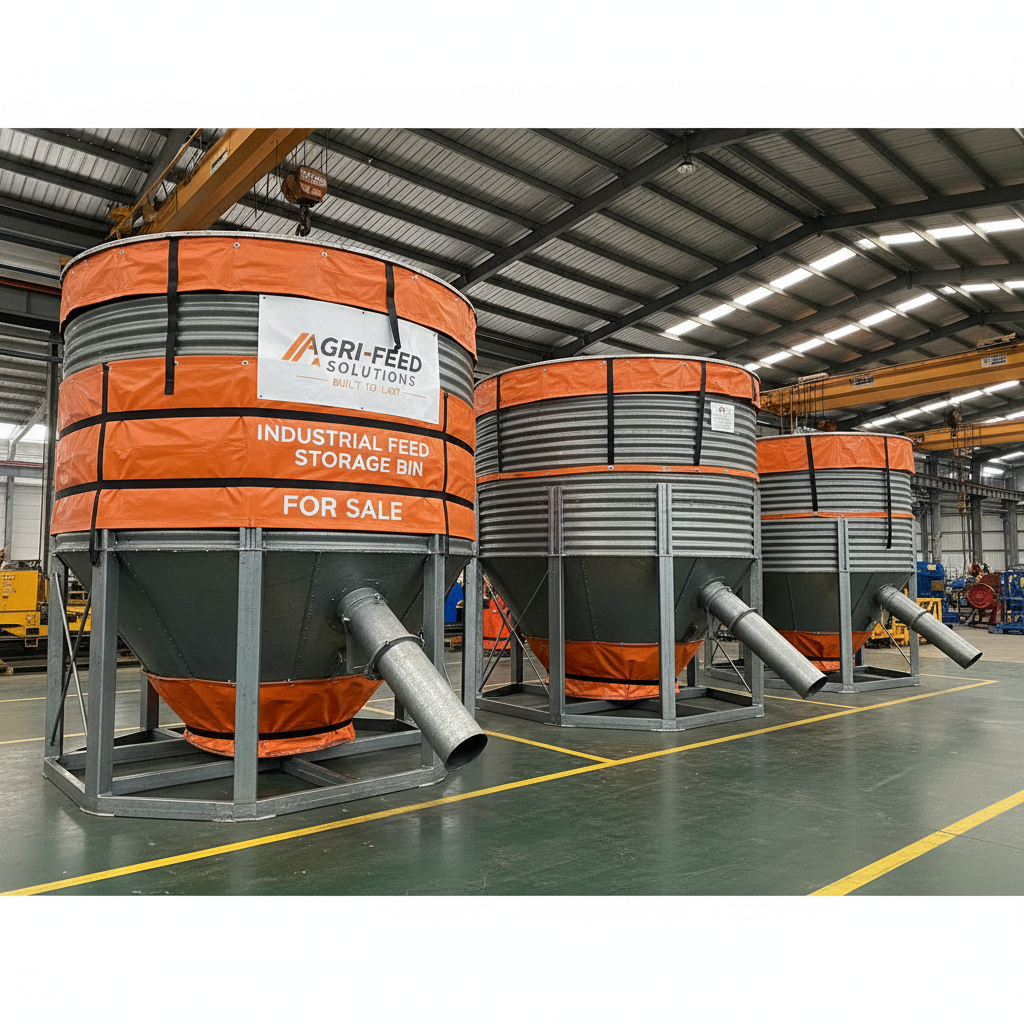
Simply put, galvanized feed storage bins are containers made from steel sheets coated with a layer of zinc to protect them from rust and corrosion. This galvanization process extends the bins’ life, keeps the feed dry and safe from external elements, and makes cleaning easier.
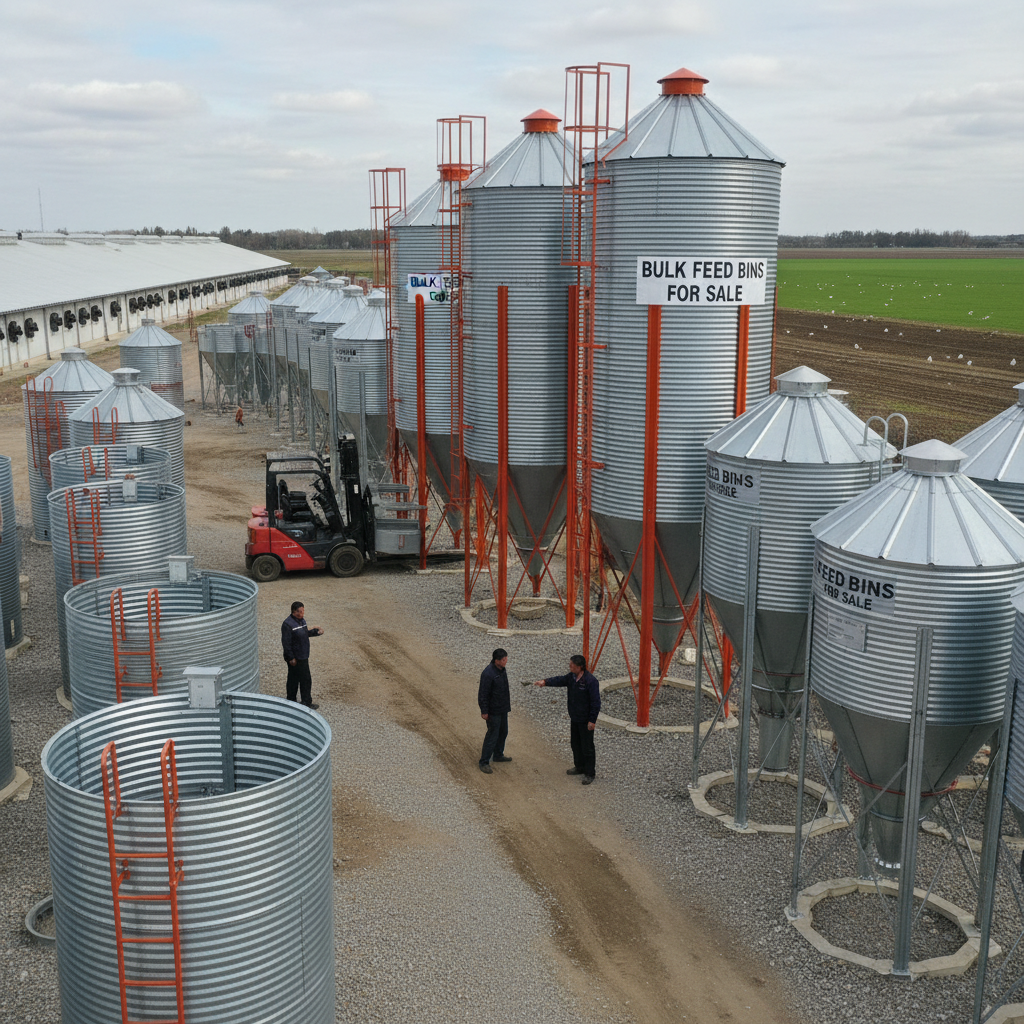
They come in a variety of sizes and shapes — from small portable units to massive silos capable of holding several tons of material. The “feed” in question can be pellets, grains, or other livestock food forms. In modern industry, these bins have become indispensable for maintaining supply chains and ensuring feedstock integrity.
For humanitarian aid or emergency feeding programs, such bins can be quickly deployed to remote areas with minimal maintenance — offering a sturdy, scalable storage solution.
Key Features That Make Galvanized Feed Storage Bins So Effective
Durability and Corrosion Resistance
The zinc coating is a lifesaver here. It shields steel from moisture and animal waste acids, which, believe me, can eat through plain steel faster than you expect.
Scalability and Modularity
Whether you’re running a modest family farm or a large industrial feedlot, there’s a galvanized bin that fits. Many vendors offer modular options that can be linked or expanded as needs evolve.
Cost Efficiency Over Time
They might seem pricier upfront compared to, say, plastic bins. But the reduced maintenance, fewer feed losses, and longer lifespan more than justify the investment, especially in climates prone to humidity or pests.
Ease of Cleaning and Maintenance
Feed bins need to be cleaned regularly to prevent contamination. The smooth, galvanized surface makes this task simpler—sometimes just a power wash does the trick.
Ventilation and Moisture Control
Many models incorporate vents or seals to keep the air flowing just right so feed won’t mold or ferment suspiciously. This ventilation is key for feed quality and animal health.
Global Applications of Galvanized Feed Storage Bins
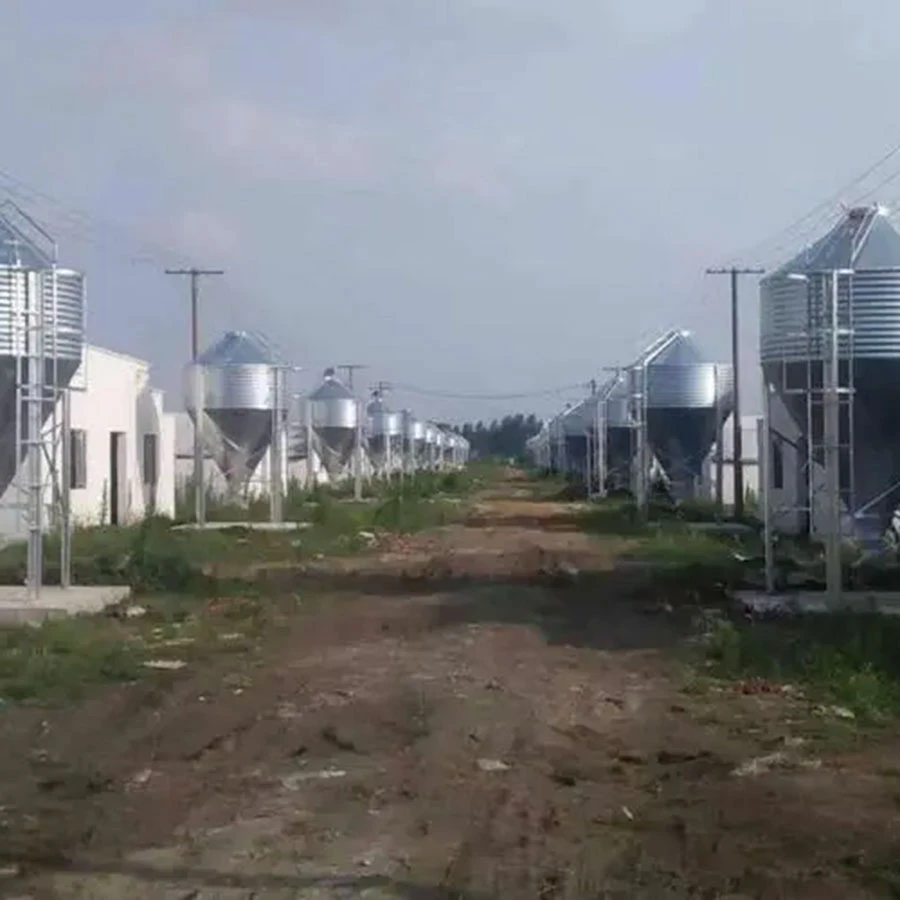
Oddly enough, these bins pop up in some surprisingly diverse locations and industries. In rural Australia, they store grain near remote cattle stations. In Eastern Europe, commercial pig farms rely on them to manage massive feed quantities efficiently.
During post-disaster relief efforts — say after floods or droughts — humanitarian organizations deploy these bins to protect feed supplies critical for rebuilding livestock herds. The galvanized feed storage bins are durable enough to survive tough transport conditions and offer peace of mind.
| Feature | Specification |
|---|---|
| Material | Galvanized steel (Zn coating ~275 g/m²) |
| Capacity | 5,000 to 10,000 kg |
| Dimensions (HxD) | 3 m x 2 m (approx.) |
| Ventilation | Adjustable vents with insect screens |
| Access | Sliding hatch & bottom outlet |
| Estimated Lifespan | 15+ years under normal use |
Comparing Leading Galvanized Feed Storage Bin Vendors
Choosing the right supplier can feel overwhelming. To help, here’s a rough comparison of three notable manufacturers, focusing on cost, durability, and customization.
| Vendor | Starting Price (USD) | Customization Options | Warranty | Lead Time |
|---|---|---|---|---|
| AgriStore Inc. | $2,500 | Sizes, vents, hatches | 10 years | 6 weeks |
| SteelBin Solutions | $3,200 | Full custom design | 15 years | 8 weeks |
| FeedSafe Gear | $2,200 | Standard models only | 7 years | 4 weeks |
Why These Bins Make Long-Term Sense
When you buy galvanized feed storage bins, you’re not just buying a simple container — you’re investing in the integrity of your entire supply chain. Lower spoilage means less waste, less money thrown away, and healthier livestock.
Furthermore, the durability and rust resistance bring peace of mind: no more frequent replacements or flaky paint jobs. Socially, they also promote safer farm environments by limiting animal exposure to contaminated feed, which frankly matters more than we often say out loud.
Emotionally, knowing your animals’ feed is secure—especially when weather and pests can be unpredictable—brings a quiet confidence every farmer appreciates.
Looking Ahead: Innovations for the Future
With the industry leaning into sustainable farming, manufacturers are experimenting with galvanized blends that incorporate eco-friendly coatings and enhanced recyclability. Some bins now feature sensor integrations for real-time monitoring of temperature and humidity, helping farmers tweak storage conditions without guesswork.
Automation is creeping in, too—a feed bin that alerts you when supplies run low or need inspection? That’s no longer sci-fi.
Energy-efficient solar-powered aeration systems that maintain optimal ventilation during heatwaves are also starting to appear in pilot programs, tying the humble galvanized bin to the green energy revolution.
Challenges and Practical Solutions
Not every solution is perfect. Some users report initial corrosion spots if galvanized coatings are scratched during rough handling. Others find the upfront costs a stretch for small-scale operations.
The good news? Protective powder coatings or polymer laminates are becoming affordable add-ons that reduce damage risk. Leasing programs and cooperative purchasing make acquisition easier for smaller farmers.
Regular inspection and proper installation techniques—like using rubber gaskets and avoiding direct ground contact—also dramatically extend useful life.
Frequently Asked Questions About Galvanized Feed Storage Bins
Q: How long do galvanized feed storage bins typically last?
A: When properly maintained, these bins can last anywhere from 15 to 20 years or more. Factors such as climate, handling, and coating thickness impact longevity.
Q: Can these bins be used for different types of animal feed?
A: Absolutely. They’re versatile enough for grains, pellets, and even loose fodder. Some models offer adjustable airflow for specific feed types.
Q: Are galvanized bins suitable for outdoor storage?
A: Yes, that’s one of their main advantages. The galvanization protects from moisture and rust, making them excellent for outdoor use even in humid or rainy climates.
Q: What maintenance is required to keep bins in good condition?
A: Regular cleaning, checking for damage or corrosion spots, and ensuring proper ventilation keep feed quality high and bins performing well.
Q: How can small farmers afford galvanized bins without breaking the bank?
A: There are financing options, leasing programs, and sometimes government grants focused on agricultural infrastructure. Also, buying cooperatively can reduce costs.
Conclusion: Investing in Galvanized Feed Storage Bins for Sustainable Farming
It’s hard to overstate the value galvanized feed storage bins bring to livestock operations worldwide. From reducing waste to safeguarding feed quality and enabling smart, scalable storage, they’re a quiet hero in modern agriculture’s story.
If you’re ready to upgrade your feed storage, visit our website and explore the options that could fit your farm’s future.
Mini takeaway: Galvanized feed storage bins blend durability, cost efficiency, and adaptability to solve one of agriculture’s oldest problems—feeding livestock safely and reliably.
References:
1. FAO Livestock Sector Overview
2. Wikipedia - Galvanization
3. ISO Agricultural equipment standards
Post time: Dec . 02, 2025