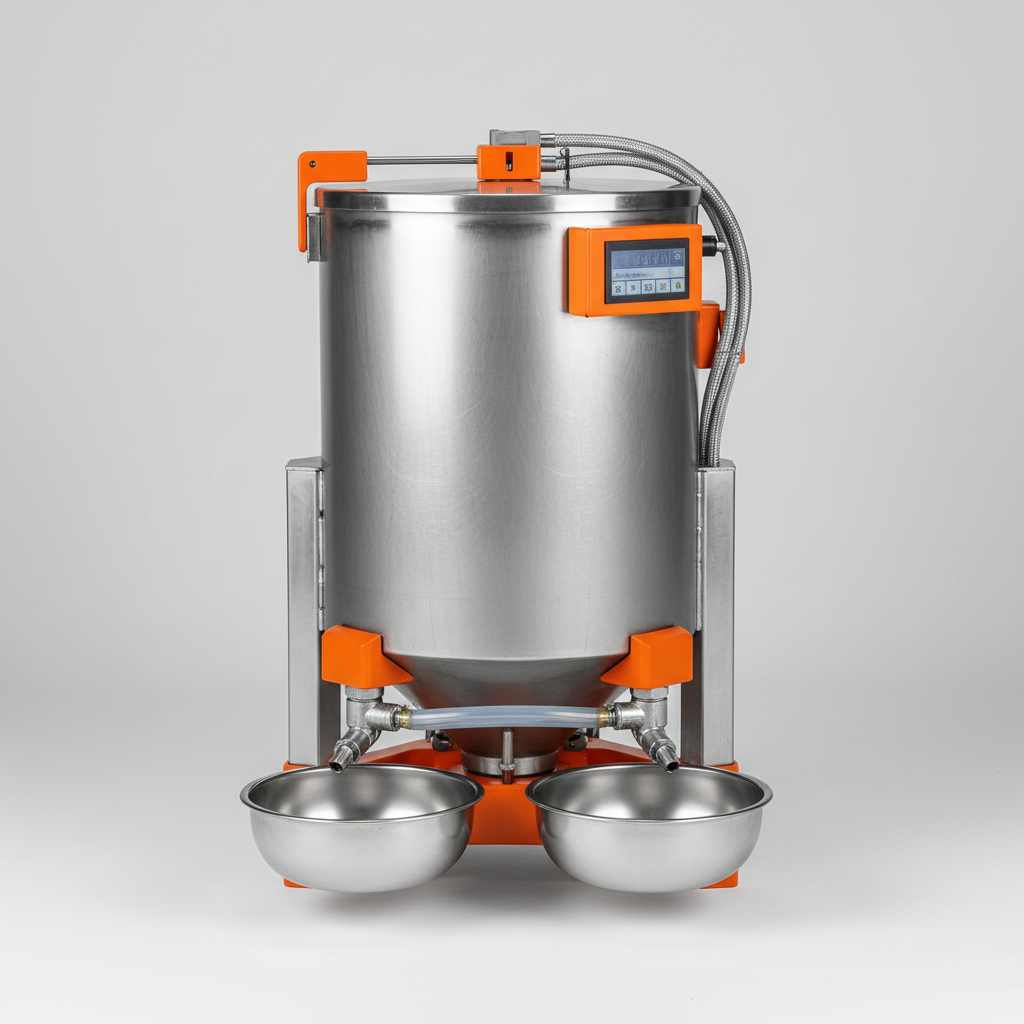
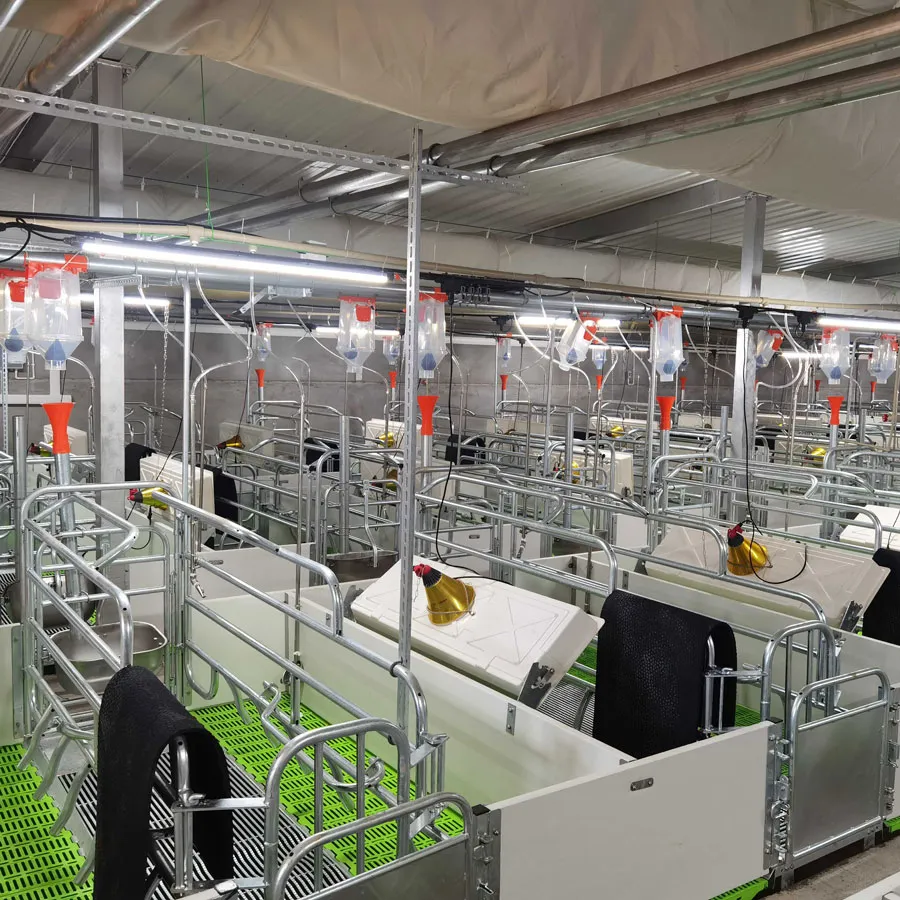
Understanding Galvanized Hog Water Tanks: Why They Matter Globally
If you’re involved in livestock management or agricultural operations, you’ve probably heard of galvanized hog water tanks. At first glance, it might sound niche, but these tanks play a surprisingly critical role worldwide—especially where sustainable animal husbandry and efficient resource management matter most. Globally, water scarcity and livestock welfare are pressing issues. Farmers need durable, reliable troughs that resist corrosion and contamination, and that’s where galvanized hog water tanks come in. They help ensure hogs have clean, constant access to water, boosting health, growth, and farm productivity. Besides improving livestock welfare, their durability cuts down on waste and costs, making water management more efficient and environmentally friendly. Mini takeaway: Galvanized hog water tanks may seem like simple equipment, but globally, they support sustainable livestock care and efficient water use—both essential for food security and rural livelihoods.The Bigger Picture: Why Galvanized Hog Water Tanks Matter Today
Around the world, livestock farming feeds billions. According to the UN Food and Agriculture Organization, pigs constitute roughly 40% of global meat consumption. That’s a lot of hogs depending on clean water—water that is often scarce or compromised. Enter galvanized hog water tanks, designed precisely to address water distribution challenges on farms big and small. Yet, farmers face tough challenges: unexpected rust, water contamination, and tanks that fail under harsh weather or handling. Especially in regions with humid climates or acidic soils, regular tanks corrode quickly, risking animal health and forcing costly replacements. The galvanized coating—a zinc layer bonded to steel—protects tanks against these problems, ensuring longevity and safety. So, in real terms, these tanks support food security by helping maintain healthy livestock with reliable hydration. That’s why NGOs and rural development programs increasingly fund galvanized solutions in their agricultural projects. Mini takeaway: Galvanized hog water tanks solve practical problems related to durability and sanitation, which are vital to feeding a growing global population sustainably.What Exactly Are Galvanized Hog Water Tanks?
To put it simply: these are water storage and dispensing containers specially designed for hogs and other swine, built from steel coated through galvanization. Think of them as rugged, rust-resistant troughs that farmers fill with fresh water daily or connect to automatic waterers. The “galvanized” part means a protective zinc coating shields the steel from oxidation—a common cause of tank deterioration. This protection ensures the tank lasts longer in outdoor environments. The “hog water tank” designation means the size and shape suit hogs’ drinking habits, often featuring fittings for float valves or plumbing. Modern farming increasingly relies on durable tools like these. They’re connected closely to animal welfare standards, farming efficiency, and even climate resilience—in other words, a modest but crucial piece of 21st-century agriculture. Mini takeaway: Galvanized hog water tanks are simply galvanized steel troughs built sturdily to deliver clean water to hogs, aligning with modern farming needs.The Core Components and Features That Make Them Tick
Durability
Galvanization, the zinc coating process, is key. It protects tanks from rusting over years, even when exposed to rain, manure, or acidic conditions common in hog pens. Many manufacturers offer tanks coated up to 85 microns thick, which is about the weight of five grains of sand stacked together—pretty impressive protection.Capacity & Size Variety
These tanks come in various sizes, from small 25-gallon models suitable for a dozen hogs to massive 200-gallon or larger tanks for industrial farms. Choosing the right size affects refill frequency, workflow efficiency, and water wastage.Cost Efficiency
While galvanized tanks might cost a bit more upfront than plastic alternatives, their service life doubles or triples. Over time, this reduces replacement frequency and saves money. Plus, their sturdy design reduces water spillage, meaning lower water bills.Ease of Cleaning & Maintenance
Smooth galvanized surfaces resist algae buildup better than raw steel. Tanks with rounded corners and drain plugs simplify cleaning processes—a must for avoiding bacterial growth.Compatibility with Automated Systems
Many galvanized hog water tanks are designed with fittings for automatic float valves or water timers, helping farms automate water supply and freeing up time for farmers. Mini takeaway: Durability, size range, cost savings, and maintenance ease combine to make galvanized hog water tanks a smart, practical choice on any hog operation—from family farms to big agri-business.Real-World Applications: Who Uses These Tanks and Why?
In North America, industrial hog farms use galvanized water tanks extensively, combining them with fully automated watering lines to keep thousands of hogs hydrated with minimal manual labor. In developing countries, rural farmers benefit by installing these tanks to ensure constant access during dry seasons, supporting animal health and avoiding costly veterinary bills. There’s even a humanitarian angle: in post-disaster scenarios where rebuilding livestock farms is essential for community recovery, galvanized tanks are valued for rapid deployment and durability. Additionally, organizations like the Food and Agriculture Organization (FAO) have included galvanized troughs in their best practices for sustainable pig breeding projects. Oddly enough, some hobby farms and small-scale organic operations prefer galvanized tanks over plastic, citing improved longevity and perception of quality—even if environmentally both have pros and cons. Mini takeaway: From commercial farms in Iowa to village herds in Southeast Asia, galvanized hog water tanks serve a diverse, critical range of users focused on animal welfare and operational resilience.Why Choosing Galvanized Tanks Pays Off Long-Term
Cost savings is the obvious one: longer-lasting tanks mean fewer replacements, less downtime, and reduced labor. But there’s also the social impact: clean water access promotes healthier hogs, which translates into better meat quality and farm incomes. There’s a safety angle, too—rust and corrosion can contaminate animal water, spreading disease. A galvanized tank reduces this risk drastically, protecting animals and, indirectly, people who consume that meat. Then, there’s sustainability. With farm equipment often treated as disposable, galvanized options encourage reuse and decrease plastic waste. Couples with energy-efficient water systems, their use fits neatly into greener farm planning. If you’re a farmer, it’s reassuring—it feels like investing in trust, knowing your herd is cared for properly, plus innovation that frees precious time for other tasks. Mini takeaway: Galvanized hog water tanks pay off financially, foster animal health, and contribute to sustainable farming—combining logic with peace of mind.Looking Ahead: Innovations Shaping the Future of Hog Water Tanks
Material science is advancing: some vendors now add polymer coatings over galvanized steel to extend lifespan further or integrate antimicrobial compounds to prevent bacterial growth entirely. Digital integration is on the horizon, too. Automated watering setups tied to IoT sensors can monitor water quality, volume, and temperature remotely—allowing farmers to react before problems escalate. Environmental regulations also spur innovation, with manufacturers exploring greener zinc application methods and recycling old tanks to reduce environmental impact. In the not-so-distant future, farms might use solar-powered water pumping combined with self-cleaning galvanized tanks—those sorts of combo improvements can reshape even this humble piece of farm equipment. Mini takeaway: Expect smarter, cleaner, and greener galvanized hog water tanks, blending tech and sustainability in ways few imagined a decade ago.Challenges & How the Industry Is Addressing Them
No product is flawless. Some concerns around galvanized tanks include the initial cost barrier for small farmers and the fact that zinc can leach into water if the coating wears improperly, requiring regular inspection. Also, damaged coatings can accelerate rust if unnoticed. To fix this, experts advise regular cleaning and visual inspection—simple yet often overlooked steps. Innovations such as powder coatings over galvanized steel or better quality control during manufacturing are helping reduce these issues. Additionally, training programs by agricultural extension services teach farmers tank maintenance to maximize lifespan. At the end of the day, using galvanized tanks wisely means recognizing both their strengths and where care is needed. Mini takeaway: Challenges exist, but smart maintenance and tech advances continue to bridge gaps and enhance galvanized tank reliability.FAQ: Your Common Questions About Galvanized Hog Water Tanks
Q1: How long do galvanized hog water tanks usually last on a farm?A: Typically, these tanks last 10 to 15 years under regular use, thanks to their zinc coating that protects against rust and corrosion. Proper cleaning and maintenance can extend their life further.
Q2: Are galvanized hog water tanks safe for animal consumption?
A: Yes, as long as the galvanization is intact and the tank is regularly cleaned. The zinc coating prevents rust, reducing contaminants in drinking water. However, damaged tanks should be repaired promptly to avoid contamination.
Q3: Can these tanks be connected to automatic watering systems?
A: Absolutely. Many galvanized tanks come pre-fitted or with compatible fittings for float valves and automated watering systems, which improve convenience and water efficiency on farms.
Q4: What maintenance is required to keep galvanized tanks in good shape?
A: Regular cleaning to remove algae and debris is essential. Also, inspect coatings for chips or rust spots and repair small areas promptly to prevent bigger corrosion issues.
Q5: How do galvanized tanks compare to plastic ones regarding environmental impact?
A: Galvanized steel tanks are more durable and recyclable, often outlasting plastic. Plastic tanks use less energy to produce but may end up as waste sooner. Choosing depends on priorities like longevity versus initial cost.
Product Specification Table: Typical Galvanized Hog Water Tanks
| Model | Capacity (Gallons) | Material Thickness | Coating Thickness (microns) | Dimensions (L×W×H, inches) |
|---|---|---|---|---|
| GHWT-25 | 25 | 18 gauge (1.2 mm) | 70 | 30×18×12 |
| GHWT-75 | 75 | 16 gauge (1.5 mm) | 85 | 48×24×18 |
| GHWT-150 | 150 | 14 gauge (1.9 mm) | 90 | 60×30×24 |
Vendor Comparison: Leading Galvanized Hog Water Tank Suppliers
| Vendor | Coating Quality | Price Range | Customization Options | Lead Time |
|---|---|---|---|---|
| TankMasters Inc. | Heavy Zinc, 90 microns | $$$ | Size, fittings, color | 3-4 weeks |
| AgriTroughs Ltd. | Medium Zinc, 75 microns | $$ | Color, valve types | 2-3 weeks |
| FarmFlow Solutions | Light Zinc, 60 microns | $ | Standard models only | 1-2 weeks |
Wrapping It Up: Why Galvanized Hog Water Tanks Are Worth Considering
When all’s said and done, investing in galvanized hog water tanks isn’t just throwing money at “another farm gadget.” It’s a pragmatic, well-rounded decision that aligns with modern agricultural demands—durability, animal health, cost-effectiveness, and environmental awareness. Whether you manage a family farm or a sprawling commercial operation, these tanks stand as reliable workhorses. If you want to explore reliable options or upgrade your current setup, head over to galvanized hog water tanks for trusted products and expert advice. Mini takeaway: Galvanized hog water tanks remain a staple for sustainable, efficient hog hydration and farming success—a simple solution with big ripple effects.References & Further Information
Post time: Dec . 02, 2025