Understanding Hog Barn Flooring: More Than Just a Stable Foundation
If you’ve ever walked into a modern hog barn, you probably haven’t given much thought to the floor beneath your feet. But hog barn flooring is a surprisingly crucial component in pig farming – affecting everything from animal health to operational efficiency. Globally, as pork production scales to meet growing demand, understanding the role of quality flooring systems is more than a niche topic; it’s a cornerstone in creating sustainable, ethical, and cost-effective livestock environments.
Why does this matter on a global scale? According to the Food and Agriculture Organization of the United Nations (FAO), pork accounts for nearly 40% of all meat consumed worldwide. Yet, many producers face challenges in maintaining hygiene and welfare standards in their barns. That’s where optimal hog barn flooring steps in — it can mitigate disease, reduce environmental impact, and improve animal comfort. Learning about these floors isn’t just for contractors or farmers but increasingly for anyone interested in sustainable agriculture or food production.
The Global Context: Why Hog Barn Flooring Is a Growing Concern
Globally, the hog farming sector is evolving fast. With the world population predicted to hit nearly 9.8 billion by 2050 (UN DESA data), demand for protein sources like pork is surging. At the same time, there is increasing pressure to adopt sustainable practices. The World Bank notes that improper manure management is a leading cause of water pollution in rural areas, often traced back to poorly designed barn floors. Hence, the global agricultural community is actively searching for better flooring solutions that support animal welfare while minimizing environmental footprint everywhere from the U.S. Midwest to Asia-Pacific pork hubs.
But it’s not just about environmental impact. Producers also face ongoing issues like frequent cleaning, floor durability, animal comfort, and operational costs. A poorly designed hog barn floor can quickly escalate costs and health risks, whereas a well-engineered solution boosts productivity and welfare. With this overview in mind, let’s break down what exactly these floors are all about.
What Is Hog Barn Flooring, Anyway?
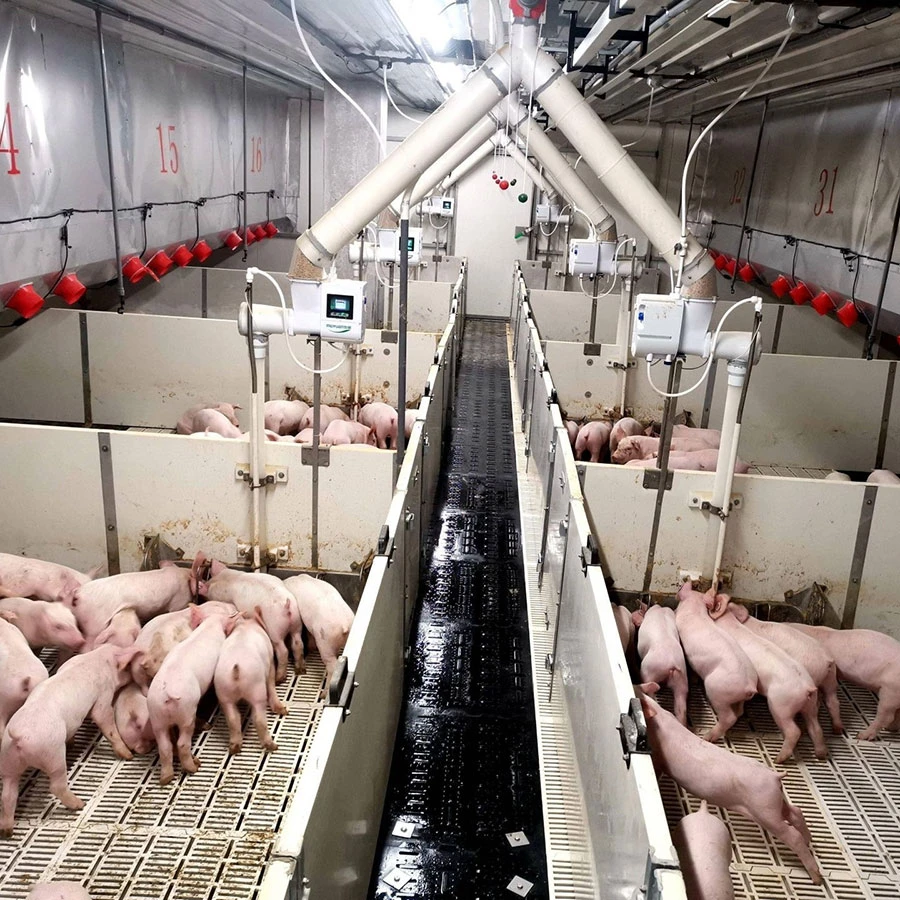
In the simplest terms, hog barn flooring refers to the structural surface on which pigs live, move, and rest inside a hog barn. These floors are specially designed to address the unique needs of pig housing environments — managing moisture, waste, comfort, and durability simultaneously. Think of them as the uncelebrated workhorses of a barn, bearing the day-to-day brunt of thousands of hooves, slurries, and cleaning cycles.
Modern hog barn floors vary widely in materials and design, from traditional concrete slats to newer plastic composites. The choice usually depends on factors like farm size, climate, and budget, but at its core, hog barn flooring is intimately tied to modern food safety regulations and advancing animal welfare standards globally.
Key Components That Make Hog Barn Flooring Work
1. Durability
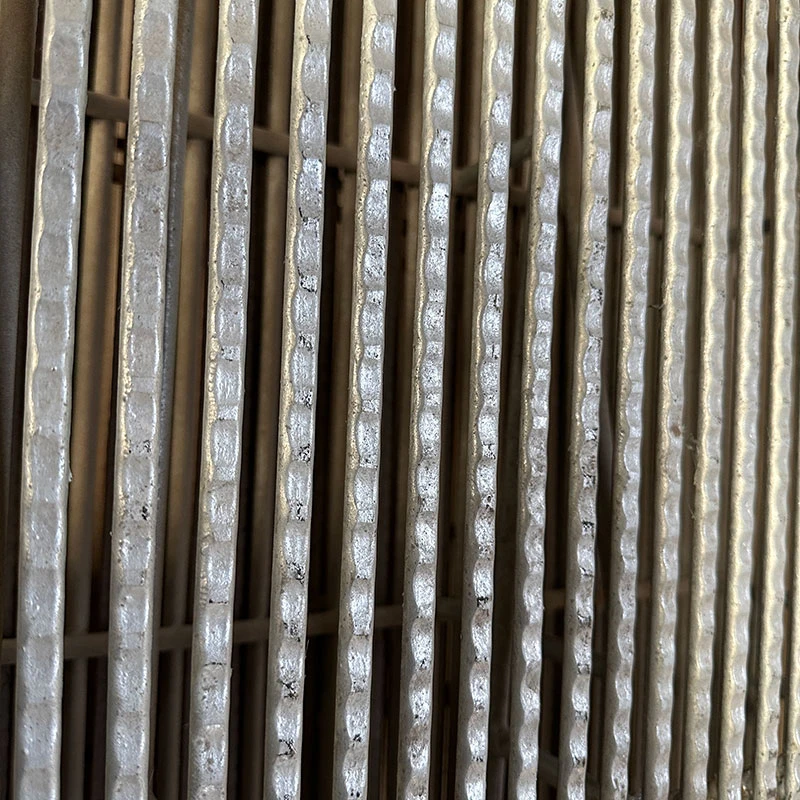
Pigs aren’t gentle creatures — they dig, weigh a lot, and need flooring that withstands the test of time. Concrete reinforced with fibers or polymers often offers high durability. The floor must resist cracking and surface wear despite harsh cleaning chemicals and heavy usage. Many engineers note that durability directly impacts maintenance cycles and total cost of ownership.
2. Waste Management
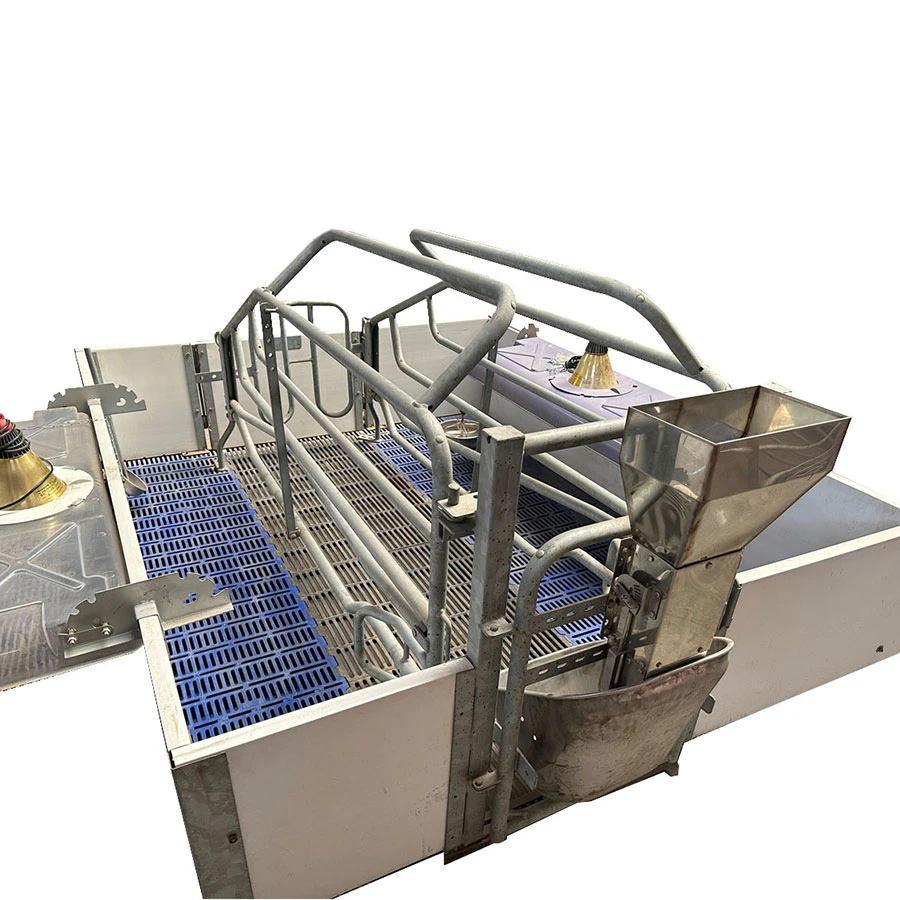
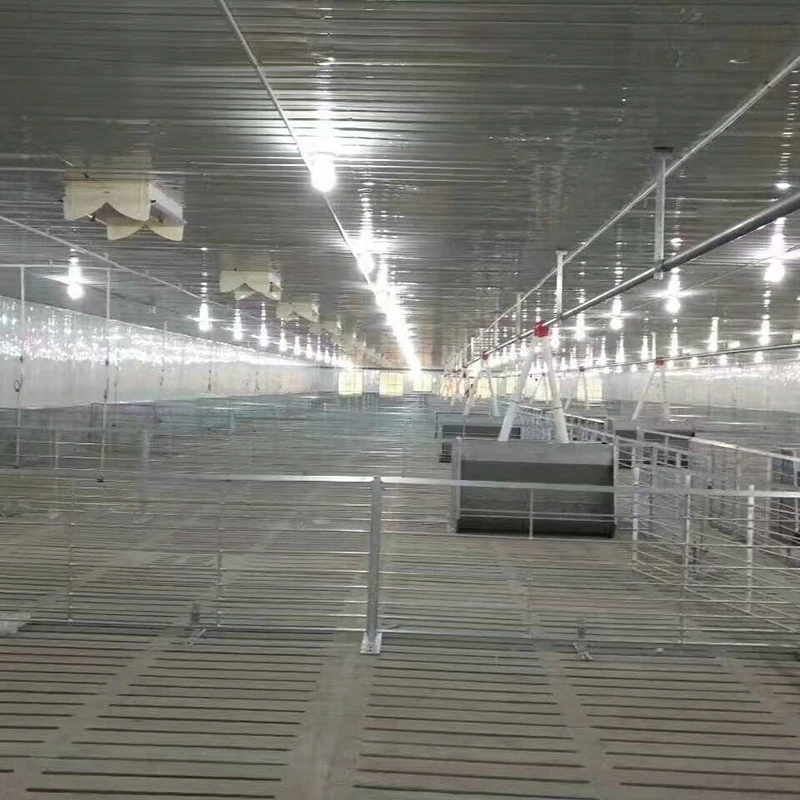
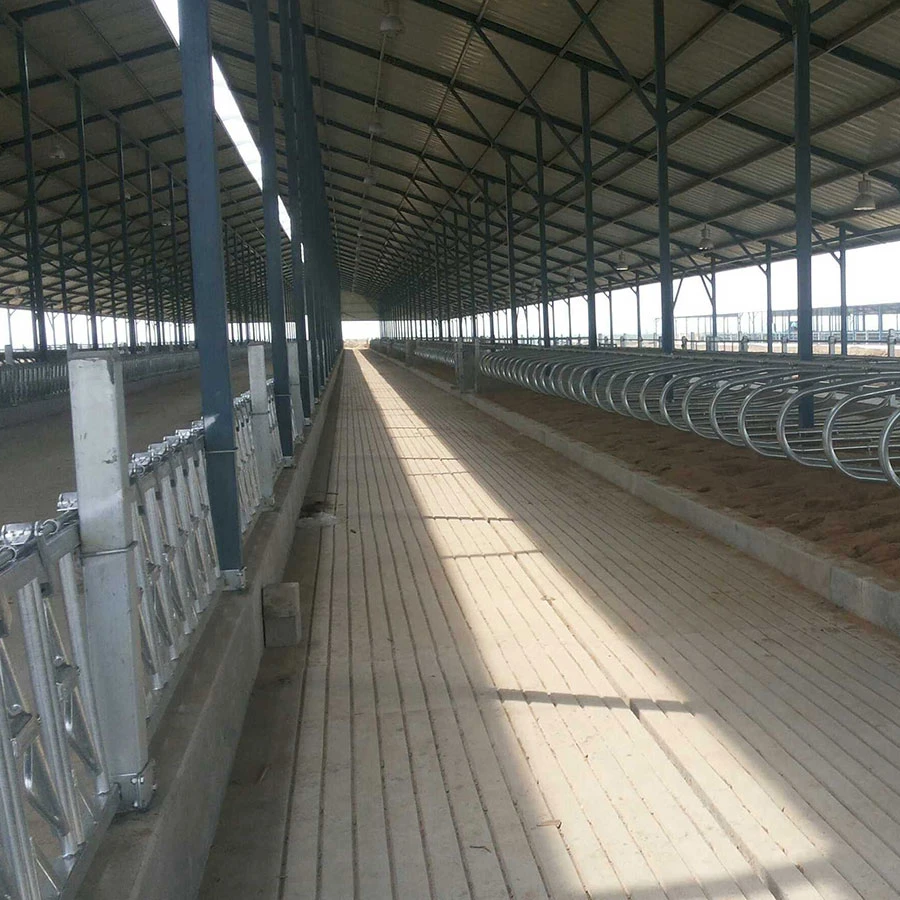
Efficient drainage or slatted floors that allow manure to fall through are essential. This helps keep pigs dry and reduces ammonia emissions — a major welfare and environmental concern. Some floors include integrated manure channels or slats designed to promote air circulation and hygienic conditions.
3. Comfort and Safety
Hard, rough floors may cause injuries or sores. Flooring systems now increasingly feature textured surfaces or softer composites to reduce stress on pigs’ joints and hooves. This results in healthier livestock and better growth rates.
4. Cost Efficiency
The initial installation costs and ongoing maintenance budgets are significant factors for farm owners. Balancing upfront investment with long-term performance is a challenge that many face. As you might expect, cheaper floors often cost more over time — a classic penny-wise, pound-foolish scenario.
5. Environmental Sustainability
From locally sourced materials to designs that reduce water usage during cleaning, sustainability is increasingly baked into product specs. Some floors are made from recycled plastics or incorporate permeable technology to manage waste runoff better.
Mini takeaway:
Choosing the right hog barn flooring is like picking a foundation for a house—it impacts everything, from health to profit margins and the environment.
How Hog Barn Flooring Gets Used Around the World
Different regions bring unique demands. In Europe, strict welfare laws push for flooring designs that prioritize animal comfort and environmental impact, often favoring partially slatted concrete with soft overlays. Meanwhile, in China and Brazil — two of the largest pork producers — scale and cost dominate considerations, with a focus on durable, easily cleaned concrete floors.
In post-disaster relief farming, such as in Southeast Asia, modular and quickly installed flooring systems allow farmers to rebuild pig housing swiftly, protecting their livelihoods. In some remote industrial zones, specialized flooring resistant to extreme temperatures helps maintain stable production despite harsh climates.
Product Specification Table: Common Hog Barn Floor Types
| Floor Type | Material | Typical Cost (per sqm) | Durability (Years) | Drainage | Comfort Level |
|---|---|---|---|---|---|
| Concrete Slatted | Concrete with steel reinforcement | $20 - $30 | 15 - 20 | Excellent | Medium |
| Plastic Slatted | High-density polyethylene (HDPE) | $40 - $50 | 10 - 15 | Good | High |
| Solid Concrete with Rubber Mats | Concrete plus rubber overlay | $35 - $45 | 12 - 18 | Moderate | Very High |
Advantages & Long-Term Value of Quality Hog Barn Flooring
Investing in high-quality hog barn flooring isn’t just about ticking a box — the long-term benefits ripple out in expected and unexpected ways. Operators report that better flooring reduces veterinary costs thanks to fewer injuries and infections. Cleaner surfaces mean less odor and better air quality, improving worker conditions and animal welfare. In terms of sustainability, reducing waste runoff helps protect local water supplies, tying into broader environmental commitments.
Emotionally, it feels better to know your animals are on comfortable, safe ground, and logically it makes financial sense over a barn’s lifecycle. Many producers I spoke with said switching to composite or rubber-infused floors was a “game-changer” for day-to-day operations.
Vendor Comparison: Hog Barn Flooring Solutions
| Vendor | Floor Types Offered | Price Range | Warranty | Sustainability Focus |
|---|---|---|---|---|
| FarmFloors USA | Concrete, Plastic Slats | $15-$40 per sqm | 10 years | Moderate |
| GreenPig Technologies | Recycled Plastic, Rubber Mats | $30-$55 per sqm | 15 years | High |
| AgriFloor Solutions | Concrete Slats, Composite | $20-$45 per sqm | 12 years | Moderate |
What’s Next? Innovations and Trends in Hog Barn Flooring
Looking ahead, several exciting trends are shaping the future of hog barn flooring. Sustainable materials like bioplastics and recycled rubber are gaining traction, helping farms reduce their carbon footprint. Digital sensors embedded into floors can now monitor moisture levels and animal movement, feeding data directly to farm management systems to optimize cleaning schedules or detect health issues earlier — a neat example of precision livestock farming.
Automation is also on the rise, with self-cleaning floor components that reduce labor and boost hygiene. And policy-wise, governments are tightening regulations on animal welfare and environmental impact, pushing farms to upgrade floors accordingly. It’s clear hog barn flooring is evolving from a simple building feature to a high-tech cornerstone of modern livestock farming.
Challenges and How the Industry Is Tackling Them
Of course, it’s not all smooth sailing. Concrete floors are heavy and less adaptable, plastic can be costly upfront, and installing new floors in crowded barns disrupts operations. Moreover, balancing cost versus sustainability remains a challenge for smaller producers who lack the capital to invest in cutting-edge flooring technology.
Experts suggest modular flooring panels to speed installations, partnerships with material scientists to develop longer-lasting composites, and government subsidies to support sustainable upgrades. In practice, farms combining innovation with local know-how tend to navigate challenges best.
FAQ: Your Common Questions on Hog Barn Flooring
- Q: How often should hog barn flooring be replaced?
A: Replacement frequency depends on material and usage. Concrete floors can last 15-20 years if maintained well, while plastic or composite floors may require replacement after 10-15 years. Regular inspections and timely repairs extend longevity. - Q: What flooring type is best for animal welfare?
A: Floors with softer surfaces, such as concrete combined with rubber mats or high-quality plastic slats, tend to improve comfort and reduce injury risks. - Q: Can hog barn flooring help reduce environmental pollution?
A: Yes, flooring designed for efficient drainage and waste separation can significantly reduce manure runoff, protecting soil and water. - Q: Are plastic floors cost-effective for small farms?
A: While plastic floors have higher upfront costs, their ease of cleaning and durability can make them cost-effective over time. However, small farms should plan carefully to balance budget and benefits. - Q: How does climate affect flooring choice?
A: In hot or wet climates, floors with better drainage and materials resistant to heat or humidity provide longevity and health benefits.
Wrapping Up: A Solid Foundation for Prosperity
It might sound simple at first glance, but hog barn flooring plays an outsized role in the success and sustainability of modern pig farming. From boosting animal welfare to reducing environmental impact, the right floor is a silent partner in every hog producer’s journey.
If you’re interested in exploring top-quality flooring solutions that combine durability, sustainability, and comfort — whether you run a small family farm or manage a large-scale operation — visit our latest offerings at https://www.cxlivestock.com. Because in the end, good flooring isn’t just a surface, it’s a platform for progress.
References
Post time: Dec . 02, 2025