The Rising Importance of PVC Slatted Floors in Modern Industry
In today’s world, where efficiency meets sustainability, the PVC slatted floor is no longer just an industrial footnote. It’s a silent workhorse, playing an essential role in everything from livestock management to waste handling, and even human hygiene solutions. Oddly enough, something as seemingly mundane as a PVC slatted floor has widespread global impact, touching industries, ecological footprints, and social standards. Understanding its use and value isn’t just for engineers or facility managers; it paints a clearer picture of resourceful, modern design that many sectors rely on.
Why does it matter so much? Because as industries push toward cleaner, more sustainable, and cost-efficient operations, the PVC slatted floor innovation helps tackle persistent problems: waste accumulation, hygiene control, and space optimization—which can have a cascading effect on worker safety, product quality, and environmental regulations.
Mini takeaway: Beneath your feet, beneath livestock hooves, and beneath processing plants, PVC slatted floors are quietly catalyzing progress toward sustainability and operational efficiency worldwide.
Introduction: Global Context and Urgency of PVC Slatted Floors
Globally, the demand for durable, hygienic, and scalable flooring solutions is rising rapidly. According to the World Health Organization, sanitation and hygiene hold key stakes in public health. Meanwhile, the Food and Agriculture Organization (FAO) emphasizes improving livestock conditions—where PVC flooring plays a significant role.
It’s estimated that agricultural sectors alone waste millions yearly to outdated flooring that hampers waste management and animal welfare, especially in Europe and Asia where intensive farming is the norm. Industrial zones are also challenged by corrosion, chemical exposure, and heavy foot traffic. That’s where the PVC slatted floor enters, defining a modern solution.
However, challenges occur in deployment — many facilities struggle with longevity, easy cleaning, and eco-friendliness. Modern PVC innovations aim to redress those, promising not only durability but real-world scalability and adaptability.
What Exactly is a PVC Slatted Floor?
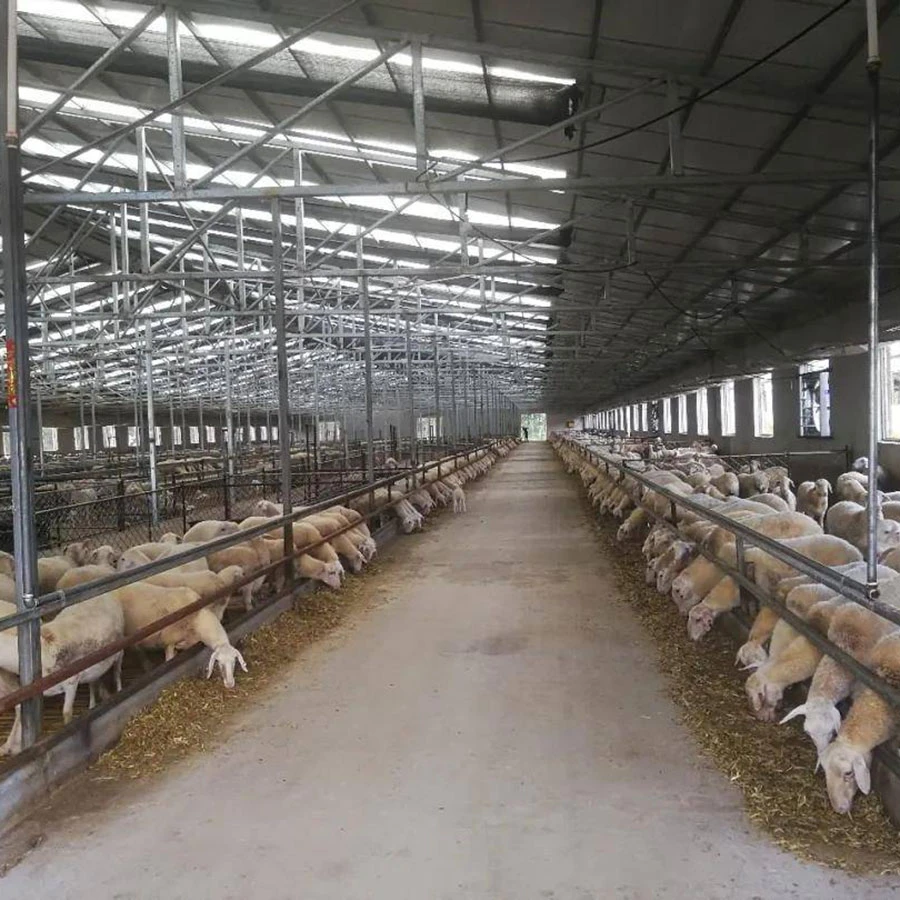
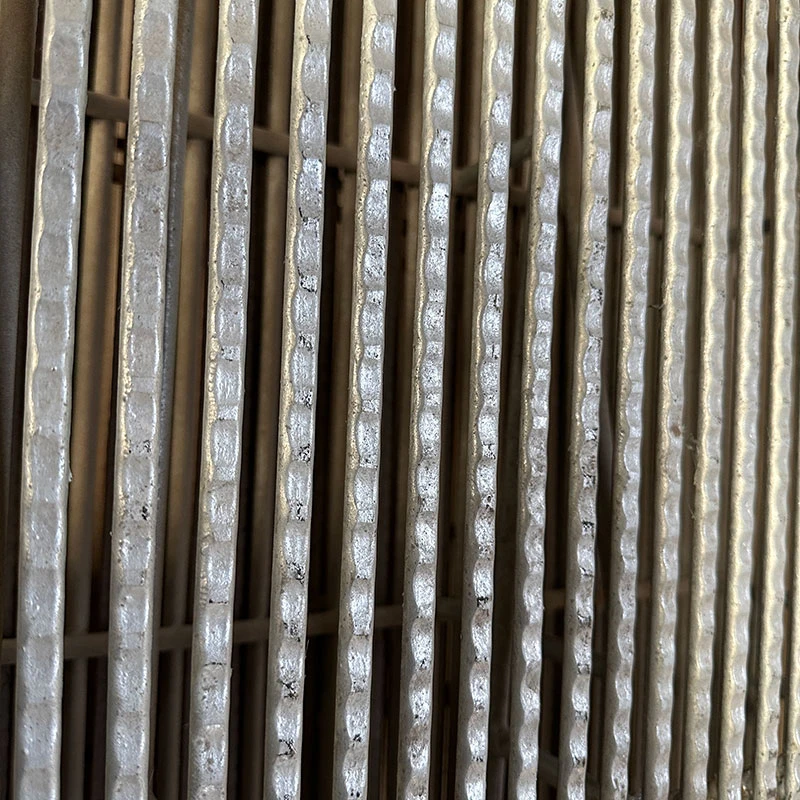
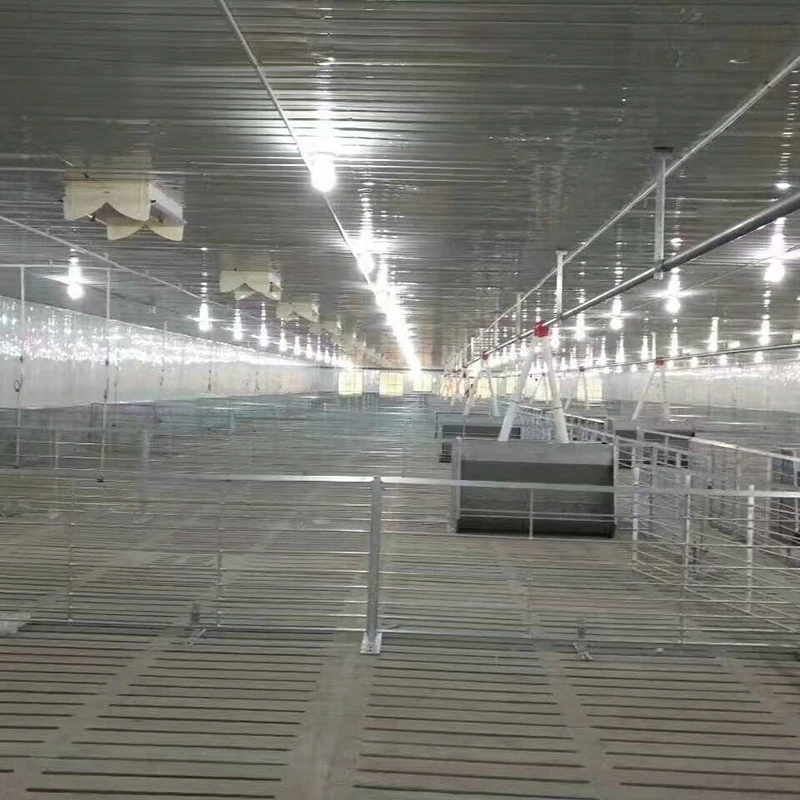
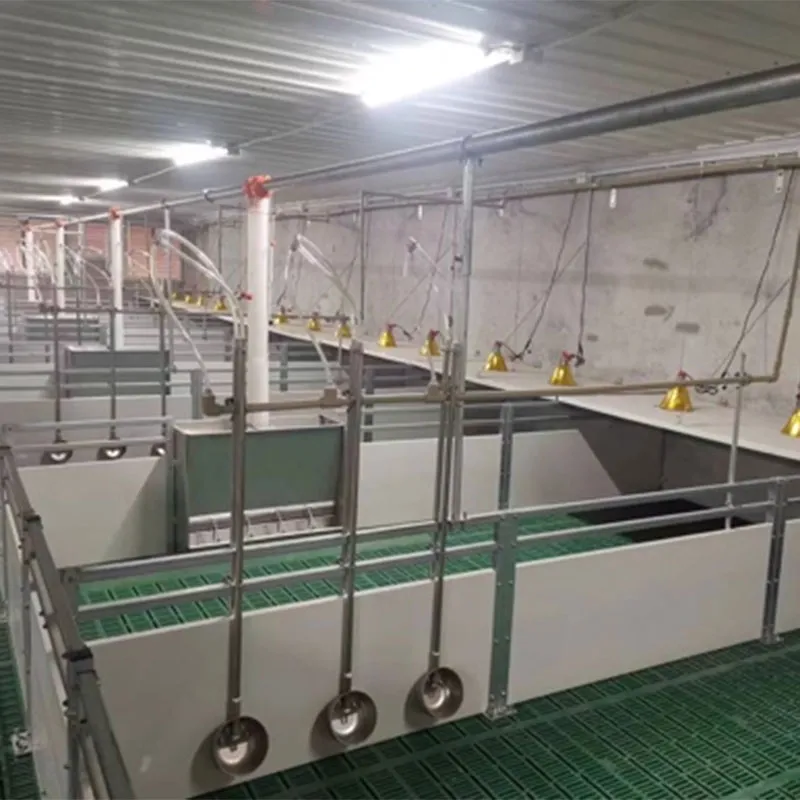
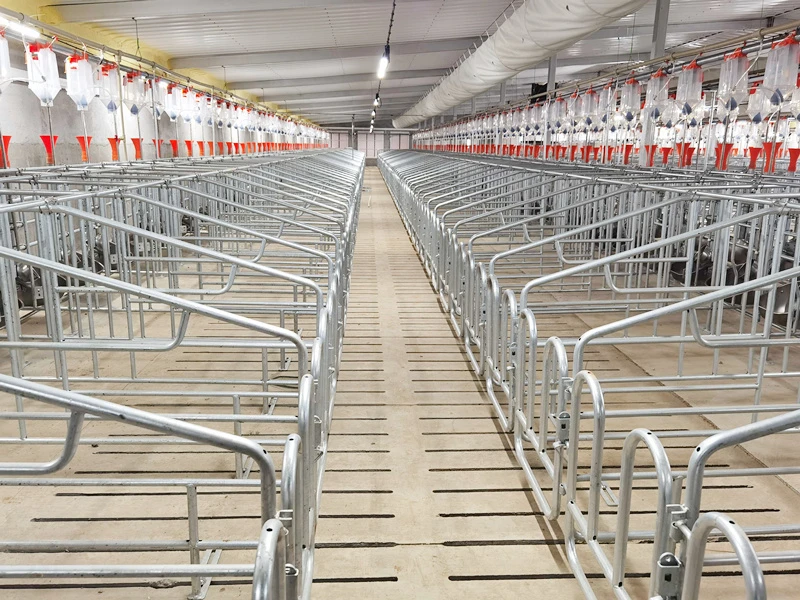
At its core, a PVC slatted floor is a modular system composed of polyvinyl chloride slats arranged with spaces between them. These gaps allow waste, liquids, and debris to fall through, keeping the surface cleaner, dryer, and safer. You’ll find these floors most commonly in livestock facilities (think pig and poultry houses) but also in industrial workshops and hygiene-sensitive zones.
One might liken it to a smart sieve that balances structural integrity with clever drainage—a far cry from traditional solid concrete floors that pool liquids and harbor bacteria.
In humanitarian contexts, these floors facilitate fast assembly of temporary shelters or sanitation units, where rapidly improving hygiene can prevent disease spread and promote dignity.
Mini takeaway: Simple construction, ingenious purpose — PVC slatted floors combine modular design with practical health and safety benefits.
Key Factors Behind PVC Slatted Floor Success
Durability
Made from high-quality PVC, these floors resist moisture, chemicals, and corrosion far better than wood or metal alternatives. Industry insiders appreciate that they maintain strength under heavy loads without cracking—very important in meat processing facilities or industrial plants.
Ease of Cleaning
The slatted design allows efficient drainage and waste removal, hugely simplifying cleaning protocols. Workers can wash away debris rapidly without worrying about trapped residues that could lead to contamination or slips.
Cost Efficiency
Though initial costs can be higher than simple concrete, the long-term savings from less maintenance, reduced disease incidence, and slower wear-and-tear make PVC options a smart investment.
Scalability and Modularity
Being modular means these floors can expand or be reconfigured as needs evolve — great for growing farms or dynamic operational layouts. No need to overhaul entire floors, just shift or add sections.
Sustainability
Recyclable PVC options and improved manufacturing processes decrease environmental footprints. Innovations like UV stabilizers and anti-bacterial additives further raise the green credentials.
Mini takeaway: PVC slatted floors combine long-lasting materials, smart design, and smart spending into a package that fits diverse industries.
Global Applications & Use Cases
PVC slatted floors have made waves particularly in Europe’s robust livestock industry, often paired with automated manure removal systems for pigs and poultry. In North America, industrial plants have pushed adoption for chemical-resistant flooring.
In humanitarian efforts, NGOs deploy PVC slatted floor-based sanitation systems in refugee camps in Africa and Asia. These enable hygienic latrines and shower units, critical in disease prevention during crises.
In cold storage and food processing plants, the floors' non-absorbent qualities and ease of sanitizing minimize contamination risks, preserving both worker health and product quality.
Interestingly, some remote mining operations in Australia have started using modular PVC slatted floors in their camp areas—they cut down cleaning times significantly in dusty, wet conditions.
Advantages & Long-Term Value of PVC Slatted Floors
- Cost Savings: Less frequent repairs, fewer hygiene-related health incidents, and decreased labor for cleaning
- Safety: Reduced slips and falls thanks to better drainage and anti-slip surfaces
- Improved Animal Welfare: More comfortable, drier floors reduce infections and improve productivity
- Ecological Responsibility: Lower water use and plastics recycling potential
- Trust & Reputation: Facilities adopting better hygiene and sustainability standards tend to gain better regulatory trust and consumer confidence
It’s odd how something beneath our feet bears so much weight—literally and figuratively—in safety and success.
Future Trends & Innovations
Manufacturers are working on bio-based PVC composites to decrease reliance on petroleum, while incorporating antimicrobial additives to offset bacteria growth on the slats. Digital sensors embedded in floors could soon monitor cleanliness and wear in real-time, alerting maintenance teams early.
Additionally, aligning production with circular economy principles means PVC floors of tomorrow could be fully recyclable or decomposable without harmful residues.
Challenges & Solutions
Despite many advantages, PVC slatted floors aren’t perfect. Some users report initial costs can be a sticking point for small-scale farms or startups. Also, installation requires precise groundwork; otherwise, uneven surfaces reduce the drainage benefit.
Emerging solutions include lower-cost modular kits and user-friendly training programs. Some engineers combine PVC slatted floors with pre-fabricated subfloors to speed up installation and improve leveling.
FAQ: Common Questions About PVC Slatted Floors
- How long does a PVC slatted floor typically last in a high-traffic industrial setting?
- With proper maintenance, PVC slatted floors can last between 10 to 15 years, depending on load and exposure conditions. Their resistance to corrosion and cracking helps extend life compared to wood or metal floors.
- Are PVC slatted floors suitable for outdoor use or only indoors?
- While primarily designed for indoor or sheltered facilities, some UV-stabilized PVC slatted floors are made for outdoor use. However, direct prolonged sunlight and harsh weather can degrade standard PVC without added protections.
- Can these floors improve animal health on farms?
- Absolutely. By allowing waste to drop through, PVC floors reduce floor moisture and bacteria buildup—key factors in lowering disease incidence and improving animal comfort.
- Is installation something facilities can manage without specialist contractors?
- Many modular PVC slatted floors are designed for relatively straightforward installation, but uneven floors or large-scale projects often require experienced contractors to ensure proper drainage and fit.
- What kind of recycling options exist for PVC slatted floors at end of life?
- Some manufacturers offer take-back programs or work with recyclers who repurpose PVC into new products, reducing landfill waste. It’s best to check specific policies with your vendor.
Product Specification Table: Popular PVC Slatted Floor Models
| Model | Slot Width | Material Thickness | Max Load Capacity | Installation Type |
|---|---|---|---|---|
| AgriFlex 200 | 12 mm | 20 mm | 1500 kg/m² | Bolt-down |
| CleanFlow X5 | 15 mm | 18 mm | 1200 kg/m² | Interlocking |
| Livestock Pro | 10 mm | 22 mm | 1800 kg/m² | Clip-in |
Vendor Comparison Table: Top PVC Slatted Floor Suppliers
| Supplier | Price Range | Warranty | Customization | Global Shipping |
|---|---|---|---|---|
| FloorsDirect Inc | $$$ | 15 years | High | Yes |
| AgriSlat Solutions | $$ | 10 years | Medium | Limited |
| EcoFloors Ltd | $ | 8 years | Low | Yes |
Final Thoughts
Looking back, the PVC slatted floor is more than just a product; it’s a cornerstone of evolving industrial and humanitarian infrastructure. The blend of cost-efficiency, durability, and sustainability means these floors will continue to underpin progress globally—whether in a farm in Denmark, a factory in the U.S., or an emergency settlement in Vietnam. For anyone aiming to improve hygiene, operational efficiency, and environmental impact, it’s definitely worth a closer look.
Curious to see how PVC slatted floors can fit your project? Visit our website at https://www.cxlivestock.com to explore options, specs, and expert advice.
References:
Post time: Dec . 02, 2025