Understanding Open Bar Grating: Why It's a Game Changer Worldwide
At first glance, open bar grating might seem like just a technical term for an industrial flooring or drainage solution, but it’s much more than that. Globally, it addresses pressing needs in construction, infrastructure, and safety — think everything from large-scale civil engineering projects to humanitarian relief camps. In essence, open bar grating is a versatile structural component that provides strength, durability, and essential ventilation or drainage through its open, slotted design.
Its importance is underscored by increasing urbanization, complex industrial requirements, and environmental challenges pushing innovation in how spaces are designed and secured. By understanding open bar grating, decision-makers can better appreciate its advantages in cost, safety, and sustainability — benefits that resonate well beyond factory walls and into everyday urban life.
The Global Perspective: Why Open Bar Grating Matters Now More Than Ever
Fast urban growth and infrastructure expansion mean open bar grating is showing up everywhere: bridges, walkways, drainage channels, and even temporary disaster relief shelters. According to the International Organization for Standardization (ISO 14122), gratings like these play a vital role in ensuring operational safety and compliance in workplaces and public environments.
Consider this: The UN reports that nearly 55% of the world’s population now lives in urban areas, increasing demand for resilient, adaptable public infrastructure. Open bar grating solves many challenges associated with high foot traffic, water drainage, and load distribution — especially in industrial and utility sectors where heavy loads and corrosive environments are the norms.
Yet, challenges remain. Poorly designed or subpar grating can cause safety hazards, reduce lifespan, or lead to costly maintenance. So it's not just about installing any grating, but choosing the right type tailored for specific needs.
What Exactly Is Open Bar Grating?
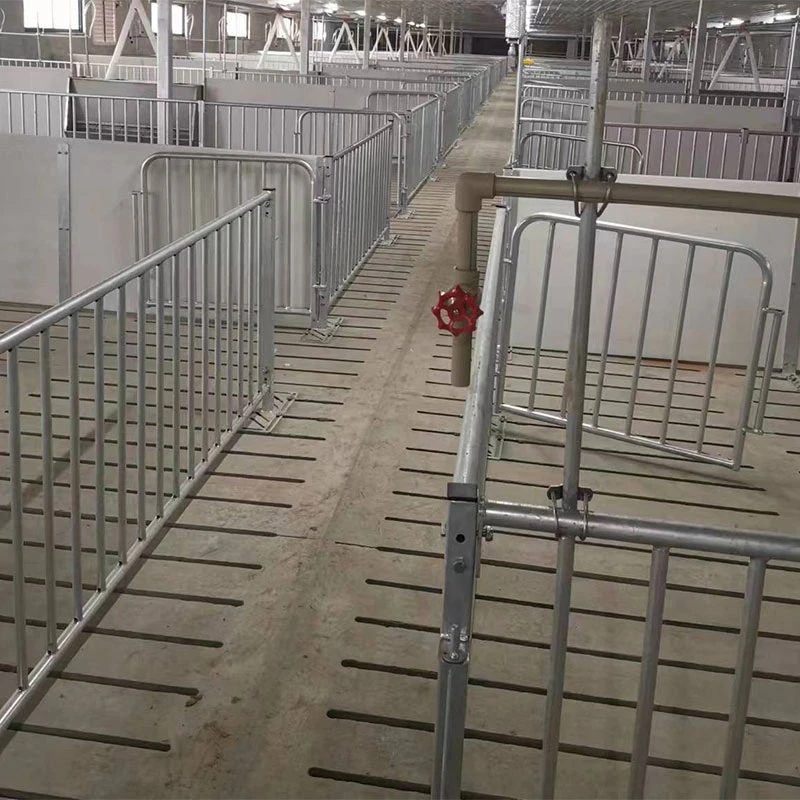
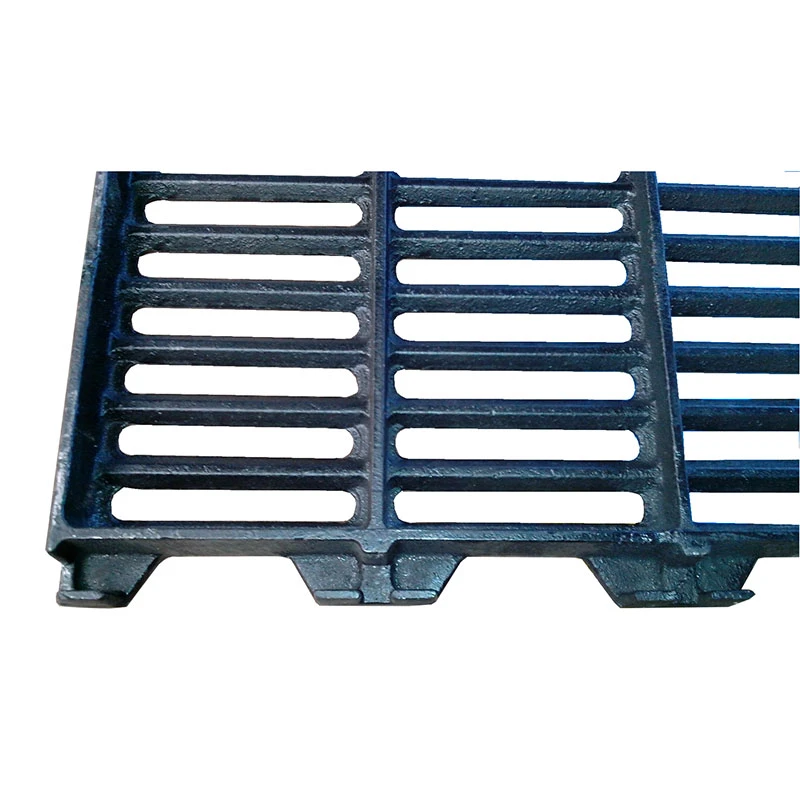
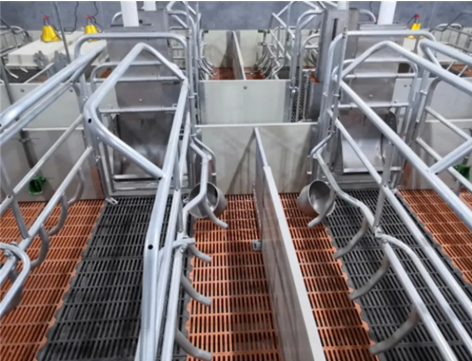
Simply put, open bar grating is a series of parallel metal bars spaced to allow liquids, debris, or even light to pass through, mounted on load-bearing crossbars or supports. Unlike solid flooring, it combines strength with breathability — an elegant solution for walkways, mezzanines, stair treads, and drainage covers.
The “open” aspect refers to the voids between bars, designed to balance strength with clearance. It’s this clever design that links it to critical industrial functions — like preventing water accumulation on factory floors or ensuring airflow in electrical installations.
Core Components That Define Open Bar Grating’s Performance
1. Durability
Manufactured commonly from steel (mild or stainless) or aluminum, durability is paramount. Corrosion resistance treatments or galvanized finishes help withstand harsh environments.
2. Load Bearing Capacity
Depending on thickness, bar spacing, and material, these gratings can support everything from pedestrian traffic to heavy machinery loads. I’ve seen specs range from a couple hundred kilos for light applications up to several tons per square meter.
3. Cost Efficiency
Compared to fully solid slabs or custom-made flooring, open bar grating is often more affordable, quicker to install, and easier to maintain. You reduce downtime, which counts for a lot in industrial settings.
4. Safety
The anti-slip surfaces, proper bar spacing to avoid toe or tool trapping, and fire-resistant materials add real-world safety benefits that regulations increasingly demand.
5. Versatility
Modular sizes, adjustable heights, and custom finishes allow the grating to fit a variety of applications — from heavy industry floors to pedestrian bridges.
6. Sustainability
Many vendors now use recycled steel or environmentally-responsible coatings, reflecting a wider industry shift toward greener construction materials.
Mini takeaway: The beauty of open bar grating lies in this combination of strength, safety, cost, and eco-friendliness — a trifecta any project manager would appreciate.
How and Where Is Open Bar Grating Used Around the World?
Its applications are as diverse as the industries that rely on it. If you peek behind any modern urban scene — factories, subway stations, or even emergency relief camps — there’s a good chance open bar grating is quietly doing its work:
- Industrial Zones: Bridges, platforms, drainage systems in factories, oil refineries, and chemical plants.
- Urban Infrastructure: Sidewalks, pedestrian bridges, ventilation grates, and public drainage systems.
- Disaster Relief Camps: Quick-to-install, durable platforms that prevent water pooling and reduce mud, boosting hygiene and safety.
- Remote Regions: Mines and hydroelectric plants use open bar grating for maintenance platforms where sturdy yet lightweight solutions are critical.
Take, for instance, a recent post-disaster water treatment plant installation in Southeast Asia — engineers opted for galvanized open bar grating not just because it met load specs but because it allowed rapid installation and reduced slip hazards for workers trudging through wet terrain.
Product Specifications Snapshot: Typical Open Bar Grating
| Property | Description | Typical Range/Value |
|---|---|---|
| Material | Steel (galvanized), stainless steel, aluminum | Mild steel: S235JR SS: 304 / 316 Aluminum: 6061 Alloy |
| Bar Width | Width of load bars (bearing bars) | 20–50 mm |
| Bar Spacing | Distance between bars (cross bar spacing) | 25–100 mm |
| Load Capacity | Rated load for pedestrian & vehicular use | 1–10 kN/m² (varies by design) |
| Finish | Protective coatings | Hot-dip galvanized, powder coating, anodized |
| Weight | Per square meter | ~15–40 kg/m² |
Comparing Leading Open Bar Grating Vendors
| Vendor | Material Options | Customization | Lead Time | Sustainability | Typical Pricing |
|---|---|---|---|---|---|
| SteelGrate Inc. | Galvanized steel, stainless steel | Custom sizing, finishes | 2–4 weeks | Uses recycled steel | $$ |
| AluGrate Solutions | Aluminum alloys only | Limited custom options | 1–2 weeks | Energy-efficient production | $$$ |
| EcoGrate Systems | Stainless steel, recycled composites | High customization, eco coatings | 3–5 weeks | Certified green manufacturer | $$$ |
Why Open Bar Grating Is Worth the Investment
Beyond the technical specs, the tangible benefits reveal why so many architects and site managers insist on open bar grating. Cost savings over time due to low maintenance combined with improved worker safety feeds into trust and reliability. It also evokes a feeling of confidence — knowing workplace hazards are minimized while environmental impact is better managed.
Socially, in settings like disaster relief or temporary shelters, having rugged, functional platforms boosts morale and dignity. Life feels a bit more stable when sloshing mud or pooled water isn’t part of your daily struggle.
Future Trends: What’s Next for Open Bar Grating?
Innovation is surprisingly lively in this area. We're seeing ideas like:
- Advanced composites: Combining fibers with resins to reduce weight and increase corrosion resistance.
- Smart coatings: Anti-bacterial and self-cleaning surfaces aiming for healthcare and food processing applications.
- Digital custom fabrication: Automated CNC shaping and laser cutting for pixel-perfect installations with minimum waste.
- Recycling loops: More vendors commit to circular supply chains, reclaiming and remanufacturing old gratings.
These trends support sustainability goals while enhancing product life and performance.
Facing Challenges and Finding Solutions
Of course, open bar grating isn’t without flaws. Debris can clog openings, uneven loading might cause bar fatigue, and initial costs could seem steep for certain projects. But experts recommend:
- Regular cleaning and inspection schedules to prevent clogging and wear.
- Selecting proper bar spacing tailored to use-case to mitigate risk of trapping or accidents.
- Engaging experienced suppliers who offer warranties and installation guidance.
On-site innovations, such as modular clip systems and corrosion-resistant treatments, are growing popular for extending lifespan significantly.
FAQ: Common Questions About Open Bar Grating
Q1: What type of maintenance does open bar grating require?
A: Maintenance is generally low but important. Regular removal of debris, inspections for corrosion or damage, and prompt repairs extend its service life significantly, especially in harsh environments.
Q2: Can open bar gratings be used outdoors in wet or salty conditions?
A: Absolutely. Materials like galvanized steel or stainless steel are designed to withstand moisture and corrosive elements. For salt-heavy coastal areas, 316-grade stainless steel is preferred for maximal corrosion resistance.
Q3: Are custom sizes available for specialized applications?
A: Most reputable vendors offer custom sizing, finishes, and materials to meet bespoke project requirements. Lead times might be slightly longer but worth it for the perfect fit.
Q4: How does open bar grating support sustainability goals?
A: By often using recycled metals, minimizing raw material use through open design, and extending lifespan with durable coatings, open bar grating supports eco-friendly construction practices.
Q5: Is installation complicated?
A: Not usually. Modular designs and pre-fabricated sections make installation straightforward, though professional guidance is recommended for high-load or technical projects.
Wrapping Up: The Long-Term Value of Open Bar Grating
In real terms, investing in quality open bar grating is about envisioning a space that is stronger, safer, more economical, and sustainable. It’s one of those under-the-radar solutions that quietly keeps industries moving and communities safe, often without fanfare.
Ready to explore how this versatile product can enhance your next project? Visit our website: https://www.cxlivestock.com to learn more and connect with experts who can help tailor solutions to your specific needs.
Mini takeaway: The old saying “small parts, big impact” rings very true here. Open bar grating shapes the foundation for safer, smarter infrastructure globally.
References
Post time: Dec . 02, 2025