Understanding the Role of the Blue Cattle Trough in Modern Livestock Farming
If you ever passed by a livestock farm and noticed those striking blue water containers for cattle, you might’ve wondered why their design — and color — matter so much. The “blue cattle trough” isn’t just a quirky farm accessory. It’s a practical solution shaping global livestock management, improving animal health, and optimizing resources in farming communities large and small. From remote highlands to industrial agribusinesses, these troughs address critical water supply needs, and understanding their use can yield surprising benefits for sustainability and efficiency worldwide.
Why This Matters Globally
Livestock contributes to nearly 40% of global agricultural GDP according to the Food and Agriculture Organization (FAO). Yet access to clean, ample water remains a pressing challenge — particularly in drought-prone regions of Africa, Asia, and South America. Poor water infrastructure can reduce cattle productivity, increase disease, and strain fragile rural economies.
A blue cattle trough, with its robustness and visibility, helps tackle these issues head-on. It simplifies watering routines, reduces contamination, and ultimately supports food security and farmer livelihoods. This seemingly simple device carries broader implications for sustainable farming, water conservation, and animal welfare.
Mini takeaway: Blue cattle troughs may seem like humble farm gear, but they play a vital role in improving livestock farming sustainability worldwide.
Defining the Blue Cattle Trough: What Is It, Exactly?
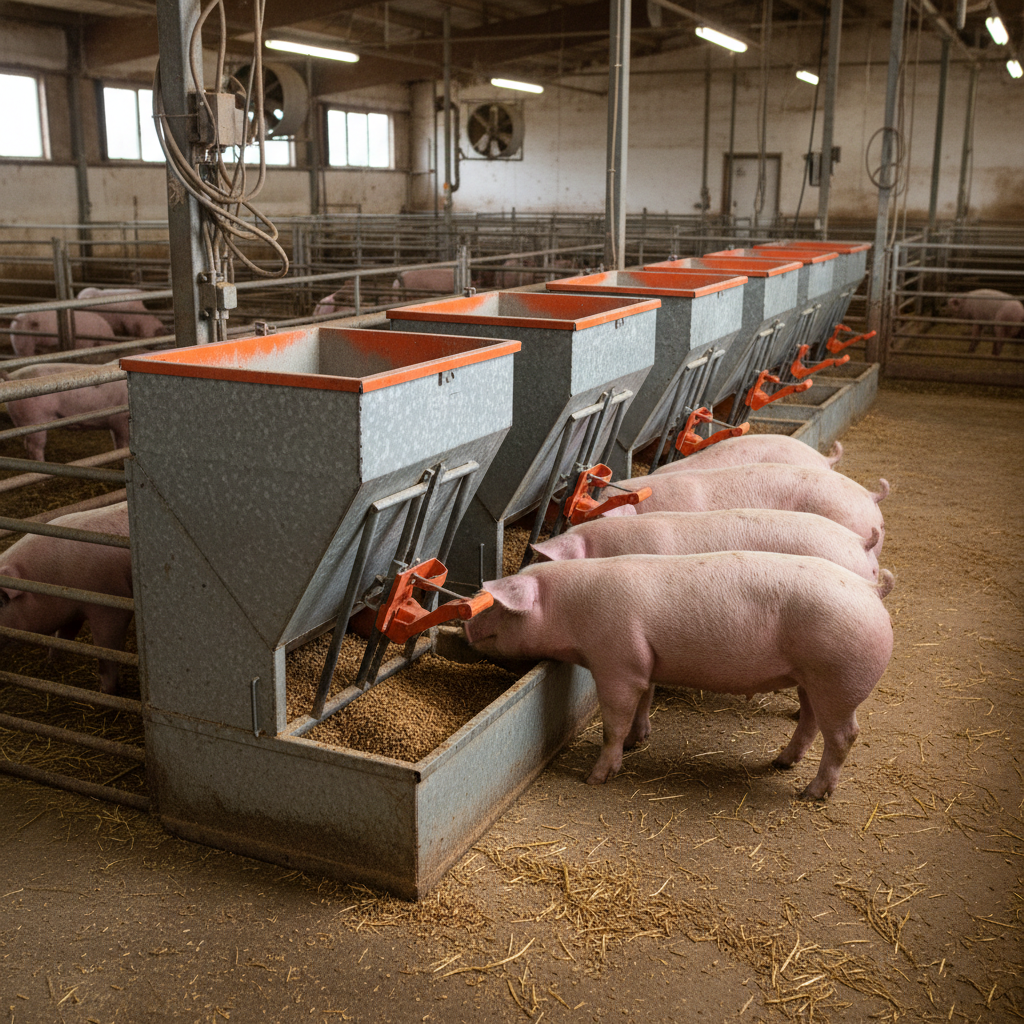
Simply put, a blue cattle trough is a water or feed container designed specifically for cattle and other livestock. Usually made from durable plastic or poly materials, it’s colored blue for increased visibility and often crafted with UV-resistant coatings to withstand harsh outdoor conditions.
Unlike makeshift water troughs, these are engineered to optimize accessibility, reduce water spoilage, and withstand scratching or damage from aggressive animals. The 'blue' isn’t merely aesthetic — it’s a product decision to make the trough easy to spot in large pastures or barnyards and to reflect heat, reducing water temperature rises.
In today's industrial farming as well as in humanitarian aid contexts — for example, rapid livestock support in drought relief zones — blue cattle troughs have become go-to tools serving animal health and sustainable resource management.
Mini takeaway: Blue cattle troughs are specialized, durable containers crafted for efficient livestock hydration and feeding.
Key Attributes That Make Blue Cattle Troughs Stand Out
1. Durability and Material Integrity
Most blue cattle troughs use high-density polyethylene (HDPE) or similar plastics that resist cracking, UV degradation, and impact. This means they last seasons without warping or absorbing contaminants. It’s not just about tough plastics — reinforcing ribs and sturdy bases are common design details ensuring stability during use.
2. Size and Capacity Flexibility
Farms vary wildly in size and needs. Troughs come in volumes from as small as 50 liters to over 1,000 liters. Choosing the right size impacts water availability—too small and livestock compete, too large and water may stagnate.
3. Cost Efficiency and Maintenance
Compared to traditional concrete or metal troughs, plastic blue ones weigh less and cost less upfront. They’re easier to clean, reducing labor and potential biofilm build-up, which can harm water quality.
4. Scalability and Portability
Lightweight models are transportable, valuable for temporary pastures or emergency deployment. This mobility adds a layer of flexibility for various agricultural settings or relief projects.
5. Hygiene and Safety Features
Rounded edges prevent cattle injuries, and smooth internal surfaces reduce dirt and algae formation. UV-resistant coloring helps preserve overall hygienic conditions, supporting animal health.
Mini takeaway: The combination of durability, cost-efficiency, safety, and adaptability makes blue cattle troughs prized farm investments.
Blue Cattle Troughs Around the World: Real-World Applications
In sub-Saharan Africa, organizations like the UN’s Food and Agriculture Organization have promoted blue cattle troughs as part of improved livestock water management in arid zones. These troughs enable smallholder farmers to maintain their herds’ health through dry seasons, reducing waterborne diseases.
In Australia, large-scale cattle operations use modular blue troughs connected to automated water pumps, feeding thousands of animals efficiently on vast ranches. Technology integration is enhancing monitoring and water usage in real time.
Post-disaster relief groups have found blue cattle troughs invaluable for rapid livestock assistance. After floods or droughts, mobile water containers ensure quick rehydration and feeding, stabilizing local economies dependent on livestock.
If you’re curious about specialized or sustainably designed blue cattle troughs, check out this blue cattle trough product page.
Mini takeaway: From drylands to disaster zones, blue cattle troughs adapt across continents to support diverse livestock needs.
Advantages and the Long-Term Value of Using Blue Cattle Troughs
- Cost Savings: Lower maintenance and replacement cost than traditional materials.
- Animal Welfare: Consistent access to clean water reduces stress and improves growth rates.
- Environmental Impact: Lightweight, recyclable materials paired with solar-powered pumping systems reduce ecological footprints.
- Community Benefit: Reliable water sources for livestock boost rural incomes and food security.
- Trust and Innovation: Farmers report stronger herd resilience and operational ease, fostering trust in the technology.
In emotional terms, it’s a matter of safety and dignity for the farmer and the animal alike. Knowing the herd has clean water changes everything.
What’s Next? Innovations and Future Trends
Emerging developments focus on:
- Smart Monitoring: Sensors measuring water quality, usage, and temperature linked to mobile apps.
- Eco-Friendly Materials: Biodegradable compounds and recycled plastics to reduce landfill waste from old troughs.
- Renewable Energy Integration: Solar or wind-powered pumps paired with troughs to access water remotely.
- Customization and Modular Design: Adjustable sizes and multi-compartment units for mixed livestock farms.
I guess the future will blur the line between traditional ranch equipment and the Internet of Things. Imagine a blue trough that texts you when it's empty or needs cleaning...
Challenges in Blue Cattle Trough Adoption—and How to Overcome Them
Despite clear benefits, some hurdles persist:
- Initial Cost Constraints: Small-scale farmers may struggle with upfront investment.
- Durability Under Extreme Conditions: Prolonged exposure in harsh climates can degrade plastics over years.
- Distribution and Access: Remote farms face supply chain issues for replacement parts or new troughs.
Solutions involve:
- NGO subsidies and micro-financing to ease purchase burden.
- Innovations in material science to extend lifespan.
- Local manufacturing partnerships to reduce delivery times and costs.
Sometimes, it’s less about the trough itself and more about the surrounding infrastructure and support systems.
Blue Cattle Trough Product Specifications
| Feature | Specification |
|---|---|
| Material | UV-stabilized HDPE plastic |
| Color | Royal Blue (UV reflective pigment) |
| Capacity | Available in 100L, 300L, 600L, 1000L |
| Dimensions (L x W x H) | Varies by model; range from 1m x 0.6m x 0.5m to 2.5m x 1.0m x 0.8m |
| Weight | From 15 kg (smallest) to 65 kg (largest) |
| Key Features | UV resistance, impact resistance, smooth rounded edges, portability options |
Blue Cattle Trough Vendor Comparison
| Vendor | Material Quality | Price Range (USD) | Warranty | Special Features |
|---|---|---|---|---|
| CXL Livestock | HDPE UV-stabilized | 100 - 550 | 5 years | Custom sizes, easy clean surface, eco-friendly production |
| AquaTrench | Polypropylene blend | 120 - 600 | 3 years | Automated water level sensors |
| FarmPro Equip | Recycled HDPE | 90 - 500 | 2 years | Lightweight, UV stabilized, modular units |
| Livestock Solutions | Metal and plastic hybrid | 150 - 700 | 4 years | Durable steel base, weatherproof coating |
Frequently Asked Questions About Blue Cattle Troughs
Q1: What are the advantages of blue cattle troughs over traditional concrete ones?
A1: Blue cattle troughs are lighter, easier to install, and better at resisting damage from UV rays and impact. They also reduce algae growth thanks to their smooth surfaces and UV-reflective color, improving water quality and reducing maintenance time and costs.
Q2: How long does a typical blue cattle trough last?
A2: When made from high-quality UV-stabilized HDPE, they can last 5–7 years or more under typical outdoor conditions. Lifespan varies depending on climate exposure, usage frequency, and maintenance.
Q3: Can these troughs be used in extremely cold or hot climates?
A3: Yes, though extremes do challenge materials. UV-stabilized plastics resist heat well, and certain additives improve freeze-thaw resistance. Regular inspection and preventive care help maintain durability in harsh climates.
Q4: Are blue cattle troughs environmentally friendly?
A4: Many are made from recyclable plastics and some vendors now use recycled materials. Their durability reduces waste compared to frequently replaced metal or concrete troughs, making them a more sustainable choice.
Q5: How can small farmers access blue cattle troughs affordably?
A5: NGOs often subsidize purchases, and some vendors offer micro-financing or payment plans. Group buying cooperatives and local manufacturing initiatives also help lower costs in rural areas.
Wrapping It Up: Why Blue Cattle Troughs Make a Difference
Looking back, the humble blue cattle trough does way more than hold water. It embodies progress in livestock management — blending durability, visibility, and practicality into a solution that matters for farmers and animals worldwide. It’s an investment in sustainability, animal health, and farm profitability. If you’re ready to elevate your livestock operations, you could hardly do better than this straightforward yet thoughtfully designed tool.
Curious to explore current models or find expert advice on selection? Visit blue cattle trough for top options tailored to your farm’s needs.
References:
1. FAO Livestock and Environment
2. Wikipedia: Water Trough
3. ISO Standards on Livestock Equipment
Post time: Dec . 02, 2025