The Unsung Hero of Cattle Farming: The Metal Water Trough
Water troughs might not be the flashiest topic in the livestock world, but trust me, they’re a backbone of healthy, efficient cattle farming worldwide. Specifically, cattle metal water troughs hold a critical place—not just as containers for hydration, but as durable, sustainable solutions in varying climates and conditions. Why does this matter globally? Well, as the global demand for beef and dairy rises with populations climbing past eight billion, ensuring animals have constant, clean water is vital—not only for welfare but for boosting production and preventing disease.
Understanding the role and evolution of these troughs offers farmers and industry stakeholders a chance to optimize resources while aligning with modern environmental values. Plus, with innovations in design and materials, they’re becoming more than functional — they’re becoming smart investments that blend tradition with tomorrow.
The Global Need for Reliable Cattle Water Systems
Water scarcity is a growing global issue. According to the United Nations, over 2 billion people live in water-stressed regions, and livestock production is the largest user of fresh water globally. In this context, the cattle metal water trough emerges as a practical response to challenging conditions—offering efficient water delivery with minimal waste. It’s no exaggeration to say that the humble trough addresses a critical problem: how to provide dependable hydration to cattle, ensuring their health and productivity amid water constraints and climate variability.
In large scale operations from the American Midwest to Australia’s Outback, and increasingly in developing regions of Africa and Asia, this equipment supports not just the animals but the livelihoods of millions. The World Bank highlights that sustainable livestock management, including water solutions, boosts food security and rural economic stability, often in the very places where infrastructure lacks.
What Exactly is a Cattle Metal Water Trough?
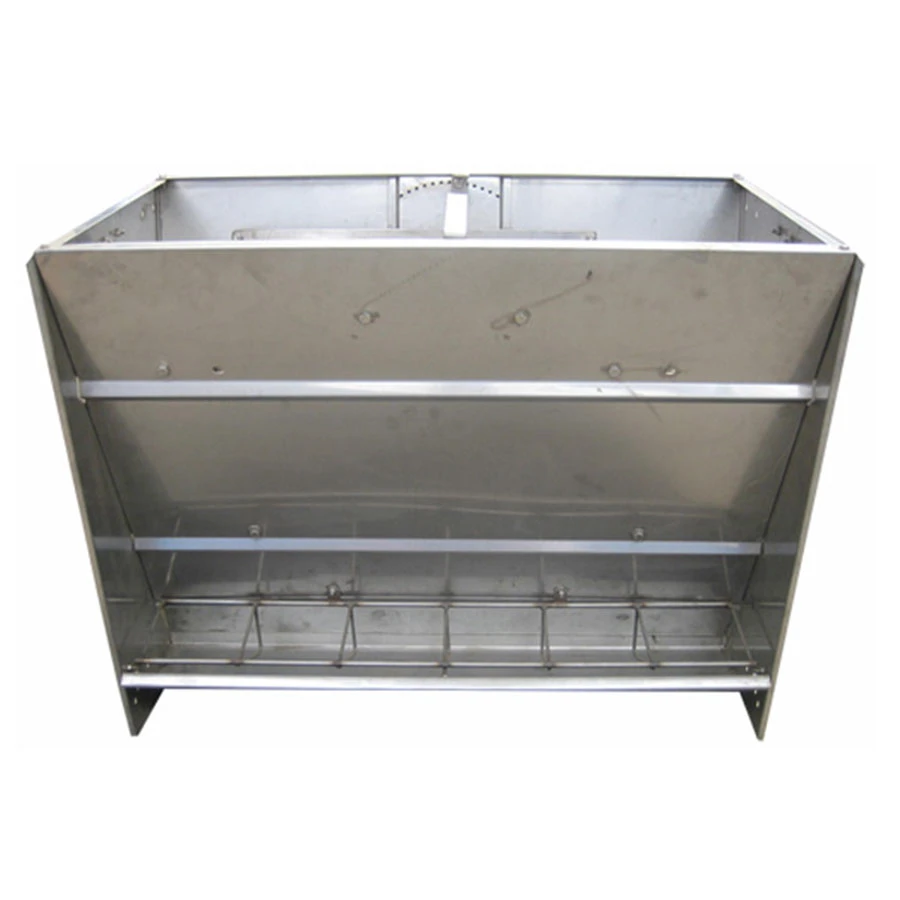
At its core, a cattle metal water trough is a sturdy container designed to hold drinking water for cattle. But beyond that simple definition, these troughs are engineered to withstand harsh outdoor conditions, resist corrosion, prevent water contamination, and often integrate well with automated watering systems.
Traditionally made from galvanized steel or stainless steel, these troughs have evolved from simple troughs farmers built themselves into industrially manufactured units meeting modern agricultural standards. They’re crucial in humanitarian livestock projects, too, particularly in drought-prone or flood-affected areas, where quickly deployable and durable watering solutions can make a difference.
What Makes a Trough a “Metal” Water Trough?
- Material Strength: Metals like galvanized steel provide long-lasting structural integrity.
- Corrosion Resistance: Treatment and coatings keep water clean and equipment intact.
- Ease of Maintenance: Cleaning and repair are simpler compared to plastic or wood options.
So, while plastic troughs might be cheaper initially, metal troughs win in the long haul for durability and reliability. It's like choosing between a sturdy work boot versus a slipper: both keep your feet covered but one lasts seasons longer.
Core Components & Key Attributes of Modern Cattle Metal Water Troughs
Durability to Weather the Seasons
One reason these troughs endure as industry favorites is their resistance to rust, UV damage, and physical impact. Many farmers report their galvanized models lasting 10+ years without replacement — which feels refreshing in a world where planned obsolescence is so common.
Size & Scalability for Different Herds
From small family farms to commercial feedlots with thousands of heads, troughs come in various sizes. Larger troughs reduce labor by less frequent refills, while smaller ones suit rotational grazing setups. This flexibility is key to their popularity across diverse farming practices.
Cost Efficiency over Time
Initial investment might be higher than plastic but, thanks to longevity, fewer repairs, and less replacement, metal troughs often end up cheaper over decades. They also require less frequent water treatment since they bed less bacterial buildup.
Ease of Integration with Automated Systems
Modern metal troughs often come designed to link seamlessly with watering automation technology—think sensors that maintain water levels, solar-powered pumps, or filtered supply units. This integration improves animal welfare and reduces labor costs.
Environmental and Hygiene Benefits
Metal troughs tend to stay cleaner longer due to their smooth surfaces and easy sanitation. They reduce water contamination risks and help maintain cattle health, which ultimately improves production outputs.
Mini takeaway:
- Durability and hygiene explain much of their continued use.
- Scalability makes them versatile from small farms to industrial operations.
- Smart tech integration points to a high-tech future for a traditional product.
Real-World Use Cases: Where Metal Water Troughs Shine
In the U.S. Midwest, many large beef producers rely on galvanized water troughs paired with well water and solar pumps, creating a near self-sustaining hydration system for their herds. Australia’s cattle stations in remote Outback areas deploy heavy-duty troughs designed to hold large volumes and survive extreme heat.
Internationally, NGOs installing cattle programs in drought-hit regions of East Africa use quick-deploy metal trough kits, because plastic options degrade too fast under intense sun. In fact, relevant humanitarian guidelines (see UN FAO livestock water management) highlight metal troughs for their durability and ease of maintenance in resource-limited environments.
If you’re interested, check out cattle metal water trough options suited to your operation.
How Do These Troughs Deliver Long-Term Value?
Metal troughs save money and time in the long run — one farmer told me “I barely think about my troughs, they just work year after year.” The benefits are both practical (less maintenance, fewer waterborne illnesses) and emotional—knowing your cattle have safe water fosters trust in your whole operation.
Socially, using reliable water troughs supports animal welfare standards, which increasingly influence consumer choice in meat and dairy markets. For the environment, durable metal reduces waste and the need for frequent replacements contributes to a circular, more sustainable farming model.
Some Important Specifications of Leading Cattle Metal Water Troughs
| Specification | Typical Range | Notes |
|---|---|---|
| Material | Galvanized Steel, Stainless Steel | Coated for corrosion resistance |
| Capacity | 100 - 1500 liters | Varies by herd size |
| Dimensions (L×W×H) | 1.2–4m × 0.6–1.5m × 0.4–0.7m | Customizable |
| Weight | 50–300 kg | Depends on size/material thickness |
| Lifespan | 10–20 years | With proper maintenance |
Comparing Top Vendors for Cattle Metal Water Troughs
| Vendor | Material Options | Customization | Price Range (USD) | Lead Time |
|---|---|---|---|---|
| FarmEquip Co. | Galvanized Steel | Standard sizes & custom builds | $300 - $1200 | 2–4 weeks |
| Livestock Solutions | Stainless Steel, Galvanized | High customization, auto watering ready | $500 - $1800 | 3–6 weeks |
| CountryStock Ltd. | Galvanized Steel | Mostly standard offerings | $250 - $900 | 1–3 weeks |
Innovations Shaping the Future of Cattle Metal Water Troughs
Interestingly enough, the future of metal water troughs doesn’t rest solely in the material itself but in how technology reshapes their use. Some producers are experimenting with solar-powered sensors that monitor water quality and levels remotely, cutting routine labor. Meanwhile, coatings that reduce algae growth and biofilm are emerging, lowering cleaning frequency. Sustainability trends push toward recyclable metals and reduced manufacturing footprints.
Additionally, automation integration means a shift from simply filling water to optimizing water use on the farm — how cool is that for a piece of equipment we mostly think of as “just a trough”?
Common Issues & Smart Fixes
Of course, no solution is perfect. Some challenges with cattle metal water troughs include initial cost, risk of denting under trauma, and potential overheating of water during blazing summer days. But farmers and manufacturers are tackling these.
- Cost mitigation: Bulk purchases and government subsidies help lower up-front price.
- Material upgrades: Using thicker gauge steel or impact-resistant alloys reduces dents.
- Shade integration: Placing troughs under shade or adding insulating layers keeps water cooler.
Some growers even install sensor alerts that notify if water temperature climbs, or when levels drop—not exactly ‘old school’ farming!
Frequently Asked Questions About Cattle Metal Water Troughs
- What size metal water trough do I need for a herd of 50 cattle?
- Typically, a trough holding around 500-700 liters is suitable for 50 cattle, allowing continuous access throughout the day. Knowing daily water consumption (~30-50 liters per cow) helps pick exact sizing.
- Are galvanized metal water troughs safe for cattle?
- Yes, galvanized steel troughs are widely safe when properly maintained. Zinc coating prevents rusting and contamination. However, avoid sharp edges and inspect regularly for coating wear.
- How often should metal water troughs be cleaned?
- Cleaning once every 1-2 weeks is recommended to reduce algae and bacteria buildup, especially during warmer months. More frequent cleaning may be necessary in heavily soiled environments.
- Can cattle metal water troughs be used outdoors year-round?
- Absolutely. These troughs are designed to withstand various weather conditions, including freezing winters and hot summers, provided they’re properly maintained and winterized where needed.
- Is it possible to retrofit a metal water trough with automated watering systems?
- Yes, many troughs can be fitted with float valves, water sensors, and linked to solar pumps or automated supply systems, enhancing convenience and water efficiency.
Wrapping It Up: Why Invest in a Cattle Metal Water Trough?
So, here’s the lowdown: A durable, well-chosen cattle metal water trough isn’t just a water dish—it’s a small infrastructure piece with outsized impact. It supports animal health, reduces labor and costs over time, aligns with sustainability goals, and adapts to modern farming technologies.
If you want to make a smart, lasting investment for your farm’s productivity—whether you’re running a large-scale feedlot or a modest family operation—consider visiting cattle metal water trough suppliers. There’s a perfect model waiting for your specific needs.
After all, sometimes it’s these simple, solid tools that steer the entire industry forward, quietly but powerfully.
References & Further Reading:
Post time: Dec . 02, 2025