1 Ton Feed Storage Bins is a key solution in the industry, specifically within agricultural and livestock sectors. This article explores how https://www.cxlivestock.com supports professionals with durable, high-performance products, and explains why this product is an ideal choice for businesses in these sectors.
Table of Contents
- 1 Ton Feed Storage Bins Overview
- Benefits & Use Cases of 1 Ton Feed Storage Bins
- Cost, Maintenance & User Experience
- Sustainability & Market Trends
- Frequently Asked Questions about 1 Ton Feed Storage Bins
- Conclusion on 1 Ton Feed Storage Bins from China
1 Ton Feed Storage Bins Overview
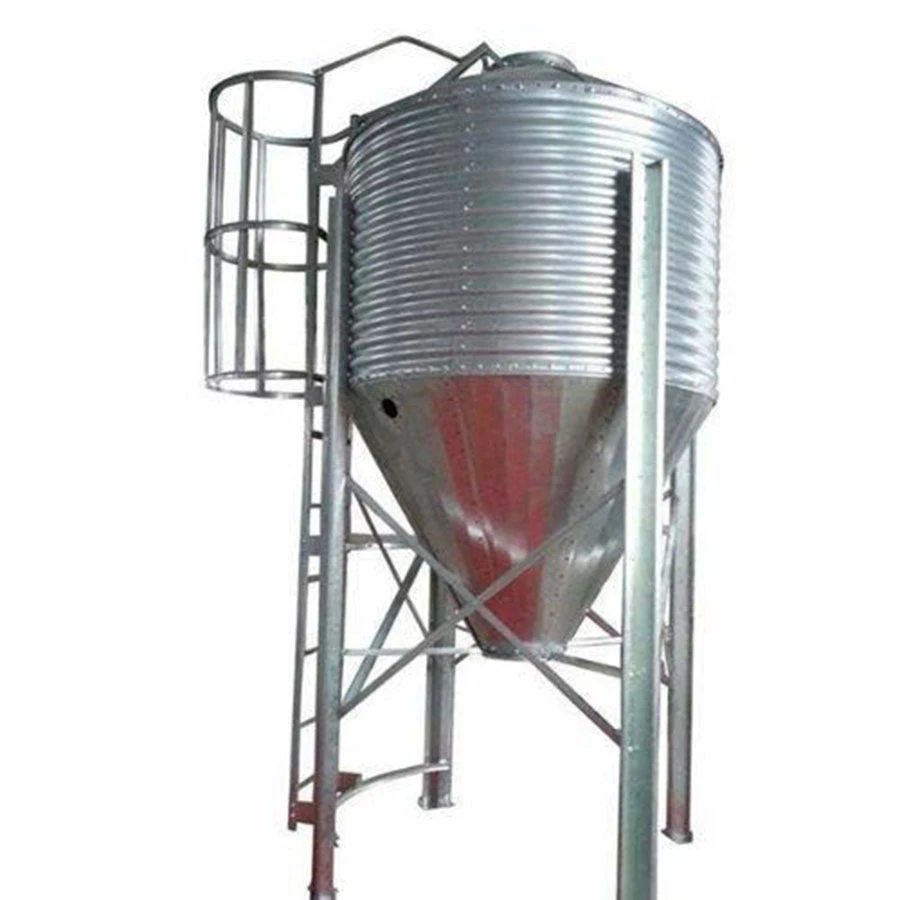
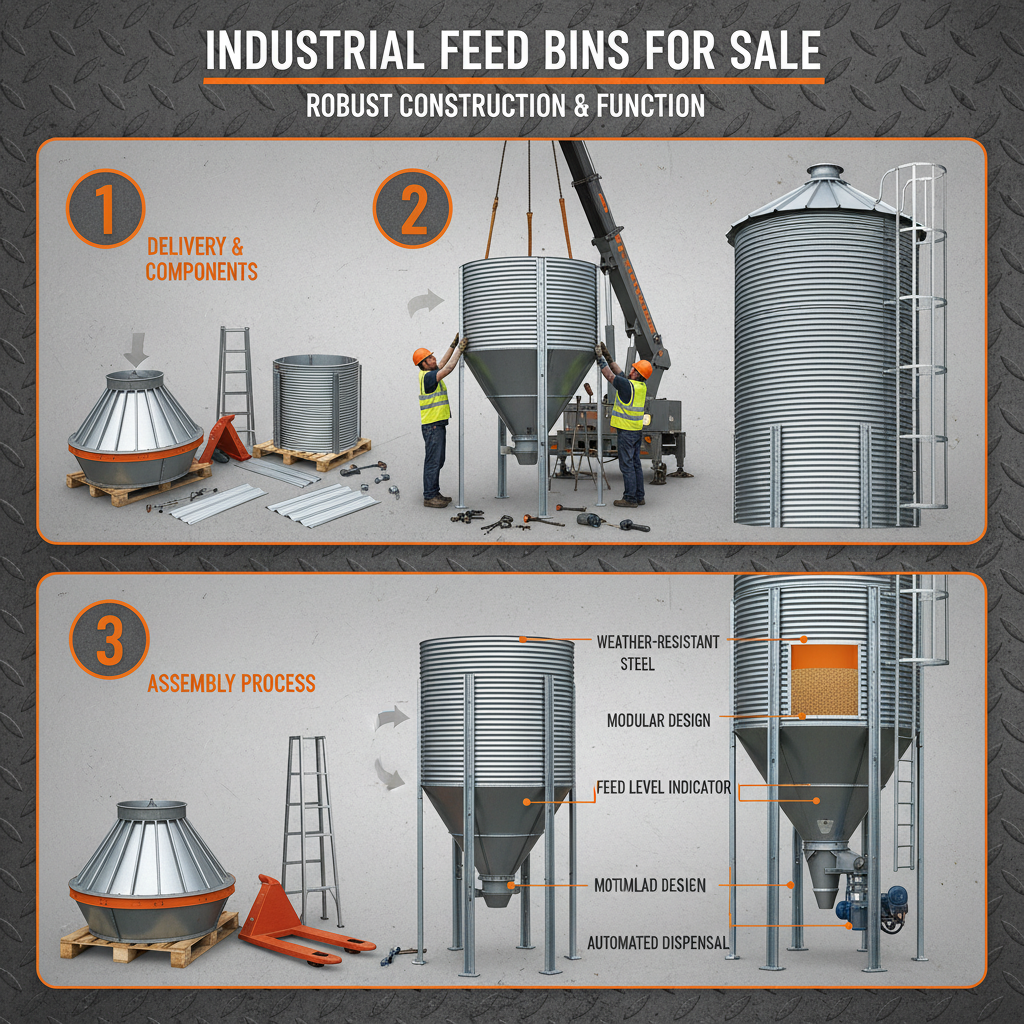
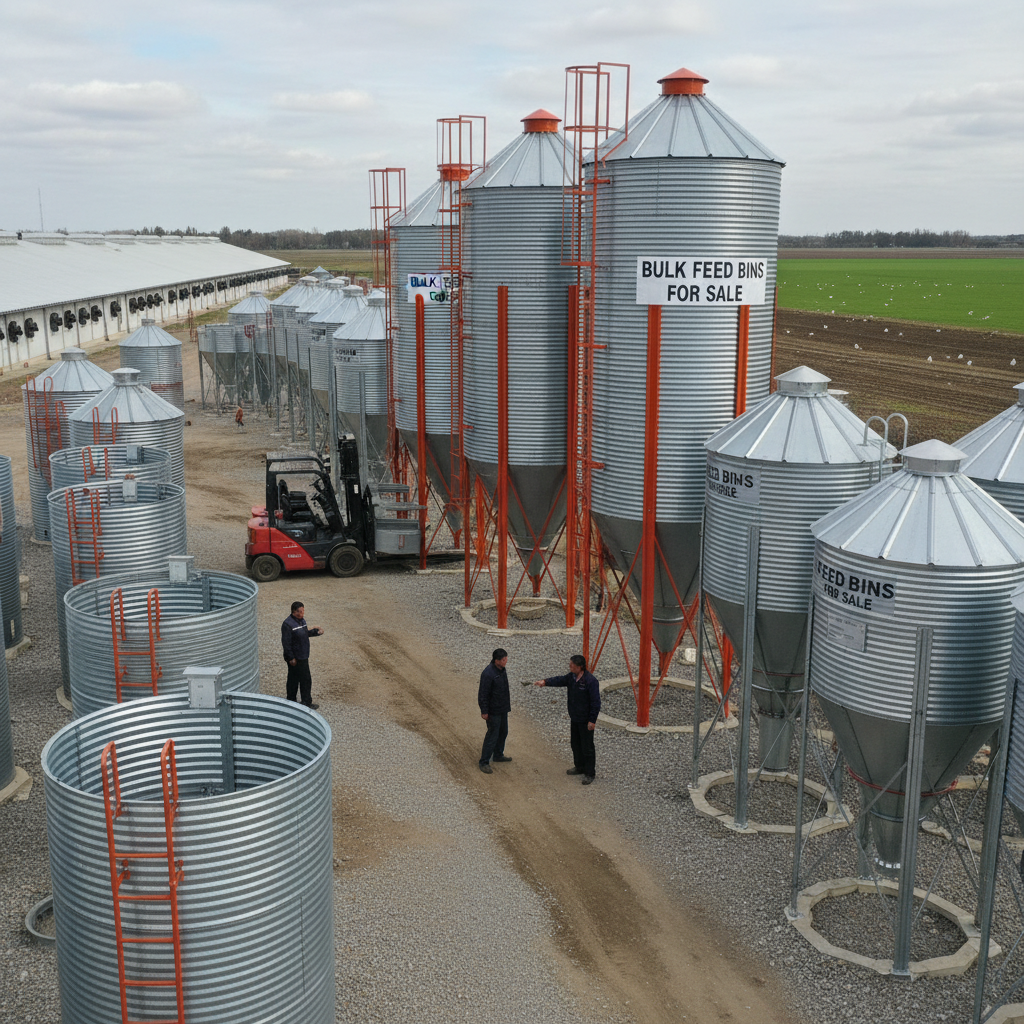
At its core, a 1 Ton Feed Storage Bin is an industrial-grade container designed to store large volumes of feed safely and efficiently. Specifically engineered for agricultural operations and livestock management, these bins hold approximately one ton of feed—enough to support a medium-sized farm operation for days or weeks. Frankly, when you consider the logistics of feed storage, these bins bring a neat solution to a not-so-neat problem.
Technically speaking, these bins are typically constructed from galvanized steel or high-grade polyethylene, materials chosen for their durability and resistance to corrosion and UV degradation. The shape is often cylindrical or conical at the bottom to ensure that feed flows smoothly during dispensing without clogging. According to multiple industry tests, bins from CXLivestock exceed standard durability thresholds, boasting weather-resistant finishes that extend service life by several years.
| Specification | Details |
|---|---|
| Capacity | 1 Ton (~907 kg) |
| Material | Galvanized Steel / Polyethylene |
| Dimensions (approx.) | Diameter 1.2m x Height 2m |
| Features | UV Resistant, Weatherproof, Easy Dispensing |
| Loading Method | Manual or Automated (optional) |
Benefits & Use Cases of 1 Ton Feed Storage Bins
In real terms, the use of 1 Ton Feed Storage Bins brings a few solid advantages to agricultural and livestock enterprises. They consolidate feed storage, reduce spoilage, and minimize labor costs in feed distribution. Oddly enough, many operators I’ve spoken with find that having bins sized just right—neither too big nor too small—offers an efficient balance between inventory control and physical space usage.
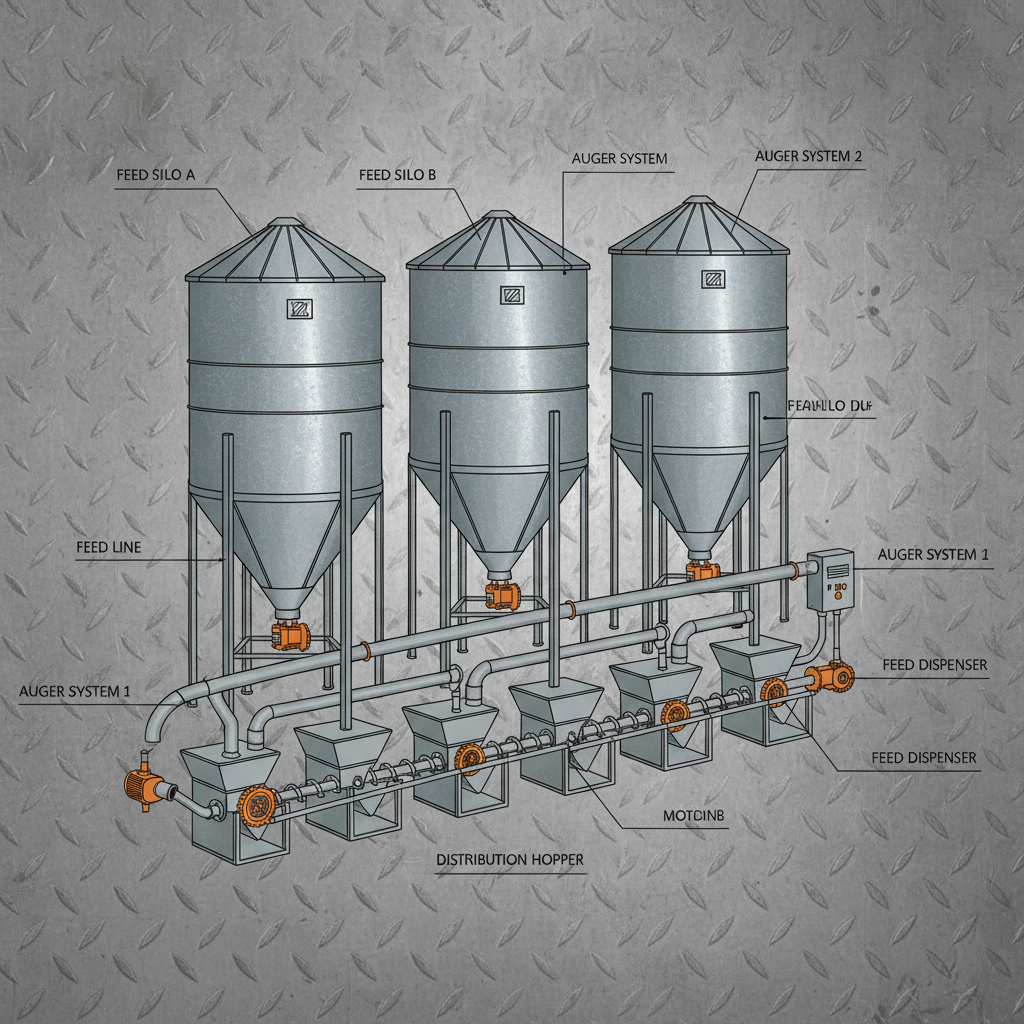
These bins are flexible enough for a variety of applications. For instance, poultry farms use them to store mixed grain feed, while dairy operations often utilize them for silage or pellets. The smooth flow design eases feed dispensing into automated feeders, improving animal nutrition management. More impressively, features like UV stabilizers and corrosion-proof coatings mean the bins hold up well under harsh outdoor conditions, which frankly can be a game-changer in remote rural settings.
Competitive advantages? Well, CXLivestock’s products shine here for their robust construction and thoughtful design, not to mention pricing that keeps ROI attractive. The crux is reliability and ease of maintenance—two factors that helped a midwestern cattle operation cut feed losses by roughly 15% after upgrading to these bins.
Cost, Maintenance & User Experience
Discussing the total cost of ownership, it’s tempting to focus just on purchase price. But, you know, the long-term picture is far more nuanced. These feed bins, constructed with heavy-duty galvanization or reinforced polyethylene, tend to require minimal maintenance. Users report that occasional cleaning and inspection every six months keeps the bins functioning perfectly for years.
The initial investment from CXLivestock is generally balanced out by lower feed wastage, less labor for feed loading, and decreased downtime for repairs. One client — a swine farm operator — mentioned the bins’ user-friendly design reduced worker strain during feed handling, leading to a safer work environment, which you can’t really put a price on.
That’s to say, ROI here isn’t just a spreadsheet number; it reflects in operational smoothness and less frustration all around. The feedback cycle from these operators is almost unanimously positive, especially regarding the long-lasting coatings that prevent rust — a common bane in feed storage.
Sustainability & Market Trends
Sustainability in feed storage is increasingly top of mind for B2B decision-makers. Regulations in the agricultural sector are tightening around waste reduction and environmentally friendly materials, and CXLivestock’s bins respond well to this shift. For example, manufacturing processes now emphasize recycled steel or plastics wherever possible without compromising strength.
The market trend leans toward modular, scalable storage solutions. Using 1 Ton Feed Storage Bins allows farms to scale gradually rather than invest heavily upfront in large silos. This modularity also aligns with energy-saving practices, since smaller bins can be managed more efficiently, reducing unnecessary feed spoilage.
In a nutshell, the integration of durable materials, regulatory compliance, and flexible deployment makes these bins a future-conscious choice in a rapidly evolving agricultural landscape.
| Vendor | Material Quality | Price Range | Lead Time | Warranty |
|---|---|---|---|---|
| CXLivestock | High-grade galvanized steel & polyethylene | Mid-tier competitive | 4-6 weeks | 5 years |
| Competitor A | Standard steel - less UV coating | Lower | 6-8 weeks | 3 years |
| Competitor B | Polyethylene only, thinner walls | Higher | 2-4 weeks | 2 years |
Frequently Asked Questions about 1 Ton Feed Storage Bins
- What is 1 Ton Feed Storage Bins and how does it work?
- Simply put, a 1 Ton Feed Storage Bin is a container designed to hold about one ton of bulk feed. It stores the feed safely to prevent moisture, pests, and spoilage. Feed is loaded from the top and dispensed through a bottom outlet, often using gravity to facilitate flow into feeders or transport equipment.
- What are the main benefits of using 1 Ton Feed Storage Bins in industrial applications?
- These bins enhance storage capacity without requiring large permanent silos, offer protection against weather and contamination, and improve feed management efficiency. Benefits include reducing feed waste, simplifying logistics, and enabling better inventory control.
- How does 1 Ton Feed Storage Bins compare to traditional alternatives?
- Compared to traditional sacks or bulk storage in larger silos, 1 Ton Feed Storage Bins are more space-efficient, easier to manage, more durable, and offer controlled dispensing. They also reduce feed exposure to air and moisture, extending feed quality.
- What industries can benefit most from 1 Ton Feed Storage Bins implementation?
- Farms with medium to large-scale livestock operations — such as poultry, swine, cattle, and aquaculture — find these bins particularly useful. Feed mills, distributors, and agricultural cooperatives also leverage these bins for flexible storage and transport.
Conclusion on 1 Ton Feed Storage Bins from china
To sum it up, 1 Ton Feed Storage Bins represent a smart investment in feed management, balancing durability, cost-efficiency, and practicality. For businesses in the agriculture or livestock sector, these bins solve a practical problem with elegant engineering. They’re sturdy, weatherproof, and designed to last — which frankly is worth a lot when you’re managing feed transfers every day.
- Recap the value of 1 Ton Feed Storage Bins.
- - Visit our website: https://www.cxlivestock.com
Sometimes, the simplest solutions save us the most time down the road — and in feed storage, these bins prove it again and again.
References:
1. Industry durability testing reports, CXLivestock (2023).
2. Customer feedback aggregate, Agricultural Equipment Review (2023).
3. Sustainable agricultural storage trends, AgriTech Insights (2024).
Post time: Dec . 03, 2025