Understanding Sturdy Built Headlocks: Why They Matter Today
If you’ve ever been around livestock handling facilities or agricultural sites, you might have seen something called sturdy built headlocks. They’re not just metal bars or fences tossed together—they represent a critical piece of equipment that safeguards both the animals and the handlers. Globally, as agricultural practices modernize and livestock handling standards rise, these durable devices are increasingly important. They reduce stress on animals, prevent injuries, and improve overall farm management efficiency.
But beyond farms, sturdy built headlocks also find roles in other sectors requiring robust, safe holding mechanisms. Understanding what makes them essential helps businesses and organizations cut costs, comply with safety standards, and improve animal welfare—which, frankly, is a win-win worldwide.
Setting the Stage: The Global Importance of Durable Headlocks
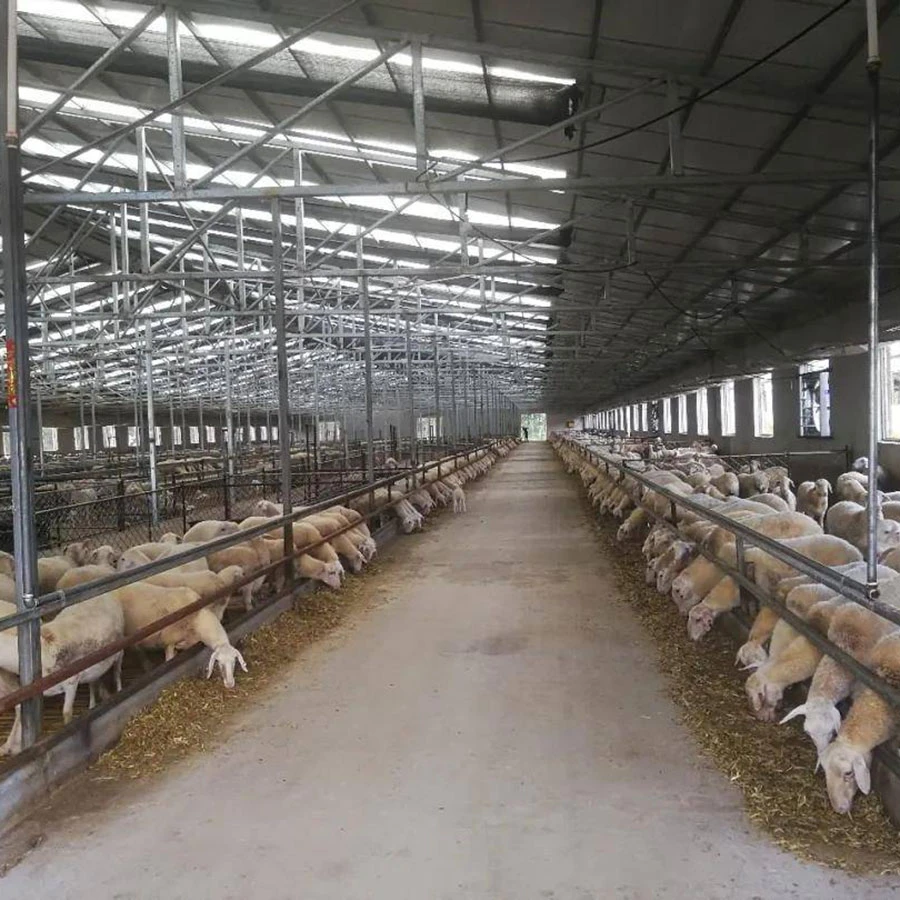
Livestock farming is a cornerstone of both rural economies and urban food supply chains. According to the Food and Agriculture Organization (FAO), nearly 1.5 billion people worldwide rely on livestock for their livelihoods. Handling animals safely has always been a challenge, especially in regions where infrastructure struggles to keep up with demand.
Sturdy built headlocks address a widespread challenge: how can you manage and contain animals without risking injury or causing undue stress? The World Bank reports that technologies improving livestock handling directly contribute to increased productivity and better market access. With climate change and globalization intensifying pressures on agriculture, reliable, durable equipment like these headlocks is no luxury — it’s essential.
Even in humanitarian contexts, such as displacement camps or post-disaster zones, mobile livestock pens incorporating sturdy headlocks help maintain food security and economic activity.
What Exactly Are Sturdy Built Headlocks?
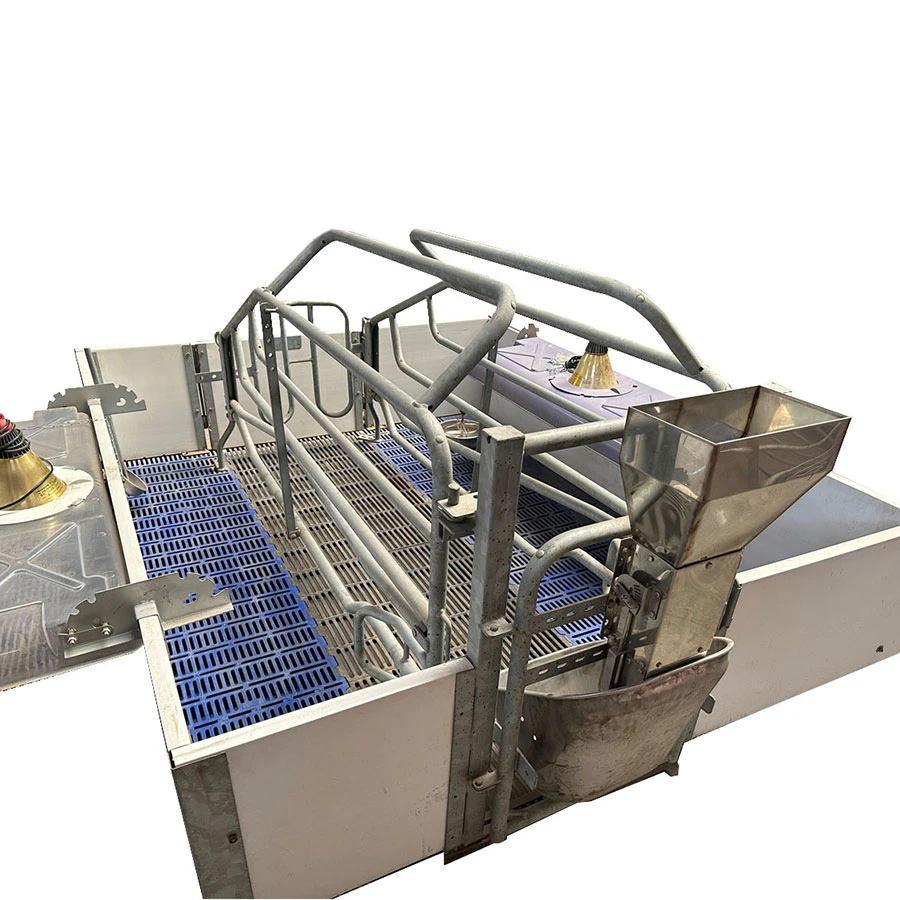
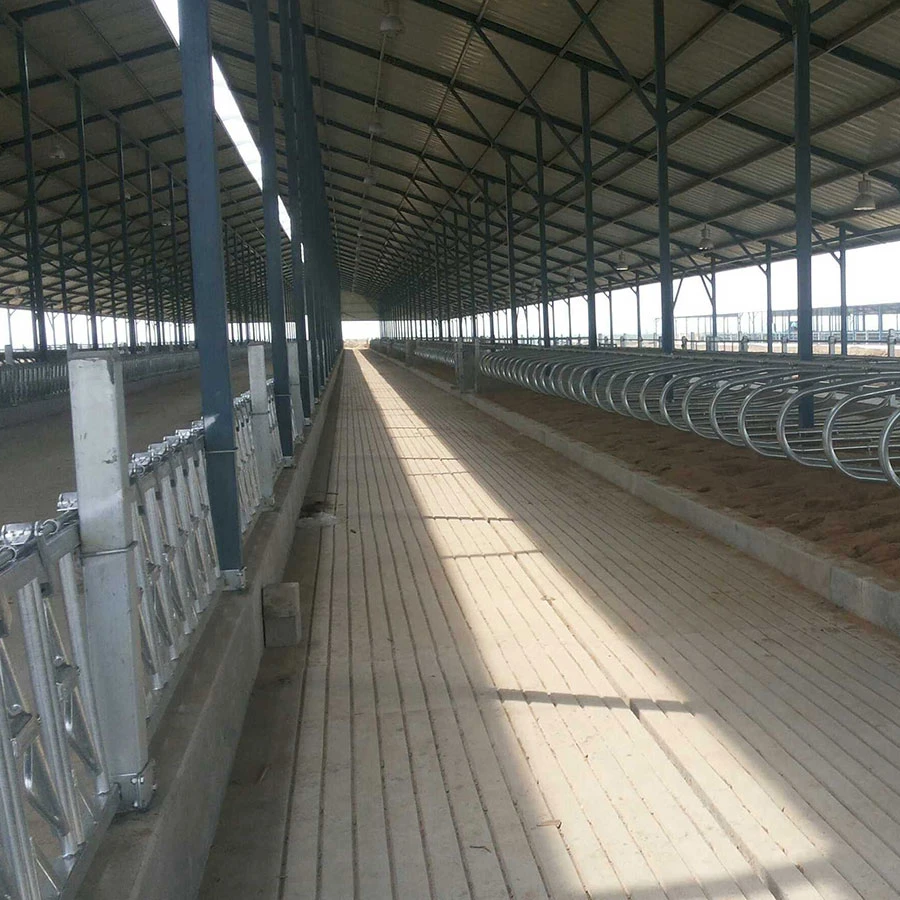
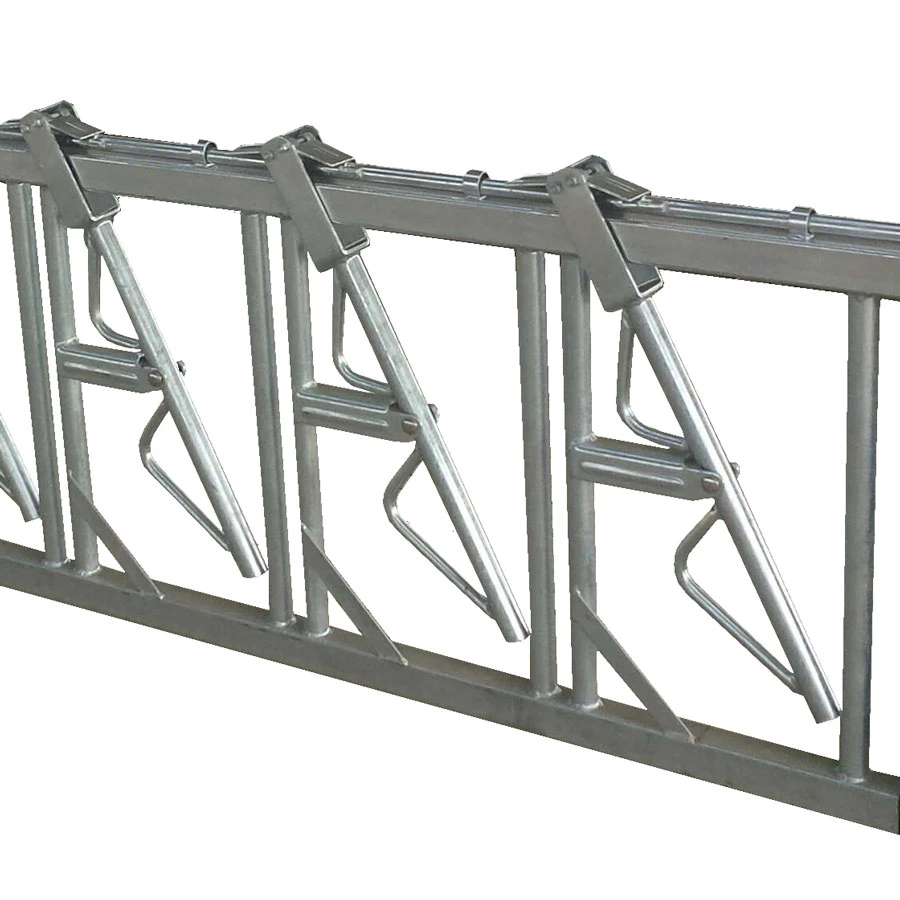
Simply put, sturdy built headlocks are metal frames or gates designed to securely hold an animal’s head in place, typically cattle, during inspections, vaccinations, or feeding. Their “sturdy built” nature implies robust construction — usually galvanized steel or heavy-duty alloys — optimized to withstand regular use, rough handling, and adverse weather conditions.
These devices are not only about holding animals still; they are deliberately engineered to prevent injury, reduce stress, and allow easy operation by handlers. They bridge traditional farming with modern welfare expectations, syncing mechanical reliability with humane treatment.
Oddly enough, while they seem straightforward, the design and materials behind sturdy built headlocks reflect decades of incremental engineering improvements rooted in both agricultural needs and animal psychology research.
Core Components That Define a Quality Headlock
Durability
Without durable materials, headlocks quickly become hazardous. High-quality steel, powder coating, and rust-resistant finishes ensure long-term use, even in wet or corrosive environments. Durability also means less frequent repairs–a huge plus for busy farms.
Safety and Comfort
More than metal bars, these headlocks have padding options and smooth edges to minimize animal discomfort. Safety features include locking mechanisms that avoid sudden pinching and allow quick release in emergencies.
Scalability and Modularity
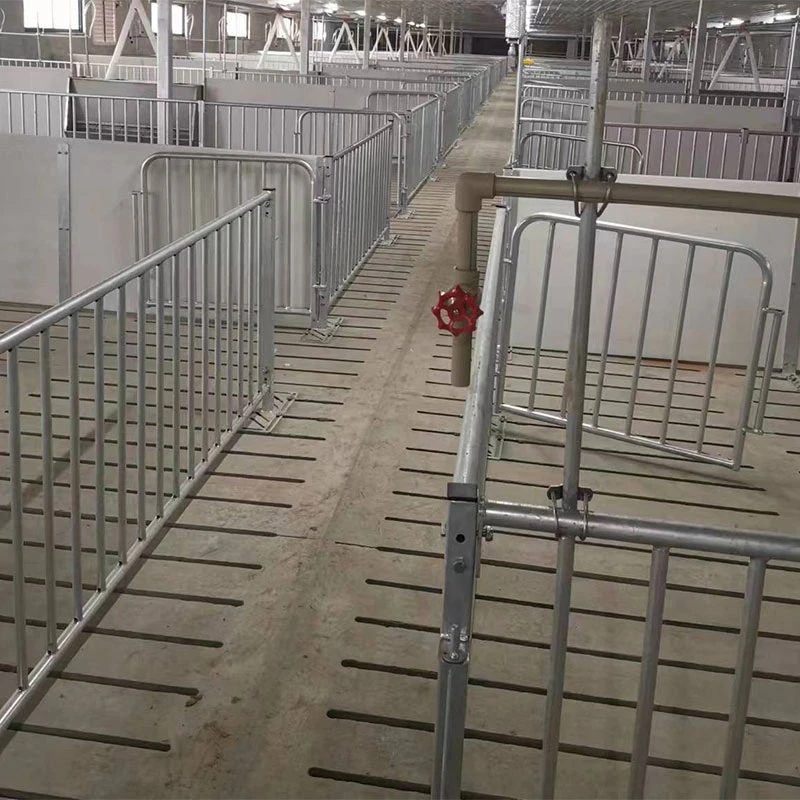
Farmers can connect multiple headlocks in series, scaling up for large herds, or customize sizes for different livestock. This modularity also supports easy replacement or upgrades.
Ease of Operation
Many models are designed for efficient one-person use, reducing the labor intensity of animal management. Smooth latches and ergonomic positioning contribute here.
Cost Effectiveness
While up-front costs vary, the long-term savings from injury prevention, reduced labor, and durability make sturdy built headlocks smart investments.
| Specification | Typical Feature | Industry Standard Range |
|---|---|---|
| Material | Galvanized Steel | Steel, Aluminum, Stainless |
| Width | 45 cm per headlock | 40-60 cm |
| Height | 120 cm | 100-130 cm |
| Weight | ~12 kg per unit | 10-15 kg |
| Finish | Powder Coated / Galvanized | Galvanized, Painted |
| Locking System | Manual latch with safety release | Manual or hydraulic |
Real-World Uses of Sturdy Built Headlocks Across the Globe
These devices are everywhere—from small farms in the American Midwest, where cattle handling is part of daily rhythm, to commercial ranches in Australia pushing automation and efficiency forward. In Northern Europe, where animal welfare regulations are strict, headlocks are critical in ensuring inspections follow humane protocols.
Even unexpected sectors take advantage of sturdy built headlocks. In post-disaster relief camps in East Africa, NGOs use mobile pens incorporating headlocks to safeguard livestock amidst upheaval and scarce resources. Likewise, remote industrial mining sites rely on sturdy containment devices for onsite veterinary care, preventing disruptions to operations.
If you wander into a livestock fair in Canada, chances are you'll see these reliable frames set up around holding pens—helping farmers demonstrate their animals’ health and manage them calmly.
Advantages and Long-Term Benefits of Reliable Headlocks
Trying to put into words why sturdy built headlocks matter? Here goes:
- Cost Savings: Durable design means fewer replacements and fewer veterinary bills thanks to injury prevention.
- Animal Welfare: Reduced stress and injury help promote healthier livestock, indirectly improving productivity.
- Operational Efficiency: Quicker, safer handling speeds up everyday tasks and frees up labor for other priorities.
- Trust and Reputation: Farms and ranches using standardized, certified equipment build better relationships with buyers and regulators.
There’s also an emotional side to it — handlers feel safer, animals are calmer, and everyone benefits from a system that respects dignity and safety equally.
Emerging Trends in Headlock Design and Technology
What’s next for these stalwart devices? Innovations like lightweight alloys, integrated sensors, and automated locking mechanisms are already gaining traction amongst forward-thinking farms and companies.
Environmentally, manufacturers are exploring recyclable materials and non-toxic coatings to align with sustainability efforts. Digital transformation is also seeping in: imagine linking headlocks to apps for herd monitoring or livestock health tracking.
It all sounds futuristic, but many engineers say we’re only scratching the surface on modernizing sturdy built headlocks — turning them from static devices into smart tools.
Overcoming Challenges and Adapting Solutions
Of course, there are challenges. Some models remain heavy, difficult to transport, or expensive upfront for small farms. Poorly designed locks can cause animal distress or injury if attention isn’t paid to fit and operation.
Solutions? Modular designs, localized manufacturing, and operator training programs go a long way. Some companies also offer rental or leasing options to reduce capital strain.
In short, no gear is perfect — but listening closely to users and iterating quickly can solve most concerns.
Frequently Asked Questions About Sturdy Built Headlocks
- Q: How can sturdy built headlocks improve animal welfare compared to traditional gates?
- A: These headlocks hold animals gently but firmly, reducing stress and injury risks during handling tasks such as vaccinations or vet checks. Their ergonomic design avoids sudden movements or pinching common with less specialized gates.
- Q: Are sturdy built headlocks customizable for different breeds and sizes?
- A: Absolutely. Many manufacturers offer adjustable widths or modular units to fit varying animal sizes, from calves to full-grown cows, ensuring effective containment without discomfort.
- Q: What maintenance does a sturdy built headlock typically require?
- A: Regular cleaning, lubrication of latches, and inspections for rust or wear are generally enough. High-quality finishes reduce corrosion, extending lifespan with minimal upkeep.
- Q: Can these headlocks be integrated with digital monitoring systems?
- A: Yes, cutting-edge versions now come with options to add sensors monitoring animal behavior or lock status, aiding in herd health and operational management.
- Q: Where can I find reliable sturdy built headlocks locally?
- Consult your regional livestock equipment suppliers or check manufacturers online. Links like sturdy built headlocks are good starting points.
Vendor Comparison: A Quick Guide
| Vendor | Material Quality | Customization Options | Price Range | Warranty |
|---|---|---|---|---|
| AgriSafe Equip | High-grade galvanized steel | Width and finish | $$$ | 5 years |
| FarmHold Systems | Steel, powder coated | Modular panels, accessories | $$ | 3 years |
| Livestock ProGear | Stainless steel options | Custom sizes; digitized locking | $$$$ | 7 years |
Wrapping It All Up
So, sturdy built headlocks are a simple yet transformative piece of equipment across livestock farming and beyond. Their combination of durability, safety, and user-friendly design helps improve animal handling, reduce costs, and boost operational effectiveness. Plus, as technologies and materials advance, these devices are evolving into smart solutions that support sustainability and digital integration.
Whether you’re running a small farm or managing a larger agricultural operation, investing in quality headlocks is a tangible step toward safer, more efficient livestock management. Curious to explore the options? Visit our website for a closer look.
Post time: Nov . 29, 2025