Galvanised Animal Feed Bins: A Practical Asset for Livestock Management Worldwide
At a glance, galvanised animal feed bins might seem like just another piece of farm equipment. But they’re actually a small hinge in the grand door of efficient livestock farming and sustainable agriculture worldwide. As the global population edges toward 8 billion, with ever-increasing demands for animal proteins, the role of reliable feed storage solutions — like galvanised bins — becomes indispensable to ensure nutrition security, reduce waste, and maintain animal health.
Understanding these bins isn’t just a matter of knowing what’s on the farm. It's a lesson in how smart design, durable materials, and scalability intersect to support farmers across continents — from remote pastoral communities in Africa to industrial-scale operations in Europe and the Americas. The benefits: long-term cost savings, better feed preservation, and a positive environmental footprint that even the most exacting sustainability minister would nod at.
The Bigger Picture: Why Galvanised Animal Feed Bins Matter Globally
Globally, livestock production accounts for nearly 40% of agricultural GDP and employs over a billion people according to FAO data. But feed management remains one of the most critical challenges faced by producers. Without proper storage, feed is vulnerable to moisture, pests, and spoilage — eating into both profits and animal welfare. This is especially true in developing regions where infrastructure might be minimal.
Galvanised animal feed bins answer a pressing need. Their corrosion-resistant steel construction means they withstand harsh climates and rough handling better than untreated options. Plus, their sealed designs reduce contamination risks. In fact, the World Bank reports that better feed storage has contributed significantly to reducing post-harvest losses in some agricultural corridors of Sub-Saharan Africa.
Still, a challenge remains: how to innovate these bins so they are affordable, accessible, and environmentally friendly — without compromising quality.
So, What Exactly Are Galvanised Animal Feed Bins?
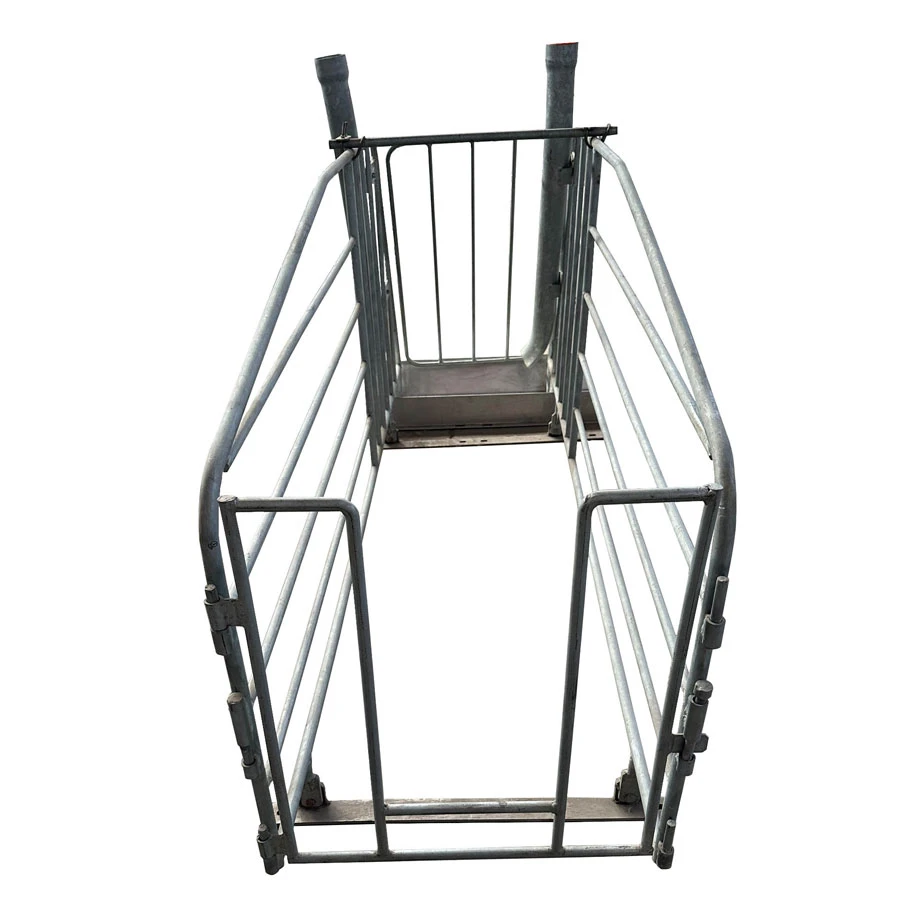
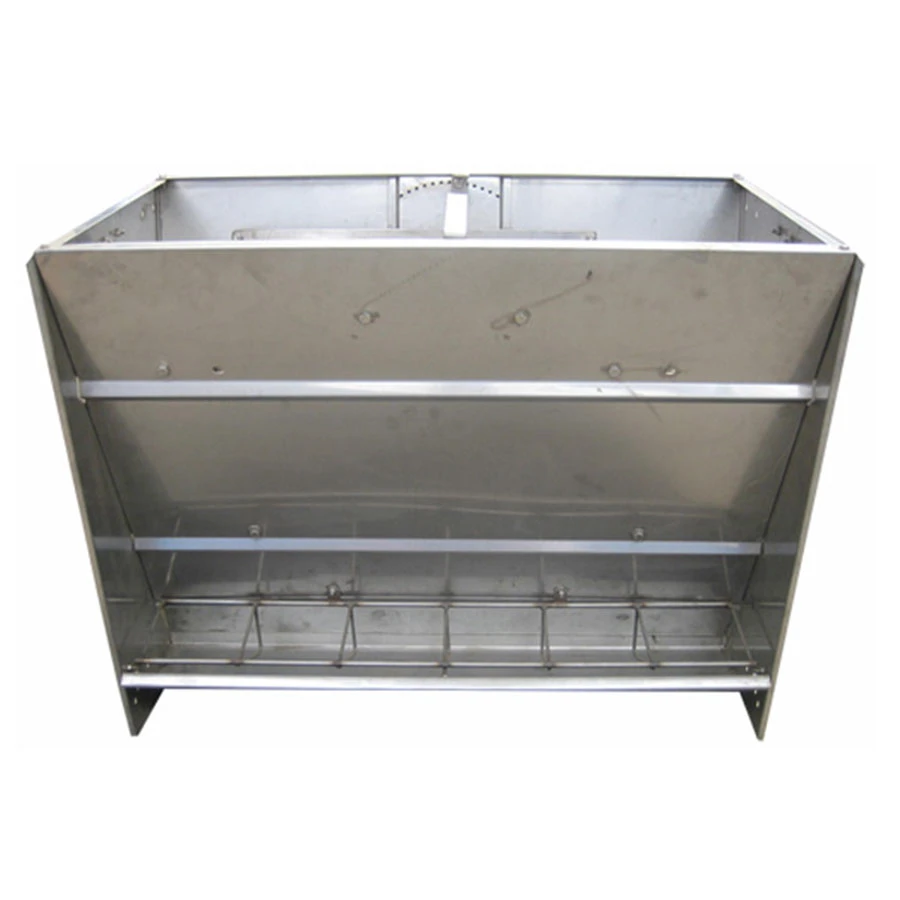
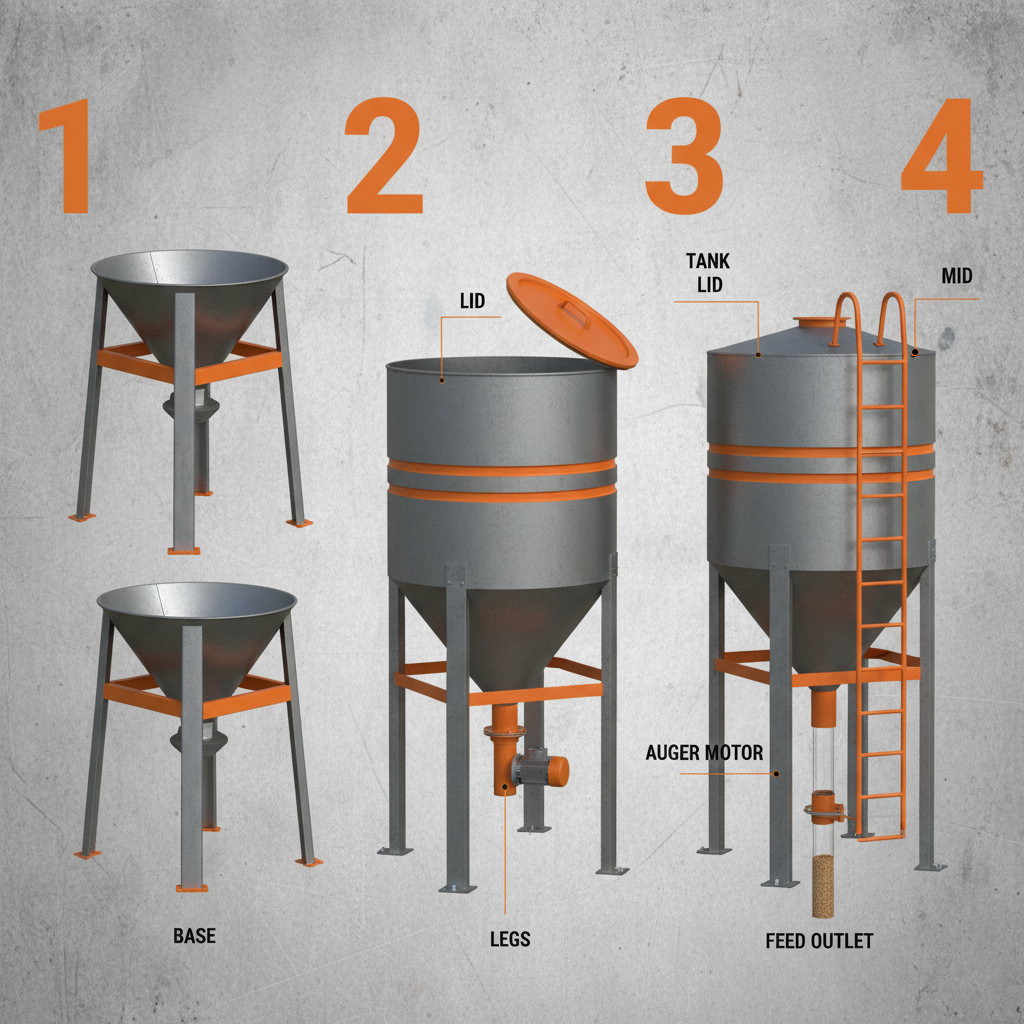
In simple terms, these are storage containers crafted primarily from steel that’s been treated with a zinc coating — galvanisation — to resist rust and corrosion. Designed for farmers, ranchers, and feedlots, they store dry or processed animal feeds safely, ensuring longevity and easy accessibility.
They are a backbone to the modern livestock industry because they maintain feed quality, reduce wastage, and support better inventory management. For humanitarian or development organizations working in rural or disaster-prone regions, galvanised bins also mean feed supplies can survive challenging transport and storage conditions.
Key Aspects That Make These Bins Indispensable
Durability and Corrosion Resistance
The galvanised coating literally shields steel from environmental damage, extending the lifespan of these bins by years compared to untreated metal. This is critical when bins are exposed to rain, humidity, or chemical exposure.
Scalability and Customization
Bins come in various sizes — from small 100 kg versions suited for farms with limited livestock, to large silos storing several tons of feed for industrial setups. Many models include stackable options or modular designs that let farmers expand storage as their operations grow.
Cost Efficiency
While initial costs may be higher than plastic or untreated steel alternatives, the extended lifespan and protection against spoilage steadily save money over time. Plus, galvanised bins often have lower maintenance demands.
Ease of Use and Maintenance
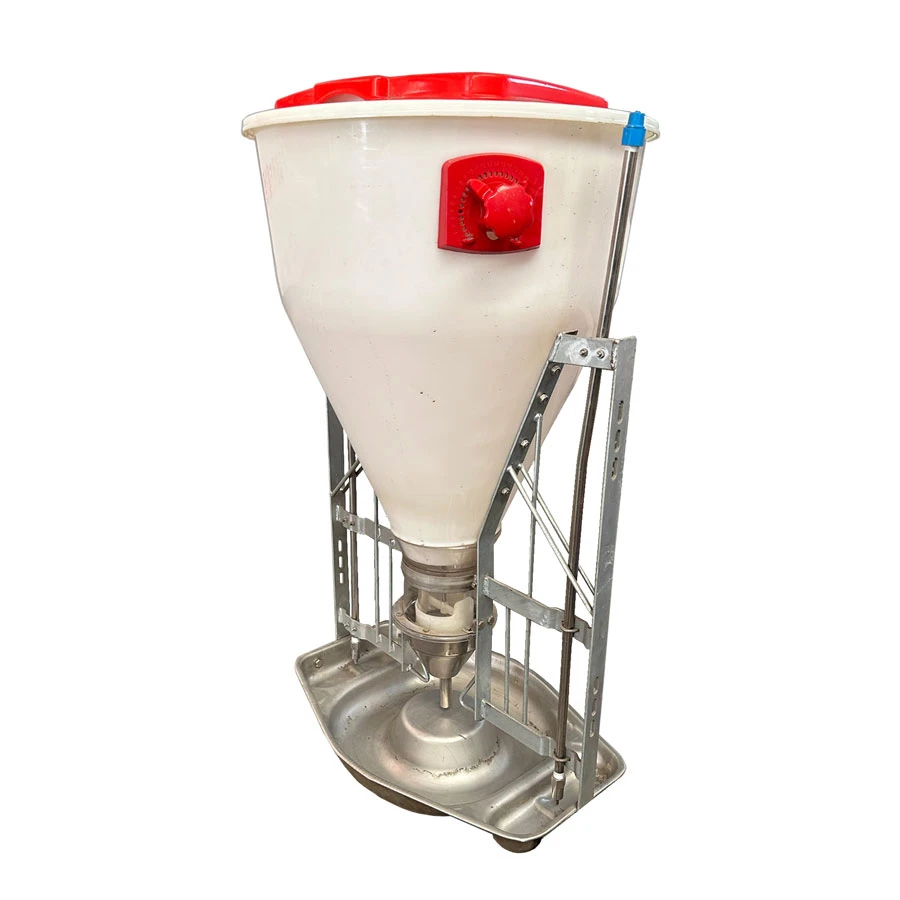
Features like secure lids, moisture-proof seals, and simple mechanisms for filling and dispensing feed make these bins user-friendly. Cleaning is quick, which helps maintain hygiene and prevents contamination.
Product Specification Snapshot
| Specification | Detail |
|---|---|
| Material | Hot-dip galvanised steel (Z275 coating) |
| Capacity | 100 kg to 3,000 kg (varied models) |
| Dimensions | Varies; standard cylindrical or rectangular |
| Features | Sealed lids, moisture barrier, stackable option |
| Weight | Between 15 - 80 kg depending on size |
How These Bins Drive Real-World Benefits Around the Globe
In Australia’s cattle belt, galvanised feed bins help ranchers store feed safely during drought periods. The bins’ robust materials mean they endure harsh sun and dust storms with minimal impact.
Similarly, in East Africa, NGOs supporting pastoralist communities use galvanised bins to deliver feed as part of climate adaptation projects. Here, portability and protection from pests are vital.
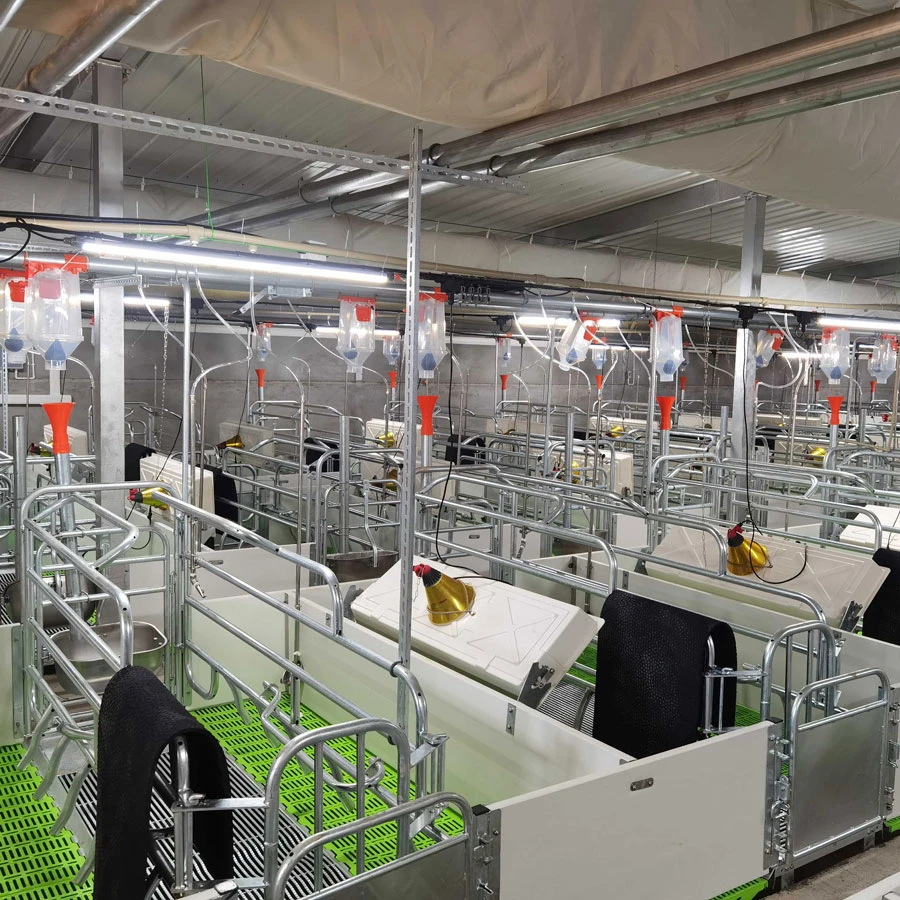
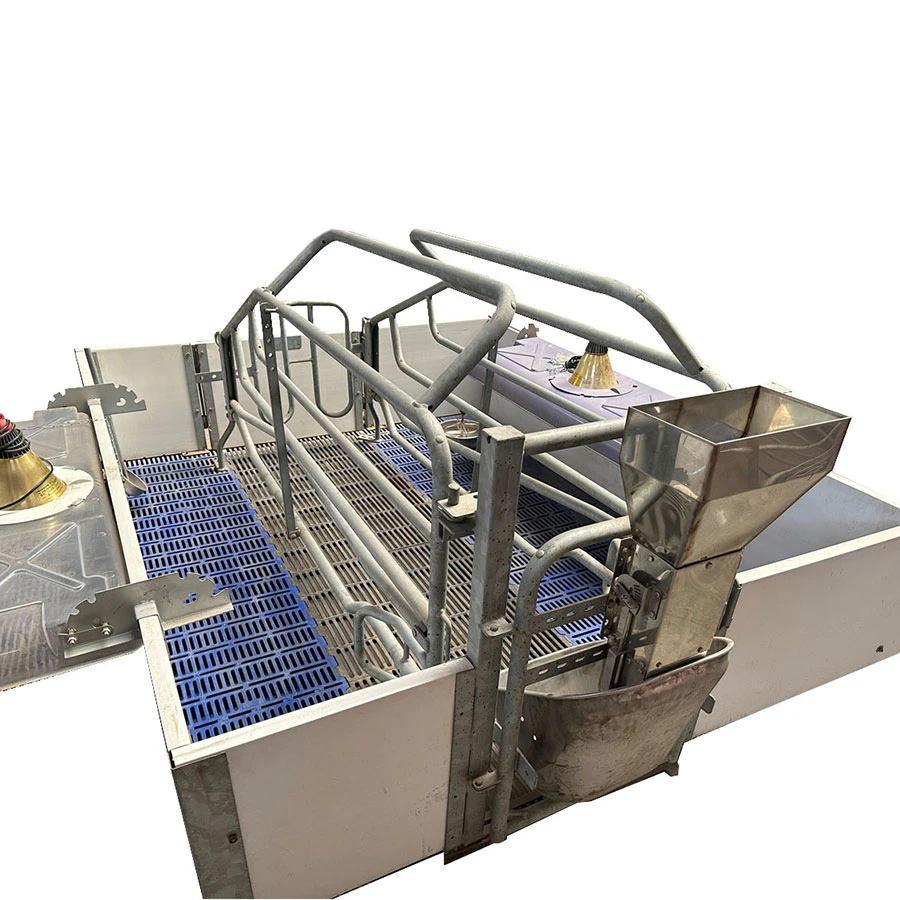
Meanwhile, commercial pig and poultry farms in Europe and North America rely on these bins as part of their automation lines — ensuring feeds remain uncontaminated and flow efficiently into automated feeders.
Vendor Comparison: Picking the Right Supplier
| Vendor | Capacity Range | Price Range | Customization | Lead Time |
|---|---|---|---|---|
| AgriStor Ltd. | 100-1,500 kg | $250 - $800 | Color and lid options | 2-3 weeks |
| SteelFarm Solutions | 200-3,000 kg | $400 - $1,200 | Custom sizes, branding | 3-4 weeks |
| FarmGear Direct | 50-1,000 kg | $180 - $650 | Limited, mostly standard | 1-2 weeks |
What Are the Advantages of Using Galvanised Animal Feed Bins?
- Cost Savings: Less feed spoilage means more value delivered from every kilo of feed purchased.
- Sustainability: Galvanisation reduces the need for replacements, lowering waste and resource use.
- Animal Health: Protected, uncontaminated feed supports livestock wellbeing and yields.
- Safety and Security: Strong, lockable bins can secure feed stocks from theft or pests.
Beyond the business bottom line, there’s something reassuring about using equipment designed to last and protect. For many farmers, it’s a quiet but solid trust they place in technology — trust that every feed bag poured from the bin is as fresh and nourishing as it should be.
What’s Next? Future Trends Shaping Feed Storage
We're already seeing advances that blend smart tech with traditional robust metals. Imagine bins equipped with sensors to monitor humidity or feed levels in real-time, connected IoT-style to farm management apps. Green coating alternatives to galvanising and lightweight alloys may reduce environmental impact further.
Automation will also push feed bins into new roles, integrating seamlessly with robotic feeders and realtime inventory analytics. This could revolutionize how small-scale and industrial farms alike plan their feed cycles.
Common Challenges & How to Overcome Them
One persistent issue is the upfront cost, which can deter smallholders in emerging markets. Solutions like cooperative purchasing, rental schemes, or subsidies are proving successful in places like Kenya and India.
Another challenge is transport and installation in remote areas. Recent innovations in knockdown (flat-pack) bins that assemble on-site are interesting; they reduce freight costs and enable last-mile access.
FAQ: Your Questions About Galvanised Animal Feed Bins, Answered
- Q: How long do galvanised animal feed bins typically last?
- A: With proper care, these bins can last 15-20 years or more. The zinc coating greatly reduces rust and corrosion, which are the main enemies of longevity.
- Q: Can these bins be used outdoors year-round?
- A: Absolutely. The galvanised steel is designed for outdoor use, resisting moisture and UV rays. Just ensure lids are sealed to prevent water ingress.
- Q: Are they easy to clean and maintain?
- A: Yes, that’s one of their strengths. Smooth steel surfaces wipe clean effortlessly. Regular inspection for dents or scratches keeps the anti-rust coating intact.
- Q: What sizes are available for small-scale farms?
- A: Many suppliers offer bins starting as small as 50-100 kg capacity, perfect for small farmers or backyard operations needing manageable amounts of feed storage.
- Q: How do these compare to plastic feed bins?
- A: Galvanised steel bins are generally more durable, resistant to pests and UV damage, and better at maintaining feed dryness long-term, though plastic bins often come at a lower upfront price.
Wrapping Up: Why Galvanised Animal Feed Bins Are Worth Considering
When it comes to handling animal feed, the age-old advice “store it right” remains crucial. Galvanised animal feed bins bring this wisdom into the 21st century with their durable materials, thoughtful design, and adaptability for diverse farming contexts.
If you’re exploring ways to safeguard feed quality, reduce losses, and build a sustainable system, these bins are a solid investment. For tailored options, specs, and more, visit galvanised animal feed bins suppliers who understand your unique needs.
In the end, it’s about smarter resource use — protecting what’s inside so your livestock thrives, your business stays healthy, and we all move toward a more food-secure world.
References
Post time: Dec . 02, 2025