The Unsung Hero of Livestock Management: Galvanised Feed Storage
When thinking about livestock sustainability, food security, or even humanitarian aid in rural areas, galvanised feed storage often doesn’t make the front pages. But honestly, it’s a quiet powerhouse that helps keep animals well-fed and farmers sane worldwide. In simple terms, these storage systems — typically metal bins or silos treated with a galvanised coating — protect feed from moisture, pests, and the elements. That protection means animals get consistent nutrition, farmers avoid costly spoilage, and operations run smoother across the globe.
Why does this matter? According to the Food and Agriculture Organization (FAO), nearly one-third of all food produced globally is lost or wasted, often due to poor storage.1 Feed loss adds unnecessary strain on already stretched agricultural resources, with ripples affecting economies and food security. Understanding the role of galvanised feed storage helps reveal a small, ingenious solution for a gigantic global challenge.
Galvanised Feed Storage in the Global Context: Why It Matters More Than You Think
Feed storage might sound niche, but its global impact is surprisingly broad. From small-scale farmers in Sub-Saharan Africa to commercial ranches in North America, storage solutions guard a vital resource. The United Nations estimates that livestock provides livelihoods for 1.3 billion people worldwide.2 Yet, feed wastage due to spoilage means lost income and jeopardized food chains.
Now, consider climate change’s increasing unpredictability: erratic rains, floods, and heatwaves make simple, durable feed storage even more critical. Galvanised feed storage bins, coated in zinc to prevent rust and corrosion, stand out because of their resilience. These features address the persistent challenge of protecting organic feed stock from weather damage and infestation.
Frankly, this type of storage is often overlooked in policy discussions but figures heavily in practical, on-the-ground livestock management strategies.
What Exactly is Galvanised Feed Storage?
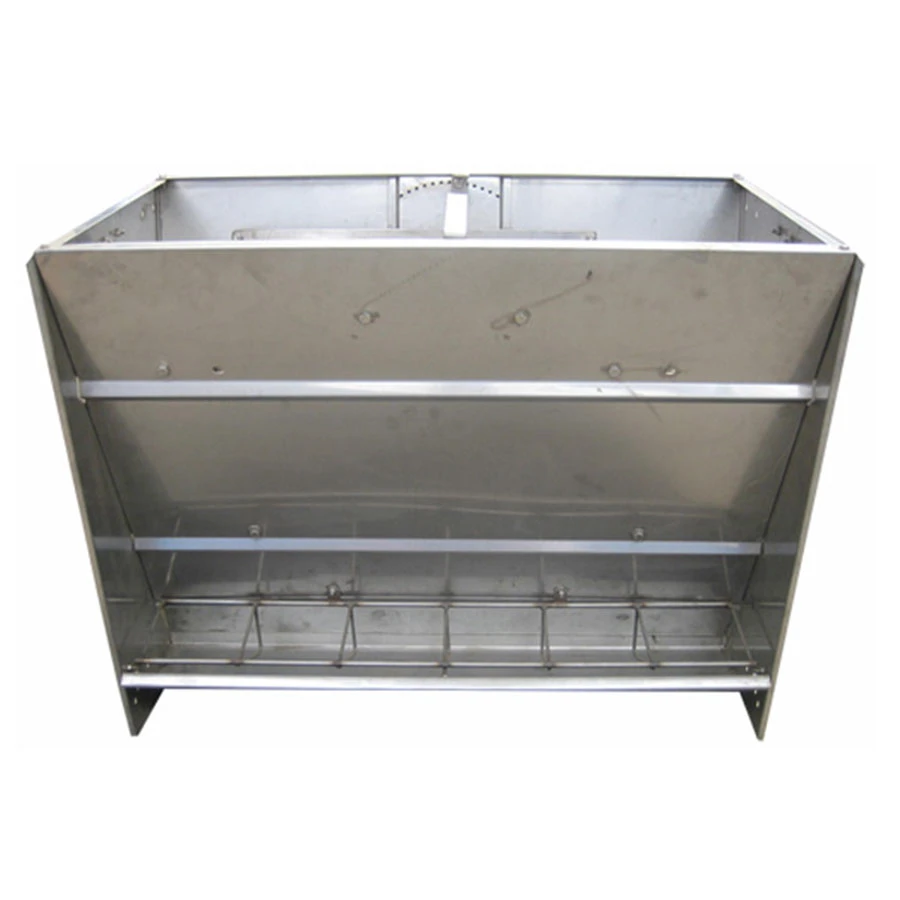
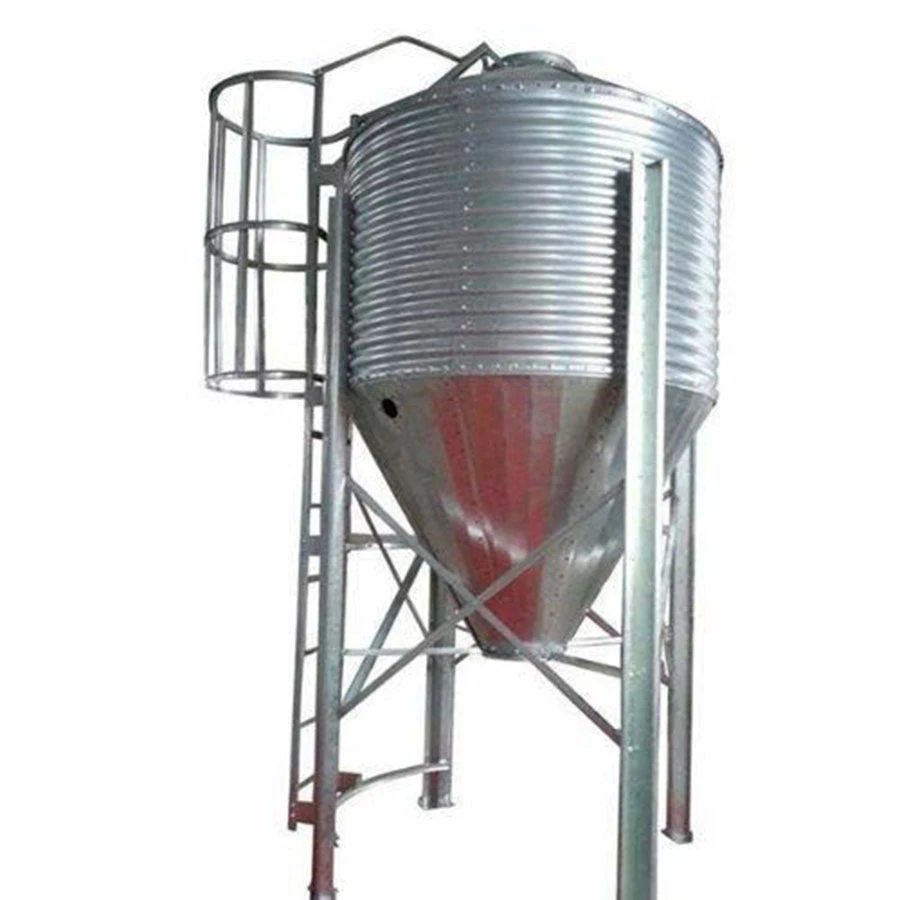
At its core, galvanised feed storage refers to containers or silos made from steel sheets coated in zinc—thanks to galvanisation—that store animal feed safely. Zinc creates a protective layer that prevents rust, boosting the structural life of the container. In practical terms, it’s a weatherproof, pest-resistant safeguard for grains, pellets, hay, or mixed feed.
Think of it as a modern-day locker for livestock meals, designed to keep the contents fresh no matter the season. This is especially crucial for regions where humidity or heavy rains would otherwise spoil unsecured feed quickly.
Why the Connection to Industry and Humanitarian Work?
Besides farms, many NGOs and agricultural development projects deploy galvanised feed storage in disaster relief zones or developing regions. Reliable feed means resilience: healthier animals translate not just into food security but economic stability and community dignity.
Core Components That Make Galvanised Feed Storage Stand Out
1. Durability
The galvanised zinc coating is a game-changer, preventing corrosion in harsh environments. It ensures the container stays intact for years, reducing maintenance costs and the risk of contamination.
2. Pest and Rodent Resistance
Unlike wooden or fabric storage, metal resists gnawing rats and insect intrusion, protecting feed quality significantly.
3. Scalability and Modularity
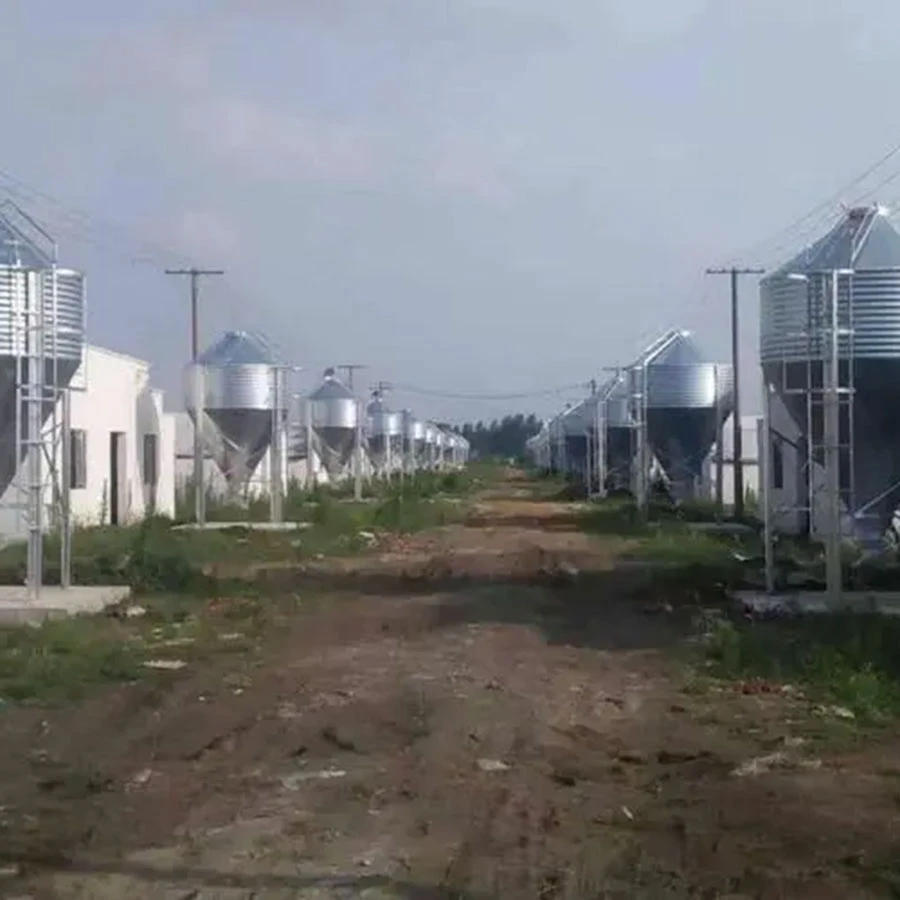
These systems come in various sizes, from small 200kg bins suitable for family farms to massive silo systems used in commercial feedlots. Their modular nature allows farmers to expand storage effortlessly when needed.
4. Cost Efficiency Over Time
While upfront cost may be higher than plastic or traditional containers, the long life, low maintenance, and reduced feed waste make galvanised feed storage economically sensible.
5. Ease of Cleaning and Maintenance
Smooth metal surfaces simplify cleaning and reduce contamination risk. This is critical in managing diseases and maintaining feed safety.
Mini takeaway:
Choosing galvanised feed storage is not just about metal versus plastic – it’s about investing in long-term protection, performance, and farm resilience.
Real-World Applications: How and Where Galvanised Feed Storage Makes a Mark
From the dry plains of Australia to the humid tropics of Southeast Asia, galvanised feed storage solves real problems:
- Commercial Ranches: Large-scale operations use galvanised silos to store thousands of tons of feed, ensuring smooth year-round supply.
- Subsistence Farmers in Africa and Asia: Compact bins improve food security by preserving small batch supplies.
- Post-Disaster Relief: Relief organizations supply secure feed storage to communities recovering from floods or drought, reducing losses during vulnerable periods.
- Remote Industrial Zones: Mining or forestry camps feed livestock in hard-to-reach areas using portable galvanised storage containers.
Oddly enough, I noticed in a recent report how some NGOs prefer galvanised storage over plastic mainly because plastic can crack in cold or degrade with UV exposure, while galvanised metal remains reliably robust.
Product Specifications Snapshot
| Feature | Specification |
|---|---|
| Material | Galvanised Steel (Zinc coated) |
| Capacity Range | 200 kg – 20,000 kg |
| Corrosion Resistance | High (Zinc layer up to 15 microns) |
| Typical Lifespan | 15–25 years |
| Pest Protection | Rodent-proof with sealed lids |
| Maintenance | Periodic cleaning, zinc repair if scratched |
Galvanised Feed Storage Vendors at a Glance
| Vendor | Product Range | Approximate Price | Region Served | Notable Features |
|---|---|---|---|---|
| AgriSteel Co. | Small to large silos (0.2 - 15T) | $500 - $7,500 | North America, Australia | Custom sizes, reinforced steel |
| ZincStore Global | Mid-range bins (500kg - 10T) | $1,200 - $8,000 | Global | Eco-friendly galvanisation, fast assembly |
| Livestock Solutions | Custom modular bins (200kg - 5T) | $450 - $5,000 | Africa, Asia | Affordable kits, rapid shipment |
The Advantages You Can’t Overlook
Why do many livestock managers swear by galvanised feed storage? It boils down to a few key benefits:
- Longevity: Unlike untreated steel, galvanisation wards off rust, often lasting two decades.
- Reduced Feed Losses: Protective, sealed containers reduce spoilage from moisture and pests.
- Cost Effectiveness: Though initial investment is higher than plastic, the lifespan and reduced waste save money over time.
- Environmental Benefits: Galvanised steel is recyclable and often requires less frequent replacement, lowering environmental footprint.
- Animal Health and Productivity: Consistent feed quality leads to better animal growth and yield.
On an emotional level, providing reliable feed storage means farmers sleep better at night — worrying less about wasted resources or losing vital food supplies.
Looking Ahead: Innovations and Future Trends
The world of galvanised feed storage isn't standing still. Here are the exciting directions to watch:
- Enhanced Coatings: New zinc-aluminum alloys improve corrosion resistance and lifespan.
- Smart Storage: Sensors that monitor moisture, temperature, and feed levels remotely are starting to be integrated.
- Energy Efficiency: Solar-powered drying units paired with storage containers to reduce spoilage risk.
- Modular and Portable Designs: Lightweight, easily shipped units supporting rapid deployment in emergencies.
- Green Policies: Renewed emphasis on sustainability is driving recyclable materials and low-impact production processes.
In real terms, this means your galvanised feed storage of tomorrow might be part machine, part weather-vigilant guard — keeping feed fresher and safer than ever before.
Challenges and Practical Solutions
No solution is perfect. Galvanised feed storage faces its share of hurdles:
- Upfront Cost: For many smallholders, initial investment can be intimidating.
- Corrosion Damage if Scratched: Surface damage compromises the zinc coating, causing rusting if untreated.
- Weight and Portability: Steel silos are heavy and sometimes challenging to relocate.
Yet, experts suggest straightforward fixes: subsidized financing models for small farmers, periodic maintenance workshops, and lighter alloys for portability. Combining galvanised storage with galvanised feed storage accessories like moisture barriers and sealing systems is another growing trend.
FAQ: Clearing Up Your Questions on Galvanised Feed Storage
Q1. How long does galvanised feed storage typically last in humid conditions?
A1. With proper maintenance, galvanised feed storage can last 15-25 years even in humid climates. The zinc coating protects steel from rust, but regular inspections to repair scratches or dents maximize lifespan.
Q2. Is galvanised feed storage better than plastic for pest control?
A2. Generally, yes. Metal bins with tight seals resist rodent gnawing and insect entry better than plastic containers, which can crack and allow pests inside.
Q3. How easy is it to install these storage bins on small farms?
A3. Many vendors offer modular galvanised feed storage kits designed for easy assembly without heavy machinery, perfect for small and remote farms.
Q4. Can NGOs ship these containers to remote disaster zones quickly?
A4. Yes, some manufacturers specialize in portable, lightweight galvanised feed storage units designed for rapid deployment and rudimentary handling in relief scenarios.
Q5. How much does a mid-sized galvanised feed silo usually cost?
A5. Mid-sized silos (around 5,000 kg capacity) can range from $1,500 to $5,000 depending on features and shipping. Comparing vendors helps find the best value.
Conclusion: Investing in Stability and Sustainability
Galvanised feed storage may not make headlines, but its role in securing animal feed is crucial. From reducing loss and improving animal health to supporting disaster resilience and sustainable farming, it delivers multi-layered value. If you’re looking to enhance your livestock management, understanding and implementing galvanised feed storage solutions is a no-brainer.
Interested in finding the right system for your needs? Visit our website for expert advice and quality galvanised feed storage options that suit everything from family farms to industrial-scale operations.
References
Post time: Dec . 02, 2025