Why a Galvanised Metal Feed Bin Matters More Than You Think
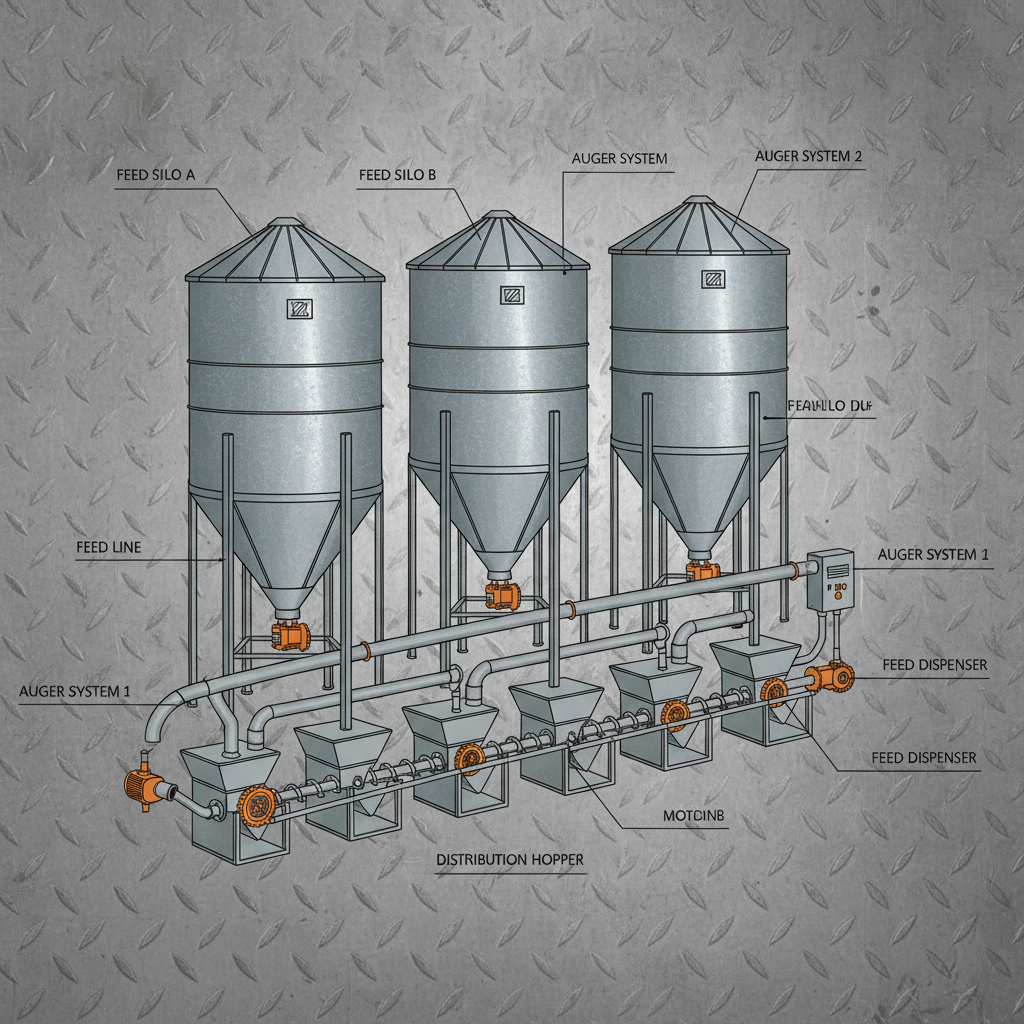
When thinking about livestock management, the straightforward idea of a galvanised metal feed bin might not sound glamorous. But globally, these bins play a surprisingly crucial role in sustainable farming, effective animal nutrition, and even food security. Understanding their design and function can lead to better livestock productivity and resource efficiency, especially in regions where weather and pests run rampant. Plus, they’re a key piece of the puzzle for organizations working in disaster zones or remote agricultural communities.
Introduction: A Global Look at Galvanised Metal Feed Bins
Worldwide, livestock farming contributes significantly to economies, especially in developing countries. According to the Food and Agriculture Organization (FAO), over 1.3 billion people depend on livestock for their livelihood. Yet, managing feed safely and efficiently remains a challenge. Enter the galvanised metal feed bin — a solution designed to protect feed from moisture, pests, and contamination.
Its significance becomes clear when you consider that feed loss can reach up to 15% in unprotected storage, contributing to wasted resources and poor animal health. The corrosion-resistant qualities of galvanised steel ensure these bins last longer in harsh climates, offering a cost-effective method to reduce such losses.
What Exactly Is a Galvanised Metal Feed Bin?
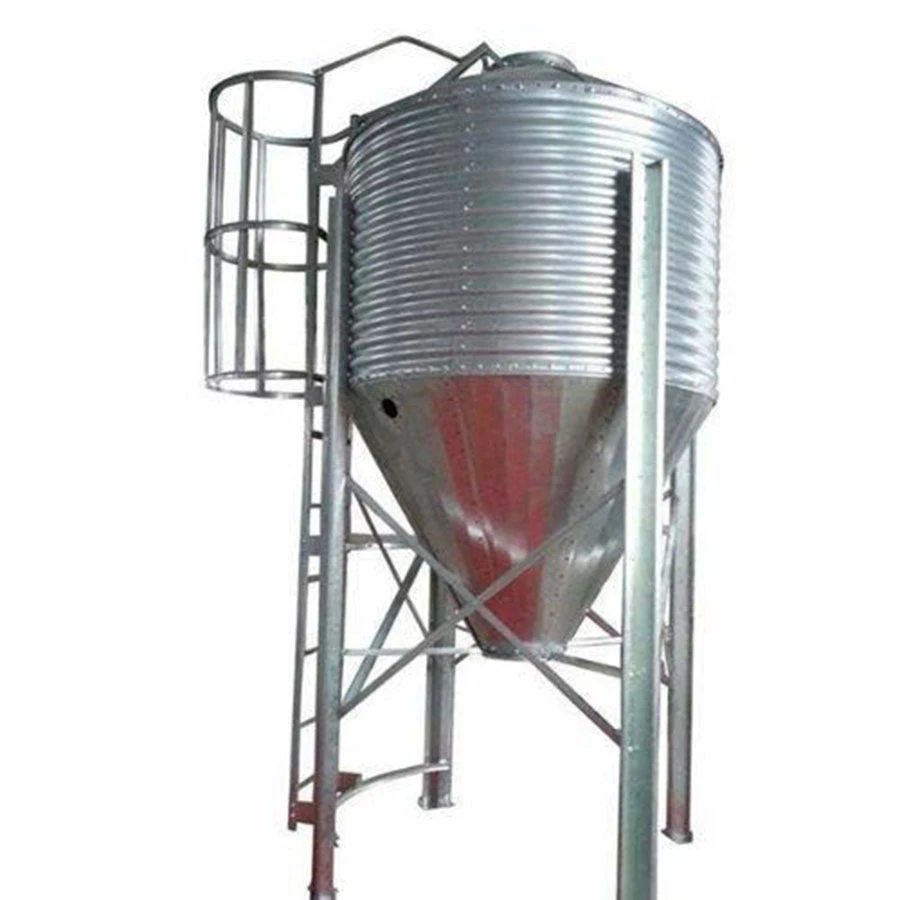
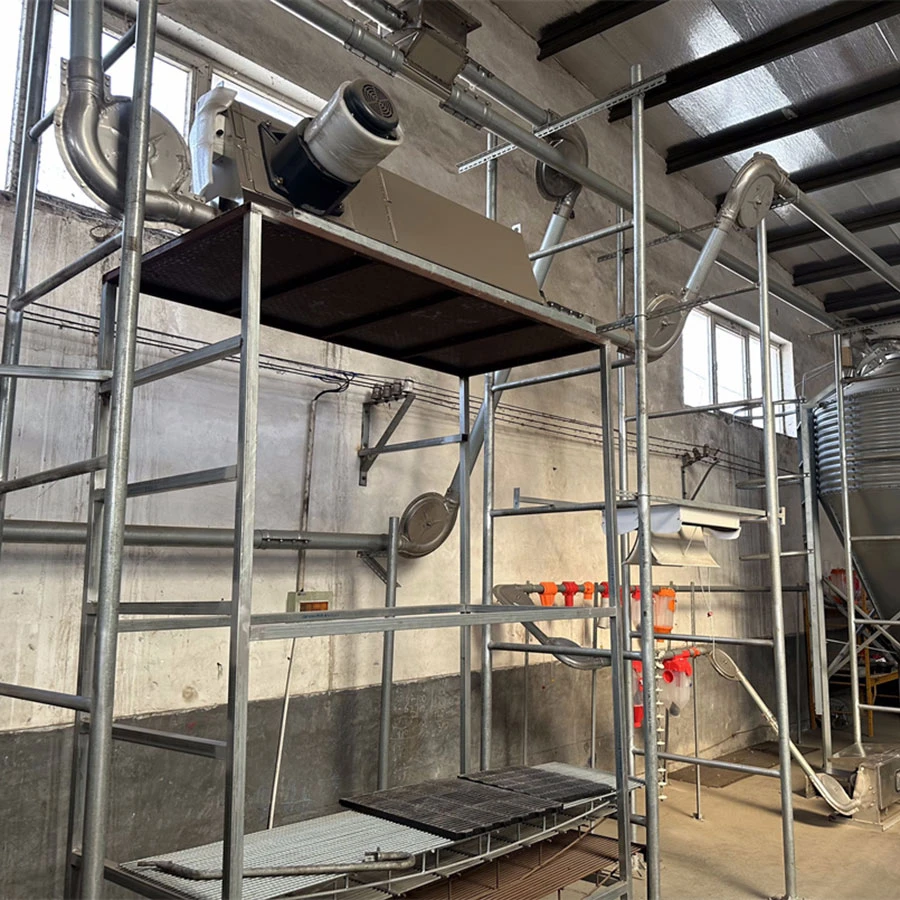
Simply put, a galvanised metal feed bin is a storage container made primarily from steel coated with a layer of zinc to prevent rusting. They are designed to hold feed—grain, pellets, or mash—safe from rain, pests, and humidity.
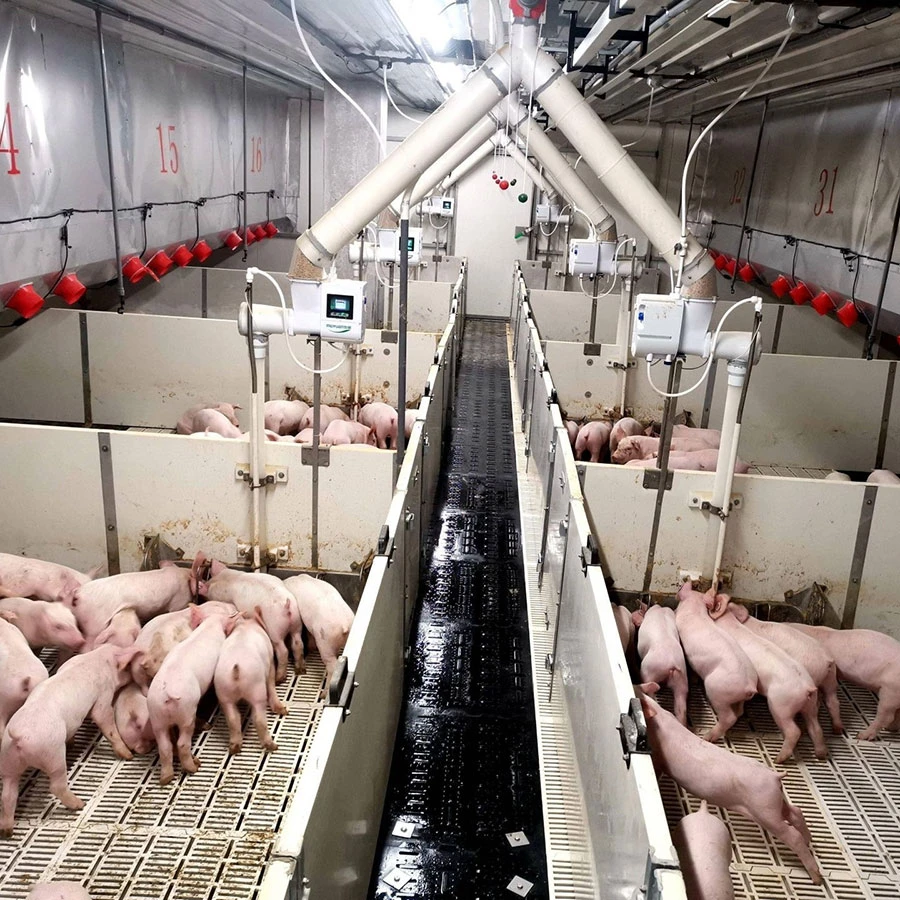
In industrial or humanitarian contexts, these bins offer reliable storage on farms, feedlots, and relief camps, helping to preserve nutrition quality. They support modern livestock farming practices by ensuring steady, uncontaminated feed supply.
Key Features That Make These Bins Essential
1. Durability
Galvanisation protects the steel bin from rust and degradation, which is especially important in humid or rainy environments. In my experience, when farms use ordinary metal bins, rust hastens wear and risks feed contamination.
2. Capacity and Scalability
Bins come in a range of sizes—from small 200kg units to massive 5,000kg silos—allowing scalable solutions for different farm sizes or operational needs. This adaptability means they serve both a small family ranch and a large commercial feedlot.
3. Pest Resistance
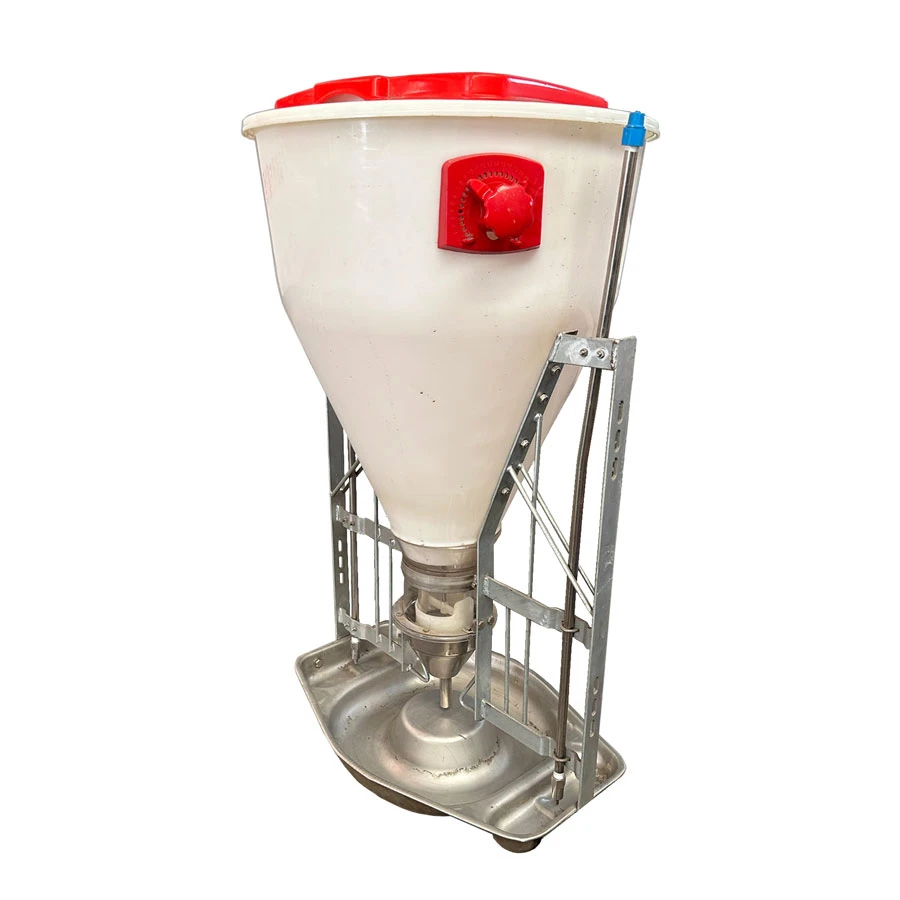
Galvanised metal bins offer solid physical barriers against rodents and insects, preventing costly spoilage that plastic or fabric feeders can’t always avoid.
4. Cost Efficiency
Though initial costs might seem higher than plastic alternatives, their longevity and lower maintenance translate into considerable savings over 5–10 years.
5. Ease of Transportation and Installation
Many models are modular or lightweight enough to transport into remote areas or disaster zones where they deliver quick, reliable feed storage solutions during critical times.
6. Environmental Impact
Galvanised steel is recyclable – so these bins have a smaller environmental footprint compared to many plastic feeders. As sustainability gets prioritized, this feature is a strong selling point.
Where in the World Do These Bins Make a Difference?
From the vast Australian Outback to the chilly Scandinavian farms, these feed bins have found their place. In Africa’s semi-arid regions, farmers rely on them to keep feed dry during unpredictable rains. In North America, large-scale feedlots use them to ensure steady supplies year-round. Even humanitarian agencies often deploy galvanised feed bins after natural disasters to support livestock recovery—a crucial step for food security and community resilience.
For example, during the 2020 floods in South Asia, NGOs used galvanised bins to prevent feed spoilage in flood-prone areas, saving tens of thousands of dollars worth of livestock nutrition.
Advantages Beyond the Obvious
- Cost savings: Longevity means fewer replacement cycles.
- Health benefits: Reduced spoilage helps keep animals healthy.
- Environmental sustainability: Reusable and recyclable materials.
- Reliability: Withstand diverse weather conditions—critical when feed supply chains get disrupted.
- Safety & dignity: Reliable feed storage supports livestock keepers’ livelihoods, reinforcing social stability.
Looking Ahead: Innovations in Feed Bins
Technological advances are on the horizon. Manufacturers are exploring integrating IoT sensors inside galvanised bins to monitor feed levels and temperature in real-time—helping farmers avoid spoilage before it starts. Some prefer lighter but stronger alloys combined with galvanisation to reduce weight but retain strength.
Also, the push towards circular agriculture practices means future bins might double as composting units or be designed fully for end-of-life recycling. And automation in feed distribution, linked with these bins, is becoming popular on intensive farms.
Facing Challenges: What Could Go Wrong?
Of course, no product is perfect. Galvanised metal can dent if handled roughly, and zinc coatings may wear over decades, especially in salty or industrial environments. Transporting very large bins to extremely remote regions can pose logistical headaches too.
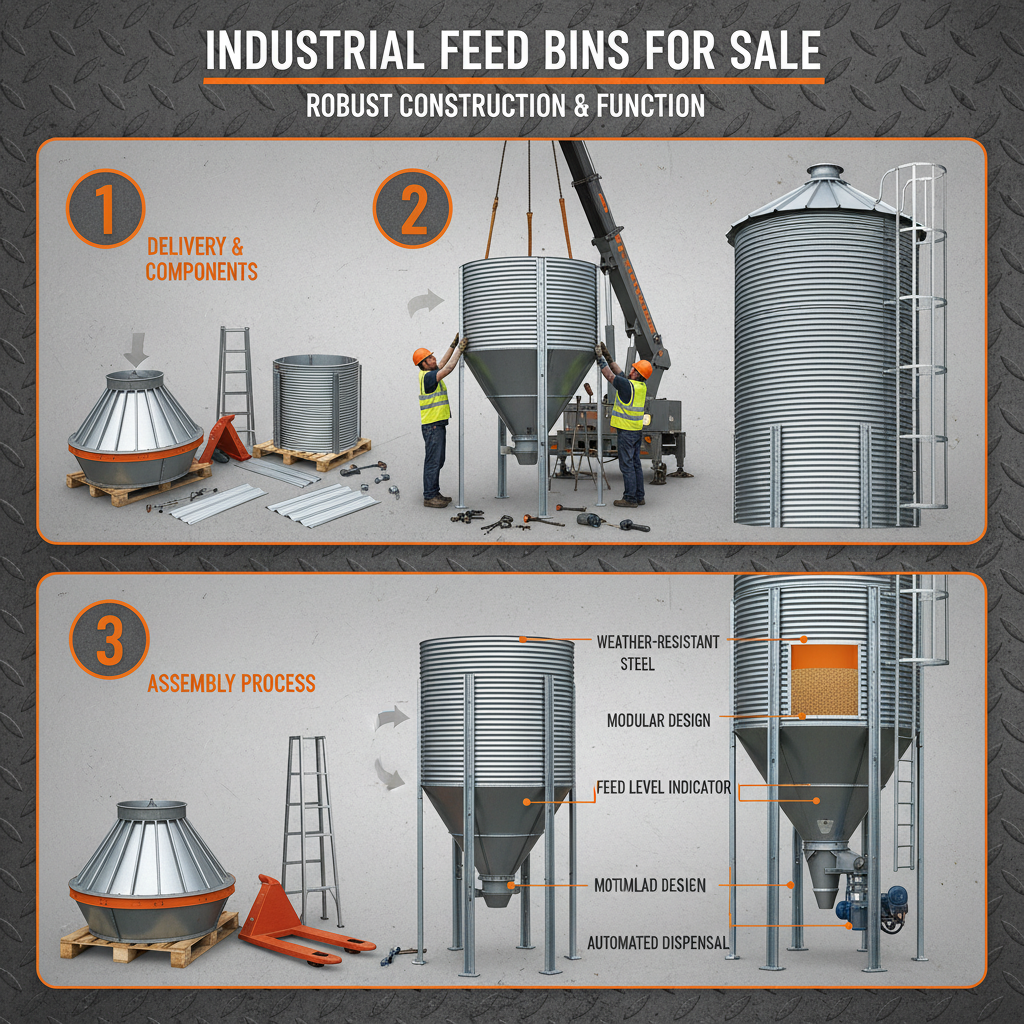
One smart solution is modular design — bins that break down for shipping, then assemble onsite. Enhanced coatings and regular maintenance extend life. And mixing materials thoughtfully helps balance cost and robustness.
Product Specifications: Typical Galvanised Metal Feed Bin
| Specification | Details |
|---|---|
| Material | Galvanised steel sheet, 1.2-2mm thickness |
| Capacity | 500 to 5,000 kg feed volume |
| Dimensions (varies) | Height: 1.2-4 m; Diameter: 0.8-2 m |
| Protective Coating | Hot-dip galvanisation; optional powder coating |
| Weight | 30-150 kg (depending on size) |
| Pest Protection | Sealed lids, rodent-proof edges |
Vendor Comparison of Galvanised Metal Feed Bins
| Vendor | Offering Range | Price Range (USD) | Lead Time | Warranty |
|---|---|---|---|---|
| SteelFarm Inc. | 200kg – 3000kg | $150 - $1200 | 2-4 weeks | 5 years |
| AgriStore Ltd. | 500kg – 5000kg | $500 - $3500 | 3-6 weeks | 7 years |
| FarmGear Co. | 300kg – 2500kg | $200 - $1000 | 1-3 weeks | 3 years |
Frequently Asked Questions about Galvanised Metal Feed Bins
Q1: How long does a galvanised metal feed bin typically last?
A well-made galvanised metal feed bin can last 10 to 15 years, sometimes longer if properly maintained. The zinc coating protects the steel from rusting, which extends service life much beyond simple steel bins.
Q2: Are galvanised steel bins safe for all types of animal feed?
Yes. These bins are chemically inert due to their coating and generally safe for grains, pellets, and mixed feeds. However, avoid storing acidic or heavily corrosive materials that could degrade the coating.
Q3: Can these bins be used outdoors in extreme climates?
Absolutely. They withstand rain, snow, and heat well thanks to galvanisation. For coastal or highly corrosive environments, additional protective coatings may be recommended.
Q4: Is it possible to customize the size and features of galvanised metal feed bins?
Many manufacturers offer custom sizes, lids, and feeding access options. This flexibility allows farmers and organizations to select bins best suited to their specific operation scale and needs.
Q5: How can I transport these bins to remote or disaster-affected areas?
Modular models that break down or stackable designs help ease transportation. Partnering with specialized logistics providers experienced with agricultural or humanitarian shipments is often necessary.
Conclusion: Why Invest in a Galvanised Metal Feed Bin?
At the end of the day, a galvanised metal feed bin is more than just a container. It is a robust, reliable link in the supply chain of animal nutrition—a small but vital infrastructure piece that helps farmers protect their feed investments, sustain animal health, and contribute to food security globally. Choosing quality galvanised bins means fewer losses, better livestock performance, and peace of mind.
For those ready to level up their feed storage, or planning a bulk farm upgrade, visit our website to explore a wide range of trusted, durable galvanised feed bins built to last and deliver.
Post time: Dec . 02, 2025