Galvanized Feed Storage: The Backbone of Livestock Nutrition Worldwide
When you think about the health of livestock across the globe, one of the silent heroes behind the scenes is galvanized feed storage. At first glance, it might seem like just a storage container, but it’s so much more. It stands as a practical solution to age-old problems—preserving feed quality, preventing contamination, and ensuring the consistent nutrition livestock need daily. In places where agriculture is the heart of the economy, these storage methods truly matter.
Understanding the nuances of galvanized feed storage is crucial. It helps farmers, agricultural engineers, and policy-makers worldwide optimize food security, reduce waste, and improve animal welfare. Plus, with increasing global demands on protein production, having robust, scalable feed storage solutions is only growing in importance.
The Global Context: Why Galvanized Feed Storage Matters More Than Ever
In a world where the United Nations estimates that agricultural efficiency must rise by 70% to feed the population expected by 2050, fortified systems like galvanized feed storage are key. Roughly 40% of global agricultural output comes from livestock, requiring consistent, dependable feed storage technologies. Yet feed spoilage and contamination remain a challenge, especially in humid or disaster-prone regions.
Moreover, galvanized feed storage directly addresses the post-harvest loss problem. According to the Food and Agriculture Organization (FAO), losses during storage can account for up to 30% of feed in developing countries—with devastating economic and social consequences.
To put it plainly, as climate change triggers more extreme weather patterns, durable storage is no longer a luxury but a necessity—for farmers in sub-Saharan Africa, Southeast Asia, and even industrialized nations.
What Exactly Is Galvanized Feed Storage?
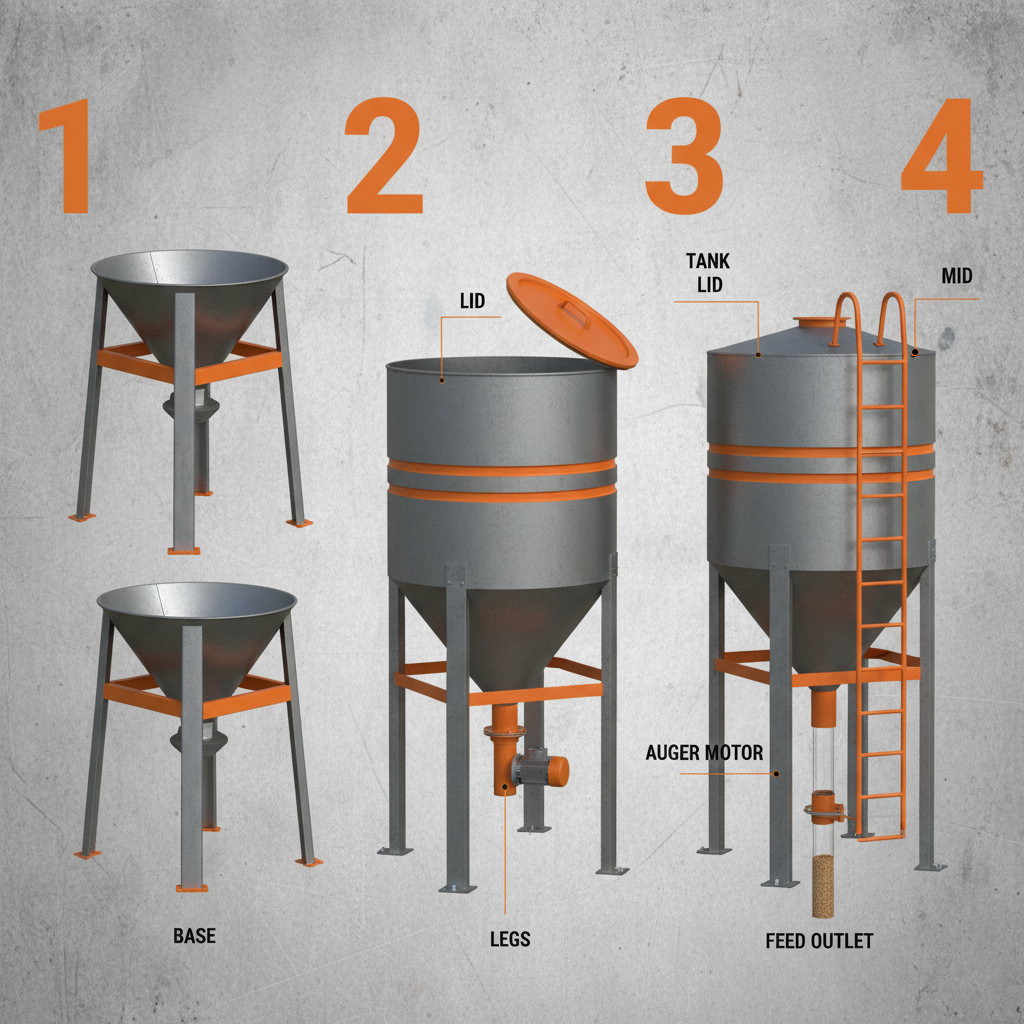
Simply put, galvanized feed storage refers to containers or bins coated with a zinc layer (galvanization) to protect steel or iron from corrosion. This zinc barrier dramatically prolongs the life of the storage unit by preventing rust—particularly important in agricultural settings where moisture and pests are often persistent foes.
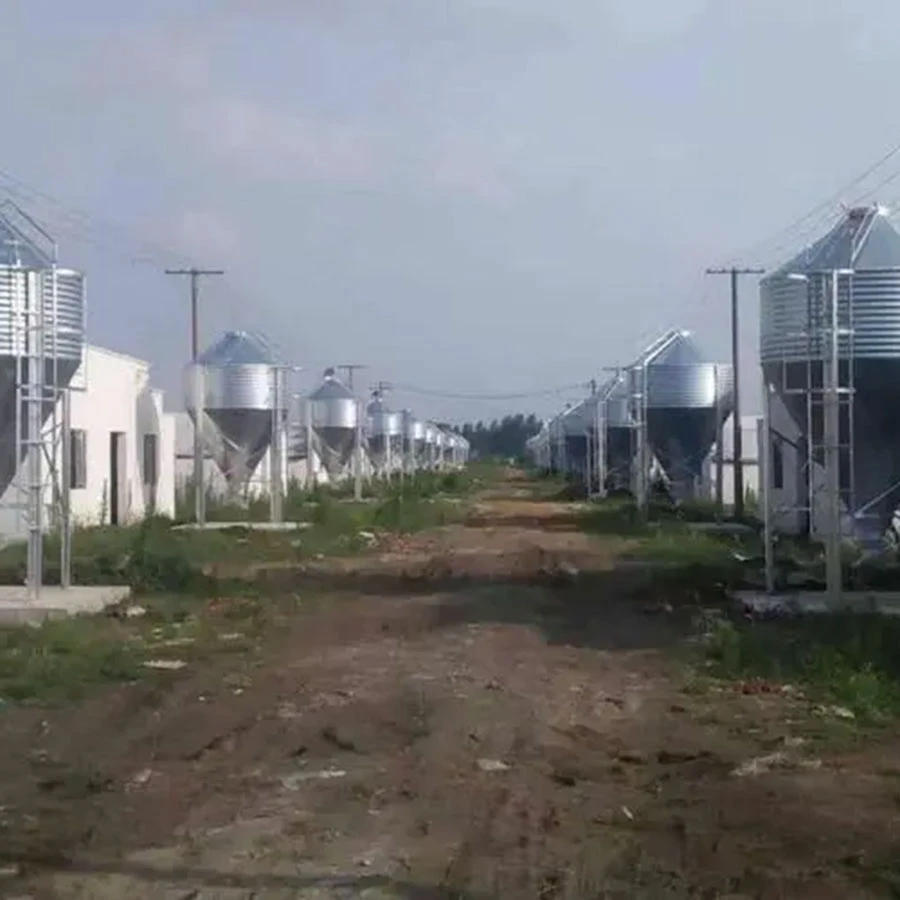
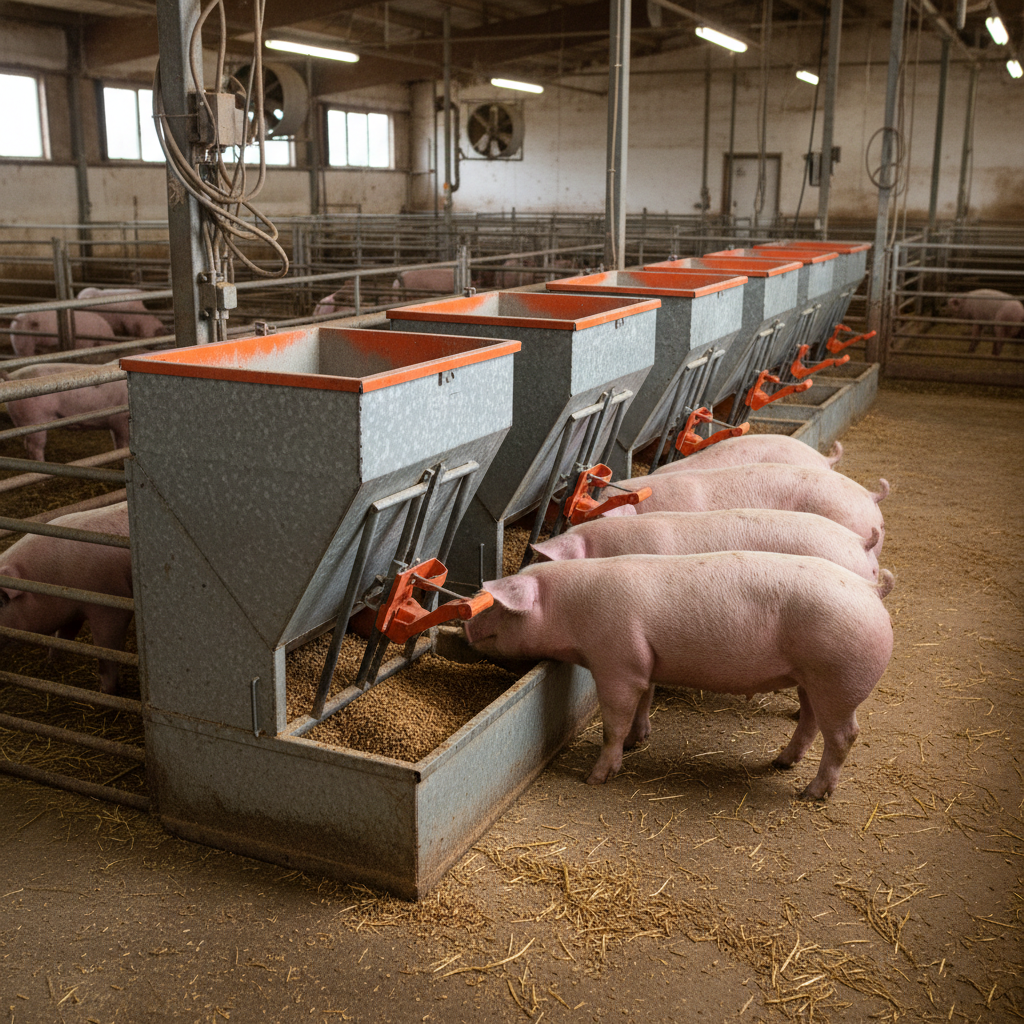
It is a storage method tailored to the realities of modern farming: protecting feed (whether grain, pellet, silage, or mixed rations) from environmental damage, infestation, and contamination. Whether stored indoors or outside, galvanized silos and bins serve as critical infrastructure supporting efficient, sustainable livestock feeding operations worldwide.
Key Factors in Galvanized Feed Storage
Durability: Built to Weather the Storm
Many engineers say that galvanized steel's strength lies in its resistance to rust—even after years of rain, snow, or sun exposure. This durability reduces frequent replacements, saving farmers both time and money. It's not just about longevity but about reliable protection against moisture and pests.
Scalability: From Family Farms to Commercial Feedlots
One of the beautiful things is how galvanized feed storage can be sized up or down. Small bins for local farms, massive silos at industrial complexes—there’s versatility in design to fit nearly any operation. This scalability means feeding operations can expand without worrying about switching technologies.
Cost Efficiency: Balancing Initial Investment and Lifespan
The upfront cost might feel steep for some, but when you calculate lifecycle expenses—maintenance, replacement, and feed loss—a galvanized setup usually pays for itself robustly. Plus, it opens possibilities for customization, helping optimize space and feed types stored.
Pest Resistance: Keeping Critters at Bay
Galvanized surfaces are inherently less appealing to rodents and insects. When combined with proper sealing and design features, these bins protect feed quality much better than untreated containers, directly impacting animal health.
Ease of Maintenance: Simple Yet Effective
While steel surfaces require occasional inspections, the galvanization significantly cuts down cleaning hassles. For many users, that ease is a relief after long days managing other farm chores.
Global Applications & Real-World Examples
Galvanized feed storage finds wide application—from the dusty ranches of Australia to the cold plains of Canada and the tropical farms of Brazil. In humanitarian contexts, NGOs use galvanized bins in post-disaster relief to safely store feed and seeds, enabling quicker recovery of rural livelihoods.
For instance, in East Africa, the International Livestock Research Institute (ILRI) emphasizes galvanized feed storage as key to supporting pastoralist communities with reliable dry-season feed stocks. Meanwhile, commercial dairy farms in Europe favor these solutions for their ease of integration with automated feeding systems.
Mini takeaway
- Galvanized feed storage is truly a global solution, adaptable from smallholder farmers to large-scale operations, and plays a pivotal role in food security and disaster resilience.
Advantages of Galvanized Feed Storage: More Than Just Metal Containers
- Economic Savings: Less frequent bin replacements, reduced feed spoilage, and lower pest damage all help minimize financial losses.
- Environmental Sustainability: Durable materials mean fewer landfills—plus teaming these bins with solar-powered monitoring systems boosts green farming practices.
- Animal Welfare: Ensuring clean, uncontaminated feed reduces animal diseases, enhancing productivity and farm income.
- Peace of Mind: Farmers sleep better knowing feed is safe from environmental threats and pests.
Think about it: feeding livestock well isn’t just an operational task, it drives livelihoods, community dignity, and innovation in agriculture worldwide.
Looking Ahead: Trends and Innovations in Galvanized Feed Storage
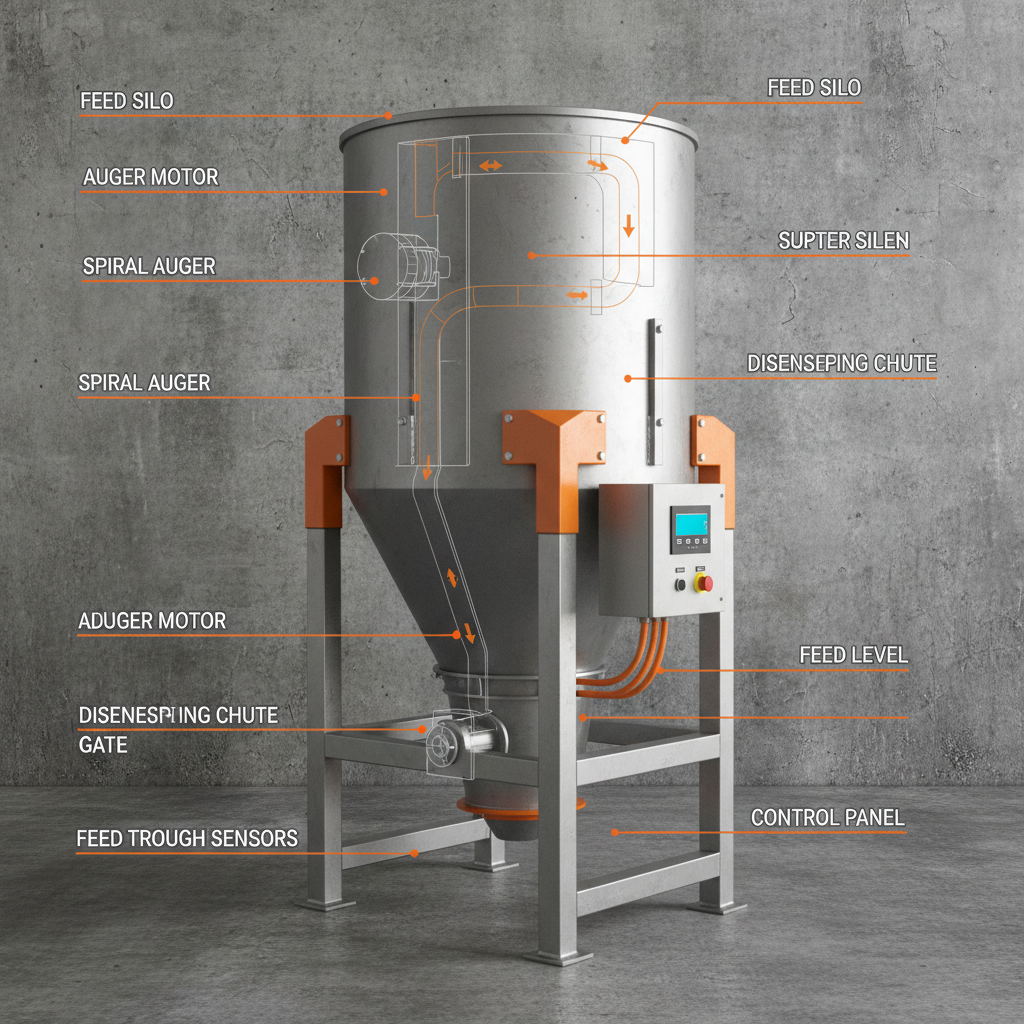
Frankly, the future looks promising. Emerging coating technologies are improving galvanization layers, making them even more resistant to abrasion and chemicals. There’s also a growing trend toward integrating IoT (Internet of Things) sensors that measure moisture levels and temperature inside bins, enabling real-time feed quality monitoring. Automation is creeping into unloading and mixing too, cutting labor hours.
On the sustainability front, combining galvanized structures with renewable energy-powered fans and covers is gaining traction, especially in regions investing in Smart Farming.
Hurdles and How Experts Are Tackling Them
No system is flawless. Common challenges include initial costs which can deter smallholder farmers and the need for proper installation to maximize corrosion resistance. Plus, if maintenance is neglected, even galvanized units can fail prematurely.
Experts recommend partnerships with local cooperatives or NGOs to subsidize costs and training programs. Additionally, new hybrid materials blending galvanized steel with polymers are being tested to solve these challenges.
Frequently Asked Questions About Galvanized Feed Storage
Q1: How long can galvanized feed storage bins last?A: Typically, galvanized bins last 20 to 30 years if properly maintained. Their zinc coating protects the steel from rust, but regular inspections and sealing any scratches prolong lifespan significantly. Q2: Can galvanized feed storage be used outdoors all year-round?
A: Yes! One of the main advantages is their resilience against weather extremes. However, placement on solid foundations and occasional cleaning help avoid moisture buildup inside. Q3: How do galvanized feed bins impact feed quality?
A: They keep feed dry and pest-free, drastically reducing spoilage and contamination risks, thereby preserving nutritional value far better than untreated storage methods. Q4: Are galvanized feed storage systems customizable?
A: Absolutely. Manufacturers can tailor size, shape, and features such as access hatches or automated discharge systems to fit unique farm needs. Q5: Is galvanized feed storage environmentally friendly?
A: While steel production has an environmental footprint, the longevity and recyclability of galvanized storage combined with reduced feed waste contribute to overall sustainability.
Product Specifications At a Glance
| Feature | Specification | Notes |
|---|---|---|
| Material | Hot-dip galvanized steel | Zinc coating thickness: 60-85 microns |
| Capacity | 500 to 10,000 kg | Custom sizes available |
| Dimensions | Diameter: 1.2m - 3.5m; Height: 1.5m - 7m | Varies with capacity |
| Corrosion Resistance | High (up to 30 years) | Dependent on maintenance |
| Installation | On-site assembly or pre-fabricated | Professional installation recommended |
Comparing Leading Galvanized Feed Storage Vendors
| Vendor | Product Range | Lead Time | Customization Options | Warranty |
|---|---|---|---|---|
| AgriSteel Solutions | Small to large silos, bins | 4-6 weeks | Full customization | 10 years |
| FeedGuard Inc. | Mid-range silos, automated feeders | 3-5 weeks | Limited | 7 years |
| Global Livestock Equip | Large storage solutions | 6-8 weeks | Full with IoT options | 12 years |
Looking Back & Looking Forward
Galvanized feed storage is one of those unsung infrastructure heroes that farmers quietly rely on worldwide. Its blend of durability, economy, and adaptability makes it indispensable for feeding livestock reliably. Sure, it sounds mundane if you’re not into agriculture, but the ripple effects are profound: less food waste, higher animal health, and stronger rural economies.
If you’re a farmer, livestock manager, or just someone curious about agricultural tech, I’d say take a closer look at galvanized feed storage options. The long-term value, especially as climate volatility increases, is hard to beat.
For an excellent selection of galvanized storage solutions designed with modern needs in mind, feel free to visit galvanized feed storage — a resource that offers everything from detailed product info to expert assistance.
Mini takeaway
- Investing in galvanized feed storage means investing in the future of sustainable, efficient livestock management.
References
Post time: Dec . 02, 2025