Understanding Aluminum Grate Flooring: What Is It and Why It Matters
Aluminum grate flooring might not be the first thing to cross your mind when you think about construction or industrial setups, but it’s quietly making a huge global difference. At its core, this flooring type involves an open-grid platform made from aluminum, designed to combine strength with lightness and great drainage. It’s widely used in factories, infrastructure, agriculture, and even humanitarian efforts worldwide. The thing is, grasping the ins and outs of aluminum grate flooring opens doors to better safety, sustainability, and cost efficiency. So, whether you’re an engineer, a project manager, or just someone interested in smart infrastructure solutions, understanding this topic pays off.
The Worldwide Reach and Rising Demand
Let’s set the stage globally. According to ISO standards and World Bank infrastructure reports, industrial and agricultural sectors keep expanding rapidly — especially in Asia-Pacific and parts of Africa where modernization is in full swing. In these environments, flooring needs are shifting from simple concrete slabs to more adaptive, durable surfaces that resist corrosion and facilitate maintenance.
Aluminum grate flooring addresses a key problem: traditional flooring often traps water, dirt, and debris, leading to hygiene issues and safety hazards. Drainage and ventilation are critical in places like food processing plants and animal husbandry units. The global push for sustainable materials also nudges industries toward aluminum – a recyclable, lightweight metal with a great strength-to-weight ratio.
Breaking It Down: What Exactly Is Aluminum Grate Flooring?
Simply put, aluminum grate flooring consists of interwoven bars or panels made from aluminum, forming a grid or lattice that allows liquid and air to pass through. This design ensures slip resistance, easy cleaning, and prevents moisture accumulation. It’s a practical solution tailored to environments where cleanliness, resilience, and weight matter a lot.
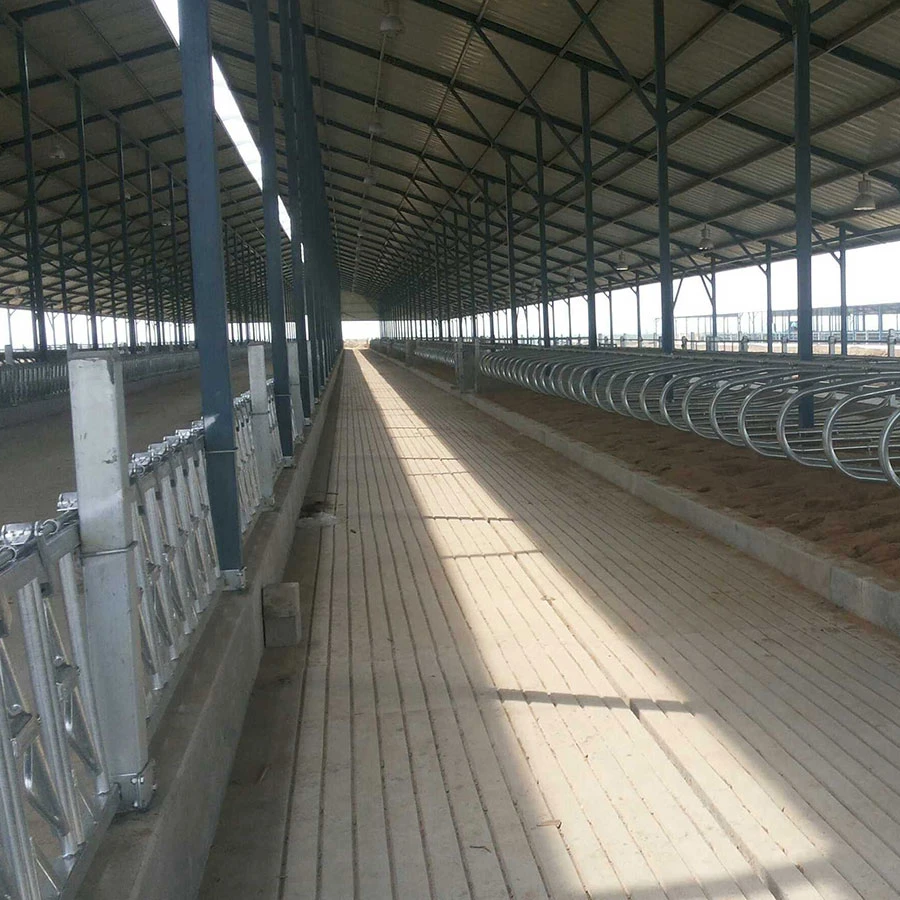
Beyond industry, it’s worth noting humanitarian uses: from aluminum grate flooring in livestock shelters to temporary flooring in disaster camps, its modularity allows quick setup and teardown—exactly what some NGOs look for during crises.
Core Components and Why They Matter
Durability
Aluminum resists rust far better than steel or iron, especially in wet or corrosive environments. This leads to longer service life and reduced maintenance costs, which industries love.
Lightweight but Strong
One engineer once told me, “You don’t often get this much strength without the bulk.” This flooring supports heavy loads while remaining light enough for easier installation and transportation.
Drainage and Ventilation
The grid design allows fluids and air to move freely, helping keep surfaces dry and workers safe. Perfect for chemical plants or livestock areas.
Customization
Whether you need a smaller mesh size for finer particle control or a special finish for extra grip, aluminum grates can be tailored to fit the job.
Cost Efficiency Over Time
Initial costs might be higher than concrete or plastic mats, but longevity and lower labor for repairs often tip the scales in favor of aluminum flooring.
Global Applications and Real-World Examples
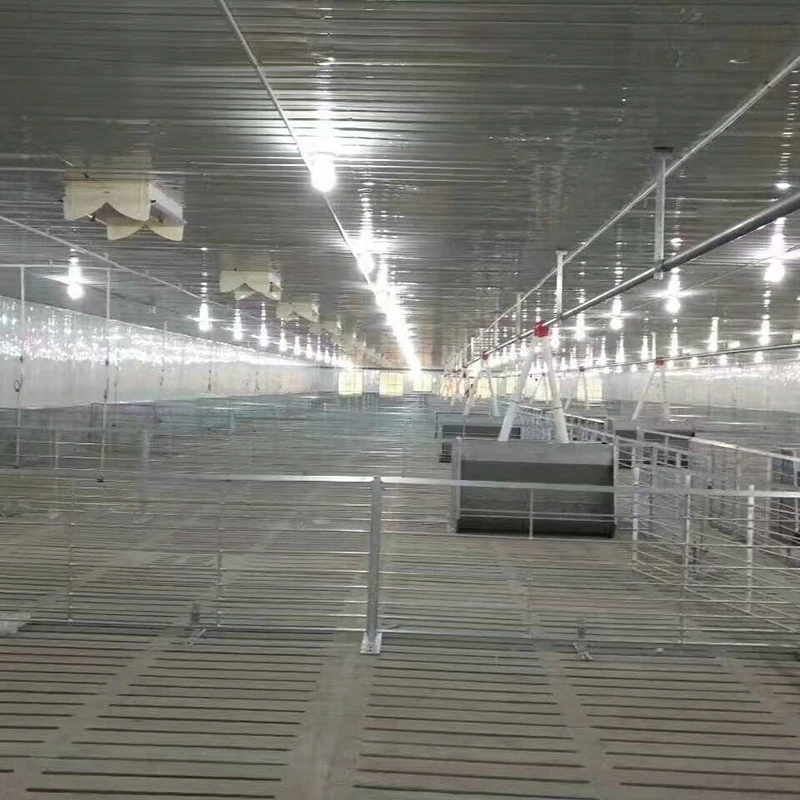
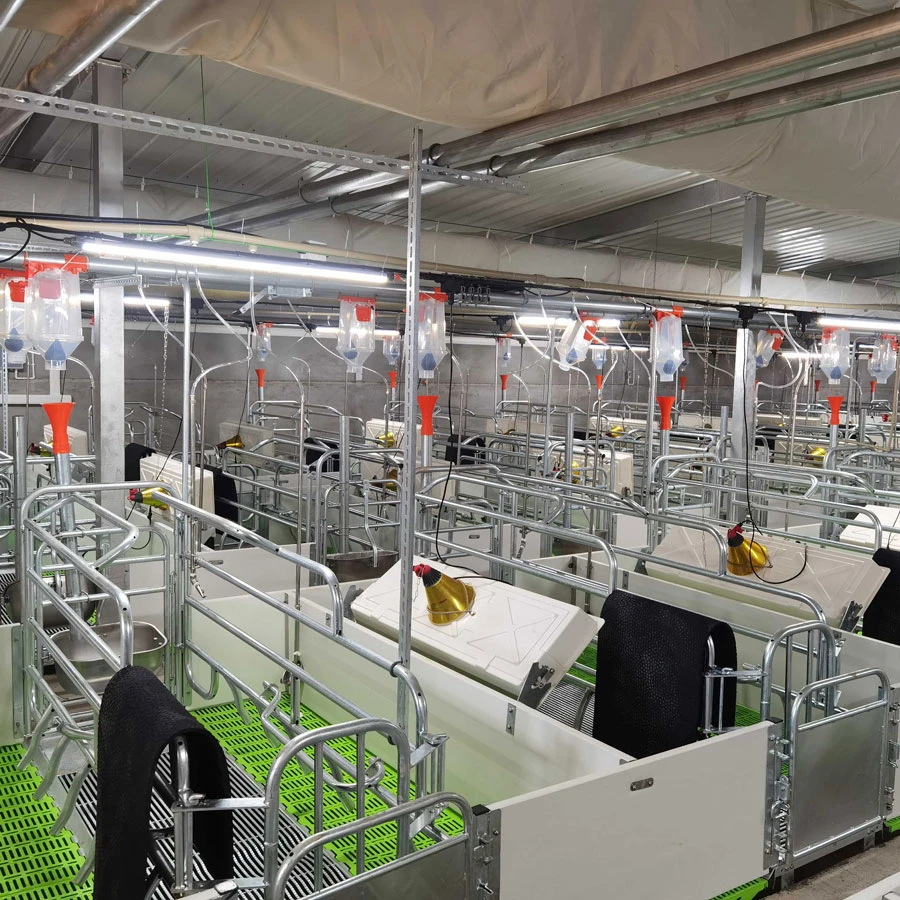
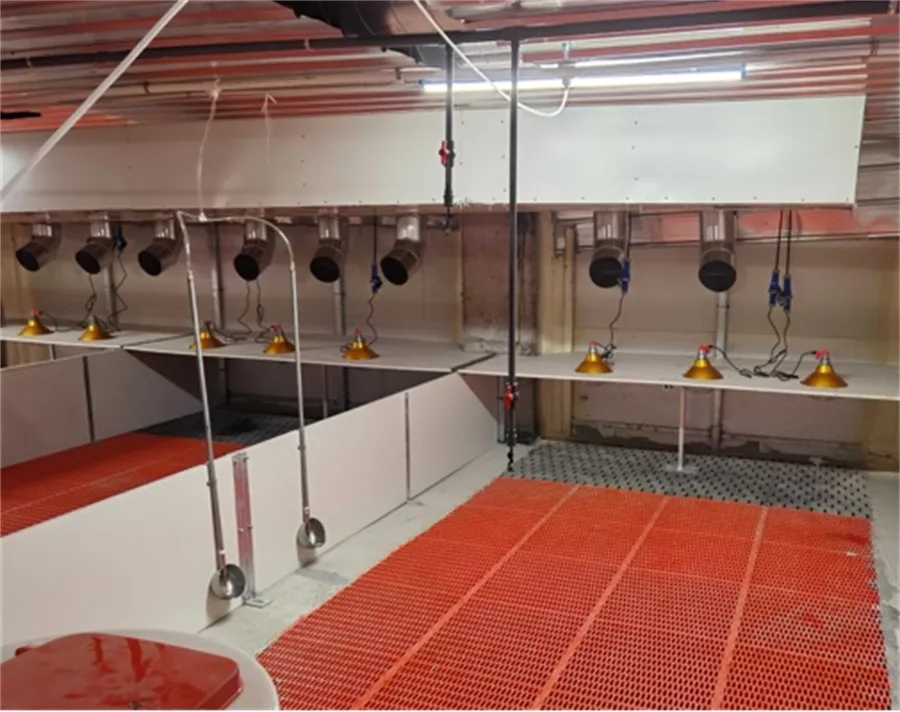
Think about remote mining installations in Canada, where resilience against freezing and thawing is essential. Aluminum grating floors can withstand harsh climates without cracking or warping. In Southeast Asia, poultry farms now use aluminum grate flooring extensively to improve sanitation and animal welfare. On an entirely different note, emergency shelters in flood-prone zones have benefited from modular aluminum floors that dry quickly and avoid contamination.
| Specification | Aluminum Grate Flooring |
|---|---|
| Material | High-grade aluminum alloy (6061 or 5052) |
| Weight | ~3.5 - 4.5 kg/m² (varies by mesh size) |
| Load Capacity | Up to 900 kg/m² (depending on thickness and support) |
| Corrosion Resistance | Excellent, suitable for marine or chemical environments |
| Typical Mesh Sizes | 25 x 25 mm to 100 x 50 mm |
| Maintenance | Low; periodic cleaning recommended |
Advantages and the Lasting Value of Aluminum Grate Flooring
Well, the benefits are pretty tangible. First, there’s peace of mind: safer workplaces and healthier animals thanks to better hygiene. Financially, companies save on upkeep and downtime, and, frankly, it just looks sharp — modern and clean. Sustainability fans will appreciate aluminum’s recyclability. I remember hearing from a cattle farm operator who transitioned from wooden slats to aluminum grates and marveled at how much easier the entire operation became — it was a game changer for their welfare standards.
Looking Ahead: Innovations and Trends
What’s next? Some manufacturers are experimenting with hybrid materials—aluminum combined with composites—to boost durability even further without weight penalties. Then there’s enhanced surface coatings for super slip resistance or self-cleaning abilities. Smart flooring embedded with sensors to track pressure or detect leaks is another up-and-comer, enabled by digital transformation sweeping through industries.
Challenges and How Experts Are Tackling Them
Truth be told, aluminum grate flooring isn’t perfect. The upfront expense sometimes scares smaller operations off. Plus, improper design in heavy-load areas can lead to undue bending or noise. But experts recommend careful load analysis and modular planning to spread costs and ensure durability.
On a brighter note, better vendor training and installation protocols keep problems at bay. Oh, and that brings us to a neat way to compare vendors for various needs.
| Vendor | Price Range | Customization Options | Lead Times | Notable Industries Served |
|---|---|---|---|---|
| AluGrate Inc. | $$$ | Wide (mesh, finish, size) | 2-4 weeks | Industrial, Marine |
| LiteFloors Ltd. | $$ | Moderate (standard sizes) | 1-3 weeks | Agriculture, Food Processing |
| EcoGrid Solutions | $$$ | High (custom coatings & sensors) | 3-5 weeks | Smart Buildings, Industrial |
FAQs: Quickly Clearing Up Common Questions About Aluminum Grate Flooring
Q: How does aluminum grate flooring compare to steel grating in terms of corrosion?
A: Aluminum naturally forms a protective oxide layer that resists corrosion better than untreated steel, especially in humid or chemical environments. Steel requires coatings or galvanization, which can wear off over time.
Q: Can aluminum grate flooring support heavy machinery load?
A: Yes, depending on thickness, mesh size, and support structure, it can carry loads upward of 900 kg/m². Proper design is critical to ensure safety and product longevity.
Q: Is installation difficult for aluminum grate floors?
A: Not really. Its lighter weight makes handling easier than steel or concrete platforms. Modular designs often allow quick assembly with standard tools.
Q: How recyclable is aluminum grate flooring?
A: Aluminum is highly recyclable without losing quality. This makes it a sustainable option aligned with circular economy principles.
Q: Are there health or safety regulations related to aluminum grate flooring?
A: Yes, many OSHA and ISO guidelines address slip resistance, load capacity, and maintenance. Choosing certified products ensures compliance.
Wrapping Up: Why Aluminum Grate Flooring Deserves Your Attention
To put it bluntly, aluminum grate flooring blends innovative design with practical advantages that industries worldwide desperately need—durability, hygiene, sustainability, and customization. Its adaptability across sectors, from harsh industrial zones to delicate livestock facilities, shows it’s a smart investment for the future.
If you want to explore solutions or see real products, visit our website. After all, the right flooring makes all the difference.
Mini Takeaways
- Aluminum grate flooring offers corrosion-resistant, lightweight, and durable platforms.
- It supports safety and hygiene across industries globally.
- Customization and emerging smart tech are shaping its future.
- Upfront costs offset by longevity and sustainability benefits.
References
Post time: Dec . 02, 2025